Advertisement
Advertisement
2025 Digital Exclusive No. 3
How to Build a Cardiogenic Shock Team
A practical guide for a team-based approach to improving cardiogenic shock outcomes.
By Vinoy S. Prasad, MD, FACC; Anthony Hilliard, MD, FACC; and Antoine Sakr, MD, FACC
Cardiogenic shock is a critical condition associated with high morbidity and mortality. Despite advancements in technology and expertise, outcomes have remained largely static over the past 30 years, with in-hospital mortality exceeding 40%.1 Emerging data from experiences at the regional and national levels support the implementation of cardiogenic shock teams to improve the early identification of cardiogenic shock, shorten time for pharmacologic and/or mechanical circulatory support (MCS), and coordinate multidisciplinary care—all with the goal of reducing mortality.2 A recent American College of Cardiology Expert Consensus statement highlights the importance of a standardized, team-based approach to the evaluation and management of cardiogenic shock.3 This article outlines a comprehensive strategy to build an effective cardiogenic shock team, including structure, operational protocols, communication systems, metrics for success, and integration into broader health systems.
CARDIOGENIC SHOCK DEFINITION AND CLASSIFICATION
Historically, defining cardiogenic shock included a combination of 1) systolic blood pressure < 90 mm Hg for > 30 minutes; 2) cardiac index < 2.2 L/min/m2; 3) lactate > 2 mmol/L; and 4) signs of end-organ hypoperfusion (eg, altered mental status, oliguria). Additionally, cardiac power output < 0.6 W (derived from the product of the cardiac output and mean arterial blood pressure) is considered a strong predictor of mortality in cardiogenic shock, and the pulmonary artery pulsatility index (PAPi) is often included as a marker of right ventricular involvement in cardiogenic shock (PAPi < 1).4
Recently, the Society for Cardiovascular Angiography & Interventions (SCAI) published an updated shock classification to further define cardiogenic shock severity based on the presence of hypotension, hypoperfusion, and treatment intensity to maintain hemodynamic parameters.5
MAKEUP OF THE MULTIDISCIPLINARY CARDIOGENIC SHOCK TEAM
The core members of the team (Figure 1) include:
1. Interventional cardiologists: Often the first line for acute myocardial infarction with cardiogenic shock (AMI-CS); lead use of cardiac catheterization lab resources, including left and right heart cardiac catheterization, percutaneous insertion of MCS, and cannulation for peripheral venoarterial extracorporeal membrane oxygenation (VA-ECMO) (at some centers, this is done by cardiothoracic surgery or the cardiac intensivist)
2. Cardiac intensivists: Oversee hemodynamic optimization in the intensive care unit (ICU) and manage ventilatory support, vasopressor/inotrope titration, and multiorgan support; provide close management and serial assessment of shock severity throughout the clinical course
3. Advanced heart failure specialists: Comanage inotropic support and vasoactive medications; lead the evaluation for advanced therapies, including escalation of MCS, durable MCS, and heart transplant evaluation
4. Cardiothoracic surgeons: Provide surgical services, including revascularization, valve repair or replacement, and surgically implanted MCS (central VA-ECMO, temporary and durable ventricular assist device [VAD] placement)
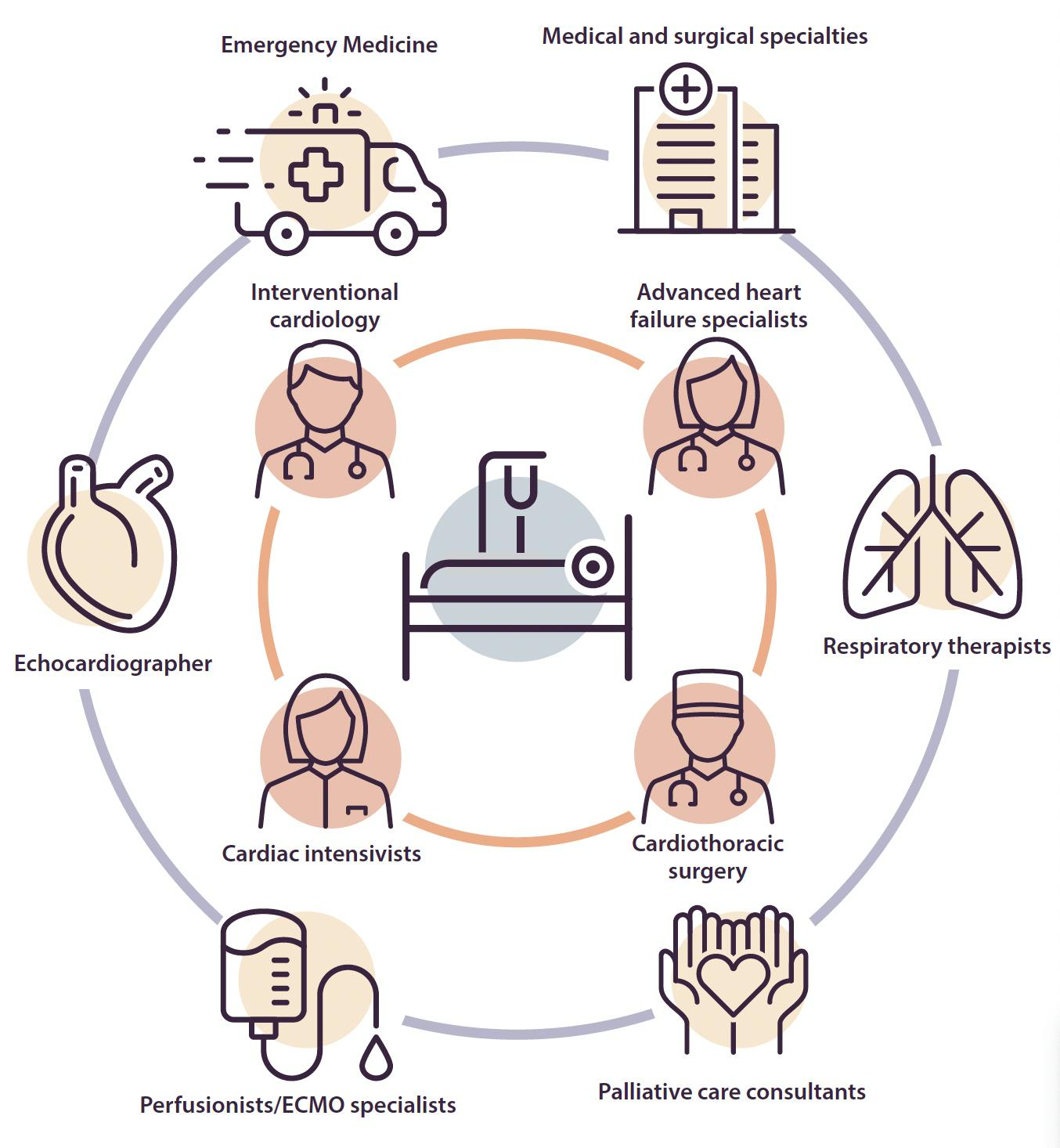
Figure 1. The core and extended cardiogenic shock team.
In addition, the following team members are crucial in the initial and extended management of these critically ill patients:
1. Emergency medicine: Recognize early signs of cardiogenic shock in the emergency department, perform initial stabilization, and activate the appropriate cardiac specialty
2. Echocardiographers: Provide transthoracic and transesophageal echocardiography expertise for imaging of biventricular function, structural complications of acute MI, optimal intracardiac MCS positioning, and device weaning/escalation
3. Perfusionists/ECMO specialists: Ensure rapid assembly and troubleshooting of extracorporeal circuits, coordinate cannulation logistics, and monitor MCS device function
4. Respiratory therapists: Manage mechanical ventilation strategies in severe pulmonary edema associated with cardiogenic shock
5. Medical and surgical specialists: Early involvement of other specialists is often necessary due to multiorgan involvement or complications from MCS—for instance, nephrology may be needed to initiate continuous renal replacement therapy in cases of acute renal failure, while vascular surgery involvement may be required for patients who develop acute limb ischemia from MCS
6. Palliative care consultants: Address goals of care discussions in cases with poor prognosis.
ACTIVATION PROTOCOLS
The first 24 hours after a diagnosis of cardiogenic shock—often referred to as the “golden day of shock”—represent a critical window during which early recognition and timely interventions offer the greatest potential to change the course of the condition.6 Using the framework of the SCAI definition and classifications for cardiogenic shock, early identification of shock or clinical deterioration triggers a standardized cardiogenic shock team activation system, as described below.7
1. Centralized activation system: A one-call or internal paging system for immediate cardiogenic shock team activation, similar to ST-segment elevation MI (STEMI) activations. A tertiary center may also implement a 24/7 dedicated shock hotline for transfers from referring hospitals.
2. Clinical triggers for cardiogenic shock team activation:
- Hemodynamic parameters:
- Systolic blood pressure < 90 mm Hg for > 30 minutes despite fluid resuscitation (or need for vasoactive medications to maintain blood pressure)
- Cardiac index < 2.2 L/min/m2, if measured
- Elevated pulmonary capillary wedge pressure > 18 mm Hg
- Laboratory markers:
- Lactate level > 2.0 mmol/L
- Rising serum creatinine or evidence of end-organ dysfunction
- Clinical signs of hypoperfusion:
- Cold, clammy extremities
- Altered mental status
- Oliguria (urine output < 0.5 mL/kg/h)
3. Tiers of activation:
- Level 1: Early identification of shock; activate core team and appropriate services (eg, cath lab activation for AMI-CS)
- Level 2: Clinical deterioration or escalation of support; full team activation; discussion of advanced MCS (VA-ECMO, surgically implanted VADs)
TREATMENT PROTOCOLS AND DECISION ALGORITHMS
Cardiogenic shock teams have been implemented at both the regional and national levels, with the development of diagnostic and therapeutic algorithms to standardize care. One such protocol, developed by the INOVA Heart and Vascular Institute, is shown in Figure 2.7
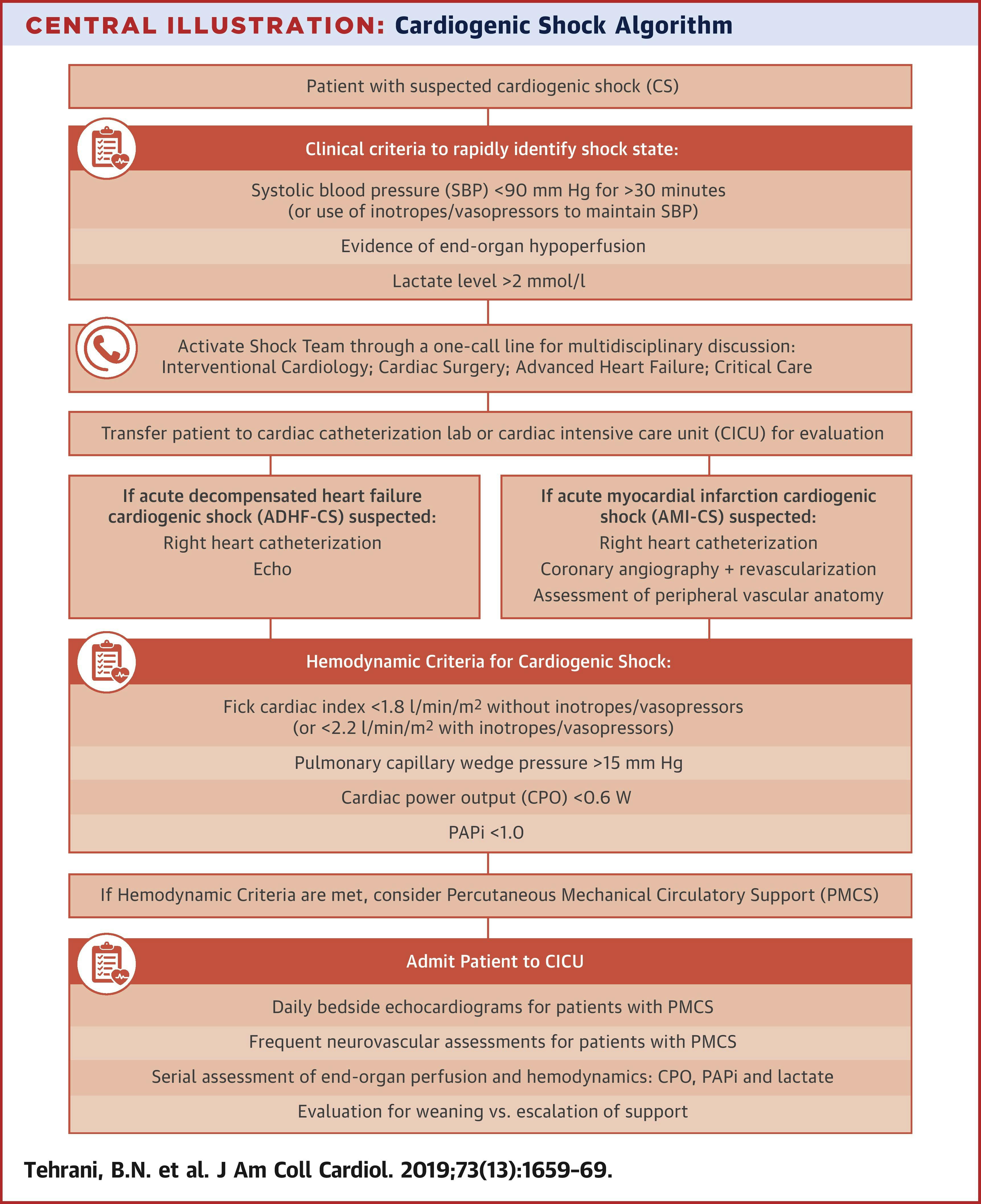
Figure 2. The Inova Heart and Vascular Institute cardiogenic shock protocol. CICU, cardiac intensive care unit; CPO, cardiac power output. Reprinted with permission from Tehrani BN, Truesdell AG, Sherwood MW, et al. Standardized team-based care for cardiogenic shock. J Am Coll Cardiol. 2019;73:1659-1669.
The following are key components of a cardiogenic shock team protocol.
Early Hemodynamic Assessment
Invasive monitoring tools such as pulmonary artery catheters (PACs) and arterial lines should be deployed early in the course to quantify shock severity and guide therapy.
Revascularization in AMI-CS
Follow clinical guidelines for prompt revascularization of the culprit lesion. Consider expedited bedside echo imaging for delayed MI presentations to identify structural complications of acute MI such as mitral papillary muscle rupture, which may alter revascularization strategy. Develop a shared decision-making protocol on type of MCS support and timing of implantation.
Use of MCS
Several MCS options are commercially available, with differences in mode of implantation, size of access site cannulation, level of support, type of support (left ventricular, right ventricular, or biventricular support), and duration of therapy. These devices are also associated with vascular and bleeding complications that are particularly pronounced in the cardiogenic shock patient (Sidebar).8
Commercially Available MCS Devices
- Right ventricular support: Impella RP (Abiomed, Inc.), TandemHeart ProtekDuo (LivaNova)
- Biventricular support: VA-ECMO, left atrial venoarterial (LAVA)-ECMO
- Left ventricular support: Intra-aortic balloon pump; Impella 2.5, CP, 5.5 (Abiomed, Inc.); TandemHeart (LivaNova)
At the institutional level, there should be agreement on which devices to have available, who will perform the implantation (eg, at some centers, cardiothoracic surgery cannulates VA-ECMO and at others interventional cardiology cannulates), and decision-making protocols for the appropriate device for the clinical scenario. Criteria for device escalation or weaning should also be protocolized, and there are several examples of such protocols in the literature.9,10
Management in the Cardiac ICU: Cardiogenic Shock Order Sets
Although early identification of cardiogenic shock and initial management are crucial in the critically ill patient, the ensuing clinical course demands close surveillance for signs of hemodynamic deterioration or end-organ damage. Cardiogenic shock order sets are recommended and should include: (1) serial assessment of end-organ perfusion, with scheduled lab draws for lactate, metabolic, and liver panels, as well as close monitoring of urine output, with the physician alerted if output falls below 0.5 mL/kg/h; (2) ongoing surveillance in patients with MCS for device-related complications, including serial hemolysis labs, complete blood count, and frequent neurovascular assessments; (3) close monitoring of cardiac output and filling pressures to optimize volume status and guide decisions regarding MCS device weaning or escalation; and (4) built-in triggers should alert clinicians to escalating pressor requirements. The cardiac intensivist and advanced heart failure team should be closely aligned on initial vasopressor and inotrope choices, along with target mean arterial pressure and cardiac output goals.
Exit Strategy
Equally important to initiating therapy in cardiogenic shock is establishing an exit strategy: a planned, stepwise approach for stabilizing, weaning, and transitioning the patient out of critical care. The cardiogenic shock team should define the anticipated recovery trajectory and therapeutic direction early in the patient’s course
Myocardial recovery. This is the goal for most patients with AMI-CS and those with potentially reversible etiologies of cardiogenic shock, with the hope of successfully weaning vasoactive medications and temporary MCS support and transitioning to guideline-directed medical therapy.
Bridge to durable mechanical support. If the patient is unable to wean off support, the patient should be evaluated for advanced heart failure therapies, including durable mechanical support. Candidacy for durable VADs involves coordination and planning with advanced heart failure, cardiothoracic surgery, and social work.
Bridge to transplantation. Patients with irreversible heart failure but acceptable end-organ function may be considered for heart transplant versus durable VAD. Early involvement of the transplant team is key.
Transition to palliative care. For patients who are not recovering and are not candidates for advanced heart failure therapies, palliative care should be discussed early with the patient and the family. Symptom relief, preservation of dignity, spiritual support, and family involvement should be emphasized and supported by the cardiogenic shock team.
INSTITUTIONAL SUPPORT AND REGIONAL INTEGRATION
Support from hospital leadership is essential to secure the necessary funding and personnel for sustaining a cardiogenic shock team. The goals and outcomes of the cardiogenic shock team should be closely aligned with the institution’s mission to deliver excellence in cardiovascular and critical care.
The care of these critically ill patients goes beyond the scope of one hospital and should involve the community and surrounding hospitals. A regional “hub-and-spoke” model has been proposed—analogous to regional systems of care in STEMI management—whereby referring hospitals have access to early transfers to tertiary centers (“shock hubs”) that have 24/7 access to advanced therapies such as MCS. Cardiogenic shock networks are becoming increasingly essential to ensure timely access to advanced care for these critically ill patients.11
QUALITY IMPROVEMENT AND STAKEHOLDER ENGAGEMENT
To support the goal of improving outcomes in cardiogenic shock, institutions need to collect outcomes data, track process and patient-centered metrics, and ensure stakeholder engagement.
The following key performance indicators (KPI) should be monitored:
- Clinical outcomes:
- In-hospital and 30-day mortality
- Hospital length of stay and readmissions
- Bleeding and vascular complications
- Renal function recovery
- Neurologic status
- Process metrics
- Protocol adherence and shock team activations
- Use of cardiogenic shock order sets
- Time to revascularization for AMI-CS
- Door-to-MCS timing
- PAC placement
Additionally, stakeholders should participate in periodic (monthly) cardiogenic shock meetings to review cases, educate on processes, and consider opportunities for improvement. These discussions should be held in an environment of mutual trust and respect, emphasizing the contribution of all team members to the decision-making process. Finally, clinical outcomes and KPIs should be reviewed quarterly and annually to ensure that the team’s efforts, resources, and processes are effectively achieving the intended clinical goals.
CONCLUSION
Building a cardiogenic shock team is a transformative initiative that requires institutional commitment, multidisciplinary coordination, and relentless pursuit of protocolized, data-driven care. With the right framework, cardiogenic shock teams can improve survival and quality of life for patients facing one of the most lethal conditions in cardiovascular medicine.
1. Senman B, Jentzer JC, Barnett CF, et al. Need for a cardiogenic shock team collaborative-promoting a team-based model of care to improve outcomes and identify best practices. J Am Heart Assoc. 2024;13:e031979. doi: 10.1161/JAHA.123.031979
2. Blumer V, Hanff TC, Gage A, et al. Cardiogenic shock teams: past, present, and future directions. Circ Heart Fail. 2025;18:e011630. doi: 10.1161/CIRCHEARTFAILURE.124.011630
3. Shashank SS, Morrow DA, Kapur NK, et al. 2025 concise clinical guidance: an ACC expert consensus statement on the evaluation and management of cardiogenic shock: a report of the American College of Cardiology solution set oversight committee. J Am Coll Cardiol. 2025;85:1618-1641. doi: 10.1016/j.jacc.2025.02.018
4. Lüsebrink E, Binzenhöfer L, Adamo M, et al. Cardiogenic shock. Lancet. 2024;404:2006-2020. doi: 10.1016/S0140-6736(24)01818-X
5. Naidu SS, Baran DA, Jentzer JC, et al. SCAI SHOCK stage classification expert consensus update: a review and incorporation of validation studies: this statement was endorsed by the American College of Cardiology (ACC), American College of Emergency Physicians (ACEP), American Heart Association (AHA), European Society of Cardiology (ESC) Association for Acute Cardiovascular Care (ACVC), International Society for Heart and Lung Transplantation (ISHLT), Society of Critical Care Medicine (SCCM), and Society of Thoracic Surgeons (STS) in December 2021. J Am Coll Cardiol. 2022;79:933-946. doi: 10.1016/j.jacc.2022.01.018
6. Ton VK, Li S, John K, et al. Serial shock severity assessment within 72 hours after diagnosis: a cardiogenic shock working group report. J Am Coll Cardiol. Published online August 1, 2024. Published correction appears in J Am Coll Cardiol. 2025;85:1288. doi: 10.1016/j.jacc.2024.04.069.
7. Tehrani BN, Truesdell AG, Sherwood MW, et al. Standardized team-based care for cardiogenic shock. J Am Coll Cardiol. 2019;73:1659-1669. Published correction appears in J Am Coll Cardiol. 2019;74:481. doi: 10.1016/j.jacc.2018.12.084
8. Villablanca P, Nona P, Lemor A, et. Mechanical circulatory support in cardiogenic shock due to structural heart disease. Interv Cardiol Clin. 2021;10:221-234. doi: 10.1016/j.iccl.2020.12.007
9. Randhawa VK, Al-Fares A, Tong MZY, et al. A pragmatic approach to weaning temporary mechanical circulatory support: a state-of-the-art review. JACC Heart Fail. 2021;9:664-673. doi: 10.1016/j.jchf.2021.05.011
10. Geller BJ, Sinha SS, Kapur NK, et al; American Heart Association Acute Cardiac Care and General Cardiology Committee of the Council on Clinical Cardiology; Council on Cardiopulmonary, Critical Care, Perioperative and Resuscitation; Council on Cardiovascular Radiology and Intervention; Council on Cardiovascular and Stroke Nursing; Council on Peripheral Vascular Disease; and Council on Cardiovascular Surgery and Anesthesia. Escalating and de-escalating temporary mechanical circulatory support in cardiogenic shock: a scientific statement from the American Heart Association. Circulation. 2022;146:e50-e68. doi: 10.1161/CIR.0000000000001076
11. Warren AF, Rosner C, Gattani R, et al. Cardiogenic shock: protocols, teams, centers, and networks. US Cardiol. 202;15:e18. doi: 10.15420/usc.2021.10



Advertisement
Advertisement
Latest Digital Exclusives