Advertisement
Advertisement
March/April 2025
From Silos to Synergy: Strengthening Communication Between Cath Labs and Imaging Departments
Strategies for collaboration, efficiency, and enhanced patient outcomes.
Cardiovascular leaders are all too familiar with the challenges of interdepartmental communication. Breaking down communication silos can feel like an endless game of telephone, except the stakes are way higher. Communication barriers restrict workflow, collaboration, and innovation—especially in the high-stakes environments of the cardiac cath lab and diagnostic imaging departments. This article dives into practical strategies to foster collaboration, boost efficiency, and ultimately enhance patient outcomes.
THE SILO SYNDROME
Communication breakdowns in health care can have serious consequences. Departmental silos in health care cause divisions, often resulting in disorganized patient care and major obstacles to the overall patient experience.
Imagine a patient with chest pain arrives at the emergency department (ED). The ED team springs into action, cardiology is called in, and imaging is ordered. Meanwhile, the cath lab team gears up for a possible intervention, but miscommunication about scheduling and patient handoff causes delays. The ED nurse waits for imaging results while the cath lab team either idles or scrambles at the last second—a costly and familiar scenario that results in increased door-to-balloon times, redundant tests, increased patient risk, and frustrated staff.
When departments don’t communicate effectively, patients experience disjointed care, longer wait times, and the feeling of being shuffled around without a plan. This is not just about patient satisfaction. Silos can lead to duplicate procedures, increased medical errors, higher costs, and lower staff morale.1
The Collaboration Cure
Now, imagine seamless handoffs between the ED, imaging department, and cath lab, allowing each step of the patient’s journey to be coordinated in real time. Effective collaboration leads to faster intervention times, improved patient outcomes, fewer unnecessary procedures, higher staff satisfaction and efficiency, and better resource use.2 Collaboration isn’t just about being polite (although that never hurts). It’s about building processes that foster communication and reinforce shared goals.
IMPLEMENTING INTERDEPARTMENTAL ROUNDING
Interdepartmental rounding is versatile, essential, and highly effective, and it involves leaders from different departments coming together regularly to discuss patient care, workflow bottlenecks, and improvement opportunities. Steps to implement interdepartmental rounding include:
1. Identify key departments. Focus on departments with high interdependence, like the cath lab, imaging, ED, and nursing.
2. Assess current relationships. Use a simple 1 to 10 rating system to evaluate communication quality.
3. Keep it short but impactful. Hold 15-minute sessions before or after shifts to keep discussions focused.
4. Ask strategic questions. Get specific to uncover real opportunities for collaboration, such as, “What would help streamline cath lab prep for emergent ST-segment elevation myocardial infarction cases?” or “Are there imaging protocols we can standardize to avoid delays?”
5. Act on insights. Implement solutions based on feedback, such as standardizing order sets or enhancing hand-off procedures.
CASE STUDY: TAVR DELAYS DUE TO IMAGING GAPS
THE PROBLEM: During a transcatheter aortic valve replacement (TAVR) case requiring precise CT imaging, the cath lab and imaging department at a large health center faced recurring delays due to unclear communication regarding the preprocedure imaging. While the scan was completed, key measurements weren’t flagged for the cath lab team, leading to rework, delays, and frustration.
THE CONSEQUENCES: For the cath lab team, this meant rushing to revalidate data while balancing other cases on their schedule. Meanwhile, imaging technologists were fielding last-minute calls instead of working proactively. These types of frustrations—missing data, surprise requests—compound stress and chip away at trust between departments.
THE SOLUTION: A shared preprocedural checklist is created and collaborative case reviews are scheduled. As a result, the departments aligned timelines and ensured critical findings were highlighted, which leads to faster procedural starts, improved resource use, and reduced stress for everyone involved.
THE TAKEAWAY: Small changes, such as incorporating a shared checklist, can have a massive ripple effect.
FOSTERING A CULTURE OF RECOGNITION
Recognition isn’t just a corporate buzzword. It is the fuel that powers collaboration. Highlighting cross-departmental efforts can boost morale and reinforce the importance of teamwork. Similarly, if a staff member puts in extra effort, acknowledging his/her contribution in a team meeting can go a long way. Recognition reinforces the behaviors you want to see repeated. Here are some ways to incorporate recognition:
- Shout-outs during rounds: Celebrate seamless teamwork and quick problem-solving.
- Personal notes of appreciation: A thank-you note for going the extra mile can mean a lot.
- Cross-department awards: Create recognition programs to spotlight collaborative wins.
TACKLING COMMON CHALLENGES
A step-by-step guide to breaking down silos is shown in Figure 1. However, even with the best efforts, challenges are bound to arise. When time constraints come into play, leaders may worry that adding more meetings to an already packed schedule will only create more strain. But here’s the reality: Improved collaboration can save time by eliminating backtracking and rework.
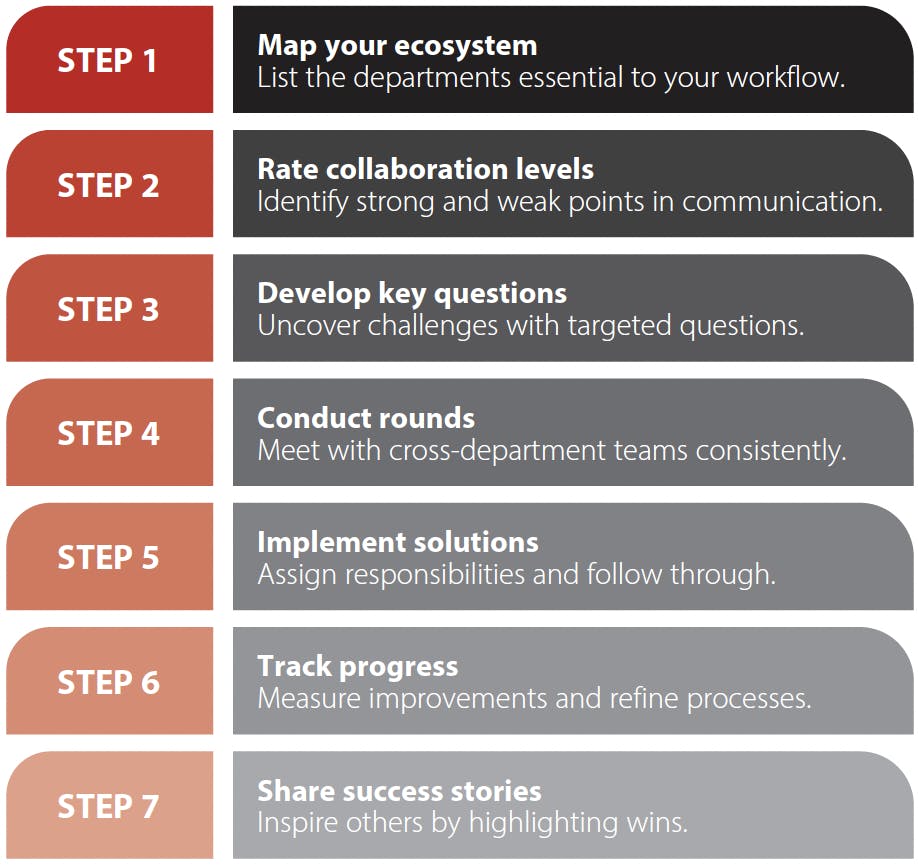
Figure 1. Step-by-step guide to breaking down silos.
Territorial behavior is another challenge. Departments can sometimes become protective of their workflows and are hesitant to adopt changes that may seem disruptive. Shifting the focus to shared goals and mutual benefits helps reframe the conversation from “this is ours” to “this is how we all succeed.”
Then there’s the issue of follow-through. New processes without accountability tend to fall apart quickly. Assigning specific tasks, setting clear deadlines, and reviewing progress regularly can keep everyone on track and invested in the outcome.
Finally, cultural resistance can be a significant hurdle, particularly in organizations where silos have been the norm for years. Change takes time, but celebrating small wins like a smoother handoff or faster procedure start can build momentum and demonstrate the value of cross-departmental collaboration.
CONCLUSION
Breaking down silos in the cath lab and other areas of health care isn’t optional—it’s essential. As leaders in cardiovascular care, we have the opportunity to model collaboration and drive positive change.
By implementing interdepartmental rounding and fostering a culture of recognition, we can create more integrated, efficient, and patient-centered environments.
So, what can you change today? Start small, stay consistent, and watch your cath lab team thrive. Take that first step toward better communication. It could be as simple as reaching out to your counterparts and starting a conversation.
Learn more about how MedAxiom’s cardiovascular experts in Care Transformation Services can help you design an improved communication strategy and other solutions tailored to your institution’s needs.
1. Peiris D, Feyer A-M, Barnard J, et al. Overcoming silos in health care systems through meso-level organisations – a case study of health reforms in New South Wales, Australia. Lancet Reg Health West Parc. 2024;44:101013. doi: 10.1016/j.lanwpc.2024.101013
2. Dingley C, Daugherty K, Derek MK, Persing R. Improving patient safety through provider communication strategy enhancements. AHRQ.gov. Accessed Jan. 26, 2025. https://www.ahrq.gov/downloads/pub/advances2/vol3/advances-dingley_14.pdf.
Advertisement
Advertisement