Advertisement
Advertisement
January/February 2026
Management of Nodular Coronary Calcium
A current understanding of coronary calcified nodules, including pathogenesis, imaging characteristics, and treatment considerations to support nuanced interventional decision-making.
By Yasser M. Sammour, MD, MSc; Andrew Murphy, MD; Robert Nicholson, MD; and Pratik Sandesara, MD
Despite marked advances in care, coronary heart disease remains a principal cause of morbidity and mortality in the United States.1 Advanced calcified lesions, including calcified nodules (CNs), play an increasingly recognized role in both stable coronary disease and acute coronary syndrome (ACS).2 Advanced coronary artery calcification has previously been shown to be an independent predictor of suboptimal percutaneous coronary intervention (PCI) outcomes, with higher rates of death, myocardial infarction (MI), and target vessel revascularization (TVR) when observed in the target lesion.3-6 Although CNs are determined to be the cause of a minority of ACS presentations, they merit increased clinical attention due to unique considerations in their treatment and the strong evidence base demonstrating worse outcomes after intervention with contemporary treatment methods.5
CNs are associated with advanced age, diabetes mellitus, and advanced kidney disease.5,7-9 The high prevalence of these risk factors underscores the importance of developing optimal strategies for these lesions. Increased utilization of optical coherence tomography (OCT) and intravascular ultrasound (IVUS) has added to our understanding of how these lesions affect both the coronary intervention itself and outcomes after the intervention.
These complex calcified lesions increase intervention complexity and worsen patient outcomes after PCI by several mechanisms, including altering stent expansion and deployment.10 Thus, there remains a need for further elucidation of optimal treatment strategies for these lesions. This article provides a brief review on the pathogenesis of CNs, their associated clinical implications, available treatment modalities, and a suggested treatment strategy algorithm (Figure 1).
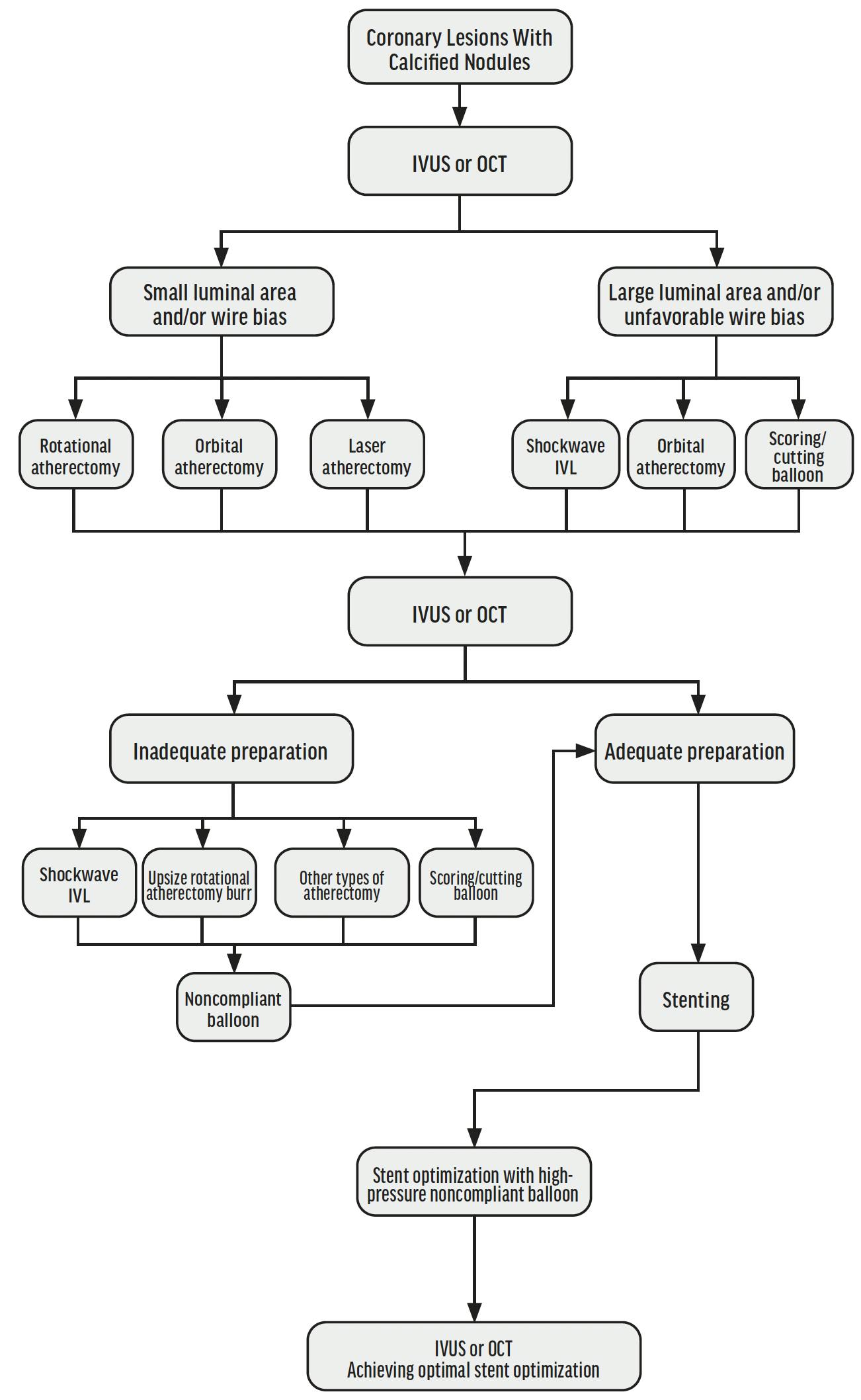
Figure 1. Our treatment algorithm for coronary lesions with CNs.
PATHOGENESIS
Previous studies have extensively detailed the development of the other two major etiologies of ACS—plaque rupture and plaque erosion.2 The development of advanced calcified lesions, including CNs, and the understanding of which lesions are more likely to lead to symptomatic coronary ischemia or ACS has long remained an unanswered clinical question.7
CNs can be categorized as eruptive or noneruptive. An eruptive CN refers to the specific pathophysiologic situation in which an eccentric heavily calcified convex lesion with protruding calcium fragments eventually disrupts the fibrous cap of the coronary arterial intima and develops an associated occlusive or nonocclusive thrombus, resulting in ACS.7,9 These calcified lesions may initially develop on the fringes of the necrotic core of an initially atheromatous coronary lesion. As microcalcification develops and jagged calcium fragments disrupt intravascular capillary vessels with subsequent microhemorrhage and healing, the lesion may continue to grow.7 The CN continues to develop as calcific aggregates form, fragment, and layer upon themselves, eccentrically narrowing the vessel lumen prior to intimal disruption. Endothelial disruption with healed thrombosis or healed plaque rupture can also serve to enlarge an already heavily calcified lesion.7
This final step of endothelial disruption is in contrast to the entity of a noneruptive CN, which is also a heavily calcified lesion with convex eccentric luminal narrowing. However, this term is used when there is no disruption of the fibrous cap and thus no pathophysiologic substrate for ACS.9 Therefore, active CNs associated with ACS are typically classified as eruptive CNs, whereas more stable nodular calcifications without fibrous cap disruption are referred to as noneruptive CNs (Figure 2).11
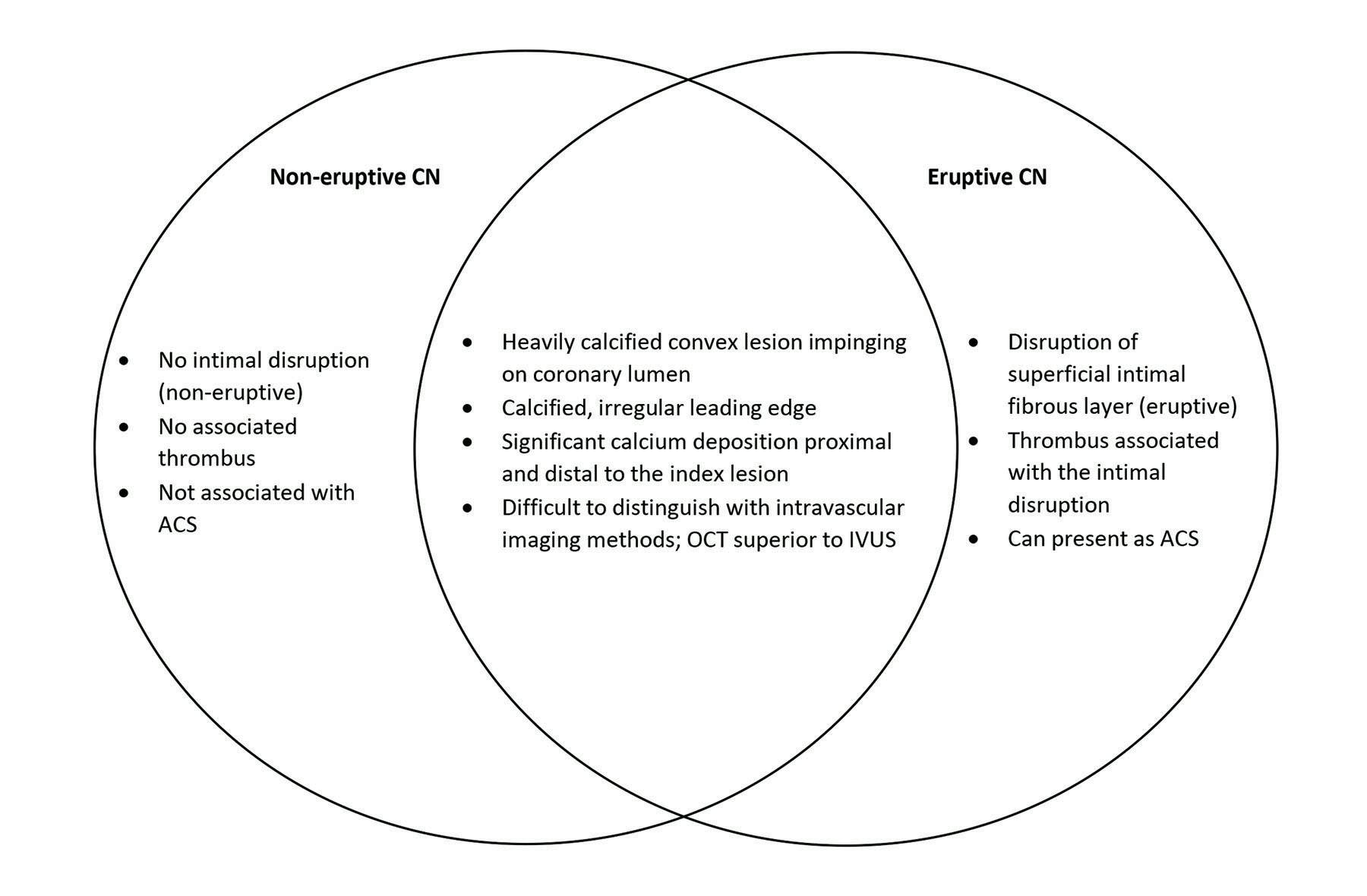
Figure 2. Characteristics of eruptive versus noneruptive CNs.
Imaging by IVUS may not be able to detect the difference between eruptive and noneruptive CNs due to the difficulty in visualizing thrombus or fibrous cap disruption.9 Autopsy data from a large set of sudden coronary death patients revealed several predisposing characteristics for both patients and coronary vessels more likely to develop CNs.7 These lesions are more likely to develop in vascular territories exposed to relatively more hinging motion and torsion during the cardiac cycle, resulting in added circumferential and axial stress, as well as shear stress from blood flow itself.7 CNs were observed particularly frequently at the left main bifurcation and within the proximal to middle right coronary artery segment, especially in patients with torturous coronary anatomy. Mechanical stress is thus suspected to be a primary contributor to CN development with eventual discontinuity of the fibrous cap.12
Flanking regions proximal and distal to the CN were also noted to have significant sheet and/or circumferential calcification, with a relatively low proportion of collagen at the culprit lesion site. The lack of tensile strength due to an absence of collagen, contrasted to the relatively high proportion of sheet calcium and collagen content both proximal and distal to these lesions, thus appears to further predispose to intimal disruption. The mechanical stress that these sites undergo induces fragmentation of existing calcium deposits, resulting in further aggregation of calcium in a nodular eccentric formation that can impinge on the vessel lumen.7,13,14
Several studies have demonstrated that both eruptive and noneruptive CNs are more often found in patients of advanced age, patients with diabetes mellitus, and patients with advanced kidney disease or end-stage renal disease.5,7 The latter is most likely due to chronically elevated serum calcium and phosphate levels in the setting of bone mineral disease, which may also independently stimulate osteogenic transformation of smooth muscle cells.5
IMPLICATIONS IN PCI
CNs worsen patient outcomes both in the setting of ACS and in the treatment of symptomatic stable lesions. Heavily calcified lesions complicated by CNs often have severe eccentricity due to protrusion of calcium fragments on one side of the vessel and relatively less disease on the opposing side of the vessel. These features make PCI more complex due to difficulty in dilating the lesion, resulting in failure to deliver equipment, including stents, and stent underexpansion.11
Large studies examining OCT-guided intervention have demonstrated a higher likelihood of cardiac death or MI related to treated culprit lesions with CNs, with a higher incidence of major adverse cardiac events (MACE) noted even compared to other morphologies of advanced calcification (eg, calcified sheets, nonnodular severe calcification).15,16
Several purported mechanisms have been suggested for this disparity, including malapposition of deployed stents within the vessel lumen, asymmetric or incomplete stent deployment, and disruption of stent struts or stent polymer. Stent underexpansion is associated with restenosis and stent thrombosis and is strongly associated with calcified coronary lesions, including CNs.10,17-19 Stent underexpansion and asymmetric deployment persist and are common despite high-pressure balloon inflation.19-21 Furthermore, the higher pressures used to attempt full, symmetric stent expansion may lead to stent fracture or edge dissection, with nodular calcium acting as the nidus of dissection.20-22 ACS attributable to eruptive CN has a higher risk of recurrence and need for TVR, and it is an independent predictor of MACE.8,10,20
CNs can also protrude and reappear within a stented vessel, causing neointimal disruption while also acting as a nidus for neointimal hyperplasia.8 This protrusion can cause catastrophic stent complications, including sudden coronary death.9,23 Eruptive CN development has also been observed de novo within the neointima of a stented vessel years after implantation.24
Irregularity in the surface of advanced calcified lesions appears to increase the likelihood of need for revascularization.23 The likelihood of CN recurrence within stents underscores the need for calcium modification techniques and intravascular imaging before and after stent deployment given the propensity for CNs, especially eruptive CNs, to protrude through stent struts.23
INTRAVASCULAR IMAGING
IVUS
Coronary angiography alone may be insufficient to distinguish advanced calcified lesions from other noncalcified lesions. Previous work has helped elucidate the features of eruptive and noneruptive CNs on IVUS, with subsequent histopathologic comparison to verify these findings.25 These features include an irregular leading edge of hyperechoic material consistent with calcification and a nearly uniformly convex shape impinging on the coronary lumen. This is in contrast to either dense fibrotic lesions or fibrocalcific lesions that, although they may share some IVUS features with CNs, will demonstrate a concave border and not appear as a bright and protruding mass from the vessel wall.26 Additionally, high-definition IVUS has the ability to differentiate between eruptive and noneruptive CNs, based on the continuity of the fibrous cap, which remains intact in noneruptive CNs.11
OCT
When examined with OCT, calcified lesions appear as a heterogeneous area of interest with sharply delineated borders and high backscattering.22 OCT allows for enhanced quantification of calcified lesion thickness, area, and volume compared to IVUS. With this imaging modality, CNs appear as bright, protruding masses with an irregular surface, and similar to other calcified lesions, they have sharply delineated borders with high backscatter.27 Most relevant to the preceding discussion, the higher resolution of OCT allows for improved detection of erosion or interruption of the intimal surface and fibrous cap for a given lesion, as well as detection of mural thrombus, which may aid in the distinction between eruptive and noneruptive CNs.14 Additionally, OCT allows the differentiation between deformable and nondeformable calcified lesions. Most CNs are deformable, with reduced luminal protrusion after PCI, achieving asymmetry and eccentricity indices > 0.7. In contrast, approximately one-third of noneruptive CNs are nondeformable because of their rigid structure.11
CORONARY CALCIUM MODIFICATION MODALITIES
There are some commonly used modalities for the treatment of advanced calcification that may also have a role in the treatment of CNs.
Rotational Atherectomy and Orbital Atherectomy
The Rotapro rotational atherectomy (RA) system (Boston Scientific Corporation) uses a concentrically spinning, diamond-coated burr with a front cutting mechanism on a proprietary support wire spinning 140,000 to 200,000 revolutions per minute, aiding in advanced lesion modification for eventual delivery of stent delivery and expansion. The burr allows for differential cutting and ablation of noncompliant materials, such as atherosclerotic plaque and calcium, rather than vascular tissues.28 In contemporary practice, it is frequently used in the setting of advanced calcification, including eruptive and noneruptive CNs, when the guidewire may be passed but the delivery of other equipment remains challenging.
The 1.5-mm burr size is most commonly used to modify the lesion before further preparation with other modalities—rather than using a larger burr for a stand-alone debulking strategy that previously was more commonplace.
RA is thought to be effective for modifying concentric calcified lesions, as the burr can directly contact and ablate the calcium sheet, potentially causing calcium fracture and creating a larger lumen for subsequent treatment with high-pressure, noncompliant (NC) balloon dilation or, more recently, Shockwave intravascular lithotripsy (IVL [Shockwave Medical], referred to as a “rotatripsy” strategy). However, CNs are severely eccentric, with protruding calcium debris on one side of the vessel opposed to normal vascular tissue. They may also have a larger luminal area compared to a severe concentric calcified lesion. These two characteristics reduce the effectiveness of RA, as the most commonly used burr size (1.5 mm) may make contact with the nodular lesion, bypassing the lesion without any modification.28
The Diamondback 360 coronary orbital atherectomy (OA) system (Abbott) uses an eccentrically mounted, diamond-coated crown between the device nose and driveshaft that rotates to elliptically ablate coronary lesions. Similar to RA, the burr is meant to selectively sand down inelastic material of atherosclerotic and calcified plaques while sparing vascular tissues. The device uses a proprietary guidewire to pass the nose beyond the lesion, and the ablation crown can then be used to ablate advanced calcific lesions. The eccentric motion of the ablation crown and driveshaft allows for debulking of higher-volume lesions within larger vessels compared to RA, especially for straight vessel segments; however, RA is still preferred for aorto-ostial lesions.28
Both OA and RA are subject to the phenomenon of wire bias, in which the guidewire is no longer centrally oriented after accessing a lesion with proximal or distal vessel tortuosity or angulation, resulting in cutting that is not parallel with the vessel path.29 Wire bias may help bring the burr preferentially closer to the desired nodular lesion, but the effect is difficult to predict and unreliably seen on intracoronary imaging. If the burr more frequently contacts the normal side of the vessel, aggressive ablation may predispose to complications. Thus, vessel dissection and perforation are feared complications for both methods. Burr entrapment is also possible and thought to be less common with OA due to the bidirectional cutting mechanism.29
A small number of studies specifically review interventions involving RA on CNs and show that outcomes are unfavorable when these lesions are present, with an elevated risk of cardiovascular death, MI, and clinically driven target lesion revascularization compared to lesions without this morphology.30-32 However, there is likely a bias toward more advanced lesions in general among these data, given the associated risk factors and advanced nature of these calcified lesions when such a comparison is drawn.
Among consecutive CNs in a propensity-matched analysis of RA versus no RA, use of RA was not associated with a significant improvements in IVUS-derived acute lumen area gain, stent malapposition, or clinically driven TVR.33 Conversely, another large retrospective cohort of CN lesions demonstrated a strong association between nonuse of RA and restenosis.34
Super-High–Pressure Balloons
The OPN NC balloon (SIS Medical AG) makes use of an angioplasty balloon that can uniformly inflate to and tolerate higher than typically used pressure to modify coronary lesions. It fills a niche within calcium modification with its ability to modify and potentially fracture larger sheets of calcium while allowing for fuller stent expansion, particularly when used to modify sheet calcification with concentric luminal narrowing.35 The OPN NC balloon is double layered and designed to withstand high pressures (> 35 atm) while preventing the relative proximal and distal dilation—commonly referred to as “dog-boning”—observed in other NC balloons. However, there is concern that in the setting of an eccentric lesion like a CN, the high pressures with this balloon might increase the risk of vessel trauma or perforation rather than producing the desired fracture of calcific plaque.36
Specialty Balloons
Specialty balloons include cutting and scoring balloons and are designed to fracture large calcific plaques during deployment, thereby improving compliance and increasing minimal stent area at the lesion site. These balloons use wires or microsurgical blades arranged around an angioplasty balloon. The AngioSculpt scoring balloon catheter (Philips) is a semicompliant nylon balloon surrounded by three external nitinol spiral scoring wires for treatment of fibrocalcific and calcified lesions and in-stent restenosis. The Wolverine cutting balloon (Boston Scientific Corporation) is frequently used in contemporary practice and features three microsurgical blades triangularly arranged around an angioplasty balloon, with a narrower profile compared to earlier cutting balloons.
The efficacy of scoring and cutting balloons is affected by the eccentricity and resistance of CNs. Scoring wires and cutting blades may only modify the compliant, normal side of the vessel, thus resulting in asymmetric balloon expansion without fracturing the nodule. There are minimal safety and efficacy data regarding use of modified balloons in the setting of CN.28
Data comparing RA, specialty balloons, and super-high–pressure balloons for OCT-guided treatment of severely calcified lesions demonstrated similar stent expansion and in-hospital MACE rates among all three groups, with the super-high–pressure balloon group demonstrating less stent eccentricity and the RA group demonstrating the highest percentage of strategy success.37 However, these data did not distinguish CNs from other advanced calcification.
IVL
Shockwave IVL uses pressure generated by an electrical charge that vaporizes fluid in an angioplasty balloon to fracture lesions, including fibrocalcific plaque and advanced calcified lesions. Shockwave IVL increases vessel compliance and allows for stent deployment as it targets deeper calcium than would necessarily be contacted by other advanced calcium treatment methods.28 In comparison to RA, the risk profile is thought to be low, with a lower risk of atheromatous embolization and comparable data in terms of strategy success rate, lumen gain, and residual stenosis.38
A subanalysis of Disrupt CAD demonstrated favorable periprocedural and long-term outcomes with IVL for managing CNs compared to calcified lesions without CN.39 In our experience, the circumferential acoustic energy transmitted by the Shockwave balloon may be the best modality for overcoming some of these discussed challenges in the treatment of CNs.40 The acoustic energy is thought to only modify the calcification rather than the compliant vessel. In a large luminal lesion with a CN, the optimal size of the Shockwave balloon is selected via intracoronary imaging to ensure full contact with the lesion when the balloon is inflated to a low pressure (3-5 atm), while delivering as high as 50 atm of acoustic energy to the lesion.
If treating a critically stenosed calcified lesion with CN, the lesion may be initially modified with RA followed by an adequately sized IVL device to ensure adequate lesion preparation. Anecdotally, we do still find some CN cases that are not adequately modified despite the combined use of each of these modalities, with the unfortunate result of stent underexpansion.
Specifically for CNs, patient-level pooled data from the regulatory approval studies for coronary IVL demonstrated improvement in luminal gain, minimal stent area, and expansion after treatment, with no major complications and no major difference in these parameters between CN and non-CN lesions.41,42
CONCLUSION
This article describes the pathophysiology, clinical characteristics, and treatment methods for advanced calcified lesions, with the intent of summarizing some of the available evidence base to support nuanced decision-making regarding interventions on these complicated lesions.
1. Tsao CW, Aday AW, Almarzooq ZI, et al. Heart disease and stroke statistics—2022 update: a report from the American Heart Association. Circulation. 2022;145:e153-e639. doi: 10.1161/CIR.0000000000001052
2. Bentzon JF, Otsuka F, Virmani R, Falk E. Mechanisms of plaque formation and rupture. Circ Res. 2014;114:1852-1866. doi: 10.1161/CIRCRESAHA.114.302721
3. Guedeney P, Claessen BE, Mehran R, et al. Coronary calcification and long-term outcomes according to drug-eluting stent generation. JACC Cardiovasc Interv. 2020;13:1417-1428. doi: 10.1016/j.jcin.2020.03.053
4. Onuma Y, Tanimoto S, Ruygrok P, et al. Efficacy of everolimus eluting stent implantation in patients with calcified coronary culprit lesions: two-year angiographic and three-year clinical results from the SPIRIT II study. Catheter Cardiovasc Interv. 2010;76:634-642. doi: 10.1002/ccd.22541
5. Madhavan MV, Tarigopula M, Mintz GS, et al. Coronary artery calcification: pathogenesis and prognostic implications. J Am Coll Cardiol. 2014;63:1703-1714. doi: 10.1016/j.jacc.2014.01.017
6. Kawashima H, Serruys PW, Hara H, et al. 10-year all-cause mortality following percutaneous or surgical revascularization in patients with heavy calcification. JACC Cardiovasc Interv. 2022;15:193-204. doi: 10.1016/j.jcin.2021.10.026
7. Torii S, Sato Y, Otsuka F, et al. Eruptive calcified nodules as a potential mechanism of acute coronary thrombosis and sudden death. J Am Coll Cardiol. 2021;77:1599-1611. doi: 10.1016/j.jacc.2021.02.016
8. Sugane H, Kataoka Y, Otsuka F, et al. Cardiac outcomes in patients with acute coronary syndrome attributable to calcified nodule. Atherosclerosis. 2021;318:70-75. doi: 10.1016/j.atherosclerosis.2020.11.005
9. Sato Y, Finn AV, Virmani R. Calcified nodule: a rare but important cause of acute coronary syndrome with worse clinical outcomes. Atherosclerosis. 2021;318:40-42. doi: 10.1016/j.atherosclerosis.2020.12.009
10. Demuyakor A, Hu S, Koniaeva E, et al. Impact of nodular calcification in patients with acute coronary syndrome (ACS) treated with primary percutaneous coronary intervention (PCI). BMC Cardiovasc Disord. 2022;22:103. doi: 10.1186/s12872-022-02551-7
11. Ali ZA, Spratt JC, Finn AV, et al. Identification and treatment of calcified nodules in percutaneous coronary intervention. EuroIntervention. 2025;21:e1424-e1433. doi: 10.4244/EIJ-D-25-00296
12. Arbustini E, Vengrenyuk Y, Narula J. On the shades of coronary calcium and plaque instability. J Am Coll Cardiol. 2021;77:1612-1615. doi: 10.1016/j.jacc.2021.02.011
13. Alfonso F, Joner M. Untangling the diagnosis and clinical implications of calcified coronary nodules. JACC Cardiovasc Imaging. 2017;10:892-896. doi: 10.1016/j.jcmg.2017.06.002
14. Lee T, Mintz GS, Matsumura M, et al. Prevalence, predictors, and clinical presentation of a calcified nodule as assessed by optical coherence tomography. JACC Cardiovasc Imaging. 2017;10:883-891. doi: 10.1016/j.jcmg.2017.05.013
15. Iwai S, Watanabe M, Okamura A, et al. Prognostic impact of calcified plaque morphology after drug eluting stent implantation–an optical coherence tomography study. Circ J. 2021;85:2019-2028. doi: 10.1253/circj.CJ-20-1233
16. Prati F, Gatto L, Fabbiocchi F, et al. Clinical outcomes of calcified nodules detected by optical coherence tomography: a sub-analysis of the CLIMA study. EuroIntervention. 2020;16:380-386. doi: 10.4244/EIJ-D-19-01120
17. Prati F, Kodama T, Romagnoli E, et al. Suboptimal stent deployment is associated with subacute stent thrombosis: optical coherence tomography insights from a multicenter matched study. From the CLI Foundation investigators: the CLI-THRO study. Am Heart J. 2015;169:249-256. doi: 10.1016/j.ahj.2014.11.012
18. Song HG, Kang SJ, Ahn JM, et al. Intravascular ultrasound assessment of optimal stent area to prevent in-stent restenosis after zotarolimus-, everolimus-, and sirolimus-eluting stent implantation. Catheter Cardiovasc Interv. 2014;83:873-878. doi: 10.1002/ccd.24560
19. Vavuranakis M, Toutouzas K, Stefanadis C, et al. Stent deployment in calcified lesions: can we overcome calcific restraint with high-pressure balloon inflations? Catheter Cardiovasc Interv. 2001;52:164-172. doi: 10.1002/1522-726x(200102)52:2<164::aid-ccd1041>3.0.co;2-s
20. Lei F, Yin Y, Liu X, et al. Clinical outcomes of different calcified culprit plaques in patients with acute coronary syndrome. J Clin Med. 2022;11:4018. doi: 10.3390/jcm11144018
21. Khalifa AKM, Kubo T, Ino Y, et al. Optical coherence tomography comparison of percutaneous coronary intervention among plaque rupture, erosion, and calcified nodule in acute myocardial infarction. Circulation J. 2020;84:911-916. doi: 10.1253/circj.CJ-20-0014
22. Mintz GS. Intravascular imaging of coronary calcification and its clinical implications. JACC Cardiovasc Imaging. 2015;8:461-471. doi: 10.1016/j.jcmg.2015.02.003
23. Hamana T, Kawamori H, Toba T, et al. Predictors of target lesion revascularisation after drug-eluting stent implantation for calcified nodules: an optical coherence tomography study. EuroIntervention. 2023;19:e123-e133. doi: 10.4244/EIJ-D-22-00836
24. Pretel M, Marquès L, España A. Drug-induced lupus erythematosus. Actas Dermosifiliogr. 2014;105:18-30. doi: 10.1016/j.ad.2012.09.007
25. Lee JB, Mintz GS, Lisauskas JB, et al. Histopathologic validation of the intravascular ultrasound diagnosis of calcified coronary artery nodules. Am J Cardiol. 2011;108:1547-1551. doi: 10.1016/j.amjcard.2011.07.014
26. Alfonso F, Cuesta J, Bastante T, et al. Calcified nodule mimicking red thrombus on optical coherence tomography. JACC Cardiovasc Interv. 2015;8:120-121. doi: 10.1016/j.jcin.2014.10.008
27. Hao H, Fujii K, Shibuya M, et al. Different findings in a calcified nodule between histology and intravascular imaging such as intravascular ultrasound, optical coherence tomography, and coronary angioscopy. JACC Cardiovasc Interv. 2014;7:937-938. doi: 10.1016/j.jcin.2013.12.212
28. Sammour YM, Mohamed KA, et al. Approach to coronary calcium and procedural techniques during percutaneous coronary intervention. Curr Treat Options Cardiovasc Med. 2025;27:26. doi: 10.1007/s11936-025-01083-5
29. Reisman M, Harms V. Guidewire bias: potential source of complications with rotational atherectomy. Cathet Cardiovasc Diagn. 1996;(suppl 3):64-68.
30. Pengchata P, Pongakasira R, Wongsawangkit N, et al. Characteristics and pattern of calcified nodule and/or nodular calcification detected by intravascular ultrasound on the device-oriented composite endpoint (DoCE) in patients with heavily calcified lesions who underwent rotational atherectomy-assisted percutaneous coronary intervention. J Interv Cardiol. 2023;2023:6456695. doi: 10.1155/2023/6456695
31. Jinnouchi H, Sakakura K, Taniguchi Y, et al. Clinical outcomes and unique restenosis of calcified nodule in heavily calcified coronary artery. J Atheroscler Thromb. 2023;30:649-662. doi: 10.5551/jat.63667
32. Morofuji T, Kuramitsu S, Shinozaki T, et al. Clinical impact of calcified nodule in patients with heavily calcified lesions requiring rotational atherectomy. Catheter Cardiovasc Interv. 2021;97:10-19. doi: 10.1002/ccd.28896
33. Watanabe Y, Sakakura K, Taniguchi Y, et al. Comparison of clinical outcomes of intravascular ultrasound-calcified nodule between percutaneous coronary intervention with versus without rotational atherectomy in a propensity-score matched analysis. PloS One. 2020;15:e0241836. doi: 10.1371/journal.pone.0241836
34. Nozoe M, Nishioka S, Oi K, et al. Effects of patient background and treatment strategy on clinical outcomes after coronary intervention for calcified nodule lesions. Circ Rep. 2021;3:699-706. doi: 10.1253/circrep.CR-21-0129
35. Pinilla-Echeverri N, Bossard M, Hillani A, et al. Treatment of calcified lesions using a dedicated super-high pressure balloon: multicenter optical coherence tomography registry. Cardiovasc Revasc Med. 2023;52:49-58. doi: 10.1016/j.carrev.2023.02.020
36. Shah M, Najam O, Bhindi R, De Silva K. Calcium modification techniques in complex percutaneous coronary intervention. Circ Cardiovasc Interv. 2021;14:e009870. doi: 10.1161/CIRCINTERVENTIONS.120.009870
37. Rheude T, Fitzgerald S, Allali A, et al. Rotational atherectomy or balloon-based techniques to prepare severely calcified coronary lesions. JACC Cardiovasc Interv. 2022;15:1864-1874. doi: 10.1016/j.jcin.2022.07.034
38. Kaul A, Dhalla PS, Bapatla A, et al. Current treatment modalities for calcified coronary artery disease: a review article comparing novel intravascular lithotripsy and traditional rotational atherectomy. Cureus. 2020;12:e10922. doi: 10.7759/cureus.10922
39. Ali ZA, Shin D, Singh M, et al. Outcomes of coronary intravascular lithotripsy for the treatment of calcified nodules: a pooled analysis of the Disrupt CAD studies. EuroIntervention. 2024;20:e1454-e1464. doi: 10.4244/EIJ-D-24-00282
40. Kostantinis S, Simsek B, Karacsonyi J, et al. Intravascular lithotripsy in chronic total occlusion percutaneous coronary intervention: insights from the PROGRESS-CTO registry. Catheter Cardiovasc Interv. 2022;100:512-519. doi: 10.1002/ccd.30354
41. Ali Z, Hill J, Saito S, et al. TCT-121 Intravascular lithotripsy is effective in the treatment calcified nodules: patient-level pooled analysis from the Disrupt CAD OCT Substudies. JACC. 2021;78(19 suppl):B51-B51.
42. Ali ZA, Kereiakes D, Hill J, et al. Safety and effectiveness of coronary intravascular lithotripsy for treatment of calcified nodules. JACC Cardiovasc Interv. 2023;16:1122-1124. doi: 10.1016/j.jcin.2023.02.015
Advertisement
Advertisement