Advertisement
Advertisement
January/February 2025
Contemporary Strategies for In-Stent Restenosis Management
A practical approach to ISR, with tips and tricks for prevention, evaluation, and treatment.
By Audrey Ready, DO; Jesse Kane, MD; and Kevin J. Croce, MD, PhD
More than 2 million people worldwide undergo percutaneous coronary intervention (PCI) for the treatment of coronary artery disease each year.1 One in seven of those patients will return to the cardiac catheterization lab for a stent-related event, and up to 12% of PCI procedures performed each year specifically treat in-stent restenosis (ISR).2,3 Thus, the management of ISR or stent thrombosis is an important entity for the modern-day operator. ISR is characterized by luminal narrowing of a previously stented area and is the most common cause of stent failure.4 Furthermore, ISR is an independent risk factor for future restenosis, increased major adverse cardiac and cerebrovascular events (MACCE), and ISR target lesion revascularization, as well as an independent risk factor for mortality.5,6 Despite advances in treatment modalities, ISR continues to be notoriously difficult to manage and involves its own unique set of treatment challenges. In this article, we review key strategies in ISR management to help arm the reader with an approach for these unique cases.
PREVENTION STRATEGIES
Biologically, ISR develops from a combination of inflammation, neointimal hyperplasia, and neoatherosclerosis caused by vessel damage and trauma to the vessel during primary stent placement.7 Mechanical factors that can lead to ISR are mostly related to stent underexpansion, which can stem from stent undersizing, inadequate calcium modification, and low deployment pressure. The current generation of drug-eluting stents (DESs) provide scaffolding to prevent vessel recoil, as well as delivery of an antiproliferative drug locally to deter continued inflammation and tissue proliferation after PCI. It is equally important for systemic treatment of modifiable risk factors such as hypertension, diabetes, and hyperlipidemia for secondary prevention, as this plays a role in the development of ISR. Procedural risk factors for development of ISR include smaller luminal area (< 4.5 mm2), native vessel disease at the proximal or distal stent edge, and distal edge dissection.8,9 Fortunately, these risk factors are mitigated with the consistent use of intracoronary imaging.10,11
The use of intracoronary imaging provides information regarding composition of the lesion, presence of calcium, vessel sizing, and disease burden. Identification of calcium is critical when planning vessel preparation to ensure calcium modification strategies are employed when needed, leading to adequate stent expansion and therefore lower rates of ISR.12 Intracoronary imaging is not only necessary when evaluating and treating ISR but also during the index procedure and in the management of de novo lesions. Consistent use of pre- and post-PCI imaging has been shown to have major impacts on the clinical decision-making in both phases but has the most impact on pre-PCI planning.
MLD MAX (morphology, length, diameter, medial dissection, apposition, expansion) is proposed as an efficient way to evaluate, plan, and re-evaluate the target lesion before and after stenting.11 Focusing largely on identifying morphology of the lesion, presence of calcium, and vessel sizing in the pre-PCI phase, the algorithm aids the operator in achieving optimal primary PCI.13 When employed in combination with post-PCI evaluation for underexpanded areas and edge dissections, this method ensures all procedural modifiable risk factors for ISR are addressed at the primary procedure. Optimal primary PCI guided by intracoronary imaging is essential in prevention and treatment of ISR.
INITIAL EVALUATION
Although ISR is initially identified with angiography, angiography alone is inadequate to assess the severity and mechanism of ISR. Intracoronary imaging with intravascular ultrasound (IVUS) and optical coherence tomography (OCT) have repeatedly been shown to improve outcomes in both primary PCI and ISR. Although each modality is different, both have the capacity to assess the vessel architecture and presence of calcium. OCT is superior in the identification of calcium and luminal resolution, assisting in identification of multiple layers of stent in the same segment of vessel. However, IVUS may be more readily available in most labs and does not require the use of contrast as a requisite for imaging. Additionally, the use of IVUS in treatment of ISR has been shown to be associated with a sustained reduction in MACCE.14
Ultimately, either imaging modality is adequate for identifying the mechanism of ISR. As mentioned, stent underexpansion, neointimal hyperplasia, and neoatherosclerosis are the primary drivers in the development and progression of ISR. Intracoronary imaging can be used to visualize the tissue inside the stent and differentiate between the two by identifying the presence and burden of calcium. Imaging allows the operator to examine the stent apposition to the native vessel intima throughout its course to identify areas of underexpansion and make measurements of luminal area distal to and inside of the stent to determine stent sizing. Intravascular imaging during ISR treatment substantially alters ISR mechanism diagnosis and PCI decision-making and case execution.15 Lastly, imaging is sensitive to gaps between stented segments, fractures in the stent architecture, and identification of multiple layers of stents, all features essential to understand in the management of these cases.
MANAGEMENT
Management of ISR is guided by the etiology determined with intracoronary imaging. Once the mechanism is identified, a stepwise escalation of therapy, specifically targeting the root cause, should be implemented. All strategies are aimed at achieving the maximal expansion of the previously stented segment—ideally targeting > 90% expansion, although > 80% expansion is acceptable.16
First-line treatment for lesions with neoproliferative tissue that is not calcified includes noncompliant balloons aimed at applying focal pressure to lesions. Supplementary to noncompliant coronary balloons are high-pressure OPN balloons (SIS Medical AG) and cutting balloons, which can provide additional radial force or scoring of the ISR lesion. In the case of significant neointimal hyperplasia with diffuse disease, laser atherectomy can be a helpful tool in debulking the tissue using mechanical energy.17 Contrast can be used during laser deployment to augment the laser acousto-mechanical energy delivery to further increase ISR lesion compliance.
Calcified lesions remain a complicating factor in the treatment of ISR. Scoring balloons have a disrupting component on the surface of the balloon to both lock into calcium when the balloon is deployed and increase focal force pressure on the calcium to allow for expansion.18 Additionally, intravascular lithotripsy (IVL) is a helpful tool for calcium modification and provides therapy to both intra- and extra–stent calcification by fracturing the calcium to increase compliance and lesion expansion (although stent architecture and multiple stent layers may diminish the efficacy of IVL therapy). Lastly, atheroablative techniques, rotational atherectomy, and orbital atherectomy are helpful to debulk neointimal growth, modify calcium, and even ablate old stent architecture, enabling increased expansion of calcified and/or underexpanded stents. These therapies are associated with the highest rates of complications, including vessel dissection and distal vessel no reflow.19
Algorithmic treatment of ISR starts with intravascular imaging identification of the mechanism of stent failure, with subsequent choice of the therapeutic tools best suited to address the underlying ISR pathology (Figure 1). Not all ISR mechanisms are treated the same way, and it is important to recognize all features of the lesion, including prior stenting, architecture, stent expansion, and presence of calcium, before initiating the stepwise approach to treating the legion. Lesions that are rich in neointimal hyperplasia often have issues with balloon slipping (also known as “watermelon seeding”), tissue recoil, and dissection. Calcific neoatherosclerosis can often be rigid, with poor compliance and recoil secondary to calcium deposition within the stent architecture. Stent fractures have their own unique set of challenges, including forces of mechanical stress on the vessel, recoil, and difficulties with expansion.
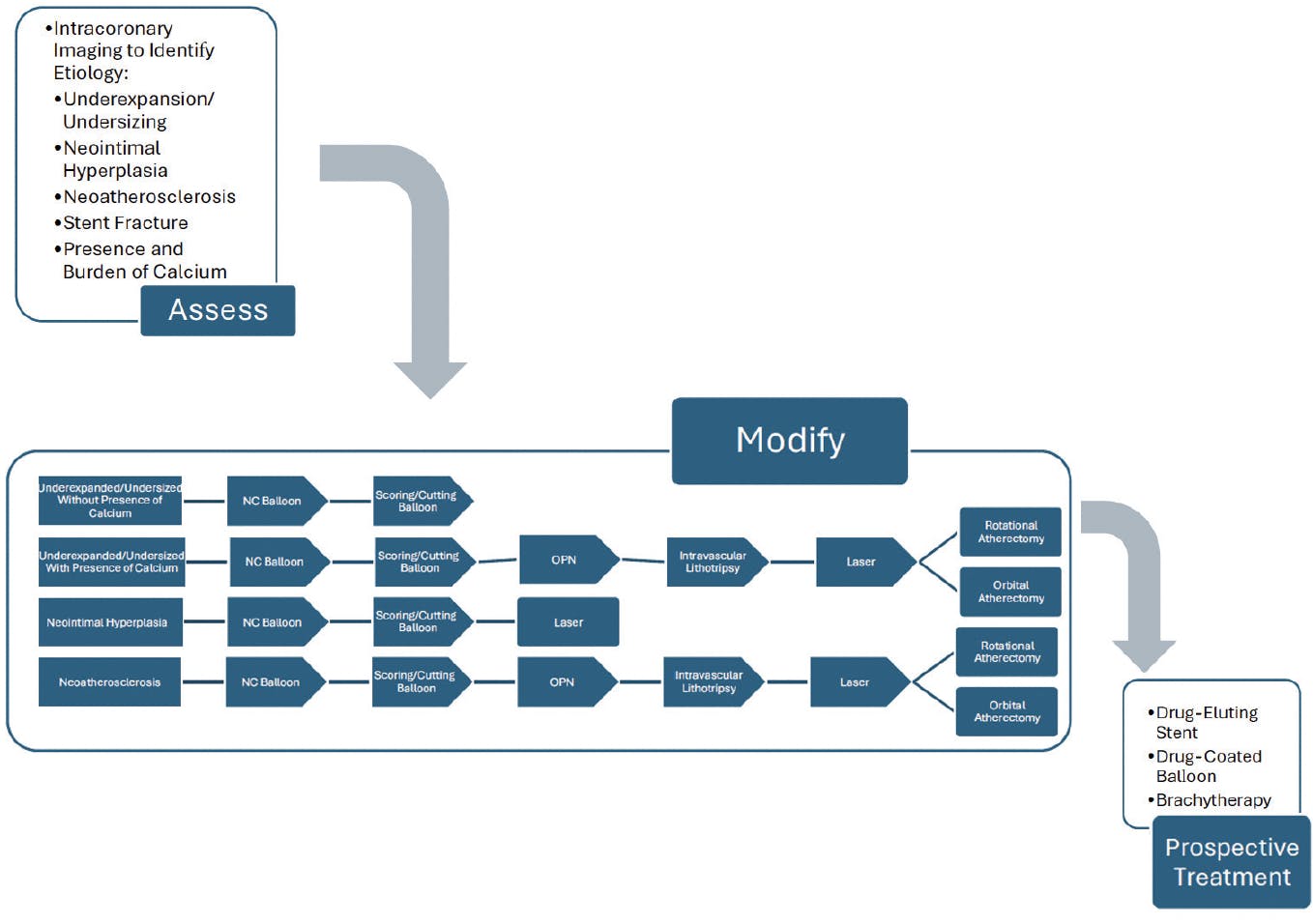
Figure 1. Proposed workflow for assessment, treatment, and prevention of recurrent ISR.
After the ISR lesion has been adequately treated to achieve maximal expansion of > 80% or 90% minimal stent area relative to proximal and distal reference vessel segment, the final step is to apply an antiproliferative therapy aimed at preventing inflammation-driven neointimal proliferation and restenosis. Placement of a DES may be a reasonable treatment strategy, especially in cases of ISR where there is only one prior layer of stent. Additional layers of stent may create an “onion skin” phenomenon that crowds the lumen, reduces the minimal stent area, and makes further intervention for restenosis more difficult. Stenting should also be considered in the event of stent fracture or intrastent dissections with impingement of distal flow. Drug-coated balloons (DCBs) are an attractive ISR antiproliferative treatment option that enable drug delivery to the prepared vessel without leaving another layer of stent. Lastly, intracoronary brachytherapy applies high-dose radiation therapy to the vessel, deterring further neointimal growth.20 DCBs and brachytherapy are not available at all institutions, and referrals to capable centers should be considered.
In addition to local therapy, systemic therapies can be considered as adjuvant therapy. It is essential to optimize risk factors for optimal secondary prevention, such as control of diabetes, hypertension, and hyperlipidemia. Additional therapies that are associated with reduced target lesion ISR (eg, colchicine, cilostazol, PCSK9 inhibitors) can also be considered, although further research is warranted to directly assess their efficacy in ISR treatment optimization.21
CONCLUSION
Treatment of ISR remains a challenge for even the most experienced operators. ISR risk can be mitigated through optimal PCI and aggressive secondary risk factor modification. When treating ISR, it is imperative to use an algorithmic approach that begins with intracoronary imaging to identify the mechanism of ISR and then apply a stepwise escalation of therapies, with the goal of adequately expanding the vessel and diseased stent.
1. Abubakar M, Javed I, Rasool HF, et al. Advancements in percutaneous coronary intervention techniques: a comprehensive literature review of mixed studies and practice guidelines. Cureus. 2023;15:e41311. doi: 10.7759/cureus.41311
2. Moussa ID, Mohananey D, Saucedo J, et al. Trends and outcomes of restenosis after coronary stent implantation in the United States. J Am Coll Cardiol. 2020;76:1521-1531. doi: 10.1016/j.jacc.2020.08.002
3. Palmerini T, Benedetto U, Biondi-Zoccai G, et al. Long-term safety of drug-eluting and bare-metal stents: evidence from a comprehensive network meta-analysis. J Am Coll Cardiol. 2015;65:2496-2507. doi: 10.1016/j.jacc.2015.04.017
4. Alfonso F, Coughlan JJ, Giacoppo D, et al. Management of in-stent restenosis. EuroIntervention. 2022;18:e103-123. doi: 10.4244/EIJ-D-21-01034
5. Redfors B, Généreux P, Witzenbichler B, et al. Percutaneous coronary intervention of lesions with in-stent restenosis: a report from the ADAPT-DES study. Am Heart J. 2018;197:142-149. doi: 10.1016/j.ahj.2017.11.011
6. Palmerini T, Della Riva D, Biondi-Zoccai G, et al. Mortality following nonemergent, uncomplicated target lesion revascularization after percutaneous coronary intervention: an individual patient data pooled analysis of 21 randomized trials and 32,524 patients. JACC Cardiovasc Interv. 2018;11:892-902. doi: 10.1016/j.jcin.2018.01.277
7. Klein LW, Nathan S, Maehara A, et al. SCAI expert consensus statement on management of in-stent restenosis and stent thrombosis. J Soc Cardiovasc Angiogr Interv. 2023;2:100971. doi: 10.1016/j.jscai.2023.100971
8. Prati F, Romagnoli E, Burzotta F, et al. Clinical impact of OCT findings during PCI: the CLI-OPCI II study. JACC Cardiovasc Imaging. 2015;8:1297-1305. doi: 10.1016/j.jcmg.2015.08.013
9. Ahn JM, Kang SJ, Yoon SH, et al. Meta-analysis of outcomes after intravascular ultrasound–guided versus angiography-guided drug-eluting stent implantation in 26,503 patients enrolled in three randomized trials and 14 observational studies. Am J Cardiol. 2014;113:1338-1347. doi: 10.1016/j.amjcard.2013.12.043
10. Stone GW, Christiansen EH, Ali ZA, et al. Intravascular imaging-guided coronary drug-eluting stent implantation: an updated network meta-analysis. Lancet. 2024;403;824-837. doi: 10.1016/S0140-6736(23)02454-6
11. Shlofmitz E, Croce K, Bezerra H, et al. The MLD MAX OCT algorithm: an imaging-based workflow for percutaneous coronary intervention. Catheter Cardiovasc Interv. 2022;100 (suppl 1):S7-S13. doi: 10.1002/ccd.30395
12. Riley RF, Patel MP, Abbott JD, et al. SCAI expert consensus statement on the management of calcified coronary lesions. J Soc Cardiovasc Angiogr Interv. 2024;3:101259. doi: 10.1016/j.jscai.2023.101259
13. Bergmark B, Dallan LAP, Pereira GTR, et al. Decision-making during percutaneous coronary intervention guided by optical coherence tomography: insights from the LightLab initiative. Circ Cardiovasc Interv. 2022;15:872-881. doi: 10.1161/CIRCINTERVENTIONS.122.011851
14. Shlofmitz E, Torguson R, Zhang C, et al. Impact of intravascular ultrasound on Outcomes following Percutaneous coronary intervention for In-stent Restenosis (iOPEN-ISR study). Int J Cardiol. 2021;340:17-21. doi: 10.1016/j.ijcard.2021.08.003
15. Bergmark BA, Golomb M, Kuder JF, et al. ISR vs de novo lesion treatment during oct-guided pci: insights from the LightLab initiative. J Soc Cardiovasc Angiogr Interv. 2023;2:101118. doi: 10.1016/j.jscai.2023.101118
16. Fujimura T, Matsumura M, Witzenbichler B, et al. Stent expansion indexes to predict clinical outcomes: an IVUS substudy from ADAPT-DES. JACC Cardiovasc Interv. 2021;14:1639-1650. doi: 10.1016/j.jcin.2021.05.019
17. Mehran R, Mintz GS, Satler LF, et al. Treatment of in-stent restenosis with excimer laser coronary angioplasty: mechanisms and results compared with PTCA alone. Circulation. 1997;96:2183-2189. doi: 10.1161/01.cir.96.7.2183
18. Karvouni E, Stankovic G, Albiero R, et al. Cutting balloon angioplasty for treatment of calcified coronary lesions. Catheter Cardiovasc Interv. 2001;54:473-481. doi: 10.1002/ccd.1314
19. Tomey MI, Kini AS, Sharma SK. Current status of rotational atherectomy. JACC Cardiovasc Interv. 2014;7:345-353. doi: 10.1016/j.jcin.2013.12.196
20. Stone GW, Ellis SG, O'Shaughnessy CD, et al. Paclitaxel-eluting stents vs vascular brachytherapy for in-stent restenosis within bare-metal stents: the TAXUS V ISR randomized trial. JAMA. 2006;295:1253-1263. doi: 10.1001/jama.295.11.1253
21. Bangalore S, Singh A, Toklu B, et al. Efficacy of cilostazol on platelet reactivity and cardiovascular outcomes in patients undergoing percutaneous coronary intervention: insights from a meta-analysis of randomised trials. Open Heart. 2014;1:e000068. doi: 10.1136/openhrt-2014-000068
Advertisement
Advertisement