Advertisement
Advertisement
September/October 2023
OCT-Guided PCI: Lessons From the ILUMIEN IV: OPTIMAL PCI Trial
A discussion of study design, insights into the results, and the current and future role of OCT-guided stent implantation and optimization.
By Ziad A. Ali, MD, DPhil; Doosup Shin, MD; and Richard A. Shlofmitz, MD
Intravascular imaging has important benefits over angiography during percutaneous coronary interventions (PCI) in (1) determining plaque characteristics and reference vessel size prior to stent implantation and (2) identifying stent underexpansion, malapposition, edge dissection, and residual disease in the reference vessel segments after PCI. Several randomized trials and meta-analyses have shown that intravascular ultrasound (IVUS)–guided PCI can improve clinical outcomes.1-4 Optical coherence tomography (OCT) is a newer intravascular imaging modality with higher resolution compared with IVUS. In the ILUMIEN III: OPTIMIZE PCI trial, OCT-guided PCI was found to be noninferior to IVUS- or angiography-guided PCI with respect to post-PCI minimum stent area (MSA) and was superior to angiography-guided PCI in achieving larger stent expansion in noncomplex coronary lesions, with the least number of untreated procedural complications.5 The ILUMIEN IV: OPTIMAL PCI trial was performed to determine whether these improvements in procedural outcomes could translate into improvements in clinical outcomes, particularly in high-risk patients and lesions most likely to benefit from OCT-guided PCI. This article reviews the study design and results of ILUMIEN IV and its clinical implications.6,7
STUDY DESIGN SUMMARY OF ILUMIEN IV: OPTIMAL PCI
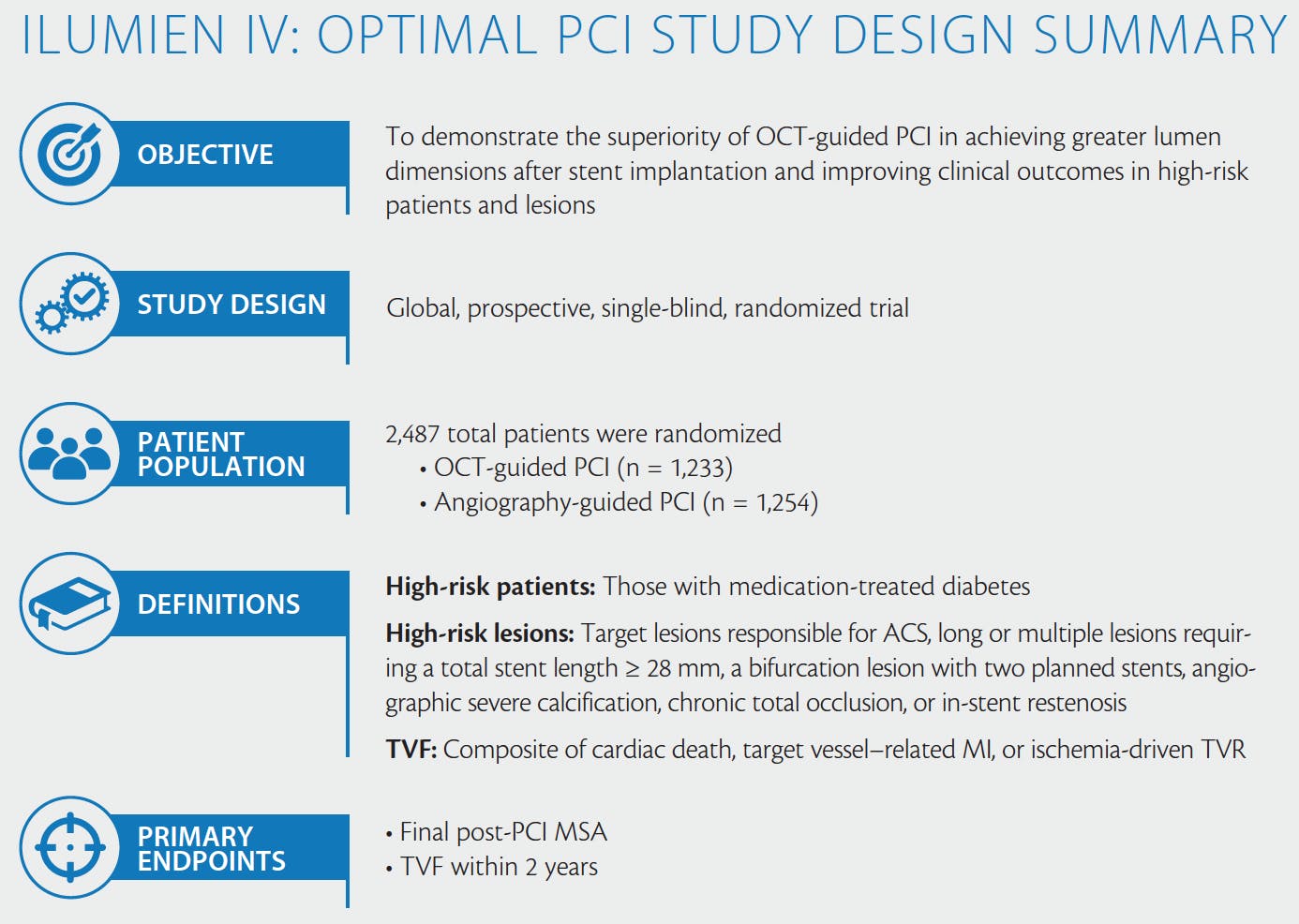
The ILUMIEN IV was a global, prospective, single-blind, randomized trial investigating OCT-guided PCI versus angiography-guided PCI.6,7 The objective of the trial was to demonstrate the superiority of OCT-guided PCI in achieving greater lumen dimensions after stent implantation and improving clinical outcomes in high-risk patients and lesions.6 High-risk patients were defined as those with medication-treated diabetes. High-risk lesions included target lesions responsible for acute coronary syndrome (ACS), long or multiple lesions requiring a total stent length ≥ 28 mm, a bifurcation lesion with two planned stents, angiographic severe calcification, chronic total occlusion, or in-stent restenosis.6 There were two separately powered primary endpoints: The imaging coprimary endpoint was final post-PCI MSA, and the clinical coprimary endpoint was target vessel failure (TVF) within 2 years, defined as the composite of cardiac death, target vessel–related myocardial infarction (MI), or ischemia-driven target vessel revascularization (TVR) (see Sidebar).6
OCT-Guided PCI Protocol in ILUMIEN IV: OPTIMAL PCI
In the OCT-guided arm, patients underwent treatment according to a specific algorithm, similar to the MLD MAX algorithm previously described by us (Figure 1 and Figure 2).8 In pre-PCI OCT imaging, the morphology was assessed to determine lesion preparation; the proximal and distal reference segments were identified, and the stent length was determined by the distance between the two segments. To determine the stent size, the external elastic lamina (EEL)–based mean diameter of the distal reference was rounded down to the nearest available stent size. If the EEL could not be adequately visualized, the mean lumen diameter of the distal reference was rounded up to the next available stent size. After stent implantation, optimization was performed with noncompliant balloons based on the respective reference diameter measurements. Post-PCI OCT imaging was then repeated and, if needed, iterative postdilation was performed in an attempt to achieve acceptable stent expansion with MSA ≥ 90% relative to the closest reference segments. If there was untreated inflow/outflow disease, defined as a minimal lumen area < 4.5 mm2 within 5 mm from the edges of the stent, or a major edge dissection, defined as dissection involving ≥ 60° of the circumference of the vessel and ≥ 3 mm in length, additional stent implantation was performed unless anatomically prohibitive (eg, biological vessel tapering, distal diffuse disease, absence of landing zone). After optimization, final OCT imaging was performed. In the angiography arm, PCI was performed as per standard of care, with a final blinded OCT to capture the imaging endpoints.
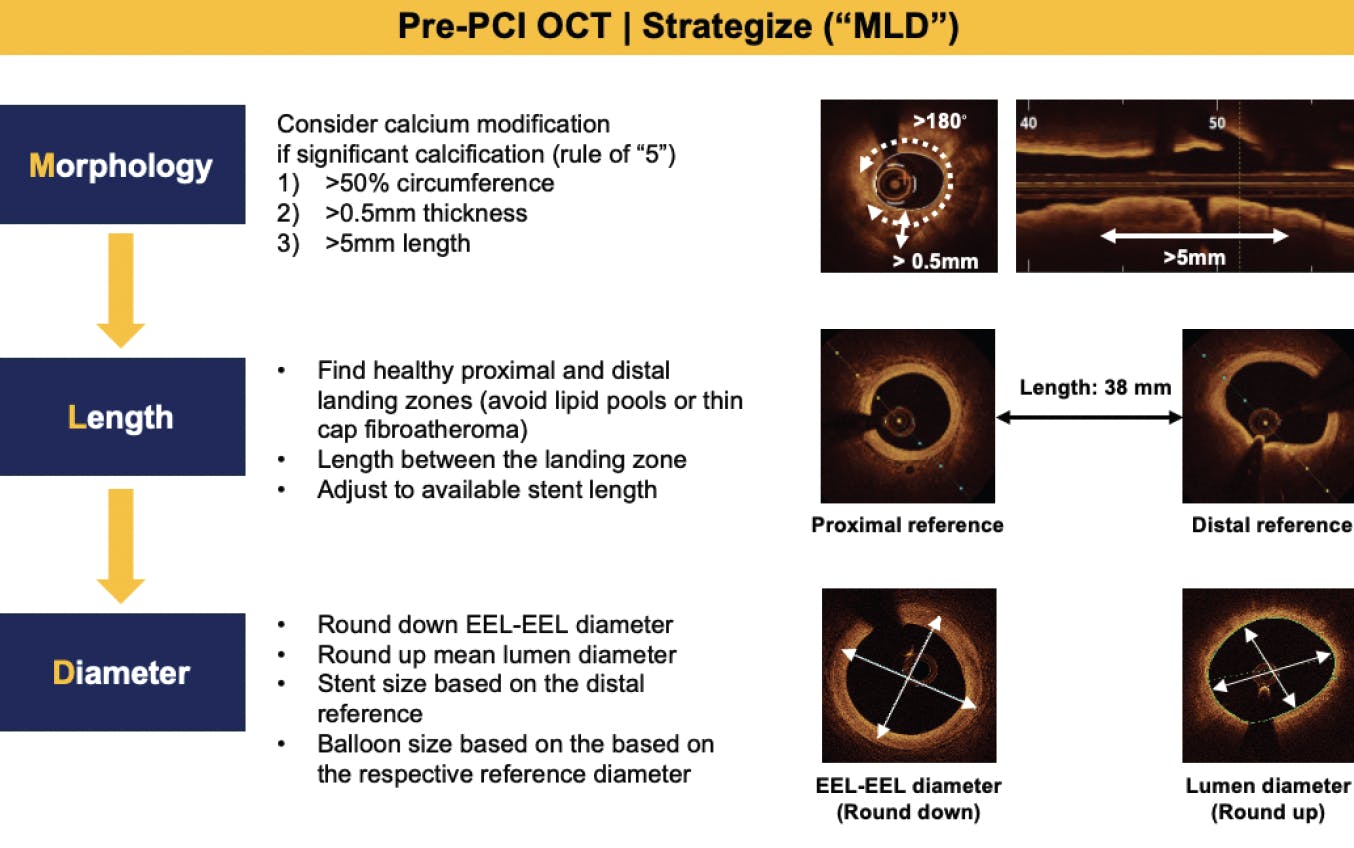
Figure 1. OCT-guided pre-PCI strategy by the MLD-MAX algorithm. Components and examples of pre-PCI strategization of the MLD-MAX algorithm (“MLD”) are presented.
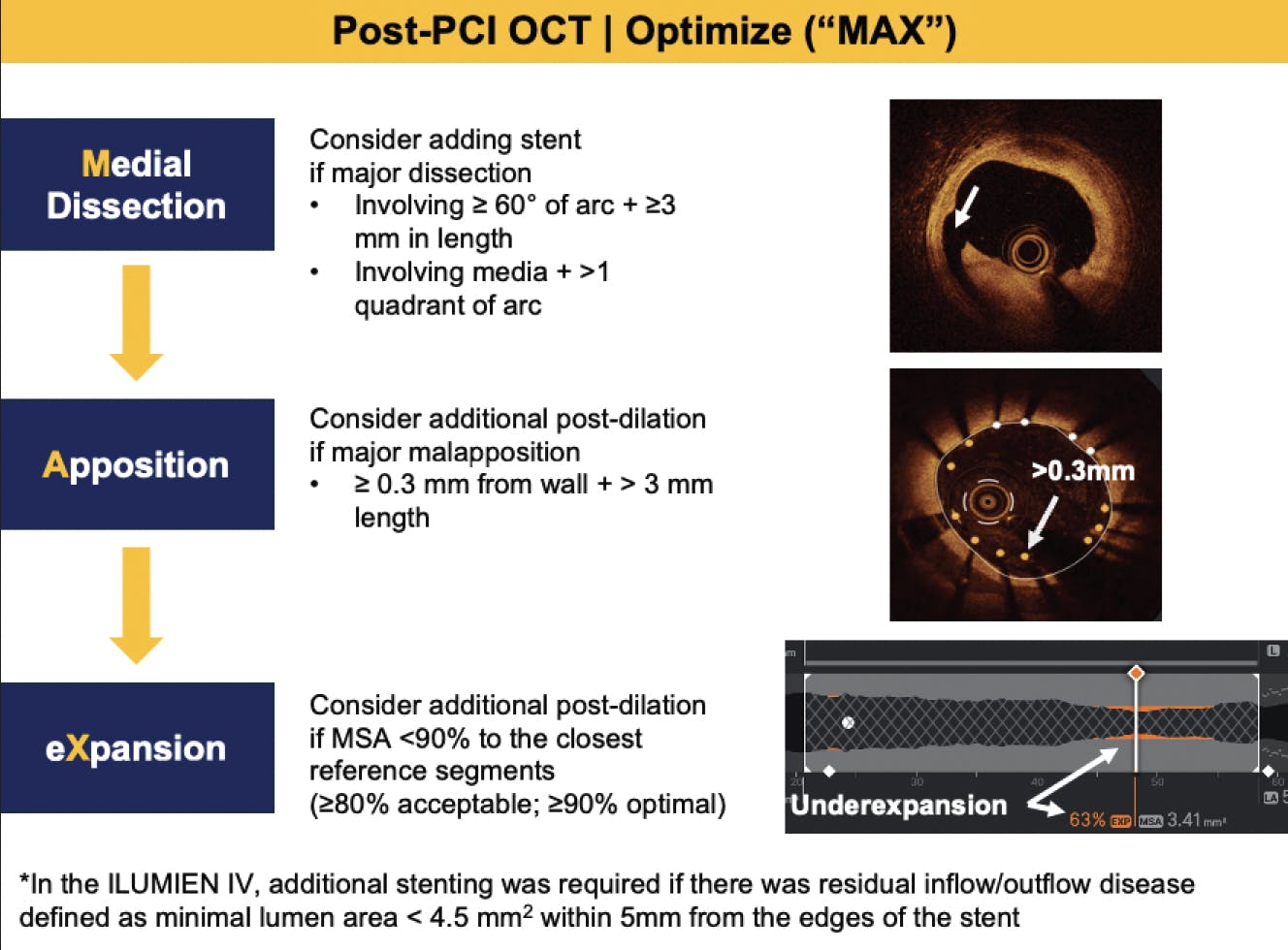
Figure 2. OCT-guided post-PCI optimization by MLD-MAX algorithm. Components and examples of post-PCI optimization of the MLD-MAX algorithm (“MAX”) are presented.
Results of the ILUMIEN IV: OPTIMAL PCI Trial
From May 17, 2018, through December 29, 2020, a total of 2,487 patients were randomly assigned to undergo OCT-guided PCI (n = 1,233) or angiography-guided PCI (n = 1,254) at 80 sites in 18 countries.7 Baseline characteristics were comparable between the two groups, and 40.1% were high-risk patients with medication-treated diabetes. The most common qualifying lesion characteristics were long or multiple lesions requiring a total stent length ≥ 28 mm (67.6%), followed by ACS (29.6%) and angiographic severe calcification (11.5%). Compared with angiographic guidance, OCT guidance led to longer and larger stents, larger maximum balloon size, and more frequent postdilation with higher pressure. Procedure times, fluoroscopy duration, radiation dose, and contrast volume were higher with OCT guidance.
For the imaging primary endpoint, OCT-guided PCI led to a significantly larger final MSA (5.72 ± 2.04 mm2 vs 5.36 ± 1.87 mm2; difference, 0.36 mm2; 95% CI, 0.21-0.51; P < .001). OCT guidance also resulted in a greater stent expansion than angiographic guidance (minimal stent expansion: 80.8% ± 16.8% vs 77.9% ± 16.7%, respectively; difference, 2.9% [95% CI, 1.6%-4.2%]; mean stent expansion: 111.3% ± 16.3% vs 103.0% ± 17.2%; difference, 8.2% [95% CI, 6.9%-9.5%]). OCT-assessed procedural complications were also lower in the OCT-guided arm. Major dissections, malapposition, tissue protrusion, and untreated focal reference segment disease were all lower in the OCT-guided versus the angiographic-guided arm.
The clinical primary endpoint, TVF within 2 years, occurred less in the OCT guidance group than in the angiography guidance group (7.4% vs 8.2%, respectively), but this difference was not statistically significant (hazard ratio [HR], 0.90; 95% CI, 0.67-1.19; P = .25). In terms of individual components of the clinical primary endpoint, cardiac death (0.8% vs 1.3%; HR, 0.57; 95% CI, 0.25-1.29) and target vessel-related MI (2.5% vs 3.3%; HR, 0.77; 95% CI, 0.48-1.22) occurred less in the OCT guidance group, but these differences were not statistically significant. Event rates for ischemia-driven TVR were the same in both groups (5.6% vs 5.6%; HR, 0.99; 95% CI, 0.71-1.40).
Among the safety secondary outcomes, OCT-guided PCI resulted in 64% less definite or probable stent thrombosis than angiography-guided PCI (0.5% vs 1.4%, respectively; HR, 0.36; 95% CI, 0.14-0.91; P = .02). OCT-related complications were very rare in both groups (0.1%-0.2%), and angiographic complications were lower in the OCT-guided arm, driven by a reduction in intraprocedural thrombotic events.
DISCUSSION POINTS
ILUMIEN IV confirmed a number of benefits to OCT-guided PCI compared with angiography-guided PCI. First, OCT-guided PCI led to a greater post-PCI MSA, which has consistently been shown to be one of the strongest stent-related parameters to predict clinical outcomes.5,9-14 In its predecessor, ILUMIEN III, the final median MSA was 5.79 mm2 (IQR, 4.54-7.34 mm2) with OCT guidance and 5.49 mm2 (IQR, 4.39-6.59 mm2) with angiography guidance, but it was not statistically significant due to limited sample size.5 This 0.30-mm2 difference in the final MSA favoring OCT-guided PCI was replicated and confirmed in ILUMIEN IV, where the difference was 0.36 mm2 (95% CI, 0.21-0.51 mm2) and statistically significant (P < .001).7 The improvement in the final MSA was due to more frequent advanced lesion preparation, larger stents, larger maximum balloon size, and more frequent postdilation with higher pressures in the OCT guidance group. Second, OCT-guided PCI significantly improved safety outcomes with fewer acute procedural complications and less stent thrombosis. OCT-guided PCI was associated with a 64% reduction in the risk of definite or probable stent thrombosis compared with angiography-guided PCI—the most devastating stent-specific complication of PCI.15 It is important to note that 96% of patients with stent thrombosis in the ILUMIEN IV died or had an MI within 2 years. This reduction in stent thrombosis and procedural complications can be tied to the reduction in OCT-guided PCI leading to less major edge dissection, major malapposition, major tissue protrusion, and untreated focal reference segment disease compared with angiography-guided PCI, all of which have previously been associated with fewer adverse events.14,16,17
Despite the procedural and safety benefits described previously, the ILUMIEN IV trial was neutral with respect to improvement in the primary clinical endpoint: TVF within 2 years. This result was largely due to equipoise in ischemia-driven TVR between the two groups (5.6% vs 5.6%; HR, 0.99; 95% CI, 0.71-1.39; P = .97). Because the majority of events in the TVF composite come from ischemia-driven TVR, this equipoise drove the neutral findings. The event rates of ischemia-driven TVR, especially after angiography-guided PCI, were much lower than expected considering the high-risk patients and lesions enrolled in the trial. There are two predominant explanations. First, COVID-19 might have impacted the low rates of ischemia-driven TVR. The ILUMIEN IV trial enrolled and followed patients during the COVID-19 pandemic, when many patients had significantly limited access to the health care system or opted not to seek immediate medical attention due to apprehension of contracting the virus. Therefore, those with progressive angina were more likely to be managed medically, which could have potentially biased the findings toward the mean. In fact, among the patients enrolled prior to the COVID-19 pandemic with at least 1 year of follow-up, TVF occurred in 7.2% in the OCT guidance group and 10.1% in the angiography guidance group (HR, 0.70; 95% CI, 0.37-1.32), which was consistent with the original hypothesis of the trial.18 It would be interesting to see whether there is a late catch-up phenomenon with a longer follow-up. Second, some of the high enrollers of the trial routinely use intravascular imaging in their daily practice. Those operators are likely to have lessons learned from their imaging experience applied to angiography-guided PCI even without intravascular imaging guidance.
INTRAVASCULAR IMAGING–GUIDED PCI: WHERE ARE WE NOW?
Recently, several randomized trials have consistently demonstrated the benefits of intravascular imaging–guided PCI over imaging-guided PCI.19,20 ILUMIEN IV is by far the largest and the first global randomized trial comparing intravascular imaging–guided PCI with angiography-guided PCI, and the results should be interpreted in the context of all other trials. The most updated network meta-analysis of 20 randomized trials with 12,428 patients, including ILUMIEN IV, found that intravascular imaging–guided PCI (either IVUS or OCT) was associated with significantly lower risks of almost all clinical outcomes, such as TVF (relative risk [RR], 0.69; 95% CI, 0.40-0.74), cardiac death (RR, 0.54; 95% CI, 0.40-0.74), all-cause death (RR, 0.75; 95% CI, 0.60-0.93), target vessel–related MI (RR, 0.80; 95% CI, 0.66-0.97), any MI (RR, 0.82; 95% CI, 0.69-0.98), stent thrombosis (RR, 0.48; 95% CI, 0.31-0.76), and target lesion revascularization (RR, 0.71; 95% CI, 0.59-0.85).21 Based on the network comparison, outcomes were similar between OCT- and IVUS-guided PCI,21 which was also confirmed in a recent large-scale randomized trial.22
In reality, the overall adoption rate of intravascular imaging remains at < 15% of all PCI procedures in the United States.23 Because evidence supporting the benefits of intravascular imaging–guided PCI has only become more robust, now is the time to consider changing our guidelines and recommending intravascular imaging–guided PCI as class Ia, especially in high-risk patients and lesions. This should be followed by concentrated education and training and sufficient reimbursement, which are critical to overcome two predominant obstacles: fear and finance.24
CONCLUSION
The ILUMIEN IV: OPTIMIZE PCI trial illuminated the beneficial role of OCT-guided stent implantation and optimization, which increased procedural success and safety and reduced stent-related complications. Although there was no apparent difference in TVF within 2 years, the results of the pooled analysis of numerous trials, including ILUMIEN IV, clearly favored intravascular imaging–guided PCI over angiography-guided PCI. With the overwhelming burden of evidence, it would be better late than never to move forward.
1. Hong SJ, Kim BK, Shin DH, et al. Effect of intravascular ultrasound-guided vs angiography-guided everolimus-eluting stent implantation: the IVUS-XPL randomized clinical trial. JAMA. 2015;314:2155-63. doi: 10.1001/jama.2015.15454
2. Zhang J, Gao X, Kan J, et al. Intravascular ultrasound versus angiography-guided drug-eluting stent implantation: the ULTIMATE trial. J Am Coll Cardiol. 2018;72:3126-3137. doi: 10.1016/j.jacc.2018.09.013
3. Gao XF, Wang ZM, Wang F, et al. Intravascular ultrasound guidance reduces cardiac death and coronary revascularization in patients undergoing drug-eluting stent implantation: results from a meta-analysis of 9 randomized trials and 4724 patients. Int J Cardiovasc Imaging. 2019;35:239-247. doi: 10.1007/s10554-019-01555-3
4. Malik AH, Yandrapalli S, Aronow WS, et al. Intravascular ultrasound-guided stent implantation reduces cardiovascular mortality - updated meta-analysis of randomized controlled trials. Int J Cardiol. 2020;299:100-105. doi: 10.1016/j.ijcard.2019.07.033
5. Ali ZA, Maehara A, Généreux P, et al. Optical coherence tomography compared with intravascular ultrasound and with angiography to guide coronary stent implantation (ILUMIEN III: OPTIMIZE PCI): a randomised controlled trial. Lancet. 2016;388:2618-2628. doi: 10.1016/s0140-6736(16)31922-5
6. Ali Z, Landmesser U, Karimi Galougahi K, et al. Optical coherence tomography-guided coronary stent implantation compared to angiography: a multicentre randomised trial in PCI - design and rationale of ILUMIEN IV: OPTIMAL PCI. EuroIntervention. 2021;16:1092-1099. doi: 10.4244/eij-d-20-00501
7. Ali ZA, Landmesser U, Maehara A, et al. Optical coherence tomography-guided versus angiography-guided PCI. N Engl J Med. Published online August 27, 2023. doi: 10.1056/NEJMoa2305861
8. Shlofmitz E, Croce K, Bezerra H, et al. The MLD MAX OCT algorithm: an imaging-based workflow for percutaneous coronary intervention. Catheter Cardiovasc Interv. 2022;100 suppl 1:S7-S13. doi: 10.1002/ccd.30395
9. Choi SY, Witzenbichler B, Maehara A, et al. Intravascular ultrasound findings of early stent thrombosis after primary percutaneous intervention in acute myocardial infarction: a Harmonizing Outcomes with Revascularization and Stents in Acute Myocardial Infarction (HORIZONS-AMI) substudy. Circ Cardiovasc Interv. 2011;4:239-247. doi: 10.1161/circinterventions.110.959791
10. Doi H, Maehara A, Mintz GS, et al. Impact of post-intervention minimal stent area on 9-month follow-up patency of paclitaxel-eluting stents: an integrated intravascular ultrasound analysis from the TAXUS IV, V, and VI and TAXUS ATLAS Workhorse, Long Lesion, and Direct Stent Trials. JACC Cardiovasc Interv. 2009;2:1269-1275. doi: 10.1016/j.jcin.2009.10.005
11. Fujii K, Carlier SG, Mintz GS, et al. Stent underexpansion and residual reference segment stenosis are related to stent thrombosis after sirolimus-eluting stent implantation: an intravascular ultrasound study. J Am Coll Cardiol. 2005;45:995-998. doi: 10.1016/j.jacc.2004.12.066
12. Kang SJ, Ahn JM, Song H, et al. Comprehensive intravascular ultrasound assessment of stent area and its impact on restenosis and adverse cardiac events in 403 patients with unprotected left main disease. Circ Cardiovasc Interv. 2011;4:562-569. doi: 10.1161/circinterventions.111.964643
13. Liu X, Doi H, Maehara A, et al. A volumetric intravascular ultrasound comparison of early drug-eluting stent thrombosis versus restenosis. JACC Cardiovasc Interv. 2009;2:428-434. doi: 10.1016/j.jcin.2009.01.011
14. Prati F, Romagnoli E, Burzotta F, et al. Clinical impact of OCT findings during PCI: the CLI-OPCI II study. JACC Cardiovasc Imaging. 2015;8:1297-1305. doi: 10.1016/j.jcmg.2015.08.013
15. Ishihara T, Okada K, Kida H, et al. Long-term outcomes and clinical predictors of mortality following occurrence of stent thrombosis. J Am Heart Assoc. 2022;11:e023276. doi: 10.1161/jaha.121.023276
16. Adriaenssens T, Joner M, Godschalk TC, et al. Optical coherence tomography findings in patients with coronary stent thrombosis: a report of the PRESTIGE Consortium (Prevention of Late Stent Thrombosis by an Interdisciplinary Global European Effort). Circulation. 2017;136:1007-1021. doi: 10.1161/circulationaha.117.026788
17. Soeda T, Uemura S, Park SJ, et al. Incidence and clinical significance of poststent optical coherence tomography findings: one-year follow-up study from a multicenter registry. Circulation. 2015;132:1020-1029. doi: 10.1161/circulationaha.114.014704
18. Ali Z. ILUMIEN IV: OCT versus angiography. Presented at: ESC 2023; August 27, 2023; Amsterdam, the Netherlands.
19. Lee JM, Choi KH, Song YB, et al. Intravascular imaging-guided or angiography-guided complex PCI. N Engl J Med. 2023;388:1668-1679. doi: 10.1056/NEJMoa2216607
20. Holm NR, Andreasen LN, Neghabat O, et al. OCT or angiography guidance for PCI in complex bifurcation lesions. N Engl J Med. 2023. doi: 10.1056/NEJMoa2307770
21. Stone GW. OCT vs. IVUS vs. angiography guidance: a real-time updated network meta-analysis. Presented at: ESC 2023; August 27, 2023; Amsterdam, the Netherlands.
22. Kang DY, Ahn JM, Yun SC, et al. Optical coherence tomography-guided or intravascular ultrasound guided percutaneous coronary intervention: the OCTIVUS randomized clinical trial. Circulation. Published online August 27, 2023. doi: 10.1161/circulationaha.123.066429
23. Truesdell AG, Alasnag MA, Kaul P, et al. Intravascular imaging during percutaneous coronary intervention: JACC state-of-the-art review. J Am Coll Cardiol. 2023;81:590-605. doi: 10.1016/j.jacc.2022.11.045
24. Ali ZA, Shin D. Intravascular imaging: a glass half empty or half full? Eur Heart J. 2023. doi: 10.1093/eurheartj/ehad573
Advertisement
Advertisement