Advertisement
Advertisement
May/June 2023
Aortic Stenosis Lifetime Management
Current guidelines support a multidisciplinary heart valve team approach.
Aortic stenosis (AS) is the most common valvular heart disease (VHD) in developed countries.1 With aging, calcific aortic stenosis (CAS) becomes more prevalent. According to projections, AS prevalence in Western countries will increase significantly as the elderly population grows.2 The risk factors for CAS are similar to those of coronary artery disease (CAD): hypertension, diabetes, hyperlipidemia, and obesity.3 Once the disease starts, it will progress gradually from mild to severe stenosis. However, it is important to note that the rate of progression and duration of the asymptomatic stage vary from patient to patient.4 There is no medical therapy that slows progression of the disease. In contrast to CAD, statins have failed to demonstrate any benefit in slowing AS progression in clinical trials.1 Although survival for asymptomatic patients with severe AS is nearly comparable to that of age- and sex-matched patients without AS, symptomatic AS is associated with high mortality and morbidity.4 A timely diagnosis and intervention are critical for alleviating symptoms and extending life expectancy for symptomatic severe AS.
CURRENT ACC/AHA GUIDELINE RECOMMENDATIONS FOR MANAGEMENT OF AS
The 2020 American College of Cardiology/American Heart Association guideline for the management of patients with VHD recommends a multidisciplinary heart valve team approach for all severe VHD prior to any consideration for intervention (class of recommendation [COR] 1).5 It is reasonable to consult or refer asymptomatic patients with severe VHD or patients with multiple comorbidities to a comprehensive heart valve center (COR 2a).
In severe AS, aortic valve replacement (AVR) is recommended if the patient develops dyspnea with exertion, angina, heart failure, presyncope, or syncope (COR 1). AVR is also indicated in asymptomatic severe AS, if the left ventricular ejection fraction is < 50% or the patient is undergoing cardiac surgery for another reason (COR 1). In addition, exercise testing is reasonable for asymptomatic patients to assess physiologic changes during exercise and observe the absence or presence of symptoms (COR 2a). In asymptomatic severe AS and low surgical risk, AVR is reasonable (COR 2a) in patients with (1) very severe AS (aortic peak velocity > 5 m/s), (2) serum B-type natriuretic peptide (BNP) level > 3 times normal, or (3) exercise intolerance or decrease in systolic blood pressure of ≥ 10 mm Hg at peak exercise (Figure 1).
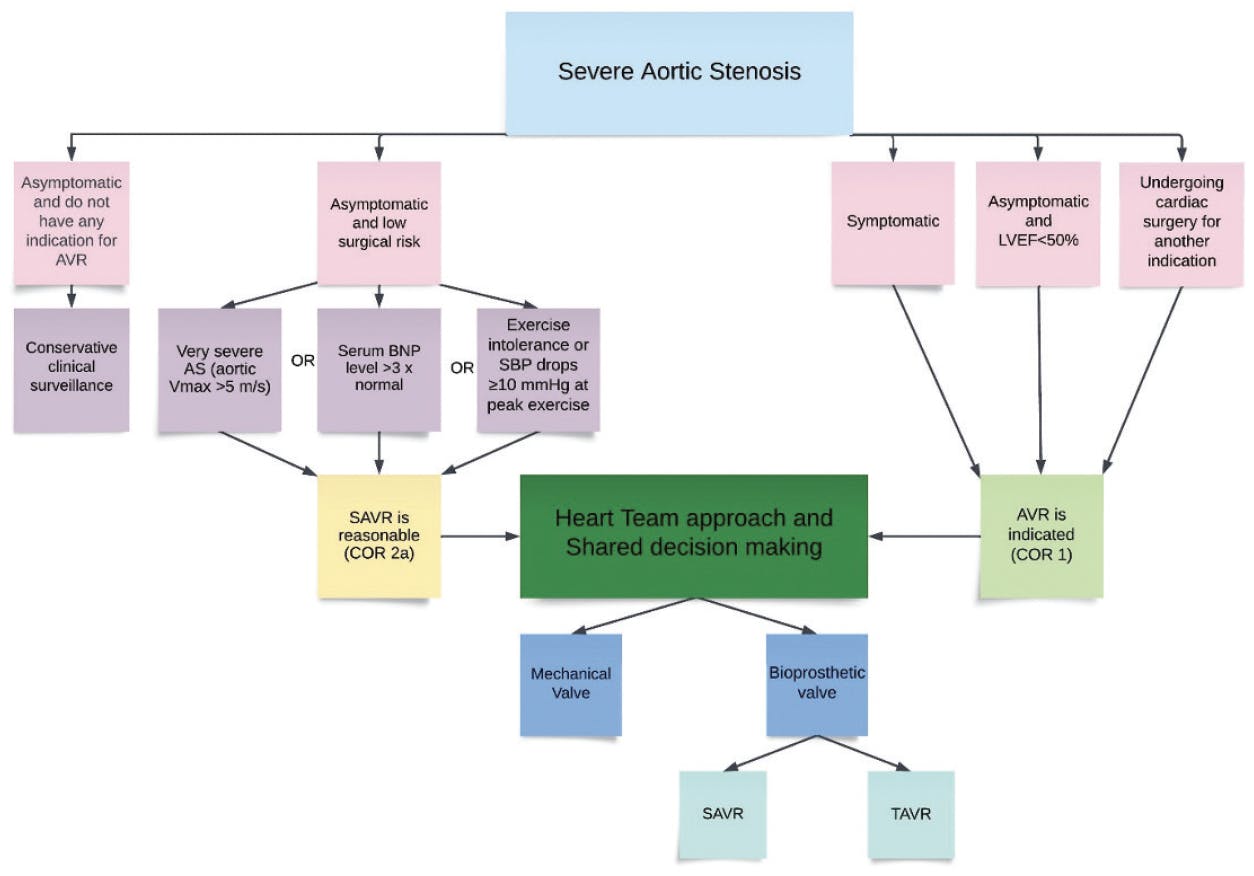
Figure 1. Simplified approach for management of patients with severe AS. LVEF, left ventricular ejection fraction; SBP, systolic blood pressure.
There is investigation into early intervention for patients with asymptomatic, very severe aortic stenosis who do not meet the above criteria.6 Kang et al randomized 145 patients with asymptomatic very severe AS to early surgical aortic valve replacement (SAVR) versus conservative management in the RECOVERY trial and found that patients who underwent SAVR prior to the arrival of symptoms had lower rates of cardiovascular death versus those who continued watchful waiting over 4 and 8 years of follow-up.6 The EARLY TAVR trial, which has completed enrollment, seeks to determine if there is benefit to performing transcatheter aortic valve replacement (TAVR) in asymptomatic patients with severe AS and no other indications for intervention versus watchful waiting (NCT03042104). Results are expected in the near future.
In patients undergoing AVR, the choice of a mechanical versus bioprosthetic valve should be based on a shared decision-making process that addresses patient preferences, indications, and risks for anticoagulant therapy, as well as the possibility of future valve interventions (COR 1). It is reasonable (COR 2a) to choose mechanical valves in patients who are younger than 50 years of age and bioprosthetic valves in patients who are older than 65 years of age and to individualize decisions in patients between 50 and 65 years of age without contraindications for anticoagulation.
In patients who are considered suitable candidates for bioprosthetic valves, the next important decision is whether to undergo SAVR or TAVR. Although age and life expectancy are main factors in decision-making, patient-specific factors such as patient preference, estimated procedural risk, comorbidities, frailty, and anatomy should also be considered.7 In the following patients, SAVR is recommended (COR 1): (1) age < 65 years old or life expectancy > 20 years, (2) if valve or vascular anatomy is not appropriate for transfemoral TAVR or asymptomatic patients with severe AS who are qualified for AVR based on very severe AS, abnormal exercise test, or elevated BNP.
TAVR is recommended in symptomatic patients with severe AS and no anatomic contraindication for transfemoral TAVR aged > 80 years or with a life expectancy of < 10 years. In patients with severe AS and no anatomic contraindication for transfemoral TAVR and aged 65 to 80 years old, shared decision-making is recommended to choose between SAVR or TAVR. TAVR is recommended in patients with high surgical risk or prohibitive surgical risk if they are predicted to survive more than 12 months after the procedure with an acceptable quality of life. Otherwise, palliative care is recommended after shared decision-making.
Other factors that may influence the decision to proceed with SAVR versus TAVR include concomitant thoracic aortic aneurysm, multivessel CAD, multivalvular disease, unfavorable vascular access, low coronary heights, severe annular or left ventricular outflow tract calcification, and unfavorable bicuspid anatomy with severe leaflet and raphe calcification.
TAVR DURABILITY AND OUTCOME
Although TAVR was initially approved only for patients with high or prohibitive surgical risk, based on the favorable results from recent clinical trials,8-10 it is now being considered in patients across all surgical risk levels, including younger and lower-surgical-risk patients,11 and is now more frequently used than SAVR.12 Because younger patients are more likely to live longer and eventually experience structural valve deterioration (SVD),13 it is imperative to consider the durability of bioprosthetic valves in patients undergoing TAVR. Makkar et al published the outcome of 2,023 patients with severe, symptomatic AS and intermediate surgical risk who were randomized to TAVR versus SAVR in the PARTNER II cohort A trial.14 There was no difference in valve hemodynamics or incidence of the primary endpoint, including all-cause mortality or disabling stroke, between SAVR and TAVR patients. However, the TAVR group had a higher incidence of mild to severe paravalvular aortic regurgitation (33.3% vs 6.3%), repeat hospitalizations (33.3% vs 25.2%), and reinterventions (3.2% vs 0.8%). The reason for reinterventions in the TAVR group was most often aortic regurgitation (11 out of 21 cases) or progressive stenosis (10 out of 21 cases). Jørgensen et al investigated the 8-year outcomes in 280 patients with severe, symptomatic AS and low surgical risk who were randomized to TAVR versus SAVR in the NOTION trial.15 There were no significant differences in the estimated risk of composite outcomes, including all-cause mortality, stroke, or myocardial infarction between the two groups. The rate of bioprosthetic valve failure was similar between TAVR and SAVR patients (8.7% vs 10.5%; P = .61); however, the rate of SVD was lower among TAVR patients (13.9% vs 28.3%; P = .0017).
In a recent study, Forrest et al reported the 3-year outcomes of 1,414 patients with severe AS who were enrolled in the Evolut Low Risk trial and randomized to TAVR or SAVR.16 The primary endpoint (all-cause mortality or disabling stroke) was 7.4% in the TAVR group and 10.4% in the SAVR group (hazard ratio, 0.70; log-rank P = .051). Higher rates of mild paravalvular leak (PVL) and pacemaker implantation were seen among TAVR patients. The incidence of moderate and severe PVL was similar between the two groups. Patients in the TAVR group showed better valve hemodynamics, including lower bioprosthetic aortic valve mean gradients and larger effective orifice areas. The incidence of moderate or severe prosthesis-patient mismatch (PPM) was significantly lower in the TAVR group compared with the SAVR group (10.6% vs 25.1%). These data suggest that self-expanding TAVR valves may have at least similar durability compared with surgically implanted bioprosthetic valves. Further follow-up data will help to answer this question in the future for both balloon-expandable valves (BEVs) and self-expanding valves (SEVs).
VALVE REINTERVENTION AFTER TAVR
With TAVR indications expanding to include patients with lower surgical risk, a growing number of patients may eventually need valve reintervention. The most common reasons for valve reintervention are endocarditis, SVD, valve thrombosis, PPM, and hemodynamically significant PVL.11 The available options are transcatheter aortic valve (TAV)-in-TAV or TAVR explanation with redo SAVR, although we do not have long-term outcomes comparing these strategies.17,18
Landes et al investigated the outcomes of TAV-in-TAV in patients who were enrolled in the multicenter, international Redo-TAVR registry.19 Study participants included 212 TAV-in-TAV patients with 74 presenting early (within 1 year after initial TAVR) and 138 presenting late (≥ 1 year after initial TAVR). Comparing early and late presenting groups, 30-day and 1-year mortality rates were not significantly different: 5.4% versus 1.5% (P = .427) and 16.4% versus 11.7% (P = .34), respectively. The risk of periprocedural complications after TAV-in-TAV was low: new permanent pacemaker placement (9.6%), valve malposition (3.3%), stroke (1.4%), coronary obstruction (0.9%), and no death. Also, Landes et al investigated TAV-in-TAV outcomes stratified by the type of TAV (BEV and SEV).20 TAV type was not associated with procedural safety or mortality. TAV-in-TAV with SEV was associated with lower residual gradient.
A concern associated with TAV-in-TAV is the possibility of coronary obstruction.21 In all cases of TAV-in-TAV, cardiac CT should be performed to assess the risk of coronary obstruction. The risk of coronary obstruction after TAV-in-TAV depends on the design and implantation depth of the index TAV, commissural alignment, and expansion of the indexed TAV.11 There are few options to mitigate the risk of coronary obstruction in high-risk patients: surgical extraction of TAVR plus performing SAVR, surgical removal of the failed TAVR leaflets and performing TAV under direct visualization, snorkel/chimney coronary stenting, and, finally, leaflet modification of the failed TAVR such as BASILICA (bioprosthetic or native aortic scallop intentional laceration to prevent coronary artery obstruction) or emerging devices (ShortCut, Pi-Cardia Ltd.).11,22
In addition to patients who are at higher risk for coronary obstruction, there are other circumstances where the failed valve requires extraction and surgical replacement, including endocarditis, severe PPM, or moderate-to-severe PVL, which cannot be managed percutaneously.17 Bapat et al investigated the outcome of surgical explanation of failed TAVR in 269 patients from the EXPLANT-TAVR registry.17 Mortality rates in the hospital, at 30 days, and at 1 year were 11.9%, 13.1%, and 28.5%, respectively. According to Percy et al, the 30-day mortality was higher in the surgical explanation group than in the TAV-in-TAV group (12.3% vs 6.2%; P = .05), but the 1-year mortality was similar (20.8% vs 21.0%; P = 1.00).18 Durability and reintervention after TAVR remain areas of active investigation, and future advances in technology may influence the choice of SAVR or TAVR in younger patients.
FUTURE DIRECTIONS
Despite the high prevalence of calcific AS, currently there is no medical treatment to reverse or slow the pathologic process. AS develops through an active mechanism rather than passive degeneration and calcification.1 As we gain a greater understanding of the pathophysiology of AS, there may be opportunities to develop pharmacotherapies that target the disease pathways to slow down the process of valve damage or even reverse it. Regarding the progression of AS, patients with moderate AS would seem to have a higher risk for adverse cardiovascular events than those with mild disease. However, current guidelines indicate that these patients should be actively monitored without surgical or transcatheter intervention until they develop severe, symptomatic AS.5 These recommendations were likely developed when the risk-benefit ratio was determined for SAVR versus watchful waiting. There are currently multiple clinical trials evaluating early percutaneous valve intervention versus clinical surveillance in patients with moderate AS. The PROGRESS trial (NCT04889872) and EXPAND TAVR II trial (NCT05149755) are currently enrolling patients with moderate AS and measuring the primary outcomes of death, stroke, or unplanned cardiovascular hospitalization among others over 2 years of follow-up. Thus, in the future, we may find opportunities to manage AS earlier in its course and prevent further morbidity and mortality.
1. Zheng KH, Tzolos E, Dweck MR. Pathophysiology of aortic stenosis and future perspectives for medical therapy. Cardiol Clin. 2020;38:1-12. doi: 10.1016/j.ccl.2019.09.010
2. Tsao CW, Aday AW, Almarzooq ZI, et al. Heart disease and stroke statistics-2023 update: a report from the American Heart Association. Circulation. 2023;147:e93-e621. doi: 10.1161/CIR.0000000000001123
3. Shah SM, Shah J, Lakey SM, et al. Pathophysiology, emerging techniques for the assessment and novel treatment of aortic stenosis. Open Heart. 2023;10:e002244. doi: 10.1136/openhrt-2022-002244
4. Kanwar A, Thaden JJ, Nkomo VT. Management of patients with aortic valve stenosis. Mayo Clin Proc. 2018;93:488-508. doi: 10.1016/j.mayocp.2018.01.020
5. Otto CM, Nishimura RA, Bonow RO, et al. 2020 ACC/AHA guideline for the management of patients with valvular heart disease: a report of the American College of Cardiology/American Heart Association Joint Committee on Clinical Practice Guidelines. Circulation. 2021;143:e72-e227. doi: 10.1161/CIR.0000000000000923
6. Kang DH, Park SJ, Lee SA, et al. Early surgery or conservative care for asymptomatic aortic stenosis. N Engl J Med. 2020;382:111-119. doi: 10.1056/NEJMoa1912846
7. Khanji MY, Ricci F, Galusko V, et al. Management of aortic stenosis: a systematic review of clinical practice guidelines and recommendations. Eur Heart J Qual Care Clin Outcomes. 2021;7:340-353. doi: 10.1093/ehjqcco/qcab016
8. Popma JJ, Deeb GM, Yakubov SJ, et al. Transcatheter aortic-valve replacement with a self-expanding valve in low-risk patients. N Engl J Med. 2019;380:1706-1715. doi: 10.1056/NEJMoa1816885
9. Mack MJ, Leon MB, Thourani VH, et al. Transcatheter aortic-valve replacement with a balloon-expandable valve in low-risk patients. N Engl J Med. 2019;380:1695-1705. doi: 10.1056/NEJMoa1814052
10. Reardon MJ, Van Mieghem NM, Popma JJ, et al. Surgical or transcatheter aortic-valve replacement in intermediate-risk patients. N Engl J Med. 2017;376:1321-1331. doi: 10.1056/NEJMoa1700456
11. Tarantini G, Sathananthan J, Fabris T, et al. Transcatheter aortic valve replacement in failed transcatheter bioprosthetic valves. JACC Cardiovasc Interv. 2022;15:1777-1793. doi: 10.1016/j.jcin.2022.07.035
12. Carroll JD, Mack MJ, Vemulapalli S, et al. STS-ACC TVT registry of transcatheter aortic valve replacement. J Am Coll Cardiol. 2020;76:2492-2516. doi: 10.1016/j.jacc.2020.09.595
13. Dvir D, Bourguignon T, Otto CM, et al. Standardized definition of structural valve degeneration for surgical and transcatheter bioprosthetic aortic valves. Circulation. 2018;137:388-399. doi: 10.1161/CIRCULATIONAHA.117.030729
14. Makkar RR, Thourani VH, Mack MJ, et al. Five-year outcomes of transcatheter or surgical aortic-valve replacement. N Engl J Med. 2020;382:799-809. doi: 10.1056/NEJMoa1910555
15. Jørgensen TH, Thyregod HGH, Ihlemann N, et al. Eight-year outcomes for patients with aortic valve stenosis at low surgical risk randomized to transcatheter vs. surgical aortic valve replacement. Eur Heart J. 2021;42:2912-2919. doi: 10.1093/eurheartj/ehab375
16. Forrest JK, Deeb GM, Yakubov SJ, et al. 3-year outcomes after transcatheter or surgical aortic valve replacement in low-risk patients with aortic stenosis. J Am Coll Cardiol. 2023;81:1663-1674. doi: 10.1016/j.jacc.2023.02.017
17. Bapat VN, Zaid S, Fukuhara S, et al. Surgical explantation after TAVR failure: mid-term outcomes from the EXPLANT-TAVR international registry. JACC Cardiovasc Interv. 2021;14:1978-1991. doi: 10.1016/j.jcin.2021.07.015
18. Percy ED, Harloff MT, Hirji S, et al. Nationally representative repeat transcatheter aortic valve replacement outcomes: report from the Centers for Medicare and Medicaid Services. JACC Cardiovasc Interv. 2021;14:1717-1726. doi: 10.1016/j.jcin.2021.06.011
19. Landes U, Webb JG, De Backer O, et al. Repeat transcatheter aortic valve replacement for transcatheter prosthesis dysfunction. J Am Coll Cardiol. 2020;75:1882-1893. doi: 10.1016/j.jacc.2020.02.051
20. Landes U, Richter I, Danenberg H, et al. Outcomes of redo transcatheter aortic valve replacement according to the initial and subsequent valve type. JACC Cardiovasc Interv. 2022;15:1543-1554. doi: 10.1016/j.jcin.2022.05.016
21. Forrestal BJ, Case BC, Yerasi C, et al. Risk of coronary obstruction and feasibility of coronary access after repeat transcatheter aortic valve replacement with the self-expanding Evolut valve: a computed tomography simulation study. Circ Cardiovasc Interv. 2020;13:e009496. doi: 10.1161/CIRCINTERVENTIONS.120.009496
22. Dvir D, Leon MB, Abdel-Wahab M, et al. First-in-human dedicated leaflet splitting device for prevention of coronary obstruction in transcatheter aortic valve replacement. JACC Cardiovasc Interv. 2023;16:94-102. doi: 10.1016/j.jcin.2022.10.050
Advertisement
Advertisement