Advertisement
Advertisement
2023 Digital Exclusive No. 1
Pregnancy in the Cath Lab: Myths, Safety, and Evidence
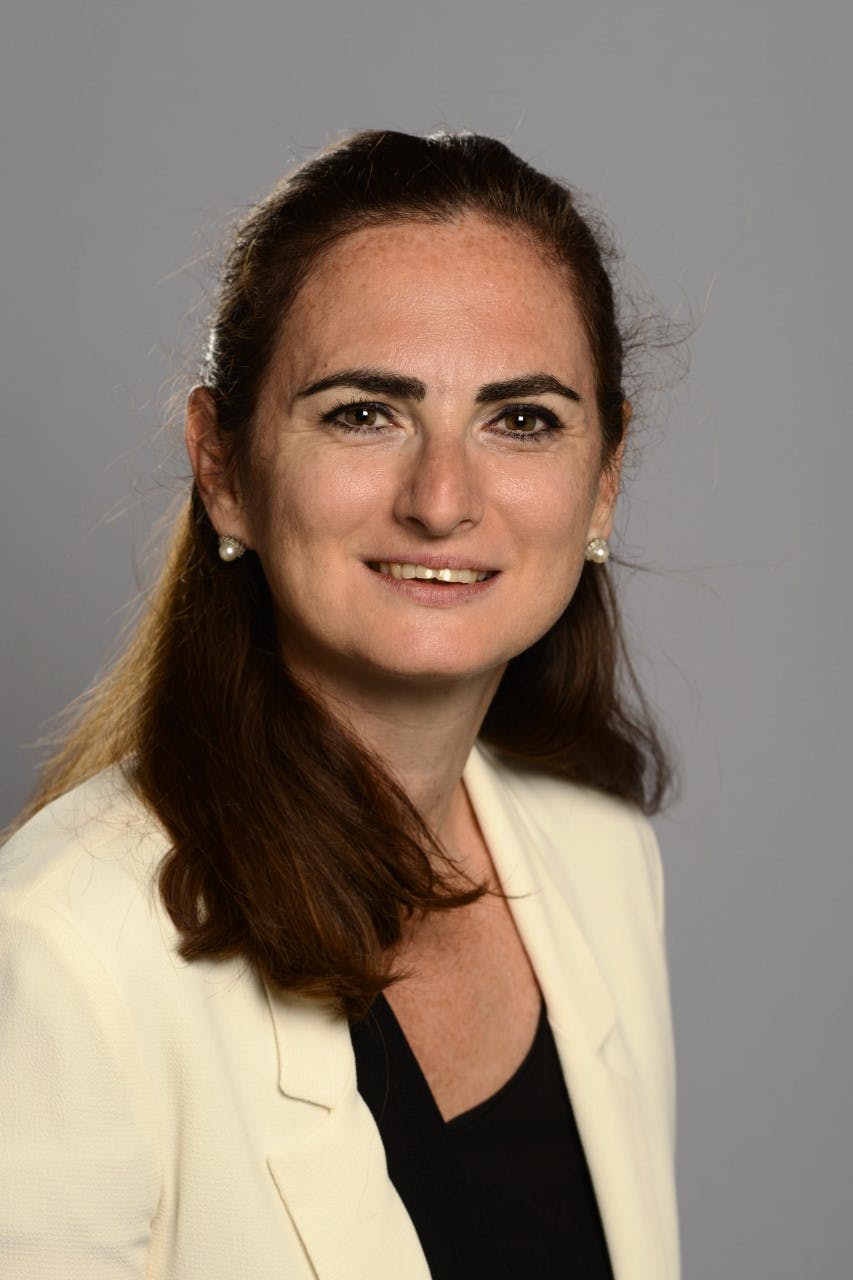
Drs. Stéphane Manzo-Silberman and Sheila Sahni explore the misconceptions around radiation exposure for women and offer tools available to help dispel those prejudices.

It is noted in the Women as One radiation safety project that radiation exposure is more of a deterrent to women considering interventional cardiology than men. What are the common misconceptions about radiation exposure generally—and specifically, its impact on reproductive health—and what are the real risks? What is needed to improve the misconception that a career in interventional cardiology is unsafe for women?
Dr. Sahni: The most common misconception about radiation exposure and reproductive health is the idea that a pregnant interventionalist will increase her risk of fetal abnormalities through radiation exposure during gestation. As a result of this misconception, which permeates through internal medicine, general cardiology, interventional cardiology, nurses, technicians, and even administrators, women physicians are often advised to “avoid” the radiation exposure all together during gestation.
The truth is that there is no statistically significant evidence of an increased risk of fetal malformation or cancer in offspring of female radiation workers. The fetal risk at the radiation dose equivalent limit set forth by the Nuclear Regulatory Commission (NRC) in the United States has shown no difference in outcomes in live birth compared with background radiation in the environment. Thus, exposure to radiation for the fetus from a pregnant worker utilizing well-established radiation reduction measures (ie, full coverage lead apron, fetal badge monitoring) in the cath lab is negligible. Contemporary data from female radiation workers, including electrophysiologists, revealed that maximum fetal doses in these workers did not even come close to the regulatory fetal dose limit.1 Despite these known data, this information is not well distributed and education on radiation safety is not uniform and standardized.
The Women as One Radiation Safety Digital Webinar is an educational tool that functions to bridge this gap in knowledge. It is meant not only to standardize radiation safety knowledge and protective measures but also as a supportive document for women to advocate for themselves should they receive discrimination while pregnant in the cath lab. This digital platform has been one successful method toward affecting a positive change in helping women feel more comfortable pursuing a career in interventional cardiology during their reproductive years.
Dr. Manzo-Silberman: Indeed, exposure to x-rays is a deterrent for women to choose a career in interventional cardiology due to the possibility of pregnancy; this has been reported in several surveys. The dangerousness linked to radiation is real but is directly linked to the doses received. However, current data show that at the doses received during conventional interventional activity are > 100 times below the thresholds at which complications have been described. Moreover, the risk of exposure is not exclusive to women, there is also an impact on the reproductive health of exposed men.2 To dispel the misconception that a career in interventional cardiology is dangerous for women, it is important to train and inform: What are the real risks? At what doses do they appear? How to work safely, as male or female? How to be well monitored and know “its doses.”
In your opinion, what is a crucial first step a cath lab could take to improve radiation safety for women?
Dr. Manzo-Silberman: Take an interest in radiation protection! By being involved in this aspect of our practice, we improve patient safety by optimizing image acquisition protocols, x-ray equipment, and dose monitoring, therefore reducing patient dose levels. But also, we limit the level of exposure of the entire medical and paramedical staff, men and women alike. The implementation of regular monitoring of radiation dose is essential. We should all know what we are doing to improve it!
Dr. Sahni: The most crucial first step is to understand that radiation safety measures apply to everyone working in the cath lab, not just women. As women interventionalists, we have an invested interest in advocating for radiation reduction measures given that we have the potential to expose a fetus, which makes us hypervigilant regarding radiation reduction measures. However, reducing radiation exposure to protect reproductive health applies to both men and women. This is an important first step so that all personnel operating in the cath lab can understand that this endeavor is universal and applies to everyone. Specific to women who are pregnant, interventional procedures can be performed safely with proper protective measures and radiation dose badge monitoring.
What do we know about the connection between radiation concerns and the discrimination women in cardiology often face?
Dr. Sahni: Globally, we know that in certain parts of the world women are not allowed to practice interventional cardiology when they are pregnant or have even been told they are not “allowed” to get pregnant. In the United States, we have countless stories of women being told in their training programs, as well as their early professional jobs, that they should “avoid” radiation exposure while trying to conceive or when pregnant. The discrimination has also been reported as undertones of judgments as well.3 The Women as One Radiation Safety educational platform serves to help women self-advocate for themselves and make the case that they can safely perform procedures while pregnant and that they should be allowed to practice equal to their nonpregnant colleagues.
Dr. Manzo-Silberman: Radiation exposure is commonly identified as a major barrier not only by women but also by cath lab managers. Young women interested in interventional cardiology may themselves, if uninformed, not only have concerns about radiation exposure when planning future motherhood, but will also be discouraged from pursuing such a career by colleagues and senior managers. Very commonly, young women will be asked when applying for a scholarship, senior residency, or even a consulting position what their family plans are! Then, they will either be dismissed or asked to give up or postpone their maternal plans. These results emanate not only during our exchanges between professionals with a surprising regularity whatever the country, but were found during the realization of more formal surveys.4-6
One point of note in the Women as One radiation project is that women underutilize radiation reduction and monitoring strategies. Why is that and what can be done to combat this problem?
Dr. Manzo-Silberman: Everything lies in the dissemination of information and trainings–initial and continuous! It is important to know the techniques—the scientific aspects of our profession —but also to master the tools we handle, which includes x-rays, in the same way as catheters. It is important to involve the scientific societies, as well as the institutions, in the dissemination of these trainings and in the follow-up of these with their evaluation.
Dr. Sahni: One major contribution to the underutilization of proper radiation protection measures is the lack of standardized education regarding radiation safety measures. Often, radiation safety measures are learned tableside in the cath lab from senior interventional cardiologists, therefore making the learning nonuniform and not guaranteed. All cardiologists should receive education regarding radiation protective strategies upon entering fellowship, at the time of employment, and each time they undergo fluoroscopy credentialing. Despite the importance of this topic for one’s health, education has not been prioritized or standardized. Also, some cardiologists are not required to undergo fluoroscopy credentialing.
The Women as One Radiation Safety digital webinar has had a global audience and has served to bridge this knowledge gap. It serves as an educational tool to empower women with the correct data regarding fetal radiation dose limits, the negligible risk involved, and proper radiation protective measures and techniques. The use of a digital webinar platform for this topic was integral to reach women around the world.
As part of the 2022 EAPCI/EHRA/EACVI/ESC statement on radiation protection for health care professionals working in the cath lab during pregnancy, there is a call for specific institutional radiation protection programs. What does your institution's protection program look like, and what advice can you offer women looking to improve their institution's specific protocols?
Dr. Manzo-Silberman: Our radiation protection program is based on close collaboration between x-ray surveillance experts and cardiologists with regular evaluations of practices, information and training updates, and consultation on optimization protocols. It is also essential to ensure good initial training in radiation protection and then to ensure regular reminders. Regular monitoring of practices “on the ground” is also essential. My advice would be to develop partnership and to share information with those responsible for radiation protection by communicating our recent consensus! This is what I was able to do in my establishment and we adapted, together, the poster developed by Women as one https://rad.womenasone.org.
Radiation guidelines and exposure limits for pregnant workers vary from country to country—how would you sum up the main differences in policies in the United States versus European countries? Is there a need for more standardization in your country—or even globally—and if so, what might that look like?
Dr. Manzo-Silberman: The main difference between countries concerns the maximum fetal dose authorized in all countries: 1 mSv in Europe, Australia, and Israel; 2 mSv in Japan; and 5 mSv in the United States. Standardization of legislation would enhance their relevance and credibility. This would allow better readability and dissemination of information. The aim would also be to progress in establishing of studies and/or international monitoring registers.
In certain European countries, radiation exposure during pregnancy is restricted. What are the options for pregnant interventional cardiologists in these countries?
Dr. Manzo-Silberman: These limitations are obviously at the origin of radical choices at the start of a career: to move toward another specialty or to give up the possibility of pregnancy. This is also often clearly explained during the job interview. There is always the possibility of interrupting one’s activity during the 9 months of pregnancy with the need for support from the department and orientation toward other noninvasive activities in particular.
You have become leading voices in conversations combating the misinformation regarding radiation safety for women in interventional cardiology—why did you want to get involved in these efforts, and how do you think the awareness efforts and published guidelines have been received in practice?
Dr. Manzo-Silberman: I was directly affected by this problem of lack of information. I hope that younger colleagues and future generations will no longer suffer this form of discrimination! I personally experienced all the limitations related to my choice to pursue a career in IC: job restriction, loss of opportunity, and bad information.
I am lucky to have had three children. For my first daughter, I received no information about radiation safety. The timing of the pregnancy was planned by the department leadership, and I stopped interventional activity during the course of the pregnancy. Then, I had the fortune to discover the paper by Dr. Patricia Best et al3 and to meet the Women in Cardiology (WIC) group in Society for Cardiovascular Angiography & Interventions in 2010. The first group of WIC was one of the most impactful encounters in my professional life. I was therefore able to continue my activity for my other two daughters. I had to explain to my superiors and to the radiation managers the rationale for my choice to pursue IC!
We have to transmit all the information collected. It is important that the scientific evidence related to the risk of exposure is known by all. This would make our exercise practices safer for everyone, men, women, and patients! These guidelines, even if there have been other important publications before7 have difficulty in being disseminated and accepted. They come up against more than 40 years of practice! But we are all motivated to break down these barriers.
Dr. Sahni: I'm a strong advocate for women in medicine, cardiology, and especially interventional cardiology. We are a true minority in the subspeciality of interventional cardiology. National survey data from the American College of Cardiology has confirmed that a major deterrent for women to this particular field is radiation exposure.8 This underscores the lack of accurate information surrounding radiation exposure for women of fertile age as well as pregnant women. After providing several lectures on this topic at a local and national level, Women as One approached me to create a digital webinar. Together, we created a strong educational platform debunking myths, educating on current data, and providing techniques to improve radiation protection. Overall, the global response received has been overwhelmingly positive and many women have referred to the knowledge gained as incredibly empowering. The document as well as the digital webinar have given women accurate information and data regarding fetal risk while pregnant. Additionally, they function as tools for self-advocacy should they face discrimination in the cath lab. Personally, I have received a lot of gratitude from the community for pursuing this project with Women as One.
Disclosures:
Dr. Sahni: None.
Dr. Manzo-Silberman: None.
1. Wunderle KA, Chung MK, Rayadurgam S, et al. Occupational and patient radiation doses in a modern cardiac electrophysiology laboratory. J Interv Card Electrophysiol. 2019;56:183-190. doi: 10.1007/s10840-018-0462-8
2. Andreassi MG, Borghini A, Vecoli C, et al. Reproductive outcomes and Y chromosome instability in radiationexposed male workers in cardiac catheterization laboratory. Environ Mol Mutagen. 2020;61:361-368. doi: 10.1002/em.22341
3. Best PJ, Skelding KA, Mehran R, et al; Society for Cardiovascular Angiography & Interventions' Women in Innovations (WIN) group. SCAI consensus document on occupational radiation exposure to the pregnant cardiologist and technical personnel. Catheter Cardiovasc Interv. 2011;77:232-241. doi: 10.1016/j.hlc.2010.11.006
4. Abdulsalam N, Gillis AM, Rzeszut AK, et al. Gender differences in the pursuit of cardiac electrophysiology training in North America. J Am Coll Cardiol. 2021;78: 898-909. doi: 10.1016/j.jacc.2021.06.033
5. Capranzano P, Kunadian V, Mauri J, et al. Motivations for and barriers to choosing an interventional cardiology career path: results from the EAPCI Women Committee worldwide survey. EuroIntervention. 2016;12:53-59. doi: 10.4244/EIJY15M07_03
6. Sarma AA, Nkonde-Price C, Gulati M, et al; American College of Cardiology Women in Cardiology Leadership Council. Cardiovascular medicine and society-the pregnant cardiologist. J Am Coll Cardiol. 2017;69:92-101. doi: 10.1016/j.jacc.2016.09.978
7. Sarkozy A, De Potter T, Heidbuchel H, et al; ESC Scientific Document Group. Occupational radiation exposure in the electrophysiology laboratory with a focus on personnel with reproductive potential and during pregnancy: a European Heart Rhythm Association (EHRA) consensus document endorsed by the Heart Rhythm Society (HRS). Europace.2017;19:1909-1922. doi: 10.1093/europace/eux252
8. Sarma AA, Nkonde-Price C, Gulati M, et al. Cardiovascular medicine and society: the pregnant cardiologist. J Am Coll Cardiol. 2017;69: 92-101. doi: 10.1016/j.jacc.2016.09.978
Advertisement
Advertisement
Latest Digital Exclusives