Advertisement
Advertisement
May/June 2022
Neuromodulation in Heart Failure: Proven and Emerging Solutions
A summary of the pathophysiologic rationale and latest clinical evidence for the role of interventional neuromodulating therapies in treating heart failure.
By Felix Götzinger, MD; Lucas Lauder, MD; and Felix Mahfoud, MD, MA
Heart failure (HF) is a clinical syndrome involving cardinal symptoms, such as shortness of breath and fatigue, and clinical signs such as lung crackling and peripheral edema. HF is caused by structural myocardial damage, which leads to increased filling pressures and/or inadequate cardiac output during exercise and/or rest.1 HF is the most common cause of hospitalization in the Western world.1 Pathophysiologically, complex cellular, neurohumoral, and metabolic mechanisms contribute to HF.2 According to left ventricular ejection fraction (LVEF), HF is classified as HF with reduced ejection fraction (HFrEF; defined as LVEF ≤ 40%), HF with mildly reduced ejection fraction (defined as LVEF of 41%-49%), and HF with preserved ejection fraction (HFpEF; defined as LVEF ≥ 50%).1 Pharmacologic therapy is based on five drug classes, including renin-angiotensin-aldosterone inhibitors, angiotensin receptor blockers/neprilysin inhibitors, mineral receptor antagonists, β blockers, and sodium-glucose cotransporter 2 inhibitors (SGLT2 inhibitors).3-5 Treatment of HFpEF is especially challenging because no drug has been shown to consistently improve mortality. However, in a recent trial, the SGLT2 inhibitor empagliflozin reduced the combined risk of cardiovascular death or HF hospitalization, mainly driven by the lower risk of HF hospitalization.6
Despite these recent advances, HF hospitalization rates and symptom burdens remain high in patients with HF. In addition to drug therapy, several interventional procedures for neuromodulation have been increasingly investigated in patients with HF. This article summarizes the pathophysiologic rationale and latest clinical evidence for interventional neuromodulating therapies investigated in HF, including catheter-based renal sympathetic denervation (RDN), unilateral electrical baroreflex activation therapy (BAT), and endovascular BAT (Figure 1).
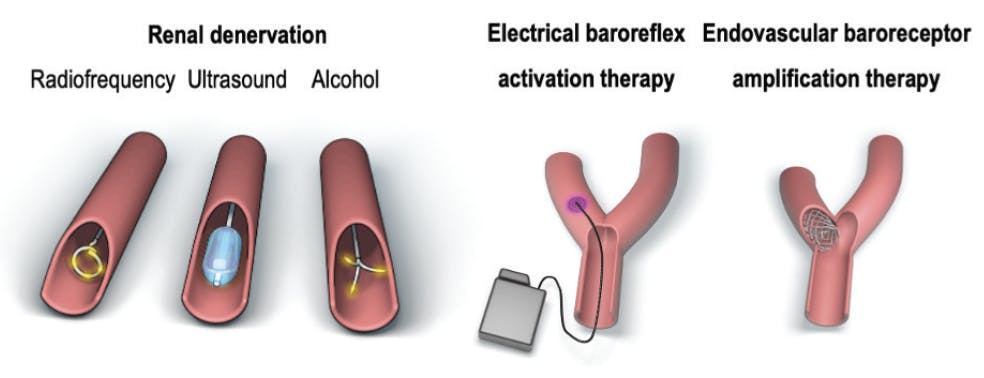
Figure 1. Neuromodulating therapies under investigation for the treatment of HF.
CATHETER-BASED RDN
More than a decade ago, RDN was introduced as a minimally invasive approach for arterial hypertension treatment. By applying radiofrequency energy, ultrasound energy, or cryoablation or injecting alcohol in the perivascular space, RDN interrupts the activity of afferent and efferent sympathetic nerves surrounding the renal arteries, thereby reducing sympathetic nerve activity contributing to several cardiovascular diseases, including HF.7-13
In patients with hypertension, which is one of the most important risk factors for the development of HF, RDN has reduced left ventricular mass index14,15 and diastolic filling pressures, thus improving cardiac remodeling and reducing congestion.15 In preclinical studies, RDN reduced renal sympathetic nerve and neprilysin activity.16 However, clinical data investigating RDN in HF are scarce. In one first-in-human trial, seven patients with HFrEF on guideline-recommended therapy and controlled blood pressure underwent RDN; their symptoms of HF and submaximal exercise capacity improved (6-minute walking distance [6MWD] increased by 27.1 ± 9.7 m; P = .03).17 Moreover, in the SYMPLICITY-HF feasibility study, radiofrequency-based RDN was associated with reductions in N-terminal pro–B-type natriuretic peptide (NT-proBNP) and improved glucose tolerance in patients with chronic symptomatic HFrEF (New York Heart Association [NYHA] class II-III).18 A meta-analysis of five randomized controlled trials (RCTs) investigating the effects of RDN on HF demonstrated that RDN improved LVEF (by 6%) and exercise capacity (61-m increase in 6MWD) in patients with HFrEF on HF medication.19 These improvements were observed in the absence of blood pressure reductions. Another meta-analysis of seven studies showed that RDN significantly reduced symptoms of HF and improved LVEF and congestion.20 Bilateral RDN increased the LVEF by 5.7% (95% CI, 1.6%-9.6%; P = .004) and decreased the heart rate by 4.5 bpm (95% CI, −8.2 to −0.9 bpm; P = .015) and the average NT-proBNP level by 520.6 pg/mL (95% CI, −1,128.4-87.2 pg/mL; P = .093).20
Although the pathophysiologic rationale for RDN in the treatment of HF is sound, RCTs are needed to evaluate the potential effects of RDN across the spectrum of HF. Further studies to investigate RDN are planned and ongoing (in HFrEF: NCT02329145, NCT01870310, NCT02085668, NCT02146794, NCT04947670, NCT02471729, NCT01790906, NCT01639378, NCT04719637; in HFpEF: NCT05030987, NCT02041130, NCT01840059).
UNILATERAL ELECTRICAL BAT
In patients with low blood pressure secondary to reduced cardiac output, reduced peripheral baroreceptor activity results in sympathetic nervous system activation.21 The activation of the sympathetic nervous system initiates a vicious cycle by upregulation of deleterious neurohumoral mechanisms (increased filling pressures, increased oxygen consumption).22,23 BAT is considered to counteract this vicious cycle. The pacemaker-like device is surgically implanted in the pectoral pocket, and the electrode is placed on the carotid sinus. The device can stimulate the baroreceptors around the carotid sinuses, thereby increasing parasympathetic activity and decreasing sympathetic activity.24-27 In an open-label study, 11 patients with HFrEF received BAT. After 6 months, muscle sympathetic nerve activity was reduced and LVEF, NYHA class, and 6MWD distance improved.28 Another study of 146 patients with HFrEF showed similar results, with improvements in NYHA class and 6MWD and reduced NT-proBNP levels.29 In the BeAT-HF trial, 408 patients were enrolled and randomized to either BAT and optimal medical management or optimal medical management alone.30 BAT appeared to be safe, improved patient-centered outcomes (eg, health-related quality of life, exercise capacity), and reduced NT-proBNP.30 Moreover, in a post hoc analysis of this study, BAT was examined in patients with and without coronary artery disease and showed that both patient subgroups may benefit.31 Across the entire spectrum of patients, NYHA class, 6MWD distance, and NT-proBNP were improved. Furthermore, no interactions were revealed between coronary artery disease and the effect of BAT.
In 2019, FDA granted premarket approval to the Barostim Neo BAT device (CVRx), which is used to improve symptoms in patients with HFrEF who are ineligible for cardiac resynchronization therapy. In the 2021 European Society of Cardiology HF guidelines, the evidence was considered insufficient to support specific guideline recommendations regarding the use of BAT.1
ENDOVASCULAR BAT
Catheter-based unilateral implantation of the MobiusHD self-expanding nitinol stent (Vascular Dynamics) in the proximal carotid artery increases its effective radius, resulting in increased wall stress and baroreflex activity without impairing pulsatility.32,33 By lowering sympathetic activation and increasing parasympathetic activation, functional improvements in HF patients are expected. Preliminary data from a first-in-human trial (NCT04590001) to assess the safety and effectiveness of the MobiusHD device in 13 patients with HFrEF showed encouraging results after 3 months. Patients with HFrEF, functional NYHA class II to III, NT-proBNP > 400 pg/mL, and adequate sinus anatomy were included. After 3 months, 6MWD improved by 65 m (203 m at baseline vs 268 m at 3 months; P < .05), as did LVEF (34.4% at baseline vs 37.3% at 3 months; P < .05), NT-proBNP (1,349 pg/mL at baseline vs 877 pg/mL at 3 months; P < .05), and subjective quality of life assessed by the Kansas City Cardiomyopathy Questionnaire (38 points at baseline vs 49 points at 3 months; P < .05) (Figure 2). The study documented no adverse events.
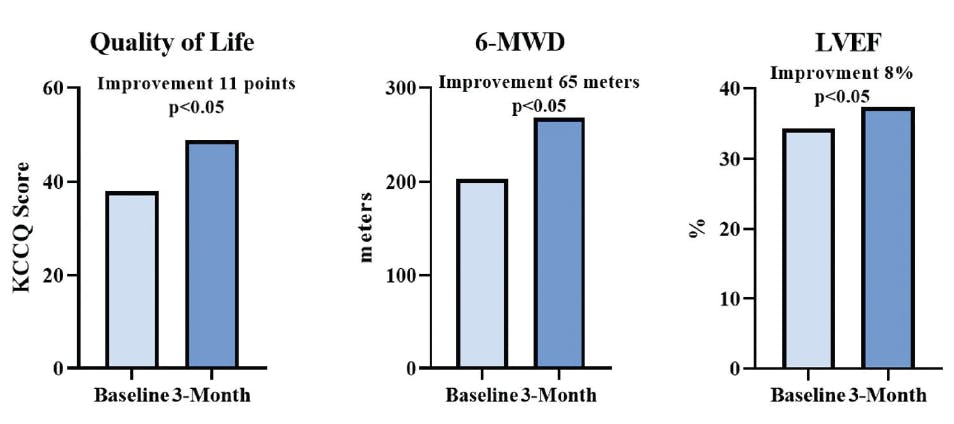
Figure 2. Preliminary data from NCT04590001 evaluating the MobiusHD device in patients with HFrEF, available at vasculardynamics.com.
VAGAL NERVE STIMULATION
Being a very dynamic and evolving field, more approaches of neuromodulation in HF are under research. Of note, vagal nerve stimulation (VNS) has been tested clinically in HF patients. In VNS, which is already approved for the treatment of epilepsy and depression, an electrical lead is implanted in the mid-cervical portion of the vagus nerve and stimulates the afferent vagus nerve fibers. First-in-human data from the two-phase CARDIO-FIT trial showed that VNS in HF patients (n = 32) appeared to decrease heart rate, improve NYHA functional class and 6MWD (from 411 ± 76 m to 471 ± 111 m), as well as LVEF (from 22% ± 7% to 29% ± 8%) while being safe.34 These findings were supported by the ANTHEM-HF trial, which enrolled 60 patients with NYHA class II or III and LVEF < 40%. LVEF increased (by 4.5%; 95% CI, 2.4%-6.6%), as did 6MWD (by 56 m; 95% CI, 49-105 m) and NYHA class was improved as well (77% of patients improved) after 6 months.35 There were no device-related serious adverse events, but there were five nonserious adverse events.36 Feasibility and improved outcomes were stable after 12 months as well.37
However, the NECTAR-HF trial, which included 96 patients who were randomized 2:1 to VNS treatment or control, did not show improvement in LVEF or NT-proBNP after 12 months. Nevertheless, subjective quality of life and NYHA class improved in treated patients.38
Showing promising results, VNS appears to be a possible treatment strategy in patients with HFrEF and higher symptomatic burden. Additional studies for its optimal use should be conducted in the future.
CONCLUSION
Despite the widespread availability of well-tolerated and effective drugs, symptom control in HF patients remains unsatisfactorily low. Therefore, new therapeutic options are mandatory. Some of the device-based neuromodulation therapies, such as RDN, have shown their effectiveness in improving the risk factors and comorbidities of HF patients. However, their role in treating HF remains elusive, and further RCTs to investigate possible benefits are much needed and ongoing. Choosing the right patients is of utmost importance, as most therapeutic approaches tend to decrease sympathetic activity and increase parasympathetic activity. Therefore, patients with highly active sympathetic nervous systems could benefit from interventional neuromodulation in addition to pharmacologic therapy. High sympathetic activity can be identified using different biomarkers, including plasma or urinary norepinephrine, tissue norepinephrine spillover, muscle sympathetic nerve activity, baroreflex sensitivity, and heart rate variability.22 High plasma renin activity was a predictor for blood pressure–lowering efficacy of RDN in hypertensive patients off antihypertensive medications.38 Similarly, plasma renin activity might be a predictor for successful neuromodulation in HF as well.
Notably, device-based therapies might pose procedural risks. However, a recent survey including 192 patients demonstrated that patients with HF were willing to accept a single-digit risk of device-related mortality for an increase in 1-year survival with stable physical functioning.39 Therefore, patient education and a shared decision-making process are important to further establish and improve neuromodulating devices in HF patients.
1. McDonagh TA, Metra M, Adamo M, et al; ESC Scientific Document Group. 2021 ESC guidelines for the diagnosis and treatment of acute and chronic heart failure. Eur Heart J. 2021;42:3599-3726. doi: 10.1093/eurheartj/ehab368
2. Tanai E, Frantz S. Pathophysiology of heart failure. Compr Physiol. 2015;6:187-214. doi: 10.1002/cphy.c140055
3. CONSENSUS Trial Study Group. Enalapril for congestive heart failure. N Engl J Med. 1987;317:1349-1351. doi: 10.1056/NEJM198711193172112
4. MERIT-HF Study Group. Effect of metoprolol CR/XL in chronic heart failure: metoprolol CR/XL randomised intervention trial in congestive heart failure (MERIT-HF). Lancet. 1999;353:2001-2007. doi: 10.1016/S0140-6736(99)04440-2
5. Packer M, Anker SD, Butler J, et al; EMPEROR-Reduced Trial Investigators. Cardiovascular and renal outcomes with empagliflozin in heart failure. N Engl J Med. 2020;383:1413-1424. doi: 10.1056/NEJMoa2022190
6. Anker SD, Butler J, Filippatos G, et al; EMPEROR-Preserved Trial Investigators. Empagliflozin in heart failure with a preserved ejection fraction. N Engl J Med. 2021;385:1451-1461. doi: 10.1056/NEJMoa2107038
7. Esler MD, Krum H, Sobotka PA, et al; Symplicity HTN-2 Investigators. Renal sympathetic denervation in patients with treatment-resistant hypertension (the Symplicity HTN-2 trial): a randomised controlled trial. Lancet. 2010;376:1903-1909. doi: 10.1016/S0140-6736(10)62039-9
8. Linz D, Hohl M, Elliott AD, et al. Modulation of renal sympathetic innervation: recent insights beyond blood pressure control. Clin Auton Res. 2018;28:375-384. doi: 10.1007/s10286-018-0508-0
9. Krum H, Schlaich M, Whitbourn R, et al. Catheter-based renal sympathetic denervation for resistant hypertension: a multicentre safety and proof-of-principle cohort study. Lancet. 2009;373:1275-1281. doi: 10.1016/S0140-6736(09)60566-3
10. Mabin T, Sapoval M, Cabane V, et al. First experience with endovascular ultrasound renal denervation for the treatment of resistant hypertension. EuroIntervention. 2012;8:57-61. doi: 10.4244/EIJV8I1A10
11. Fischell TA, Ebner A, Gallo S, et al. Transcatheter alcohol-mediated perivascular renal denervation with the Peregrine system: first-in-human experience. JACC Cardiovasc Interv. 2016;9:589-598. doi: 10.1016/j.jcin.2015.11.041
12. Mahfoud F, Renkin J, Sievert H, et al. Alcohol-mediated renal denervation using the Peregrine system infusion catheter for treatment of hypertension. JACC Cardiovasc Interv. 2020;13:471-484 doi: 10.1016/j.jcin.2019.10.048
13. Donazzan L, Mahfoud F, Ewen S, et al. Effects of catheter-based renal denervation on cardiac sympathetic activity and innervation in patients with resistant hypertension. Clin Res Cardiol. 2016;105:364-371. doi: 10.1007/s00392-015-0930-4
14. de Sousa Almeida M, de Araújo Gonçalves P, Branco P, et al. Impact of renal sympathetic denervation on left ventricular structure and function at 1-year follow-up. PLoS One. 2016;11:e0149855. doi: 10.1371/journal.pone.0149855
15. Kordalis A, Tsiachris D, Pietri P, et al. Regression of organ damage following renal denervation in resistant hypertension: a meta-analysis. J Hypertens. 2018;36:1614-1621. doi: 10.1097/HJH.0000000000001798
16. Sharp TE 3rd, Polhemus DJ, Li Z, et al. Renal denervation prevents heart failure progression via inhibition of the renin-angiotensin system. J Am Coll Cardiol. 2018;72:2609-2621. doi: 10.1016/j.jacc.2018.08.2186
17. Davies JE, Manisty CH, Petraco R, et al. First-in-man safety evaluation of renal denervation for chronic systolic heart failure: primary outcome from REACH-Pilot study. Int J Cardiol. 2013;162:189-192. doi: 10.1016/j.ijcard.2012.09.019
18. Hopper I, Gronda E, Hoppe UC, et al. Sympathetic response and outcomes following renal denervation in patients with chronic heart failure: 12-month outcomes from the Symplicity HF feasibility study. J Card Fail. 2017;23:702-707. doi: 10.1016/j.cardfail.2017.06.004
19. Fukuta H, Goto T, Wakami K, et al. Effects of catheter-based renal denervation on heart failure with reduced ejection fraction: a meta-analysis of randomized controlled trials. Heart Fail Rev. 2022;27:29-36. doi: 10.1007/s10741-020-09974-4
20. Xia Z, Han L, Pellegrino PR, et al. Safety and efficacy of renal denervation in patients with heart failure with reduced ejection fraction (HFrEF): a systematic review and meta-analysis. Heliyon. 2022;8:e08847. doi: 10.1016/j.heliyon.2022.e08847
21. Singh RR, McArdle ZM, Iudica M, et al. Sustained decrease in blood pressure and reduced anatomical and functional reinnervation of renal nerves in hypertensive sheep 30 months after catheter-based renal denervation. Hypertension. 2019;73:718-727. doi: 10.1161/HYPERTENSIONAHA.118.12250
22. Floras JS. Sympathetic nervous system activation in human heart failure: clinical implications of an updated model. J Am Coll Cardiol. 2009;54:375-385. doi: 10.1016/j.jacc.2009.03.061
23. Buckley U, Shivkumar K, Ardell JL. Autonomic regulation therapy in heart failure. Curr Heart Fail Rep. 2015;12:284-293. doi: 10.1007/s11897-015-0263-7
24. Halbach M, Fritz T, Madershahian N, et al. Baroreflex activation therapy in heart failure with reduced ejection fraction: available data and future perspective. Curr Heart Fail Rep. 2016;13:71-76. doi: 10.1007/s11897-016-0286-8
25. Tordoir JHM, Scheffers I, Schmidli J, et al. An implantable carotid sinus baroreflex activating system: surgical technique and short-term outcome from a multi-center feasibility trial for the treatment of resistant hypertension. Eur J Vasc Endovasc Surg. 2007;33:414-421. doi: 10.1016/j.ejvs.2006.11.025
26. Heusser K, Tank J, Engeli S, et al. Carotid baroreceptor stimulation, sympathetic activity, baroreflex function, and blood pressure in hypertensive patients. Hypertension. 2010;55:619-626. doi: 10.1161/HYPERTENSIONAHA.109.140665
27. Wustmann K, Kucera JP, Scheffers I, et al. Effects of chronic baroreceptor stimulation on the autonomic cardiovascular regulation in patients with drug-resistant arterial hypertension. Hypertension. 2009;54:530-536. doi: 10.1161/HYPERTENSIONAHA.109.134023
28. Gronda E, Seravalle G, Brambilla G, et al. Chronic baroreflex activation effects on sympathetic nerve traffic, baroreflex function, and cardiac haemodynamics in heart failure: a proof-of-concept study. Eur J Heart Fail. 2014;16:977-983. doi: 10.1002/ejhf.138
29. Abraham WT, Zile MR, Weaver FA, et al. Baroreflex activation therapy for the treatment of heart failure with a reduced ejection fraction. JACC Heart Fail. 2015;3:487-496. doi: 10.1016/j.jchf.2015.02.006
30. Zile MR, Lindenfeld J, Weaver FA, et al. Baroreflex activation therapy in patients with heart failure with reduced ejection fraction. J Am Coll Cardiol. 2020;76:1-13. doi: 10.1016/j.jacc.2020.05.015
31. Halbach M, Abraham WT, Butter C, et al. Baroreflex activation therapy for the treatment of heart failure with reduced ejection fraction in patients with and without coronary artery disease. Int J Cardiol. 2018;266:187-192. doi: 10.1016/j.ijcard.2018.04.075
32. van Kleef MEAM, Bates MC, Spiering W. Endovascular baroreflex amplification for resistant hypertension. Curr Hypertens Rep. 2018;20:46. doi: 10.1007/s11906-018-0840-8
33. Peter DA, Alemu Y, Xenos M, et al. Fluid structure interaction with contact surface methodology for evaluation of endovascular carotid implants for drug-resistant hypertension treatment. J Biomech Eng. 2012;134:041001. doi: 10.1115/1.4006339
34. De Ferrari GM, Crijns HJ, Borggrefe M, et al; CardioFit Multicenter Trial Investigators. Chronic vagus nerve stimulation: a new and promising therapeutic approach for chronic heart failure. Eur Heart J. 2011;32:847-855. doi: 10.1093/eurheartj/ehq391
35. Premchand RK, Sharma K, Mittal S, et al. Autonomic regulation therapy via left or right cervical vagus nerve stimulation in patients with chronic heart failure: results of the ANTHEM-HF trial. J Card Fail. 2014;20:808-816. doi: 10.1016/j.cardfail.2014.08.009
36. Premchand RK, Sharma K, Mittal S, et al. Extended follow-up of patients with heart failure receiving autonomic regulation therapy in the ANTHEM-HF study. J Card Fail. 2016;22:639-642. doi: 10.1016/j.cardfail.2015.11.002
37. Zannad F, De Ferrari GM, Tuinenburg AE, et al. Chronic vagal stimulation for the treatment of low ejection fraction heart failure: results of the NEural Cardiac TherApy foR Heart Failure (NECTAR-HF) randomized controlled trial. Eur Heart J. 2015;36:425-433. doi: 10.1093/eurheartj/ehu345
38. Mahfoud F, Townsend RR, Kandzari DE, et al. Changes in plasma renin activity after renal artery sympathetic denervation. J Am Coll Cardiol. 2021;77:2909-2919. doi: 10.1016/j.jacc.2021.04.044
39. Reed SD, Yang JC, Rickert T, et al. Quantifying benefit-risk preferences for heart failure devices: a stated-preference study. Circ Heart Fail. 2022;15:e008797. doi: 10.1161/CIRCHEARTFAILURE.121.008797
Advertisement
Advertisement