Advertisement
Advertisement
September/October 2021
Implantation of a Self-Expandable Evolut Pro Using the Cusp Overlap Technique
How to plan for and perform deployment and address complications.
WHY I DO IT
To minimize interference with the conduction system, the Evolut Pro transcatheter heart valve (THV; Medtronic) should be implanted with a minimal protrusion into the left ventricular outflow tract (LVOT). The cusp overlap technique facilitates achievement of optimal implantation height and has been shown in the interim analysis of OPTIMIZE PRO to reduce permanent pacemaker implantation (PPI) rate.1
The PPI rate after implantation of a self-expanding Evolut Pro THV without cusp overlay is still between 10% to 15%.2 A recent meta-analysis demonstrated that PPI after transcatheter aortic valve implantation (TAVI) correlated with an increased risk of all-cause mortality and rehospitalization due to heart failure at 1 year, concluding that PPI rate reduction is clearly needed, particularly in low-risk patients with a longer life expectancy.3
HOW I DO IT
Preprocedural Planning
To start, a regular three-cusp coplanar view should be obtained from a high-quality, gated CT with contrast. Rotation along the S-curve allows for overlap of the left and right coronary cusps, leading to isolation of the noncoronary cusp (Figure 1). In this so-called cusp overlap view, for the operator the LVOT is elongated and the parallax in the markerband reduced—or removed in most cases.
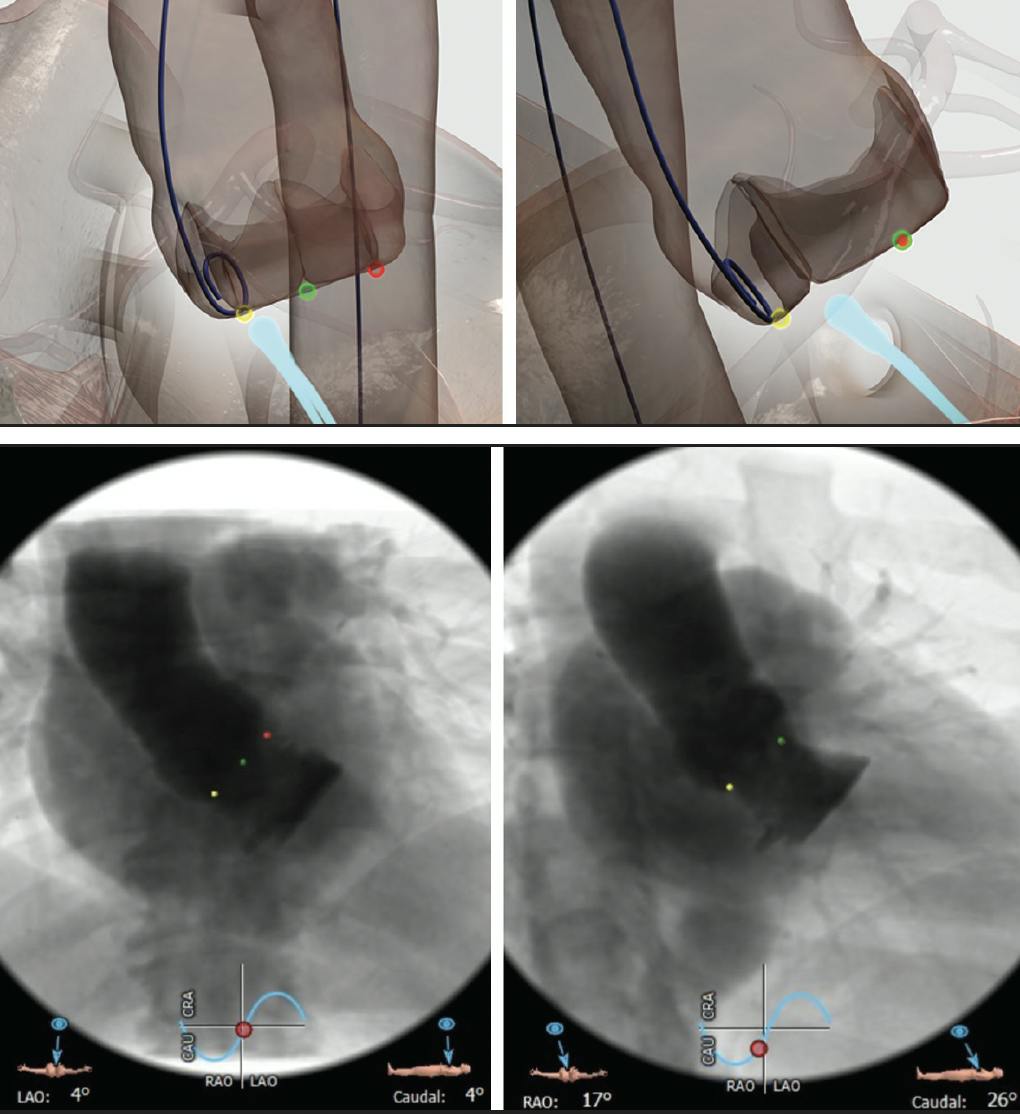
Figure 1. Illustration and CT-based aortography of the coplanar three-cusp view (left side) and the cusp overlap view (right side). In the cusp overlap view, the operator gets a “two-cusp” view, with the isolated noncoronary cusp at one side and the overlapped left coronary cusp and right coronary cusp on the other side.
Procedural Steps
The TAVI procedure is performed as usual. After transfemoral access, retrograde passage of the aortic valve, and placement of a stiff wire (a preshaped wire is recommended) into the left ventricle, the Evolut Pro THV is implanted using the cusp overlap technique.
The delivery system should be inserted with the flush port facing away from the operator at a 3 o’clock position. This rotation has been shown to be associated with a higher rate of commissural alignment (approximately 70%-80%) between the Evolut Pro THV and the native aortic valve.4 Commissural alignment might facilitate coronary access in the future, which is crucial when considering lifetime management of our patients.
After passage of the aortic arch, the rotation of the C-arm must be adjusted according to the predefined cusp overlap view. The pigtail should be placed at the base of the noncoronary cusp. The delivery system should be advanced no further than the markerband at the level of the mid-pigtail (Figure 2). Deployment of the Evolut Pro THV should be started from this position to minimize potential interaction with the conduction system. Usually, the THV slowly dives into the annulus during controlled deployment, with small movements on the handle (stepwise quarter turns are advised).
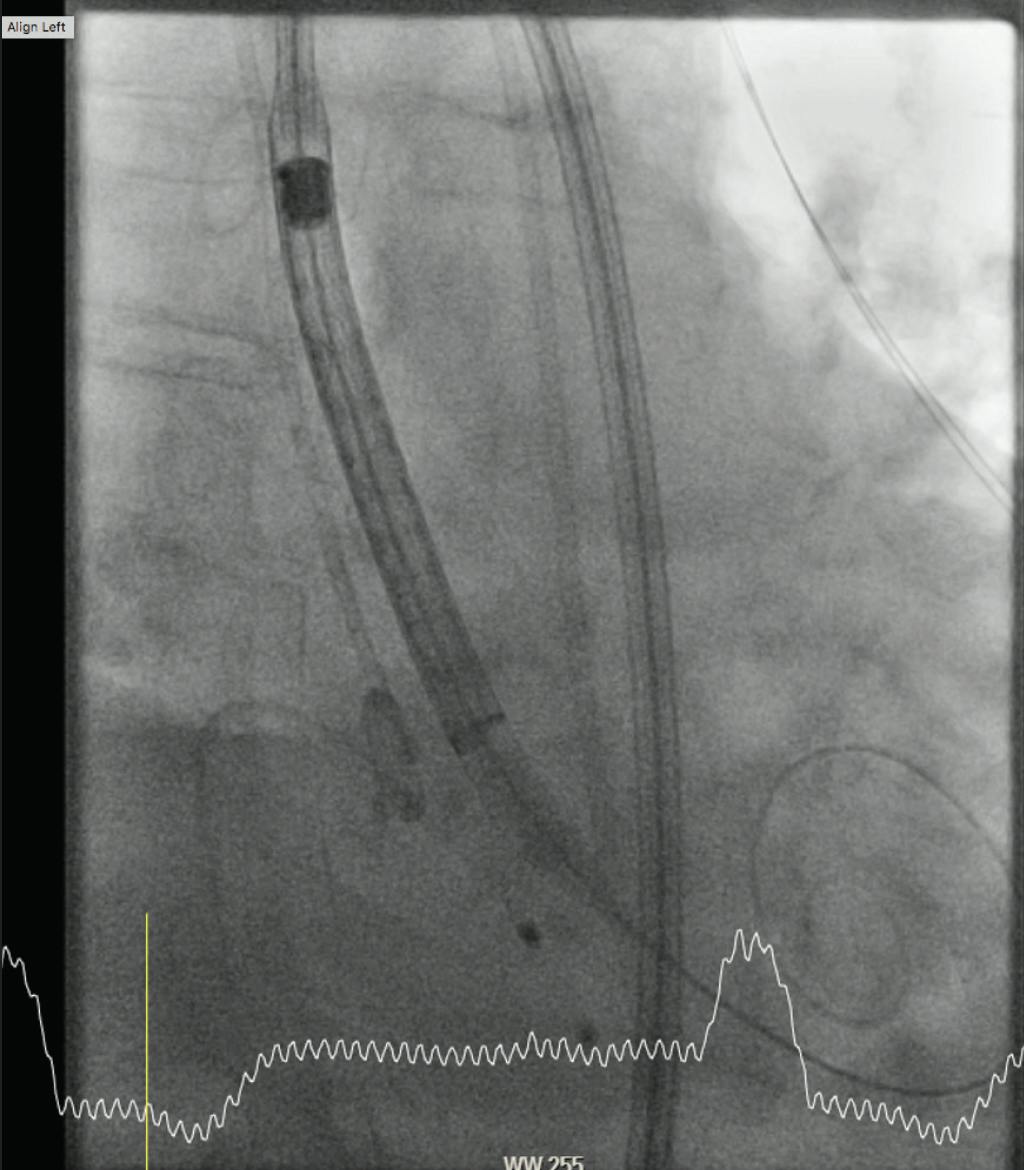
Figure 2. Start of valve deployment with markerband at the level of mid-pigtail.
The target implantation depth is 3 mm, which corresponds to approximately one-fourth of the Evolut Pro stent diamond (Figure 3). Because the LVOT is elongated in the cusp overlap view, the implantation depth can be achieved more precisely. THV deployment should be carried out slowly and optimally with fast pacing (100-140 beats per minute [bpm]).
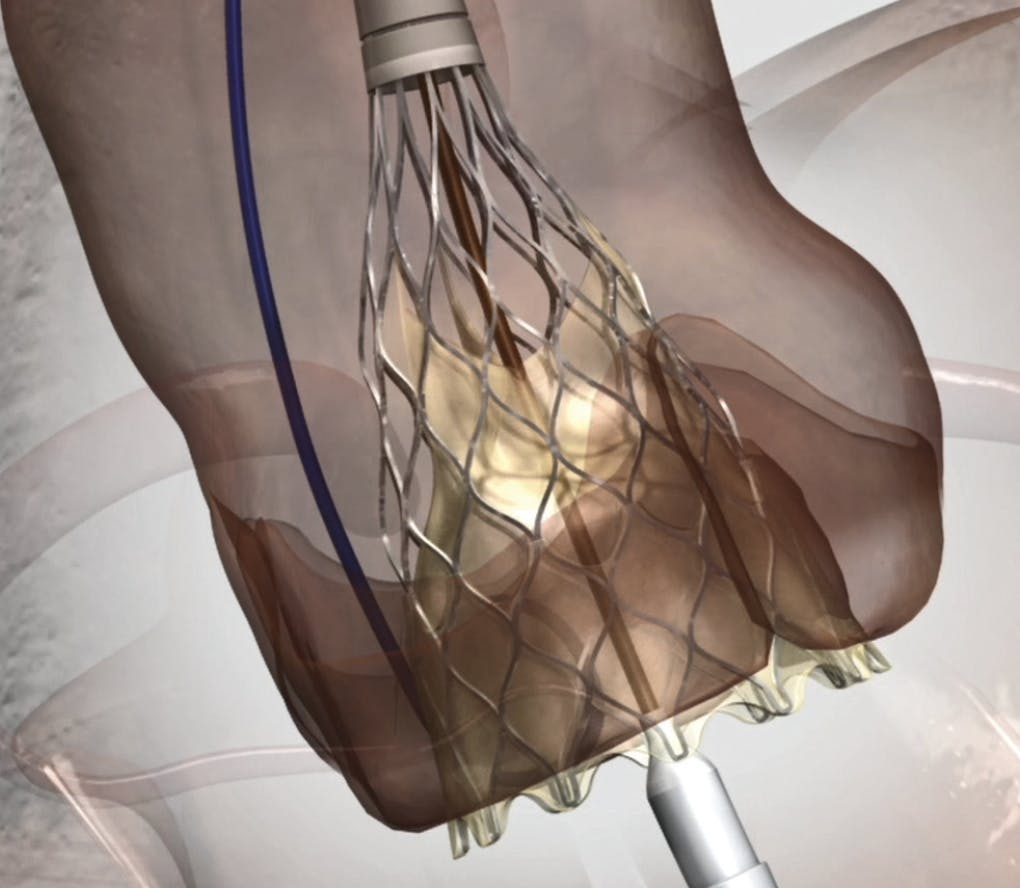
Figure 3. Illustration of optimal implantation depth (3 mm).
Before complete deployment of the Evolut Pro THV, the depth should be checked in both views by injecting contrast (Figure 4). In the noncoronary cusp, the implantation depth might appear shallower in the left anterior oblique (LAO) view and should therefore only be evaluated in the cusp overlap view.
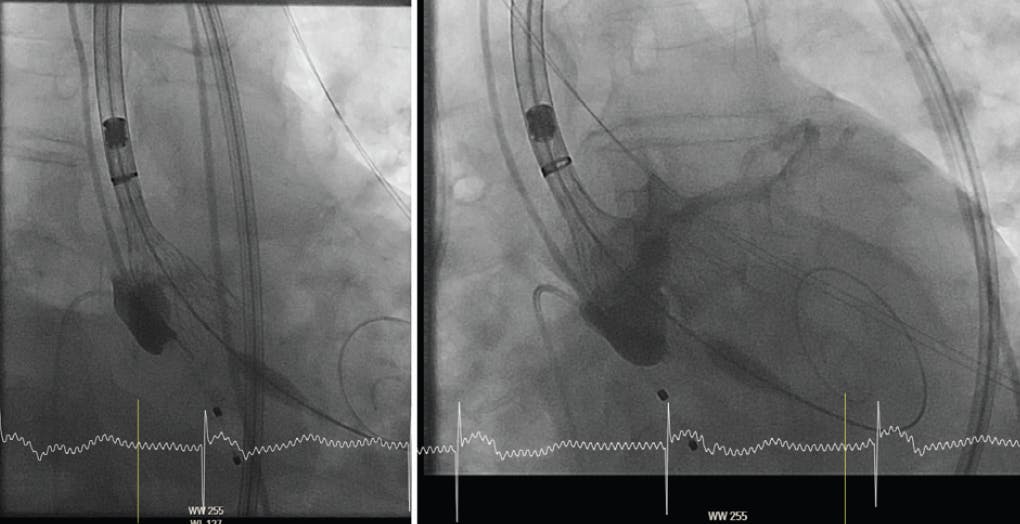
Figure 4. Evaluation of implantation depth at the noncoronary cusp in the cusp overlap view (left side) and at the left coronary cusp in the LAO view (right side).
If the targeted implantation depth has been achieved and there is no relevant paravalvular leakage, the Evolut Pro THV can be completely released in a slow manner as described previously to minimize any potential movement (Figure 5).
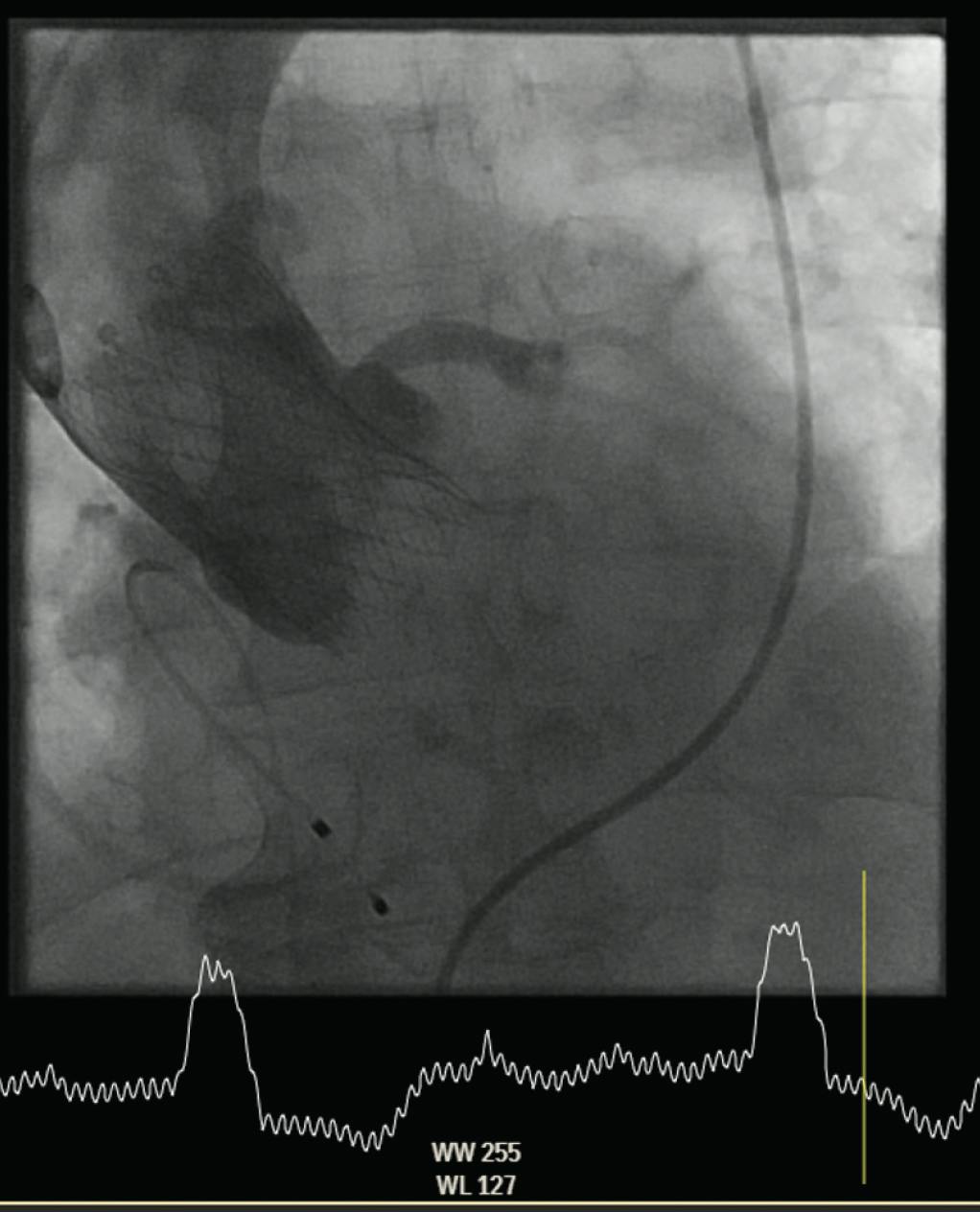
Figure 5. Final aortography after deployment showing optimal implantation depth and no paravalvular leak.
In addition, it is important to relieve any tension from the system before the final THV release. This can be achieved by pulling the wire and applying moderate forward pressure to centralize the delivery system. Rapid pacing (180 bpm) can be used during the final phase of release to stabilize the position of the THV in the annulus, but that is not mandatory.
If the targeted implantation depth is not achieved, partial resheathing, repositioning, and redeployment need to be carried out.
Procedural Complications
A targeted high implantation position might result in the Evolut Pro popping out. Slow final valve release while applying gentle forward pressure can avoid this complication. Additional rapid pacing during this phase can also be used to stabilize implantation position.
CONCLUSION
The cusp overlap is an easy-to-adopt technique to achieve optimal implantation depth with the self-expanding Evolut Pro THV in order to reduce permanent pacemaker implantation rate.
1. Grubb KJ. An optimized TAVR care pathway using Evolut PRO and PRO+: early results from the Optimize PRO study. Presented virtually at: Society for Cardiovascular Angiography and Interventions (SCAI) virtual scientific sessions; April 28–May 1, 2021.
2. Pagnesi M, Kim WK, Conradi L, et al. Transcatheter aortic valve replacement with next-generation self-expanding devices: a multicenter, retrospective, propensity-matched comparison of Evolut PRO versus Acurate neo transcatheter heart valves. JACC Cardiovasc Interv. 2019;12:433-443. doi: 10.1016/j.jcin.2018.11.036
3. Faroux F, Chen S, Muntané-Carol G, et al. Clinical impact of conduction disturbances in transcatheter aortic valve replacement recipients: a systematic review and meta-analysis. Eur Heart J. 2020;41:2771-2781. doi: 10.1093/eurheartj/ehz924
4. Tang GHL, Zaid S, Fuchs A, et al. Alignment of transcatheter aortic-valve neo-commissures (ALIGN TAVR): impact on final valve orientation and coronary artery overlap. JACC Cardiovasc Interv. 2020;13:1030-1042. doi: 10.1016/j.jcin.2020.02.005
Advertisement
Advertisement