Advertisement
Advertisement
March/April 2021
Antithrombotic Therapy After TAVI
Is aspirin enough?
Transcatheter aortic valve implantation (TAVI) is the treatment of choice for patients with symptomatic severe aortic stenosis who are ineligible or at higher risk for surgery and a valuable treatment alternative for patients at lower risk.1 Approximately 180,000 patients per year are referred to TAVI in developed countries, and this estimate is expected to increase to 270,000 patients per year due to the incremental inclusion of patients at lower surgical risk.2
Despite its relatively favorable outcomes and the continuous technologic advances and improvements in procedural factors and operator experience, TAVI is still burdened by certain complications (eg, vascular complications, bleeding, permanent pacemaker implantation, paravalvular leak, thrombotic events) affecting quality of life, rehospitalization, morbidity, and mortality.3-5 In addition, TAVI patients often have high-risk features, including older age, frailty, and comorbidities (eg, atrial fibrillation, coronary artery disease), which substantially contribute to an increased thrombotic risk profile.6 As such, antithrombotic therapy is required after TAVI to minimize the incidence of thromboembolic complications.7 Although different options are available (ie, several drugs, their associations, different durations), all of the antithrombotic agents (ie, antiplatelets and anticoagulants) unavoidably convey an additional risk of bleeding.
The current evidence supporting the selection of optimal antithrombotic strategies after TAVI is not robust, which contributes to the poor level of standardization and high variability in clinical practice.1,8 Also, the gradual shift of TAVI candidates toward lower risk and the advent of new-generation prostheses may affect the net benefit of any antithrombotic strategy, raising gaps in knowledge that warrant clinical evidence from randomized controlled trials (RCTs).9
This article examines the current evidence supporting different antithrombotic drugs and strategies for patients who have undergone successful TAVI.
ANTITHROMBOTIC THERAPY AFTER TAVI
Elderly patients who are currently referred to TAVI typically are at high risk for both thrombotic and bleeding complications (Figure 1).10 Although some degree of antithrombotic therapy is required, the marked propensity of TAVI patients to bleeding imposes caution, especially when multiple drugs are stacked.11
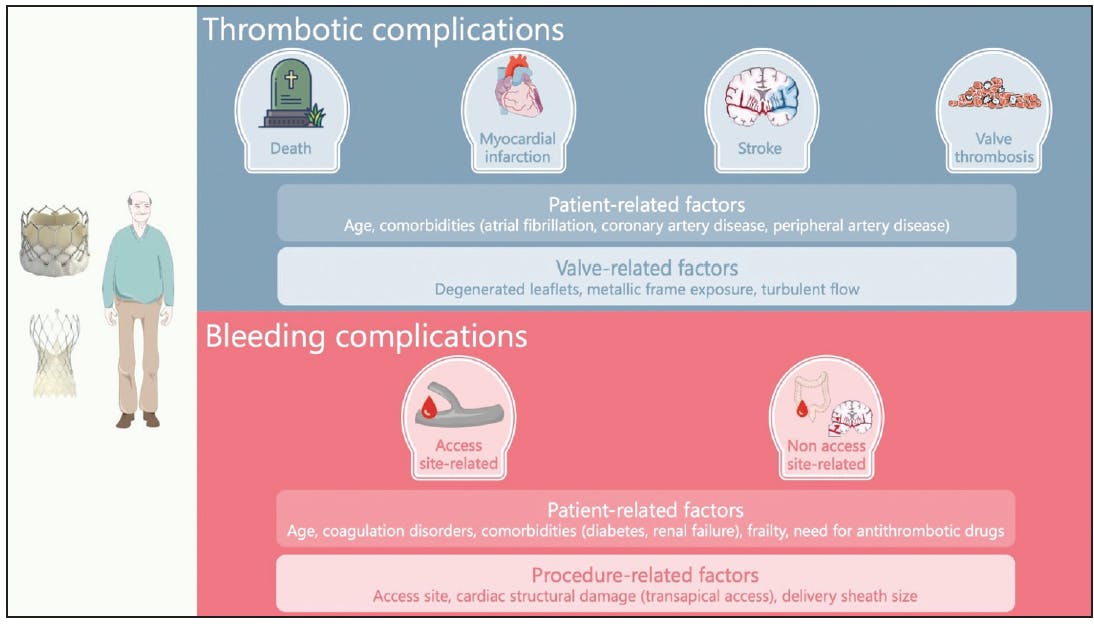
Figure 1. Determinants and pathophysiology of thrombotic and bleeding complications after TAVI.
Several valve- and patient-related pathophysiologic mechanisms contribute to the onset of thrombotic events after TAVI. High concentrations of tissue factor and thrombin around degenerated leaflets, metallic frame exposure, and turbulent flow throughout the bioprosthetic valve are major determinants of thrombotic risk. In addition, comorbidities (eg, atrial fibrillation, coronary and peripheral artery disease) are also strong contributors.12 Stroke, transient ischemic attack (TIA), and myocardial infarction (MI) are more likely to occur in the periprocedural period or in the first 30 days after TAVI, with a steady residual risk afterward.3 A further concern is represented by subclinical leaflet thrombosis and valve thrombosis, which may also threaten long-term valve durability, with detrimental consequences on patient morbidity and mortality.13
On the other hand, age, frailty, comorbidities, coagulation disorders, and the need for antithrombotic therapy determine an increased bleeding risk in TAVI patients. The incidence of bleeding events is particularly high in the periprocedural period (especially access site-related bleeding), but these complications continue to accrue over time, especially non-access site–related bleeding.11 Of note, a robust association has been demonstrated between bleeding events and poor clinical outcomes, including increased morbidity and mortality.14
GUIDELINE RECOMMENDATIONS
Several antithrombotic regimens are used in current practice based on individual patient risk profiles, local care pathways, and established indications for long-term oral anticoagulation (OAC), including atrial fibrillation, venous thromboembolism, hypercoagulable conditions, or severely impaired left ventricular dysfunction.15
European and American societal guidelines issued different recommendations on antithrombotic therapy after TAVI (Figure 2). Joint guidelines by the European Society of Cardiology (ESC) and the European Association for Cardio-Thoracic Surgery (EACTS), published in 2017, recommend dual antiplatelet therapy (DAPT) with aspirin and clopidogrel for 3 to 6 months after TAVI, followed by lifelong single antiplatelet therapy (SAPT) in patients not requiring long-term OAC (class of recommendation [COR] IIa, level of evidence [LOE] C). To minimize the shortcomings of DAPT, SAPT may be considered in patients at high bleeding risk (COR IIb, LOE C). Conversely, lifelong OAC is recommended in patients with a baseline indication for long-term OAC (COR I, LOE C).8
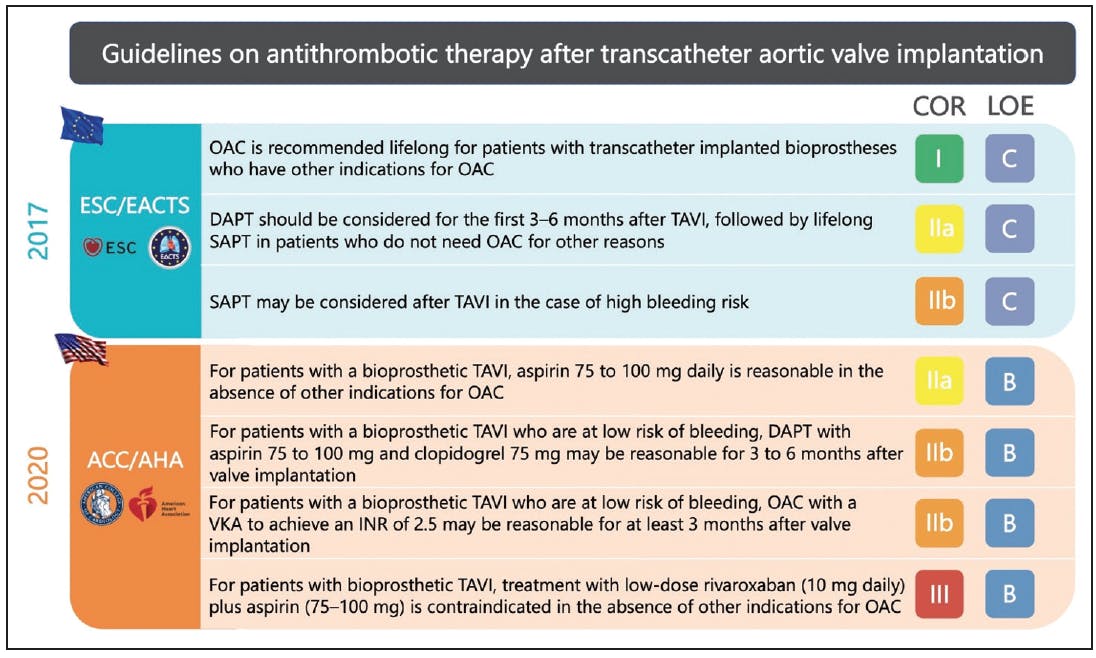
Figure 2. Societal guideline recommendations on antithrombotic therapy after TAVI.
For patients who do not require long-term OAC, joint guidelines by the American College of Cardiology and the American Heart Association (ACC/AHA), published in 2020 and therefore incorporating newer studies, recommend SAPT with aspirin as a reasonable regimen after TAVI (COR IIa, LOE B), whereas DAPT for 3 to 6 months (COR IIb, LOE B) might be considered in patients at low bleeding risk. Similarly, vitamin K antagonist (VKA) with a target international standardized ratio (INR) of 2.5 might be considered for at least 3 months in TAVI patients with a low bleeding risk to reduce the incidence of leaflet/valve thrombosis (COR IIb, LOE B). Finally, the association of low-dose rivaroxaban and aspirin in patients without established indication for OAC is formally contraindicated (COR III, LOE B).1
CLINICAL EVIDENCE
Because both platelet-mediated (eg, metallic frame exposure, vessel disruption, coronary and peripheral artery disease) and thrombin-mediated (eg, flow turbulence, leaflet/valve thrombosis, atrial fibrillation) mechanisms contribute to the pathogenesis of thrombotic events in patients undergoing TAVI, there is a clear theoretical rationale behind the use of either antiplatelet or anticoagulant drugs.7
Pivotal trials of TAVI established DAPT as standard therapy mirroring the practice of percutaneous coronary intervention. Since then, a number of randomized comparisons have been performed to explore alternative antithrombotic strategies in patients with or without established indications to long-term OAC (Figure 3).
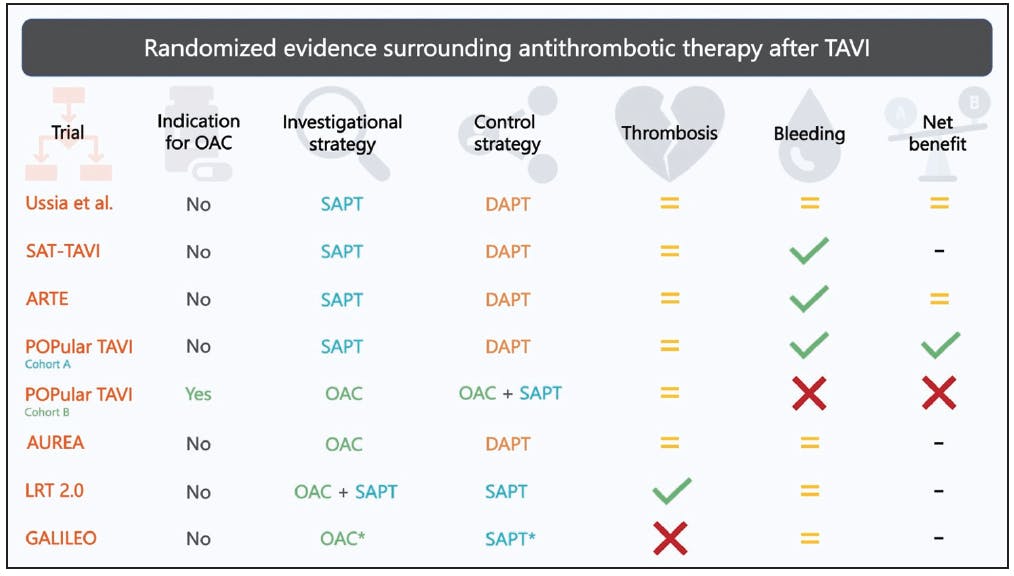
Figure 3. Results of randomized trials on antithrombotic therapy after TAVI. *During the first 3 months, low-dose aspirin was added to rivaroxaban in the investigational group and clopidogrel was added to low-dose aspirin in the control group.
A preliminary RCT assigned 79 patients to SAPT (aspirin 100 mg daily lifelong) or DAPT (aspirin 100 mg daily lifelong plus 3 months of clopidogrel 75 mg daily), with a primary endpoint of net clinical benefit defined as major adverse cardiac and cerebrovascular events (MACCEs), including both ischemic and bleeding complications. No significant between-group differences in this primary outcome were noted both at 30 days (15% with SAPT vs 13% with DAPT; P = .71) and 6 months (15% with SAPT vs 18% with DAPT; P = .85).16 These findings were confirmed by two subsequent RCTs. In the SAT-TAVI trial, 120 TAVI patients were randomly administered DAPT (low-dose aspirin plus clopidogrel 75 mg daily or ticlopidine 500 mg twice daily) or SAPT (low-dose aspirin alone).17 No difference was observed in the combined safety endpoint and in all-cause death or cardiovascular death, both at 30 days and 6 months. In addition, when compared to the DAPT group, fewer vascular complications occurred in the SAPT group (5% vs 13.3%; P < .05). The ARTE trial randomized 222 patients to SAPT (aspirin 80-100 mg daily) or DAPT (aspirin 80-100 mg daily plus clopidogrel 75 mg daily). After 3 months, there were no differences between DAPT and SAPT in rates of death (6.3% vs 3.6%; P = .37), MI (3.6% vs 0.9%; P = .18), and stroke or TIA (2.7% vs 0.9%; P = .31), while a numerically higher incidence of the composite of death, MI, stroke or TIA, or major or life-threatening bleeding was noted with DAPT compared to SAPT (15.3% vs 7.2%; P = .065).18
These findings were also supported by a meta-analysis of 2,489 patients from these three RCTs and five observational studies. Compared to standard DAPT (aspirin and clopidogrel), SAPT with aspirin reduced 30-day major or life-threatening bleeding (relative risk, 0.62; 95% CI, 0.50-0.76; P < .001), without significant increases in 30-day stroke (relative risk, 0.85; 95% CI, 0.45-1.63; P = .631) or 3-month death (relative risk, 0.96; 95% CI, 0.81-1.15; P = .664). Notably, compared to DAPT, SAPT was associated with a lower risk of 30-day all-cause mortality (relative risk, 0.57; 95% CI, 0.36-0.89; P = .014).19
Recently, cohort A of the POPular-TAVI trial randomized 665 patients not requiring OAC to receive SAPT with aspirin (80-100 mg daily) or 3-month DAPT with aspirin plus clopidogrel (75 mg daily), followed by aspirin alone. At 1 year, compared with those on DAPT, patients treated with SAPT experienced fewer bleeding events (risk ratio [RR], 0.57; 95% CI, 0.42-0.77; P = .001) and a lower incidence of the net composite endpoint of cardiovascular death, non–procedure-related bleeding, stroke, or MI (RR, 0.74; 95% CI, 0.57-0.95; P = .04). In addition, SAPT was noninferior to DAPT with respect to the composite of cardiovascular death, ischemic stroke, or MI (difference, 0.2%; 95% CI for noninferiority, -4.7-4.3; P = .004; RR, 0.98; 95% CI for superiority, 0.62-1.55; P = .93).20
To limit thrombin-mediated events, other RCTs focused on the role of OAC in TAVI patients without established indication for long-term OAC. In the AUREA trial, 123 patients were randomized to DAPT (aspirin and clopidogrel) or OAC alone (VKA). Diffusion-weighted MRI showed no significant difference in new brain ischemic lesions at day 6 (66.7% with DAPT vs 84.2% with OAC; P = .15) or after 3 months (6.0% with DAPT vs 10.4% with OAC; P = .71). Similarly, there was no between-group difference in both ischemic and bleeding events (results were presented at a major medical conference and are not published yet). A benefit from OAC can be hypothesized in low-risk patients: in the LRT 2.0 trial, 94 low-risk TAVI patients without indications for long-term OAC were randomly assigned to 30-day SAPT (aspirin alone) or dual therapy (aspirin plus VKA). As assessed by CT and transesophageal echocardiography, the primary endpoint (composite of hypoattenuated leaflet thickening, at least moderately reduced leaflet motion, hemodynamic dysfunction, stroke, or TIA) occurred more frequently with aspirin alone than with aspirin plus VKA (odds ratio [OR], 4.8; 95% CI, 1.3-18.3; P = .014), without a between-group difference in bleeding.21
In addition, dual therapy with a direct oral anticoagulant (DOAC) in TAVI patients not requiring OAC was initially investigated in the GALILEO trial, which randomized 1,644 patients to dual therapy (rivaroxaban 10 mg daily plus aspirin 75-100 mg daily for the first 3 months) or aspirin 75 to 100 mg daily (plus clopidogrel 75 mg daily for the first 3 months). The trial was prematurely halted due to safety concerns for patients in the dual therapy group. At a median follow-up of 17 months, patients in the dual therapy group displayed a higher incidence of the composite of death or first thromboembolic event (hazard ratio [HR], 1.35; 95% CI, 1.01-1.81; P = .04), with a numeric increase in major, disabling, or life-threatening bleeding (HR, 1.50; 95% CI, 0.95-2.37; P = .08).22
Finally, the combination of SAPT and VKA was shown to be detrimental in patients with an established indication for long-term OAC. In cohort B of the POPular-TAVI trial, 313 patients were randomized to receive VKA alone or VKA plus clopidogrel for 3 months. At 1 year, compared with clopidogrel alone, the combination of clopidogrel and VKA was associated with more bleeding (RR, 0.63; 95% CI, 0.43-0.90; P = .01) and a higher occurrence of the composite of cardiovascular death, non–procedure-related bleeding, stroke, or MI (RR, 0.69; 95% CI, 0.51-0.92).23
THE PRESENT AND THE FUTURE
In aggregate, the current evidence suggests that combining SAPT and OAC is not a good option in TAVI patients with or without an established indication for OAC. Conversely, in TAVI patients not requiring long-term OAC, the available RCTs collectively demonstrated the superiority of SAPT.16-18,20 As a consequence, although the 2017 ESC/EACTS guidelines on valvular heart disease were issued when the evidence about SAPT was still accruing, the 2020 ACC/AHA guidelines endorse SAPT as the preferred antithrombotic strategy in patients not requiring long-term OAC. However, DAPT still remains an option for patients at low bleeding risk to maximize the expected benefit from antithrombotic therapy without significant drawbacks in terms of bleeding.1,8
Several randomized investigations are still ongoing to fulfill current gaps in knowledge (Table 1). To extend the results of the cohort B of the POPular-TAVI trial to patients on DOACs, the AVATAR (NCT02735902) trial is investigating whether OAC (either with VKA or a DOAC) is superior to the association of OAC and aspirin in terms of net clinical benefit in TAVI patients with an indication for long-term OAC.
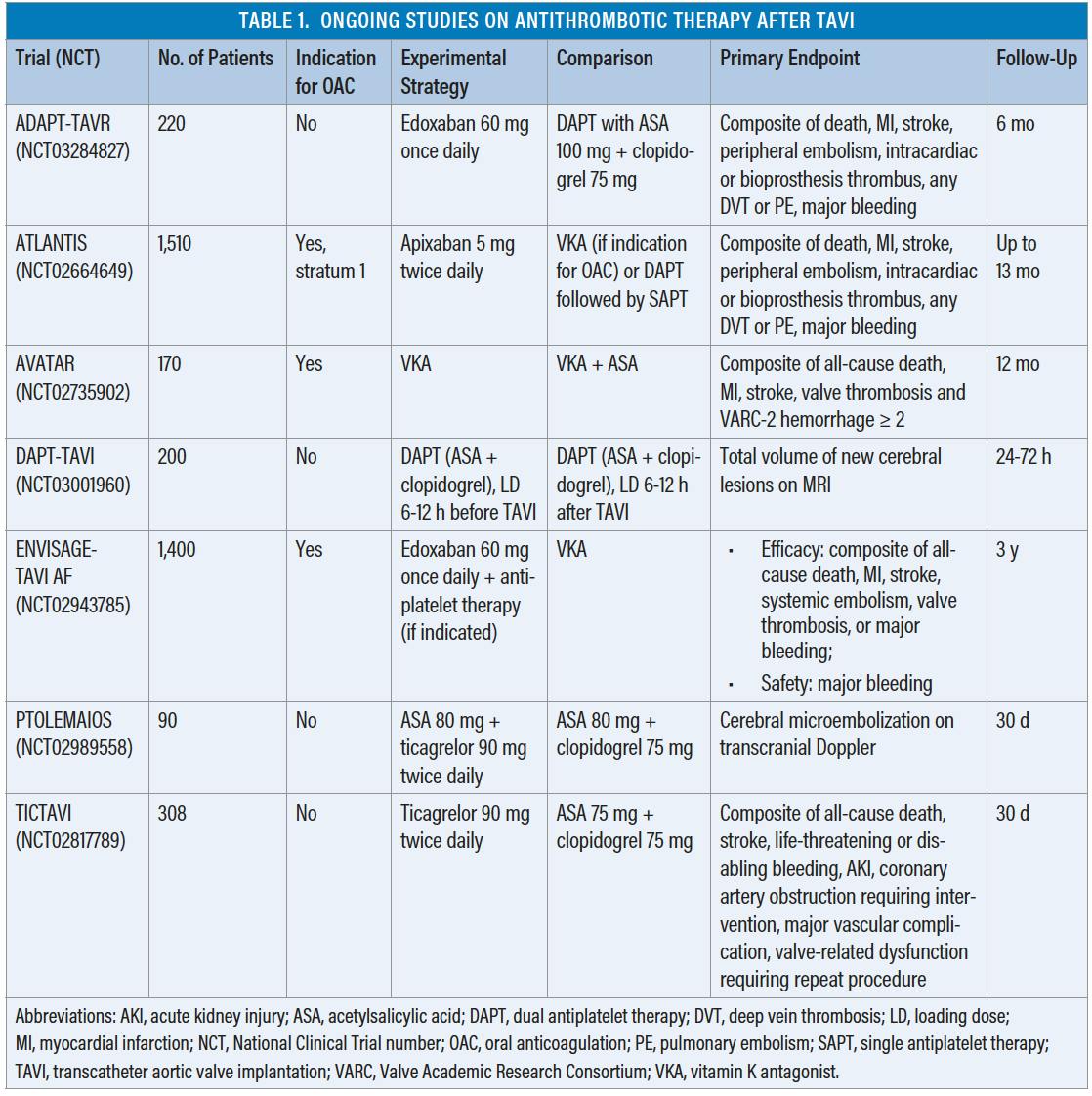
Other RCTs are exploring the role of DOACs (edoxaban or apixaban) in post-TAVR antithrombotic regimens. While the ENVISAGE-TAVI AF (NCT02943785) trial is comparing edoxaban and VKA in patients requiring long-term OAC, the ADAPT-TAVR (NCT03284827) trial is investigating edoxaban as compared to DAPT in patients without a need for OAC. The ATLANTIS (NCT02664649) trial is exploring the role of apixaban both in patients with (VKA as comparison) or without (SAPT or DAPT as comparison) an established indication for long-term OAC.
Finally, other investigational strategies adopt a more potent antiplatelet drug (ticagrelor) in patients not requiring long-term OAC. The TICTAVI (NCT02817789) trial is investigating the effects of ticagrelor monotherapy on 1-month clinical outcomes as compared with standard DAPT with aspirin and clopidogrel. On the other hand, in the PTOLEMAIOS (NCT02989558) trial, ticagrelor is also being studied combined with aspirin in comparison to standard DAPT with aspirin and clopidogrel, with regard to the occurrence of cerebrovascular events.
CONCLUSION
The optimal antithrombotic therapy after TAVI still represents a gap in knowledge. Both antiplatelet and anticoagulant drugs can play a role, but stacking drugs significantly increases the risk of bleeding complications. In patients with an established indication for long-term OAC, adding antiplatelet agents has a detrimental impact on prognosis, and OAC alone should be the default approach. Similarly, in patients not requiring long-term OAC, SAPT should be preferred over DAPT because of better net clinical benefit.
1. Otto CM, Nishimura RA, Bonow RO, et al. 2020 ACC/AHA guideline for the management of patients with valvular heart disease. J Am Coll Cardiol. 2021;77:e25-e197. doi:10.1016/j.jacc.2020.11.018
2. Durko AP, Osnabrugge RL, Van Mieghem NM, et al. Annual number of candidates for transcatheter aortic valve implantation per country: current estimates and future projections. Eur Heart J. 2018;39:2635-2642. doi:10.1093/eurheartj/ehy107
3. Vranckx P, Windecker S, Welsh RC, et al. Thrombo-embolic prevention after transcatheter aortic valve implantation. Eur Heart J. 2017;38:3341-3350. doi:10.1093/eurheartj/ehx390
4. Dangas GD, Mehran R. Bleeding after aortic valve replacement matters. JACC Cardiovasc Interv. 2017;10:1447-1448. doi:10.1016/j.jcin.2017.06.005
5. Généreux P, Cohen DJ, Mack M, et al. Incidence, predictors, and prognostic impact of late bleeding complications after transcatheter aortic valve replacement. J Am Coll Cardiol. 2014;64:2605-2615. doi:10.1016/j.jacc.2014.08.052
6. Greco A, Capodanno D. Anticoagulation after transcatheter aortic valve implantation: current status. Interv Cardiol Rev. 2020;15:e02. doi:10.15420/icr.2019.24
7. Greco A, Capranzano P, Barbanti M, et al. Antithrombotic pharmacotherapy after transcatheter aortic valve implantation: an update. Expert Rev Cardiovasc Ther. 2019;17:479-496. doi:10.1080/14779072.2019.1632189
8. Baumgartner H, Falk V, Bax JJ, et al. 2017 ESC/EACTS Guidelines for the management of valvular heart disease. Eur Heart J. 2017;38:2739-2791. doi:10.1093/eurheartj/ehx391
9. Capodanno D, Greco A. Stroke after transcatheter aortic valve replacement: a multifactorial phenomenon. JACC Cardiovasc Interv. 2019;12:1590-1593. doi:10.1016/j.jcin.2019.07.004
10. Mangieri A, Montalto C, Poletti E, et al. Thrombotic versus bleeding risk after transcatheter aortic valve replacement. J Am Coll Cardiol. 2019;74:2088-2101. doi:10.1016/j.jacc.2019.08.1032
11. Piccolo R, Pilgrim T, Franzone A, et al. Frequency, timing, and impact of access-site and non–access-site bleeding on mortality among patients undergoing transcatheter aortic valve replacement. JACC Cardiovasc Interv. 2017;10:1436-1446. doi:10.1016/j.jcin.2017.04.034
12. Capodanno D, Angiolillo DJ. Antithrombotic therapy for prevention of cerebral thromboembolic events after transcatheter aortic valve replacement. JACC Cardiovasc Interv. 2017;10:1366-1369. doi:10.1016/j.jcin.2017.05.005
13. Søndergaard L, Ihlemann N, Capodanno D, et al. Durability of transcatheter and surgical bioprosthetic aortic valves in patients at lower surgical risk. J Am Coll Cardiol. 2019;73:546-553. doi:10.1016/j.jacc.2018.10.083
14. Pilgrim T, Stortecky S, Luterbacher F, et al. Transcatheter aortic valve implantation and bleeding: incidence, predictors and prognosis. J Thromb Thrombolysis. 2013;35:456-462. doi:10.1007/s11239-012-0842-3
15. Cerrato E, Nombela-Franco L, Nazif TM, et al. Evaluation of current practices in transcatheter aortic valve implantation: The WRITTEN (WoRldwIde TAVI ExperieNce) survey. Int J Cardiol. 2017;228:640-647. doi:10.1016/j.ijcard.2016.11.104
16. Ussia GP, Scarabelli M, Mulè M, et al. Dual antiplatelet therapy versus aspirin alone in patients undergoing transcatheter aortic valve implantation. Am J Cardiol. 2011;108:1772-1776. doi:10.1016/j.amjcard.2011.07.049
17. Stabile E, Pucciarelli A, Cota L, et al. SAT-TAVI (single antiplatelet therapy for TAVI) study: a pilot randomized study comparing double to single antiplatelet therapy for transcatheter aortic valve implantation. Int J Cardiol. 2014;174:624-627. doi:10.1016/j.ijcard.2014.04.170
18. Rodés-Cabau J, Masson JB, Welsh RC, et al. Aspirin versus aspirin plus clopidogrel as antithrombotic treatment following transcatheter aortic valve replacement with a balloon-expandable valve. JACC Cardiovasc Interv. 2017;10:1357-1365. doi:10.1016/j.jcin.2017.04.014
19. Zuo W, Yang M, He Y, et al. Single or dual antiplatelet therapy after transcatheter aortic valve replacement: an updated systemic review and meta-analysis. J Thorac Dis. 2019;11:959-968. doi:10.21037/jtd.2019.01.87
20. Brouwer J, Nijenhuis VJ, Delewi R, et al. Aspirin with or without clopidogrel after transcatheter aortic-valve implantation. N Engl J Med. 2020;383:1447-1457. doi:10.1056/NEJMoa2017815
21. Rogers T, Shults C, Torguson R, et al. Randomized trial of aspirin versus warfarin after transcatheter aortic valve replacement in low-risk patients. Circ Cardiovasc Interv. 2021;14:e009983. doi:10.1161/CIRCINTERVENTIONS.120.009983
22. Dangas GD, Tijssen JGP, Wöhrle J, et al. A controlled trial of rivaroxaban after transcatheter aortic-valve replacement. N Engl J Med. 2020;382:120-129. doi:10.1056/NEJMoa1911425
23. Nijenhuis VJ, Brouwer J, Delewi R, et al. Anticoagulation with or without clopidogrel after transcatheter aortic-valve implantation. N Engl J Med. 2020;382:1696-1707. doi:10.1056/NEJMoa1915152
Advertisement
Advertisement