Advertisement
Advertisement
June 11, 2026
Teleflex Freesolve RMS Evaluated in BIOMAG-I Study 4-Year Data
KEY TAKEAWAYS
- Freesolve RMS is evaluated in BIOMAG-I study that enrolled 116 patients at European centers.
- No cardiac death, TV-MI, or scaffold thrombosis was reported through 4 years.
- Prof. Jan Torzewski, MD, from Klinikverbund Allgäu, presented the data at EuroPCR.
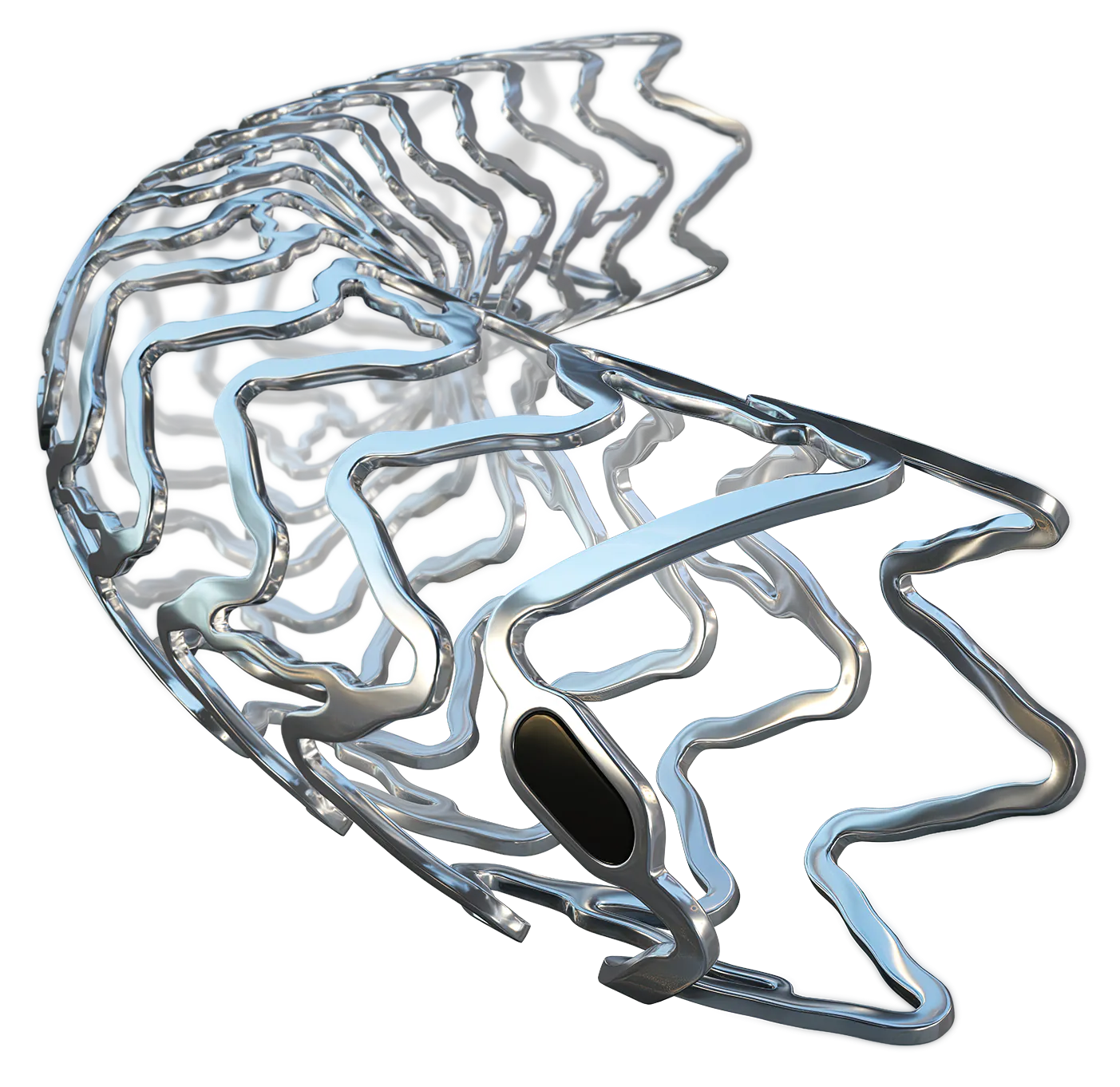 June 11, 2026—Teleflex Incorporated announced long-term follow up data from the first-in-human BIOMAG-I clinical study of the company’s third-generation Freesolve resorbable magnesium scaffold (RMS).
The company stated that the BIOMAG-I study enrolled 116 patients at European centers. The 4-year BIOMAG-I findings were presented in May at the EuroPCR conference by Professor Jan Torzewski, MD, who is from Klinikverbund Allgäu in Kempten, Germany.
According to the company, the study demonstrated no cardiac death, no target-vessel myocardial infarction (TV-MI), and no definite or probable scaffold thrombosis through 4 years.
Additionally, the study continued to demonstrate a favorable long-term safety profile, with no new cardiac related events observed between 2 and 4 years of follow-up, stated Teleflex.
The company reported that the target lesion failure rate was 3.5%, impelled clinically driven-target lesion revascularization, with only one event occurring beyond the 1-year resorption period of the scaffold.
Professor Michael Haude, MD, Principal Investigator of the BIOMAG-I study, commented on the study findings in the Teleflex press release.
“These long term BIOMAG-I first-in-human study data continue to support the safety and performance of the Freesolve scaffold,” stated Prof. Haude. “The absence of cardiac death, target vessel myocardial infarction, or scaffold thrombosis throughout 4 years, combined with the very low target lesion failure rate, is highly promising and aligns with the vascular healing response we aim to achieve with bioresorbable technologies.”
Teleflex advised that these results provide a strong foundation for the ongoing BIOMAG II and pending BIOMAG III randomized controlled trials, which seek to demonstrate the potential of the Freesolve RMS as a competitive alternative to contemporary drug-eluting stents.
The Freesolve RMS, which is also clinically referred to as Dreams 3G, is commercially available only in countries recognizing CE Mark. In the United States, the device is limited by federal law to investigational use, stated Teleflex.
Advertisement
Advertisement