Advertisement
Advertisement
September/October 2026
Sponsored by Penumbra, Inc.
Vessel Preparation in Primary PCI: Optimizing Visualization and Procedural Success
For patients presenting with ST-segment elevation myocardial infarction (STEMI),* timely restoration of coronary blood flow remains the primary objective of percutaneous coronary intervention (PCI). However, the presence of significant thrombus burden can complicate lesion assessment, impair visualization of the underlying culprit plaque, and increase the risk of distal embolization, slow flow/no reflow, and suboptimal stent deployment. As procedural strategies continue to evolve, vessel preparation has become an increasingly important component of PCI, allowing operators to establish flow, define lesion morphology, and optimize subsequent intervention before permanent therapy is delivered.
Mechanical aspiration thrombectomy offers an approach to reducing thrombus burden while preserving procedural efficiency. By removing thrombus before balloon angioplasty or stent implantation, operators can better visualize the target lesion, facilitate appropriate device selection, and minimize complications associated with thrombotic PCI. Operators of the CHEETAH* Study, a trial demonstrating the safety and performance of Penumbra’s Indigo CAT™ RX* Aspiration Catheter in a population presenting with acute high thrombus burden coronary vessel occlusion during PCI, reported that CAT RX enhanced visualization of the target lesion in 94.72% of cases. The following case demonstrates how the CAT RX System (Penumbra, Inc.) was used as a vessel preparation strategy in a patient presenting with high-risk STEMI, ultimately resulting in complete revascularization with restoration of Thrombolysis In Myocardial Infarction (TIMI) 3 flow.
*The safety and effectiveness of this device for use in the treatment of ST-Elevation Myocardial Infarction (STEMI) has not been established. Complications from the use of this device in this manner could lead to death, permanent impairment, and/or the need for emergency medical intervention.
Continuous Mechanical Aspiration Thrombectomy as Vessel Preparation in High-Risk Acute Coronary Syndrome

PATIENT PRESENTATION
A man in his mid 50s with a history of right coronary artery (RCA) PCI presented with acute-onset chest pain described as pressure radiating to the left arm, accompanied by diaphoresis. An ECG demonstrated an inferior STEMI,* prompting immediate cardiac catheterization laboratory activation.
INTERVENTION AND OUTCOME
Coronary angiography was performed via right radial access and revealed an acute thrombotic plaque rupture involving the proximal circumflex (Cx) artery.
The left main coronary artery was engaged with an EBU3.5 guiding catheter, and the culprit lesion was crossed using a Whisper guidewire (Abbott). Given the large thrombus burden, mechanical aspiration thrombectomy was performed using the Penumbra CAT™ RX System.* Postthrombectomy angiography demonstrated minimal residual thrombus in the Cx but additional occlusion into the left anterior descending (LAD) artery (Figure 1). The LAD was immediately crossed with a Whisper guidewire, and the same CAT RX catheter was advanced to successfully aspirate the thrombus, restoring TIMI 3 flow (Figure 2).
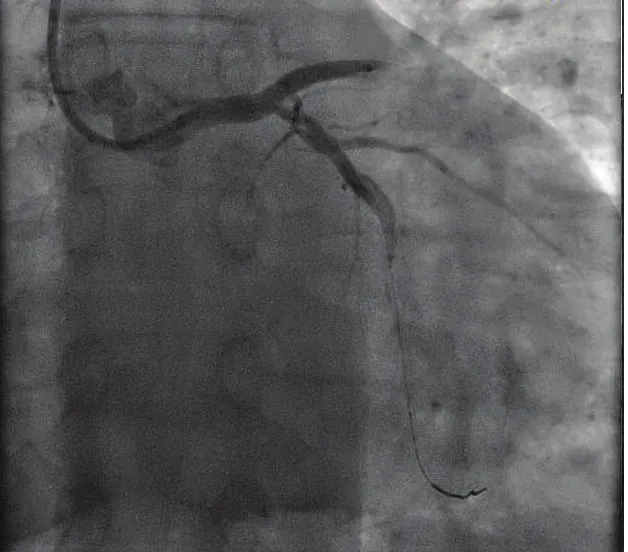
Figure 1. Procedural imaging of Cx and LAD.
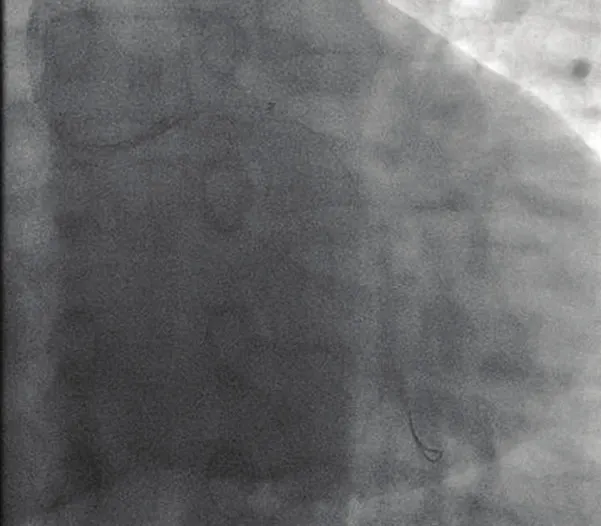
Figure 2. Accessing and thrombectomy of Cx artery.
The door-to-device time was 20 minutes, and total blood loss during aspiration was < 20 mL.
After vessel preparation, the proximal Cx lesion was treated with a 4.0- X 15-mm stent (Figure 3). Intravascular ultrasound confirmed excellent stent expansion and apposition without left main protrusion. Final angiography demonstrated TIMI 3 flow in both the Cx and LAD with no residual angiographic complications (Figure 4).
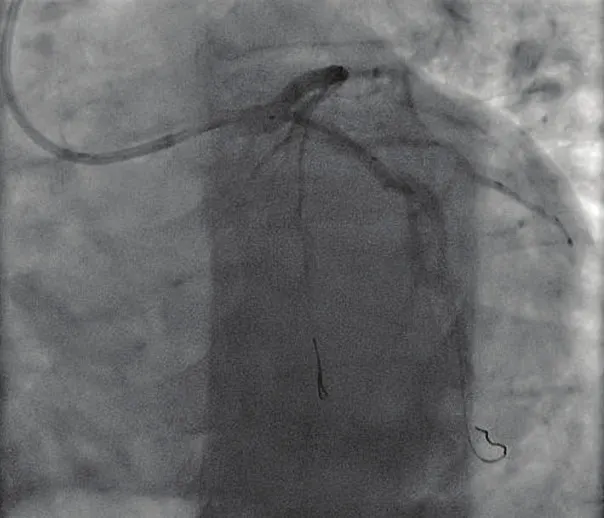
Figure 3. Post stenting of proximal Cx lesion.
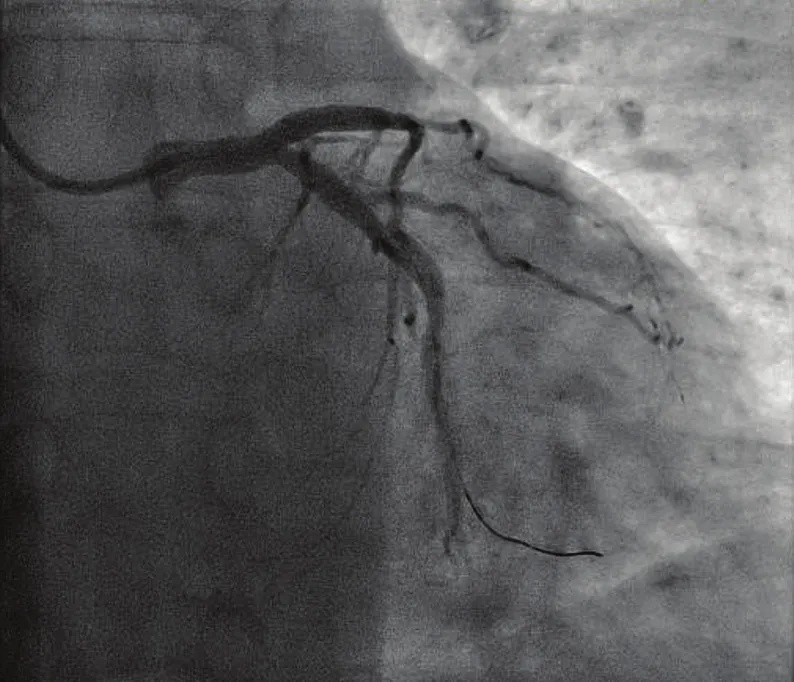
Figure 4. Post thrombectomy of Cx and LAD.
The patient remained hemodynamically stable throughout the procedure and was discharged to home 48 hours later. Follow-up echocardiography demonstrated preserved left ventricular systolic function.
TAKEAWAY
This case illustrates the value of mechanical aspiration thrombectomy beyond initial thrombus removal. The Penumbra CAT RX System facilitated vessel preparation by reducing thrombus burden and improving visualization of the culprit lesion. Restoring TIMI 3 flow before stent implantation allowed for definitive treatment of the underlying plaque rupture while avoiding postdilation and multiple balloon inflations. In this case, vessel preparation supported efficient PCI, optimized stent deployment, and contributed to an excellent clinical outcome with preserved ventricular function and prompt hospital discharge.
Disclaimer: The opinions and clinical experiences presented herein are for informational purposes only. Physicians’ techniques and treatment decisions will vary based on their medical judgment and protocol requirements. The results may not be predictive of all patients. Individual results may vary depending on a variety of patient-specific attributes. https://www.penumbrainc.com/pdf/brief-summaries-risk-statement/
Advertisement
Advertisement