Advertisement
Advertisement
May/June 2026
Sponsored by Shockwave Medical
Shockwave™ Intravascular Lithotripsy: Redefining Calcium Modification Through Data-Driven Innovation
What is the mechanism of action (MOA) of Shockwave Intravascular Lithotripsy (IVL)? What makes it unique?
Shockwave IVL’s MOA consists of the energy-based production of tuned ultrasonic acoustic pressure waves or “Shockwaves.” This unique acoustic waveform prioritizes patient safety without compromising efficacy for the modification, fracture, and fragmentation of calcified occlusive arterial disease (Figure 1).1
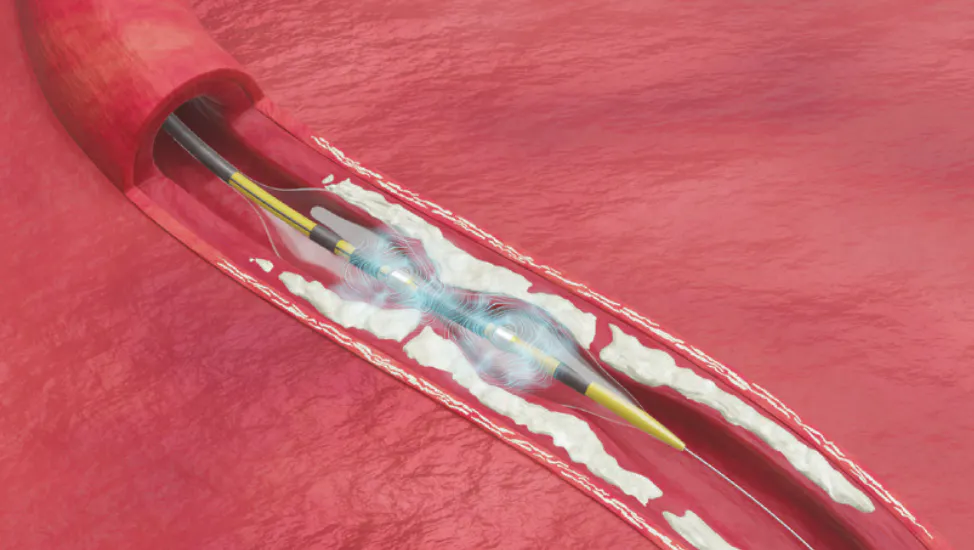
Figure 1. Ultrasonic acoustic pressure waves are generated by passage of electricity through emitters within Shockwave IVL balloon catheters. Low-pressure balloon inflation reduces vessel barotrauma and Shockwaves crack hard calcium without damaging soft tissue, resulting in the unrivaled combination of efficacy and safety.
Prior to the commercialization of our first device, Shockwave invested nearly a decade learning the principles of extracorporeal lithotripsy, a technology used to treat kidney stones, and adapting its use for the vascular space. Eventually, an early prototype was developed that cracked the hard shell of an egg while keeping its internal membrane intact—Shockwave IVL’s unique eureka moment (Figure 2)!
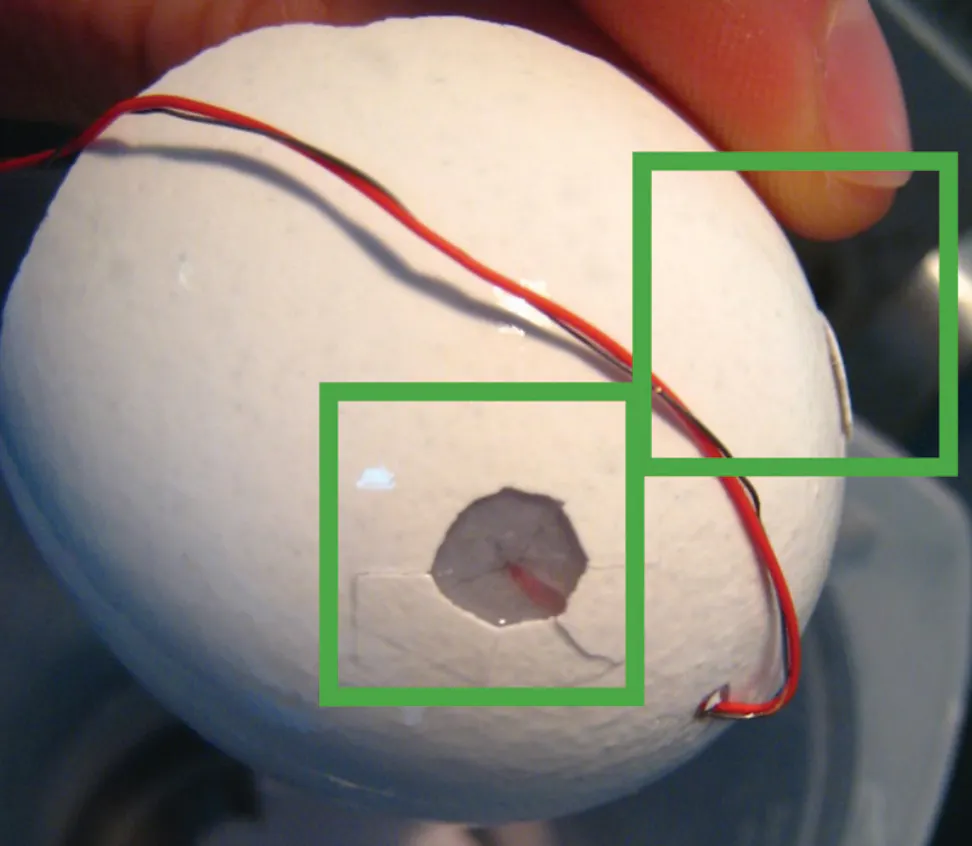
Figure 2. Shockwave IVL’s eureka moment with an early catheter prototype cracking an egg’s shell while leaving its inner membrane intact.
With this milestone achieved, further innovation ensured that the Shockwave acoustic output was consistent circumferentially around the catheter, longitudinally across the catheter, and from initial to last Shockwave delivered per catheter. The combination of a specific acoustic waveform, Shockwave’s unique emitter design, strategic emitter placement, and energy delivery brought forward the predictably safe and consistently effective IVL catheters that physicians know today (Figure 3).
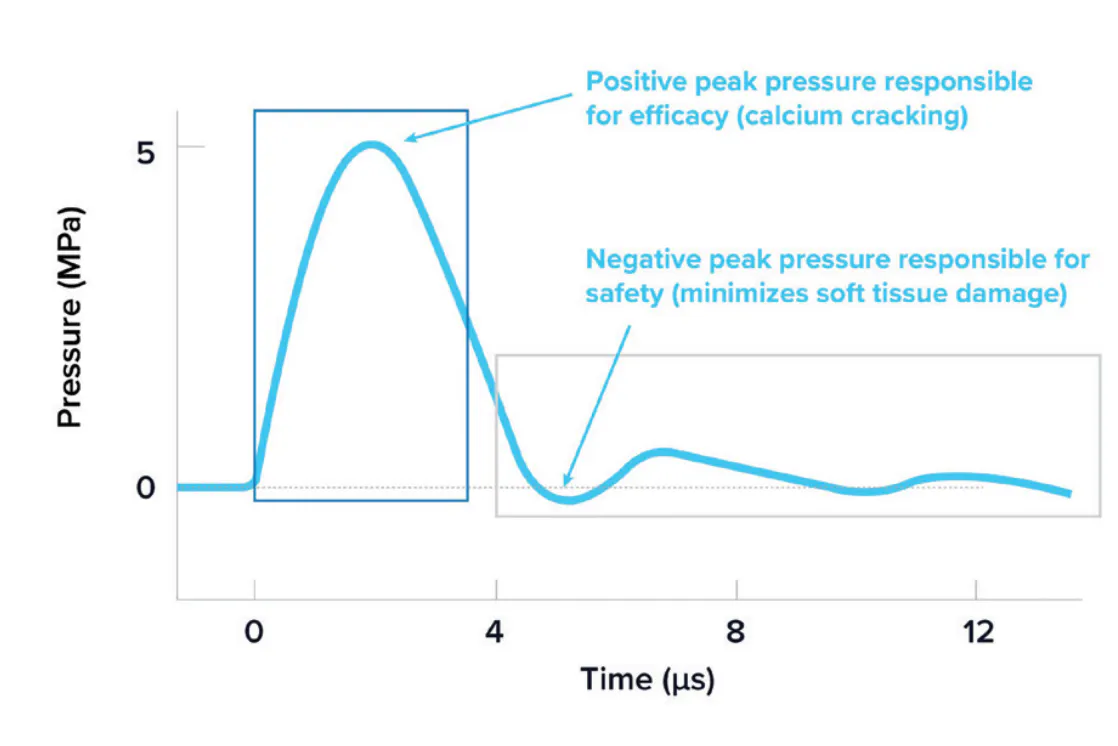
Figure 3. Shockwave IVL’s ultrasonic acoustic pressure waves have an instantaneous, high-amplitude positive peak pressure to maximize compressive stress, enabling effective calcium cracking. The low and long negative peak pressure minimizes soft tissue damage due to tensile stress. This results in a predictably safe and consistently effective MOA for modifying calcium.
How has Shockwave IVL’s MOA been validated? What do these data mean for Shockwave IVL and the IVL space at large?
Our predictably safe and consistently effective MOA has been validated by nearly 25,000 published patient outcomes across more than 600 scientific publications. This robust body of clinical evidence is specific to Shockwave’s MOA and has enabled our technology to become the most frequently used calcium modification tool globally.2
Shockwave stands apart, as we always report serious angiographic complications immediately following the use of IVL, as opposed to at the end of the procedure, to reassure users of device-related safety. We’ve shown very low occurrence of dissection, perforation, distal embolization, and persistent slow flow or no reflow (Figure 4). Minimizing potential post-IVL complications matters most because it reduces patient risk and the need for unplanned stenting or other interventions, and it keeps procedures on track.
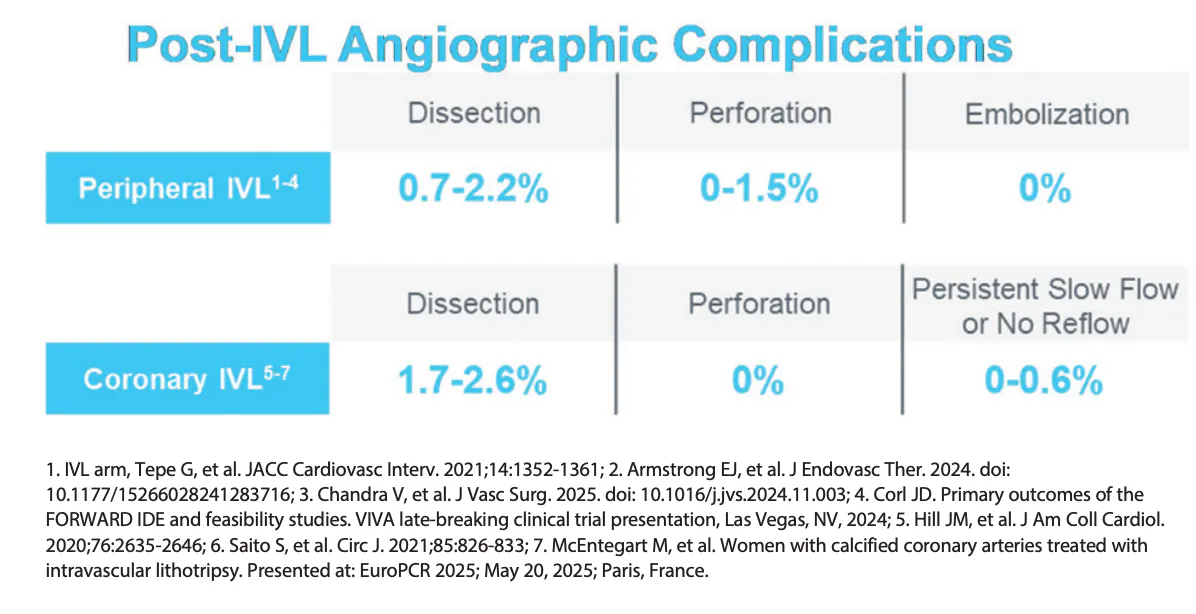
Figure 4. Shockwave is the only IVL manufacturer to date with published angiographic complications immediately following device use, thereby supporting safety.
Additionally, both large real-world registries and smaller randomized studies have continued to demonstrate Shockwave IVL’s consistent effectiveness, including superiority over conventional approaches in both complex peripheral and coronary calcified lesions.3,4 These foundational data provide physicians with clinical validation of Shockwave IVL’s ability to modify calcium safely and reliably and to improve vascular compliance regardless of calcium morphology, patient presentation, demographics, or geography.5
How does Shockwave think about clinical evidence moving forward?
Shockwave has been relentless in the pursuit of a solid bedrock of clinical evidence to demonstrate safety and efficacy in what are very challenging patient and lesion populations. We have consistently invested substantial resources into rigorous research, determined to provide physicians with clear, actionable data. Such dedication is evident in the breadth and depth of our clinical studies, carefully designed to mirror the complex scenarios that clinicians encounter daily, ensuring the clinical evidence is relevant, actionable, and translatable to everyday clinical practice.
To date, we have supported more than 70 clinical studies—both company-led and investigator-initiated. Looking to the future, we are planning an additional 50 clinical studies between 2025 and 2029. Each of these studies not only helps bring transformative solutions to market but also plays a critical role in establishing the robust clinical evidence needed for physicians worldwide to adopt Shockwave IVL with confidence as a routine tool in their clinical armamentarium.
Overall, our current body of clinical evidence and forward-thinking strategy are deeply aligned with our product portfolio and philosophy of innovation. Broad, purposeful, versatile, and proprietary, our portfolio continues to evolve, driven by real-world insights and an unwavering pursuit of excellence in patient outcomes.
Shockwave Medical has a new device coming to market—Shockwave C2 Aero. What changes have been made with Shockwave C2 Aero, and what do existing clinical data tell us about its potential patient impact?
Shockwave C2 Aero, our next-generation coronary IVL catheter, makes our unique, predictably safe, consistently effective MOA more deliverable, crossable, and easier to reposition in more diseased lesion types.
Shockwave C2 Aero has been completely redesigned with a new tapered tip, new balloon material, hydrophilic coating, and more flexible marker bands in order to address the major pain point of deliverability and crossability in highly stenotic and tortuous calcified anatomies (Figure 5). With these new features, Shockwave C2 Aero can navigate complex arterial pathways with greater ease and reduce the need for additional tools such as guide extensions and buddy wires that have previously been necessary to treat difficult-to-reach areas.6 Additionally, Shockwave C2 Aero’s balloon rewrap performance has been improved to make it easier for physicians to treat multivessel and diffuse disease with a single catheter. Finally, and maybe addressing a common complaint from physicians, a 50% shorter pause between pulse cycles enables greater time efficiency when Shockwave C2 Aero is used.
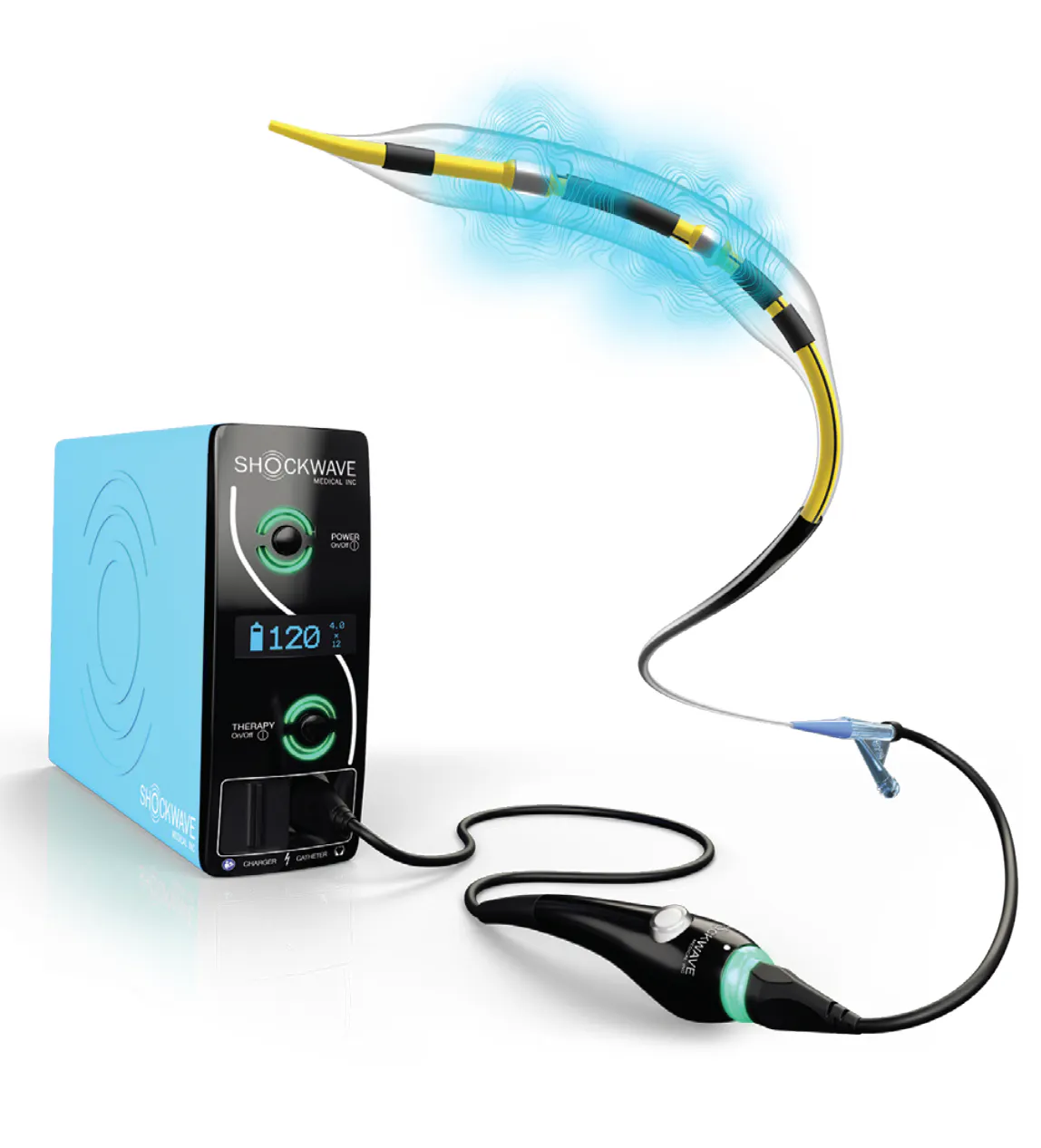
Figure 5. Shockwave C2 Aero has been completely redesigned to treat a wider variety of diseased lesions.
Through these improvements, Shockwave C2 Aero now enables IVL to be used in more patients and a wider spectrum of diseased lesions. This broadened impact ensures that we continue to reset the standard of IVL performance and patient care within percutaneous coronary interventions.
Where does Shockwave IVL fit in the future of calcium modification?
Shockwave is the proud pioneer of IVL, continuously focused on what’s next. Our portfolio of vessel-specific IVL devices will continue to expand with a commitment to launching at least one new catheter per year until 2030 and beyond. This ongoing pursuit is not just about advancing technology—it’s also about broadening the evidence base to further demonstrate safety and efficacy across a diverse range of patients and complex lesion types.
In short, our leadership in the IVL field is set to remain unmatched. We continue to push the boundaries of what’s possible in vascular intervention with upcoming IVL technologies underpinned by validating evidence. Shockwave IVL is not only shaping the present but also securing its role as the standard-bearer for the future of all calcium modification therapies.
1. Kereiakes D, Virmani R, Hokama J, et al. Principles of intravascular lithotripsy for calcific plaque modification. J Am Coll Cardiol Interv. 2021;14:1275-1292. doi: 10.1016/j.jcin.2021.03.036
2. Butala NM, Waldo SW, Secemsky EA, et al. Use of calcium modification during percutaneous coronary intervention after introduction of coronary intravascular lithotripsy. J Soc Cardiovasc Angiogr Interv. 2024;3:101254. doi: 10.1016/j.jscai.2023.101254
3. Kristensen AT, Christiansen EH, Holm NR, et al. Balloon lithotripsy added to conventional preparation before stent implantation in severely calcified coronary lesions. J Am Coll Cardiol Interv. 2026;19:331-341. doi: 10.1016/j.jcin.2025.09.028
4. Armstrong E. One-year outcomes from the Disrupt PAD BTK II: treatment of patients with calcified below-the-knee lesions with a peripheral intravascular lithotripsy system. Presented at: Vascular InterVentional Advances (VIVA) 2025; November 3, 2025; Las Vegas, Nevada.
5. Oliveri F, van Oort MJH, Phagu A, et al. Coronary artery compliance modification after noncompliant balloon angioplasty and intravascular lithotripsy. Am J Cardiol. 2026;268:136-141. doi: 10.1016/j.amjcard.2026.01.011
6. Data on file, Shockwave Medical. Based on simulated use bench testing. Based on feedback from physicians who participated in the Limited Market Release Survey.
Nick West, MD
Chief Medical Officer
Shockwave Medical
Johnson & Johnson MedTech
Santa Clara, California
Disclosures: Employee of Shockwave Medical.
Advertisement
Advertisement