Advertisement
Advertisement
July/August 2026 Supplement
Sponsored by Salus Scientific
Spartanburg Regional and Salus Lab™: Building the Future of Radiation Safety Programs
One organization’s goal to develop and refine their radiation safety program with integrated solutions from Salus Scientific.
“Radiation safety extends well beyond the procedure room,” says Dana Gilbert, Manager, Cardiac Cath/EP Lab at Spartanburg Regional Healthcare System in Spartanburg, South Carolina. As health systems continue to prioritize occupational wellness, regulatory readiness, and operational efficiency, there is growing recognition that successful radiation protection programs require more than protective equipment alone—they require a comprehensive strategy.
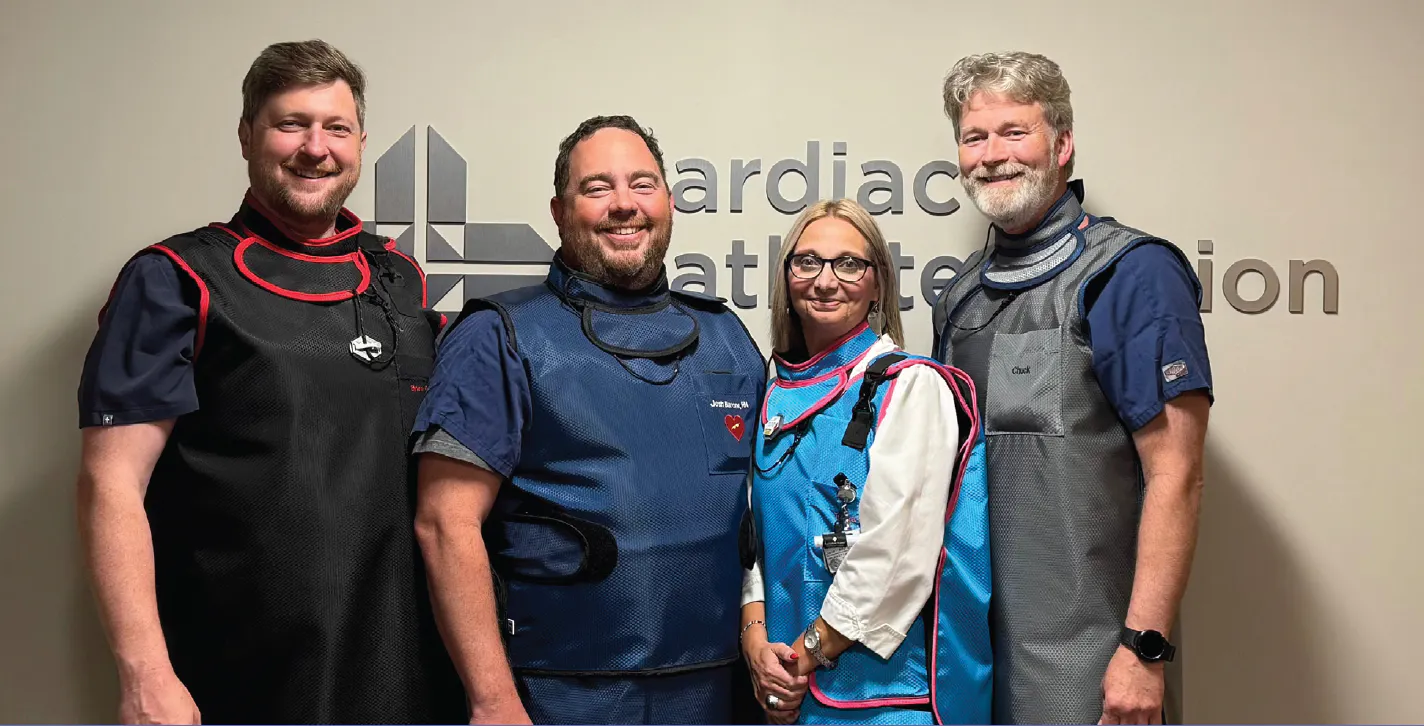
Figure 1. Left to right, Dr. Brian Brown, Josh Barone (Charge Nurse EP), Dana Gilbert (Manager, CCL), and Chuck Clark (Charge Nurse, CCL).
Salus Lab™ was developed to support this broader vision by helping health care organizations centralize key elements of their radiation safety program, including protective garment management, staff education, compliance documentation, and long-term program oversight. By bringing these components together, institutions can strengthen consistency, improve accountability, and simplify day-to-day program management.
SALUS LAB™: KNOW WHAT YOU HAVE. TRUST WHAT YOU ARE USING.
- Digital inventory management
- Inspection and compliance documentation
- Utilization insights across the department
- Streamlined replacement planning
- Maternity loaners
- Recall readiness and quality assurance
- Subscription model with built-in savings, warranties, and predictable budgeting
Spartanburg Regional Healthcare System in Spartanburg, South Carolina, is collaborating with Salus Scientific as the organization continues to develop and refine this integrated approach. Through this partnership, both teams are identifying opportunities to streamline radiation safety workflows while supporting clinicians, administrators, and radiation safety leaders with practical tools designed for real-world clinical environments.
As health care organizations face increasing demands around staff safety, equipment management, and quality initiatives, integrated solutions such as Salus Lab™ have the potential to reduce administrative burden while providing greater visibility into the overall health of a radiation safety program.
This collaboration represents an important step toward a more connected model of occupational wellness, one that combines technology, clinical expertise, and operational best practices to better support the professionals who care for patients every day.
Future publications will share additional insights and lessons learned as the collaboration progresses, highlighting how integrated radiation safety programs can help health care organizations strengthen culture, improve efficiency, and advance protection for the entire care team.

Advertisement
Advertisement