Advertisement
Advertisement
July/August 2026 Supplement
Sponsored by Salus Scientific
Carrying the Weight: How GLiFT™ Saved My Occupational Health in the Lab
Offloading the weight of traditional lead while maintaining effective radiation attenuation, GLiFT™ is one part of the global solution for total suite protection.
Heavy lead aprons. Long cases. Awkward positions. Repetitive strain. Chronic neck pain. Chronic back pain and fatigue. Lumbar injuries. Orthopedic surgery. In more than 35 years in the lab, I’ve had them all. My four back surgeries topped it off (Figure 1)!
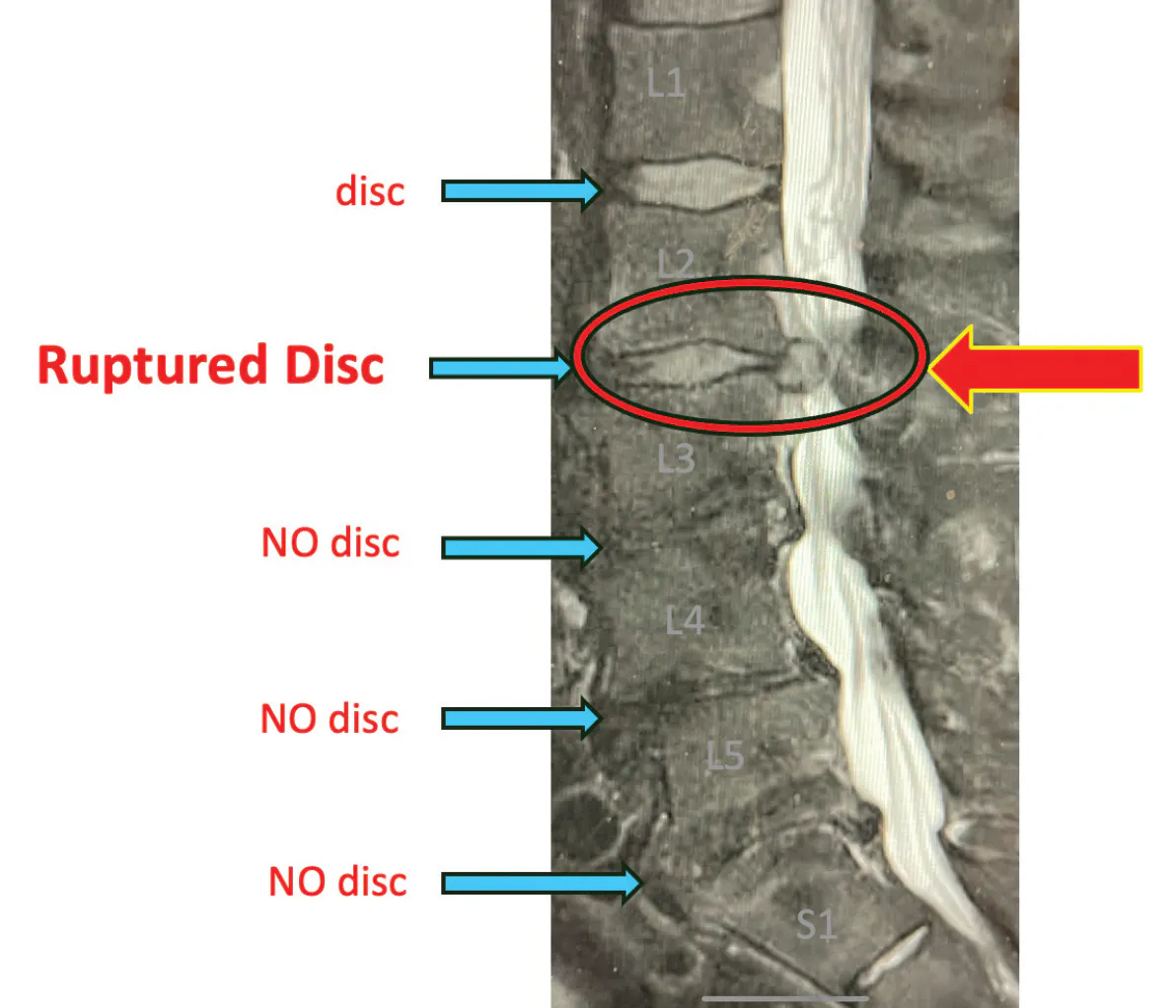
Figure 1. Effects of wearing a heavy lead apron for over 35 years of practice. The red circle shows a ruptured disc with no space for the spinal column or cerebrospinal fluid (red arrow), resulting in pain, multiple spinal procedures, and 24 weeks away from the cath lab.
A 2025 Society for Cardiovascular Angiography and Interventions (SCAI) survey highlighted the significant occupational toll of working in the cath lab, finding that two-thirds (66%) of respondents reported musculoskeletal (MSK) pain associated with wearing heavy lead aprons during procedures.1 Chronic orthopedic injuries, particularly involving the spine, neck, and back, remain common among interventionalists and staff exposed to years of scatter radiation environments and prolonged use of heavy lead aprons. These aprons are intended to be “protective,” but they end up being the source of countless occupational health issues. The findings from this SCAI survey and other similar referendums reinforce a growing need for better radiation protection strategies, ones that reduce exposure without creating a separate ergonomic burden.
Unfortunately, these tradeoffs have become so normalized in fluoroscopy-guided medicine that I—and many of my colleagues—have seen them as unavoidable consequences of treating patients, but this does not need to be the case. A growing number of physicians and staff are beginning to challenge that very painful compromise. It’s time for a change—and that change entails creating innovative shielding systems and altering the ergonomics of wearing heavy aprons.
At the center of that transformation is the GLiFT™ system (Salus Scientific), a novel radiation protection platform designed not only to shield health care professionals from scatter radiation, but also to fundamentally rethink how protective weight is carried in the lab. For me personally, the GLiFT™ system has become an essential tool for “career preservation.” I simply could not continue to do interventions without GLiFT™.
SOLVING A PROBLEM THE INDUSTRY HAD JUST ACCEPTED—AND MAYBE EVEN IGNORED
Traditional lead apparel places substantial weight directly on the shoulders, neck, and spine. Over years of procedural work, that cumulative stress often becomes debilitating. The goal at Salus is simple but ambitious: reduce orthopedic strain without compromising procedural workflow, mobility, or radiation protection.
Enter GLiFT™, short for “Gravity-Longitudinal Individualized Force Transfer,” which was developed to directly address the burden of load bearing. Instead of allowing the weight of radiation protection to compress the spine and shoulders, the system incorporates a patented exoskeleton to transfer load to the iliac crest through an orthopedic force-transfer principle (Figure 2).
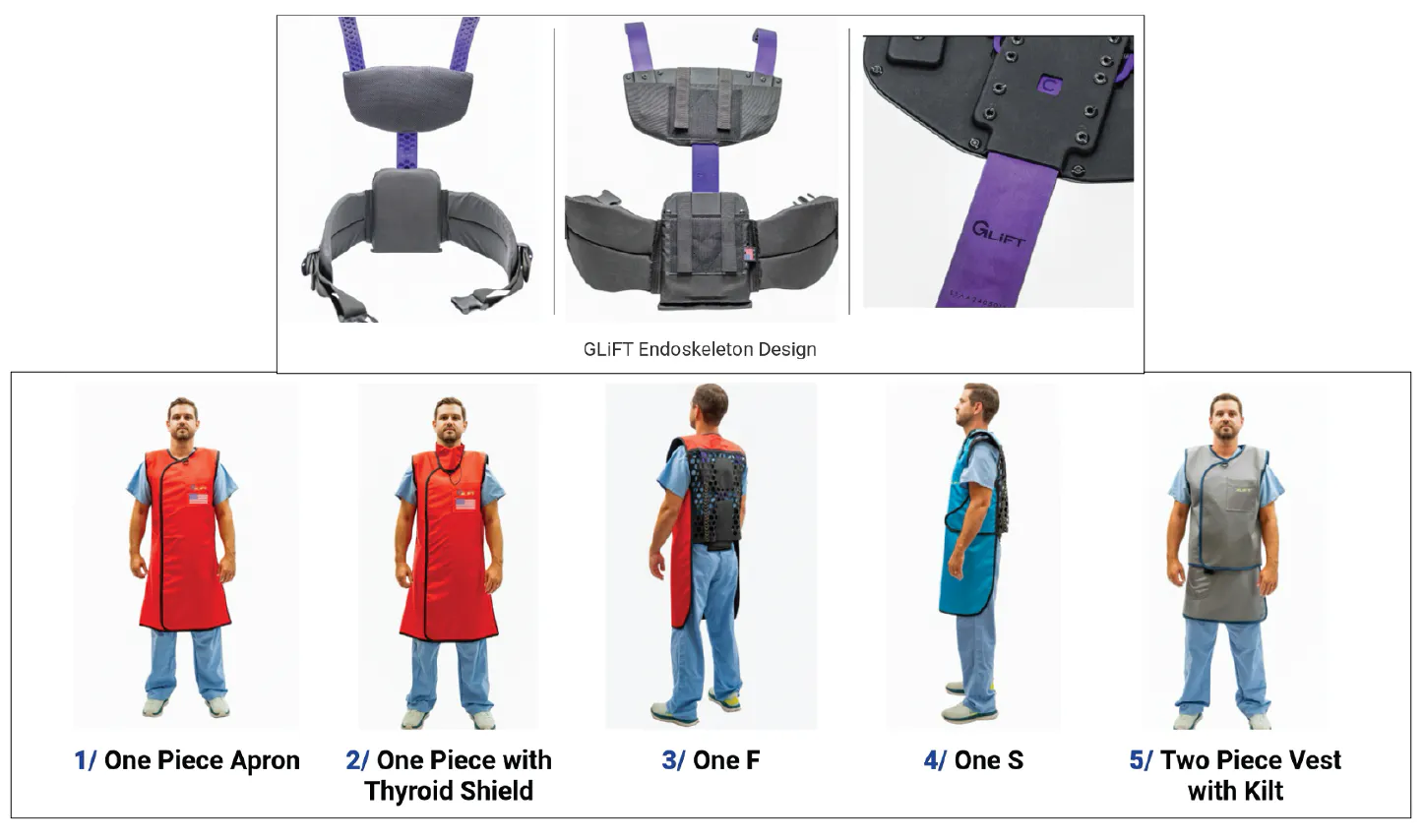
Figure 2. GLiFT™ endoskeleton design and available apron configurations.
What makes GLiFT™ different is that it wasn’t designed as a gimmick or an accessory. It was designed to solve a very real problem that has shortened careers and physically damaged operators like me for years. Inside each GLiFT™ system and all their personal protection garments, Salus uses a long-proven core material, a very high-quality formulation that hasn’t changed in over 15 years, giving me the peace of mind that I’m fully protected from the scatter radiation. At the same time, the redistribution of weight is game-changing.
FROM CONCEPT TO CLINICAL REALITY
The system’s creators, an orthopedic surgeon (Dr. Richard Moore) and an interventional cardiologist (Dr. Bill Buchanan) recognized that, while radiation protection standards had improved over the years, orthopedic wellness had lagged behind. Operators and staff still routinely carried 15 to 25 lb of protective weight on their upper spine for hours each day. To address this issue, they envisioned a system that redirects weight to the hips, mirroring principles already proven in backpacking and load bearing in other high-strain professions. Rather than carrying the weight of the lead on the shoulders like conventional aprons, the GLiFT™ system integrates an internal support structure that transfers all the weight to the hips.
For me, donning GLiFT™ the first time was like a eureka moment! You notice the difference immediately…no strain on my shoulders and back—what a new feeling! In practice, I can only last 30 to 60 minutes wearing traditional lead aprons, but wearing GLiFT™, I can go 8 to 10 hours and perform 3- to 4-hour cases without fatigue or pain in my back or neck. It has literally enabled me to extend my career.
EVIDENCE BEYOND COMFORT
Many ergonomic products rely heavily on anecdotal feedback alone. For GLiFT™, Salus has committed to generating formal biomechanical data. A pilot study conducted at the University of North Carolina Wilmington evaluated muscle activity while physicians wore the system during simulated procedural positions. Investigators recorded reduction in trapezius muscle activation, particularly during extreme ergonomic positions such as left radial access cases. The study demonstrated a significant reduction of muscle strain and highlighted the potential orthopedic benefits of force-transfer technology in the fluoroscopy suite.2
For clinicians already struggling with chronic pain, the concept resonates deeply. Radiation protection is essential, but orthopedic protection matters too. Physicians cannot continue taking care of patients if their own body is breaking down or if they are distracted by ongoing back or neck pain. Or, as happened to me, if you are out of the lab for 24 weeks of a single year because of sequential back surgeries.
A SHIFT IN CULTURE
I am extremely passionate about both orthopedic relief and protection from scatter radiation. We have normalized pain in this profession. Colleagues joke about bad backs and neck surgeries like they’re badges of honor; this should not be the case—nor does it need to be any longer. Fortunately, the conversation around occupational wellness is finally shifting from acceptance to prevention. The next generation of operators should not be required to choose between protecting themselves against scatter radiation versus protecting against orthopedic injury.
Today’s interventionalists are finally getting increasingly vocal about radiation exposure, fatigue, burnout, and MSK injury. It’s time for change. Younger physicians entering practice are also asking different questions, not just about procedural success rates but about career sustainability. This attitude reflects a broader realization that occupational wellness is not separate from patient care, it is essential to it.
If we want experienced operators performing at a high level for decades, we need to protect them. This is ultimately about preserving careers, preserving expertise, and preserving the people who take care of patients every day (Figure 3).
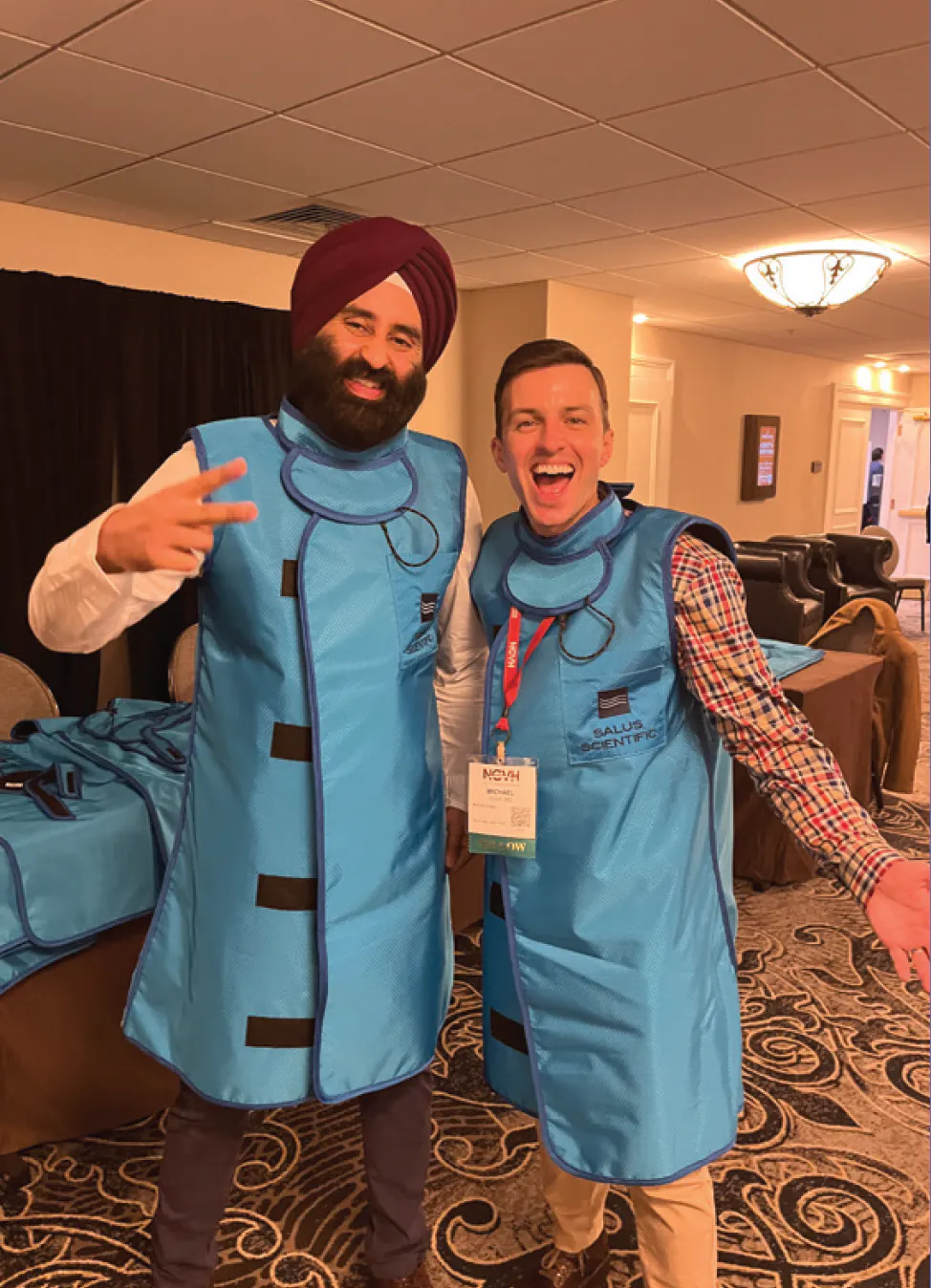
Figure 3. Physicians wearing the GLiFT™ at the Fellows Cadaver Lab at New Cardiovascular Horizons in May 2026.
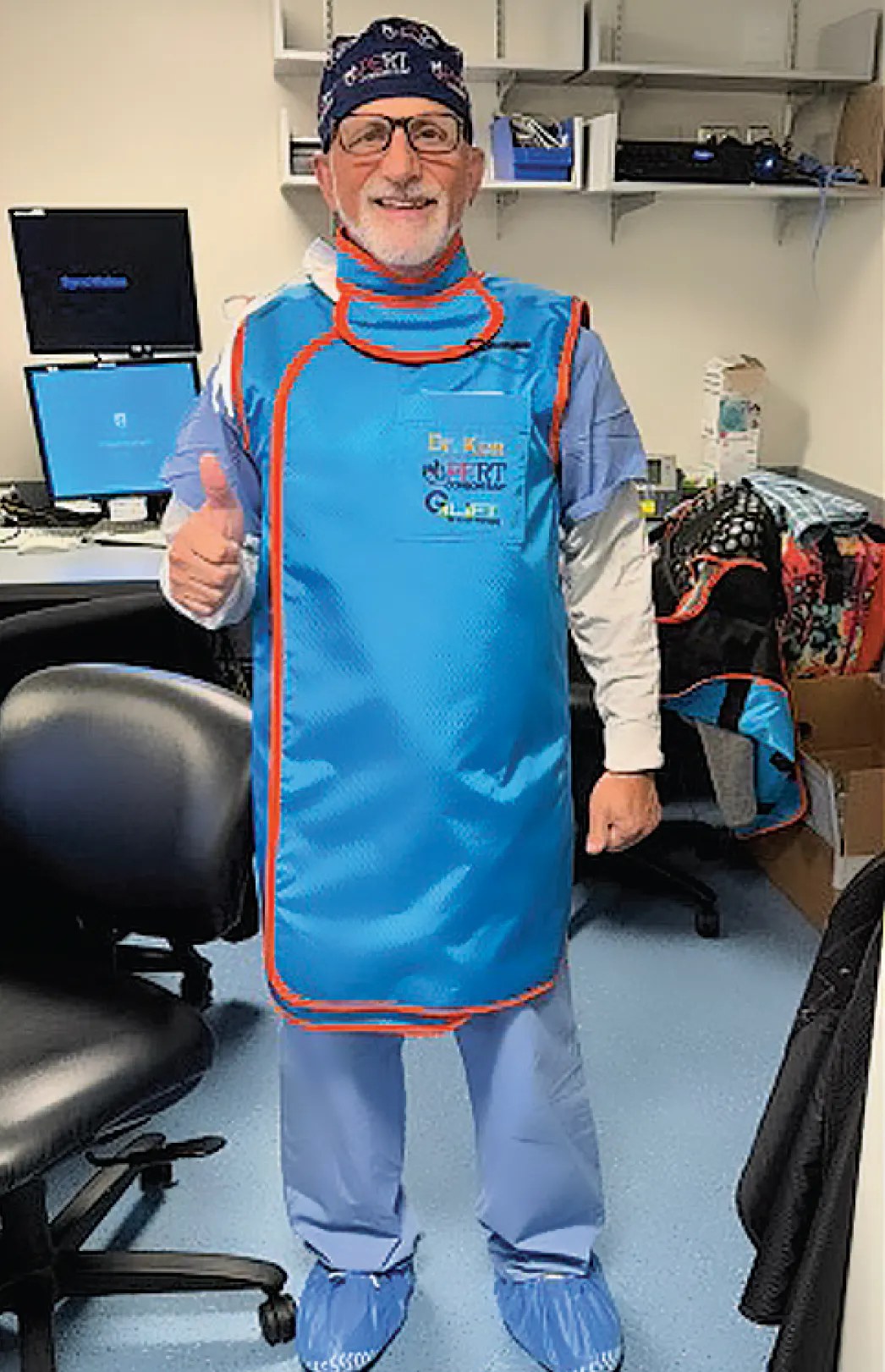
Figure 4. Photo of myself in the cath lab donning my GLiFT™.
I WOULDN’T BE ABLE TO PRACTICE WITHOUT GLIFT™
To me, GLiFT™ sits at the center of this evolving conversation. It is one tool that is a component of the global solution for cath lab protection. AeroShield™ is another tool (see page 10). Until such complete protection is available and for cases that require apron use, GLiFT™ is a life saver. This system has enabled me to continue practicing interventional cardiology and vascular intervention at the level I expect of myself (Figure 4). I would not be practicing without it.
“If you are early in your career, you should get on the GLiFT™ bandwagon now. If I had been using GLiFT™ 20 or 25 years ago, I would have avoided back surgery altogether. My back would be much healthier, and I would have avoided the associated chronic pain. Physicians, nurses, and technologists in their early or mid-career should be insisting that their institution provide GLiFT™ for them in the interest of occupational wellness and preservation of the workforce.” –Kenneth Rosenfield, MD, MHCDS
1. Abudayyeh I, Dupont AG, Hermiller JB, et al. Occupational health hazards in the cardiac catheterization laboratory: results of the 2023 SCAI survey. J Soc Cardiovasc Angiogr Interv. 2025;4:102493. doi: 10.1016/j.jscai.2024.102493
2. Salus Scientific press release. Pilot study demonstrates GLiFT radiation protection system reduces muscle activity and strain for healthcare providers. Published September 6, 2024. Accessed June 30, 2026. https://www.prweb.com/releases/pilot-study-demonstrates-glift-radiation-protection-system-reduces-muscle-activity-and-strain-for-healthcare-providers-302240171.html

Advertisement
Advertisement