Advertisement
Advertisement
September/October 2024
The Scope of Racial, Ethnic, and Socioeconomic Disparities in TAVR Access and Proposed Solutions
The current landscape of health disparities in and access barriers to TAVR and promising collaborative solutions, including the TARGET: Aortic Stenosis Initiative.
By Shreya D. Mehta, BA, BS; Kriyana P. Reddy, BS; Jay S. Giri, MD, MPH; and Ashwin S. Nathan, MD, MS
Transcatheter aortic valve replacement (TAVR) has revolutionized care for patients with aortic stenosis (AS).1 In many patients with AS, it has been found to be as effective as surgical aortic valve replacement (SAVR), frequently safer, and more cost-effective for patients with severe AS, regardless of predicted surgical risk.2,3
Unfortunately, while this procedure has increased in use, adoption has not been equitable. Approximately 91% of patients undergoing TAVR in the United States are White.4 Moreover, the procedural choice of TAVR versus SAVR has been associated with patient socioeconomic status and, given the intersectional nature of inequalities, race, and ethnicity, has resulted in biased procedural selections. A recent study found that the ratio of TAVR to SAVR procedures decreased with lower community income.5 David et al found a similar negative association between deprivation ranking (a zip-code level indicator of socioeconomic distress) and increased utilization of the TAVR procedure, with no such association for coronary artery bypass graft procedures.6 These studies highlight the inequitable availability of this revolutionary technology.
SOURCES OF INEQUALITY
Differential Adoption
One frequently cited source of inequitable access to the TAVR procedure is the differential adoption of this technology across hospitals, closely linked to other geographic and socioeconomic disparities.7 Establishment of TAVR programs has been more common in metropolitan areas, specifically among hospitals that serve patients with higher median household incomes. These centers tend to be teaching hospitals with larger bed sizes, both indicators of established institutions often affiliated with a university or academic center. The disproportionate distribution of this technology results in barriers for those living in rural areas or experiencing logistical barriers, such as an inability to afford transport to or lodging near these metropolitan institutions.
Adoption and rollout of this procedure is costly—for both the technology and the training of personnel.8 Medicare reimbursements for TAVR vary greatly due to adjustments for geographic regions, making adoption financially challenging or prohibitive for hospitals in select areas of the country. This is significant because the Centers for Medicare and Medicaid Services (CMS) is the primary payer for roughly 90% of TAVR hospitalizations.9 This financial structure reinforces gaps in procedural availability and promotes inequities. One study found the cutoff point for the per-patient contribution margin to become positive at the average hospital nationally was roughly 50 annual TAVR cases.10 More than 100 TAVR sites perform < 50 annual TAVR cases.11 Extensive use is more achievable in larger-scale centers, which are largely within metropolitan areas.
Differential adoption may also stem from upstream factors during the clinical trial phase, as trial sites are often early commercial adopters of technologies.12 For novel structural therapies, we found that relative to nontrial sites, trial sites tended to care for more socioeconomically affluent patients. A separate investigation found a persistent underrepresentation of women and racial and ethnic minorities in valvular heart disease trials.13 Thus, it is unsurprising that we see these disparities in early TAVR use when clinical trial sites, which include fewer minority patients in trials and serve wealthier individuals, played a significant role in the early commercial availability of this therapy.
Systemic Barriers to Care
Differences in adoption may not be the only factors driving inequitable access to TAVR. Another study from our group using Medicare claims data from 2012 to 2018 found that even in metropolitan areas where centers offering TAVR are in close proximity to patients, rates of TAVR were lower in zip codes with lower median household incomes and with a greater share of patients who identified as Black or Hispanic.14 This underscores the role of other social determinants of health, such as residential segregation of marginalized racial and ethnic minority communities in high-poverty areas with lower public investment, inadequate housing, unemployment, and limited transportation infrastructure, which can impede access to timely and appropriate care.
These disparities are not unique to TAVR and have been widely documented in relation to numerous other cardiovascular procedures, including minimally invasive mitral valve repair.15 However, the impact of these barriers is especially prevalent in the case of TAVR due to the complex series of steps required for treatment, each with its own inequalities outlined in Figure 1.13 For instance, a study found that Black and Asian patients were less likely to be diagnosed with AS after transthoracic echocardiography.16 Moreover, additional obstacles throughout the care continuum have been documented, including linguistic barriers, logistical and transportation constraints, and cultural distrust of the health care system.17,18 Gaskin et al found that the likelihood of a zip code being classified as a primary care shortage area increased with greater proportions of African American residents, implying that even primary care access, necessary for initial diagnosis and long-term follow-up, is often unattainable for majority African American neighborhoods.19 Solutions aimed at addressing disparities at each treatment step will be essential in order to democratize TAVR.
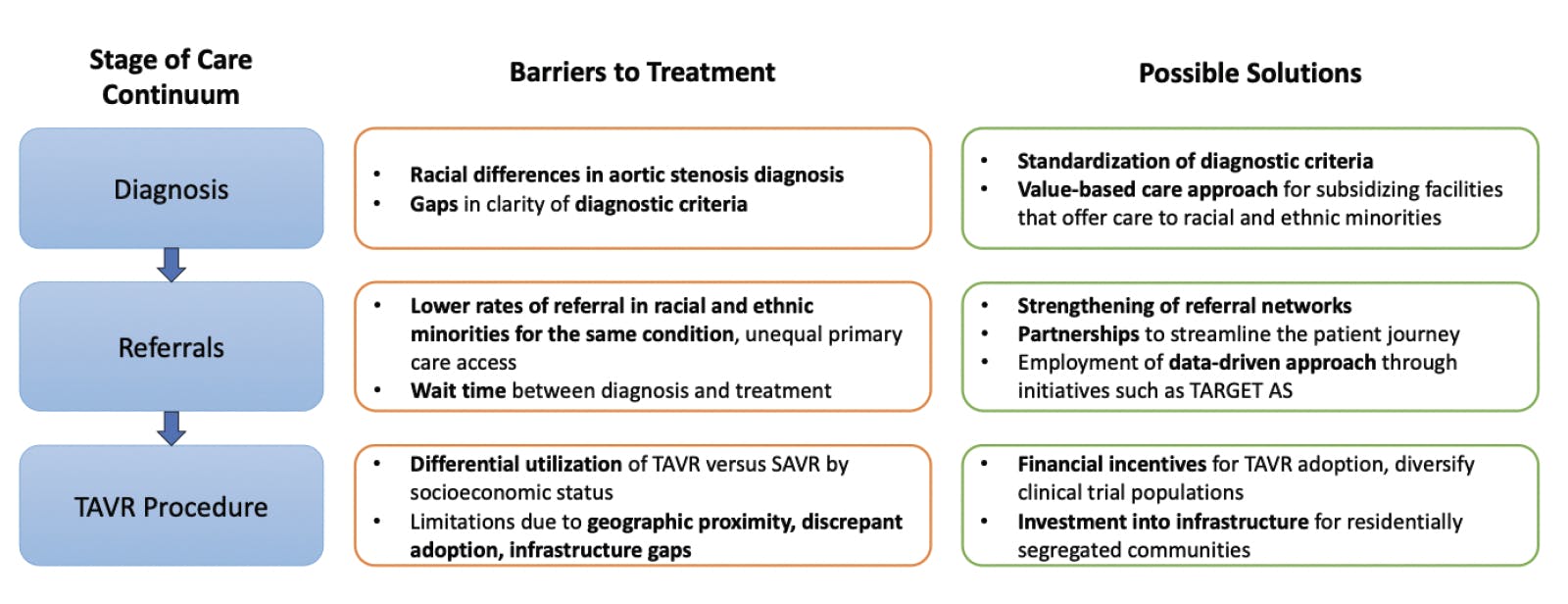
Figure 1. Barriers to treatment and possible solutions at each stage of the treatment journey, beginning from diagnosis through follow-up.
SOLUTIONS
There are proposed solutions that aim to incentivize the adoption of TAVR.20 Some have called for changes to CMS-mandated procedural volume requirements to enable smaller hospitals and rural centers to offer TAVR. Others have advocated instead for amendments to the reimbursement process itself to enable more hospitals to afford the procedure. Another larger-scale solution may be the implementation of a payment system that compensates hospitals for treating a higher proportion of vulnerable populations.21
Additional proposed reforms address limitations in other parts of the patient journey. For instance, expanding referral networks may enable greater access to other elements of care needed for diagnosis and follow-up. For instance, a Veterans Alliance hospital created an integrated structural heart clinic where TAVRs were performed at a partnering academic center, but many of the routine visits were performed in the hospital. This resulted in streamlined operations, a greater number of treated patients, and reduced wait times.22 To foster trust and health literacy in patients, which may also improve enrollment of racial minorities in clinical trials, partnering with communities and enabling them to participate in and help shape recruitment strategies may be effective strategies.23 Many solutions require collaborations between institutions, providers, and regulatory agencies, as seen in Figure 2.
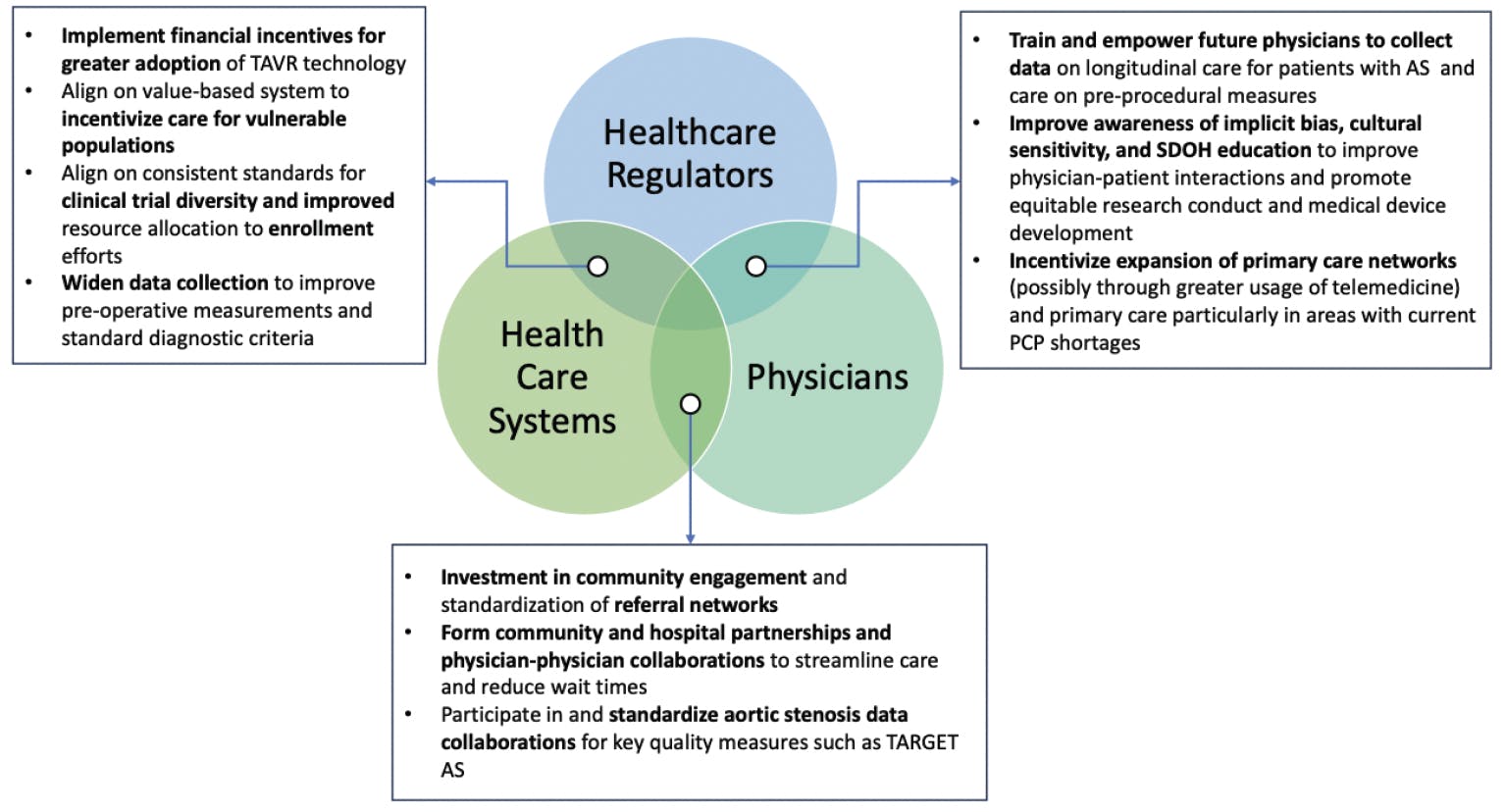
Figure 2. Proposed solutions requiring collaborations between stakeholders in health care. The locations of the intersection (depicted in white dots) indicate the stakeholders needed for the solutions listed in the connected boxes. PCP, primary care provider; SDOH, social determinants of health.
Lastly, refining data collection for novel interventions is imperative to contextualize the scope of disparities.24 Current databases such as the Society of Thoracic Surgeons/American College of Cardiology's Transcatheter Valve Therapy registry capture procedural and postprocedural outcomes without including data on the patients who were ultimately never seen in clinic or unable to navigate subsequent steps of treatment after the initial diagnosis. Given the myriad barriers disproportionately affecting racial and ethnic minority communities, elucidating the obstacles earlier in the patient journey could improve the quality and accessibility of the TAVR procedure.
TARGET: Aortic Stenosis, a multicenter initiative led by the American Heart Association and designed to collect data beginning from initial echocardiographic diagnosis, has been initiated with this goal in mind. Their pilot program included 15 sites of varied geography, size, and teaching status.25 Patients with either moderate or severe AS, as defined by echocardiogram, were included randomly; their subsequent encounter data were monitored regardless of receipt of aortic valve replacement. The authors found echocardiogram completeness to be 92%, but 51.8% of patients received either TAVR or SAVR within 90 days after diagnosis.
Novel process-oriented quality measures are being developed within this initiative to improve the rates of patients receiving definitive AS treatment in a timely manner. This expanding endeavor marks one of the first attempts at standardizing and collecting quality metrics to enable a stronger understanding of barriers at each stage, with an aim to improve outcomes and access to this procedure for patients.
CONCLUSION
Inequities exist in the availability of TAVR for patients in the United States. Fortunately, there exist data-driven solutions with promising potential. Given the complex nature of inequalities at each step in health care delivery and the patient journey, it is essential that health care regulators, hospital administrators, and providers collaborate on the solutions discussed in this article to propagate equity throughout the health care system.
1. Li SX, Patel NK, Flannery LD, et al. Trends in utilization of aortic valve replacement for severe aortic stenosis. J Am Coll Cardiol. 2022;79:864-877. doi: 10.1016/j.jacc.2021.11.060
2. Smith CR, Leon MB, Mack MJ, et al. Transcatheter versus surgical aortic-valve replacement in high-risk patients. N Engl J Med. 2011;364:2187-2198. doi: 10.1056/nejmoa1103510
3. Galper BZ, Chinnakondepalli KM, Wang K, et al. Economic outcomes of transcatheter versus surgical aortic valve replacement in patients with severe aortic stenosis and low surgical risk: results from the PARTNER 3 trial. Circulation. 2023;147:1594-1605. doi: 10.1161/circulationaha.122.062481
4. Alkhouli M, Holmes DR, Carroll JD, et al. Racial disparities in the utilization and outcomes of TAVR. JACC Cardiovasc Interv. 2019;12:936-948. doi: 10.1016/j.jcin.2019.03.007
5. Li R, Prastein DJ, Choi BG. Socioeconomic disparity in transcatheter and surgical aortic valve replacement: a population study of National Inpatient Sample from 2015 to 2020. Sci Rep. 2024;14:11762. doi: 10.1038/s41598-024-62797-3
6. David G, Bergman A, Gunnarsson C, et al. Limited access to aortic valve procedures in socioeconomically disadvantaged areas. J Am Heart Assoc. 2024;13:e030569. doi: 10.1161/jaha.123.030569
7. Nathan AS, Yang L, Yang N, et al. Socioeconomic and geographic characteristics of hospitals establishing transcatheter aortic valve replacement programs, 2012-2018. Circ Cardiovasc Qual Outcomes. 2021;14:e008260. doi: 10.1161/circoutcomes.121.008260
8. Lowenstern A, Hung A, Manandhar P, et al. Association of transcatheter aortic valve replacement reimbursement, new technology add-on payment, and procedure volumes with embolic protection device use. JAMA Cardiol. 2022;7:945-952. doi: 10.1001/jamacardio.2022.2608
9. Patel N, Doshi R, Kalra R, et al. Costs of transcatheter aortic valve replacement. JACC Cardiovasc Interv. 2018;11:610-612. doi: 10.1016/j.jcin.2018.01.234
10. McCarthy FH, Savino DC, Brown CR, et al. Cost and contribution margin of transcatheter versus surgical aortic valve replacement. J Thorac Cardiovasc Surg. 2017;154:1872-1880.e1. doi: 10.1016/j.jtcvs.2017.06.020
11. Carroll JD, Mack MJ, Vemulapalli S, et al. STS-ACC TVT registry of transcatheter aortic valve replacement. 2021;111:701-722. doi: 10.1016/j.athoracsur.2020.09.002
12. Nathan AS, Reddy KP, Yang L, et al. Characteristics of clinical trial sites for novel transcatheter mitral and tricuspid valvular therapies. JAMA Cardiol. 2023;8:120-128. doi: 10.1001/jamacardio.2022.4457
13. Reddy KP, Faggioni M, Eberly LA, et al. Enrollment of older patients, women, and racial and ethnic minority individuals in valvular heart disease clinical trials. JAMA Cardiol. 2023;8:871-878. doi: 10.1001/jamacardio.2023.2098
14. Nathan AS, Yang L, Yang N, et al. Racial, ethnic, and socioeconomic disparities in access to transcatheter aortic valve replacement within major metropolitan areas. JAMA Cardiol. 2022;7:150-157. doi: 10.1001/jamacardio.2021.4641
15. Glance LG, Maddox KEJ, Mazzefi M, et al. Racial and ethnic disparities in access to minimally invasive mitral valve surgery. JAMA Netw Open. 2022;5:e2247968. doi: 10.1001/jamanetworkopen.2022.47968
16. Crousillat DR, Amponsah DK, Camacho A, et al. Racial and ethnic differences in the clinical diagnosis of aortic stenosis. J Am Heart Assoc. 2022;11:e025692. doi: 10.1161/jaha.122.025692
17. Edwards. Ensuring the quality of aortic stenosis care relative to race. April 2024. Accessed July 28, 2024. https://www.edwards.com/blog/the-surge/ensuring-the-quality-of-aortic-stenosis-care-relative-to-race
18. Batchelor W, Anwaruddin S, Ross L, et al. Aortic valve stenosis treatment disparities in the underserved. J Am Coll Cardiol. 2019;74:2313-2321. doi: 10.1016/j.jacc.2019.08.1035
19. Gaskin DJ, Dinwiddie GY, Chan KS, McCleary RR. Residential segregation and the availability of primary care physicians. Health Serv Res. 2012;47:2353-2376. doi: 10.1111/j.1475-6773.2012.01417.x
20. Cleveland Clinic. CMS should consider quality, not just quantity, for TAVR coverage. August 6, 2018. Accessed August 21, 2024. https://consultqd.clevelandclinic.org/cms-should-consider-quality-not-just-quantity-for-tavr-coverage
21. Liao JM, Lavizzo-Mourey RJ, Navathe AS. A national goal to advance health equity through value-based payment. JAMA. 2021;325:2439-2440. doi: 10.1001/jama.2021.8562
22. Healy CC, Waqar A, Rajput F, et al. Improving disparities in veteran access to TAVR: the role of an integrated structural heart clinic within the Veterans Health Administration. J Am Coll Cardiol. 2023;81:2004. doi: 10.1016/s0735-1097(23)02448-8
23. Sankaré IC, Bross R, Brown AF, et al. Strategies to build trust and recruit African American and Latino community residents for health research: a cohort study. Clin Transl Sci. 2015;8:412-420. doi: 10.1111/cts.12273
24. Tanguturi VK, Hung J. More TAVRs or targets in aortic stenosis? A call for targeted data tracking to improve our care of valvular heart disease. Circ Cardiovasc Qual Outcomes. 2023;16:e010073. doi: 10.1161/circoutcomes.123.010073
25. Lindman BR, Fonarow GC, Myers G, et al. Target aortic stenosis: a national initiative to improve quality of care and outcomes for patients with aortic stenosis. Circ Cardiovasc Qual Outcomes. 2023;16:e009712. doi: 10.1161/circoutcomes.122.009712
Advertisement
Advertisement