Advertisement
Advertisement
January/February 2024
Innovative APP Utilization in Interventional Cardiology Poses Solutions for CV Workforce Shortages, Liability, and Split-Shared Billing
As the role of APPs in team-based care models evolves, strategic utilization of APPs in multiple roles can solve common challenges in the interventional space.
The fourth annual MedAxiom Cardiovascular Advanced Practice Provider (APP) Compensation and Utilization Report reinforces the expanding roles of cardiovascular (CV) APPs as critical pieces of the care team puzzle. The 2023 report collects data from 106 individuals who responded to the survey on behalf of their programs; it shows a steady increase in the APP-to-physician ratio in cardiology and a larger increase in cardiac surgery. The APP’s role is expanding, with more than half of programs reporting that an APP leads the APP team, contributing to program success.
The challenges inherent in the current landscape of cardiology—the CV workforce shortage and increased incidence of physician burnout—are compounded in the cardiac cath lab given the high-stress and emergent nature of interventional procedures, specialized training requirements, and the emergence of ambulatory surgery centers as alternative workplace options for many interventional providers. According to a survey of interventional cardiologists published in June 2023 in Becker’s Hospital Review, “78% feel they work too hard, 64% are emotionally exhausted, and 41% have considered quitting in the past year.”1
One solution to ease the capacity constraint for interventional cardiology (IC) is the use of APPs. APPs continue to be a highly valuable resource in the interventional space, ensuring access and patient throughput. They tend to be nimble, with highly variable skill sets that can fill multiple roles on the care team, taking pressure off of interventional cardiologists who need to focus on higher-level care. With effective utilization of APP skill sets within the CV care team, APPs in the ambulatory, acute care, and interventional settings can support physicians and other providers who are headed toward burnout.
This article outlines the potential for the optimized role of APPs in IC through team-based care models.
APPs IN THE AMBULATORY SETTING
In 2023, the vast majority (90%) of respondents described their APPs as working in the ambulatory setting. The percentage of programs describing their APPs as having independent schedules dropped slightly from 98% in 2022 to 93% in 2023. APPs were added to the physician schedule for the remaining 7% of the programs, allowing an additional four to 10 patients per day to be scheduled for visits. For ambulatory care provided in a hospital outpatient department, this falls within the stipulations of the 2024 Medicare Physician Fee Schedule final rule, which lists two options for billing split-shared visits:
1. Time-based, requiring more than half of the total time spent by the physician and APP performing the split (or shared) visit.
2. The billing provider (typically the cardiologist in past years) performs the substantive portion of the medical decision-making as defined by CPT.
Because APPs are licensed providers and can see patients and bill independently for evaluation and management services, adding APPs to deliver follow-up care in the ambulatory setting frees physicians for high-level clinical decision-making while increasing clinical volume and capacity. Typically, these independent visits are part of a shared model in which the APPs provide routine follow-up care. For APPs who see patients independently, the number of patients per day continues to range from 8 to > 16, as it did in 2022 (Figure 1).
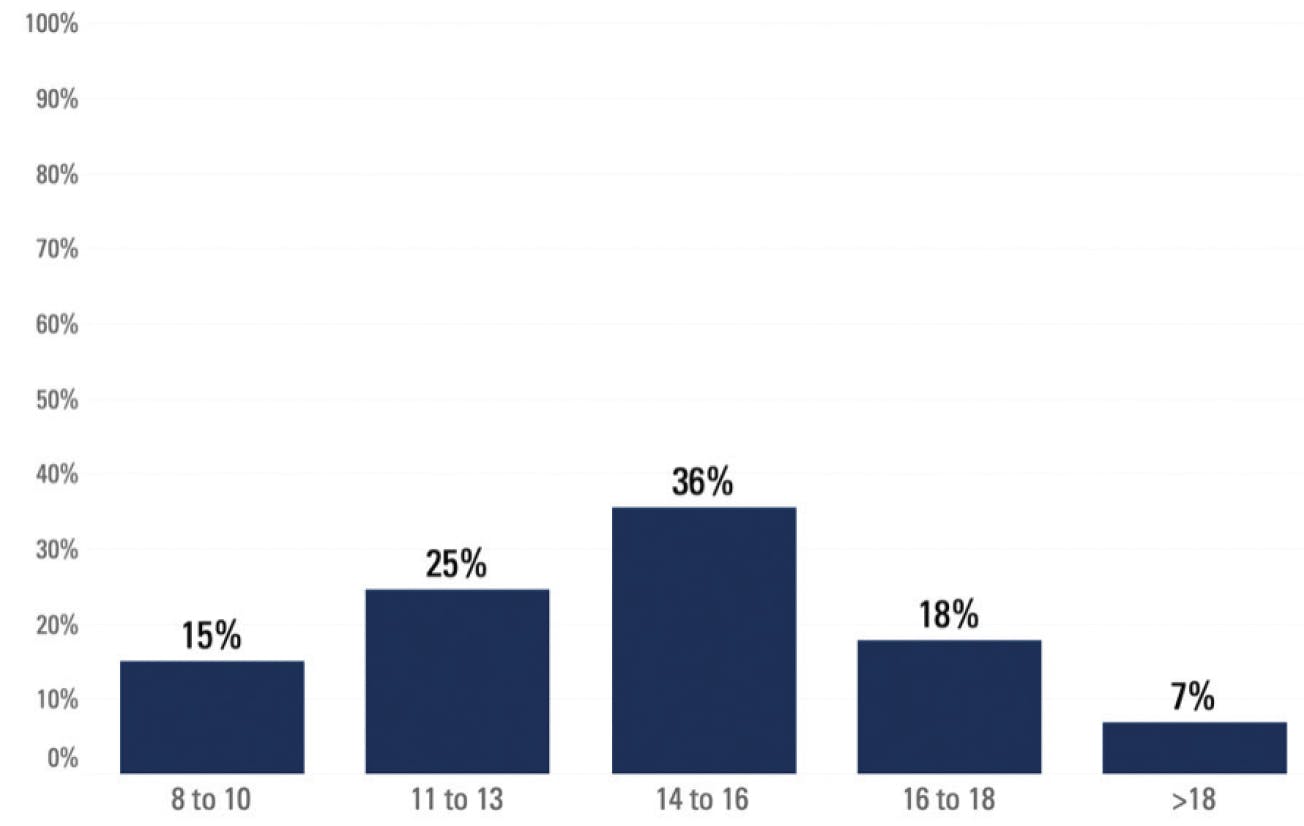
Figure 1. Number of patients seen per day: APP independent schedule.
Per the survey, only 36% of respondents described their APPs as seeing new patients. It was reported that 15- to 60-minute time slots were provided for new patient visits, with the majority of respondents describing 30- and 45-minute visits. For established patients, the time allocation shifted from 15 to 45 minutes. Fifty-four percent of survey participants reported 30-minute visits in 2023, while the percentage of visits > 30 minutes was 19% (Figure 2).
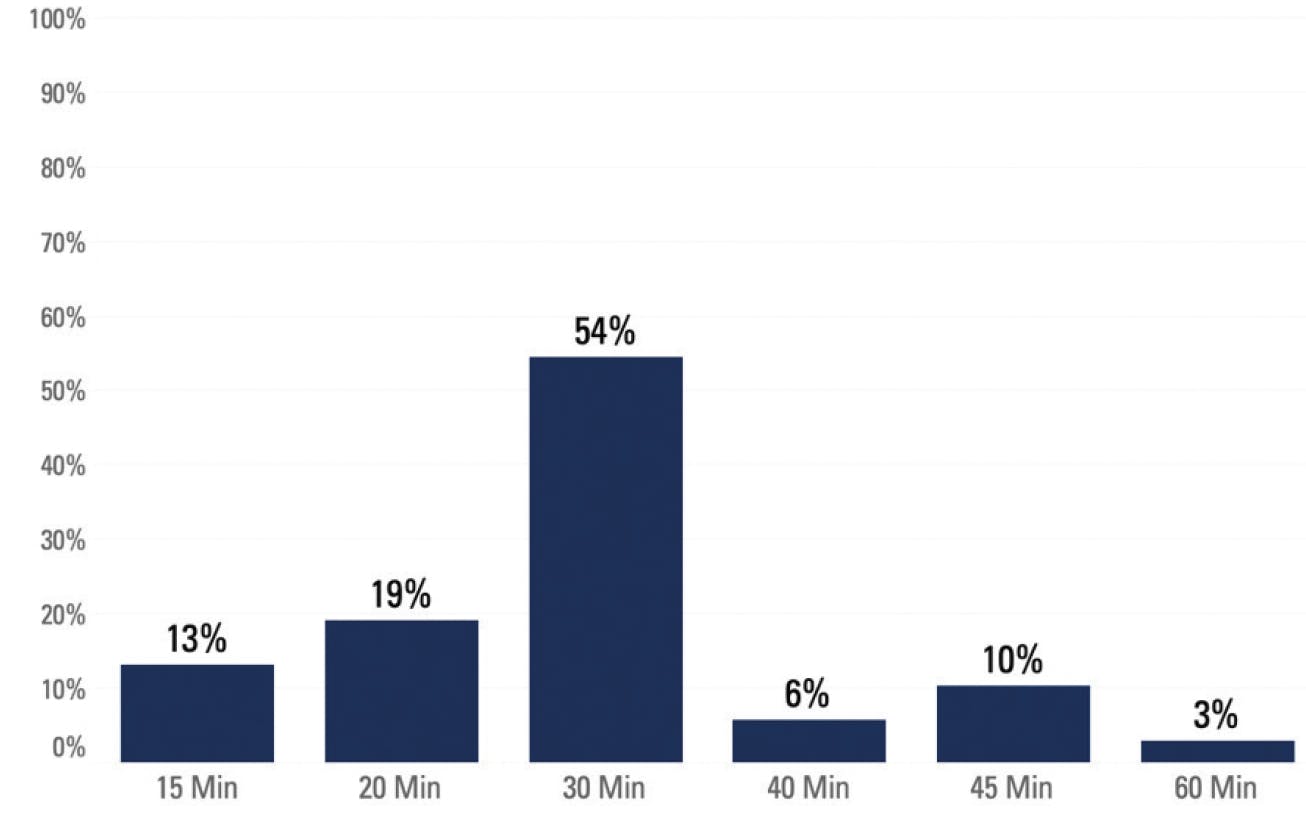
Figure 2. Established patients: time allocated per visit.
Posthospital, postprocedure, and routine follow-up patients were the most common type of patient reported (Figure 3).
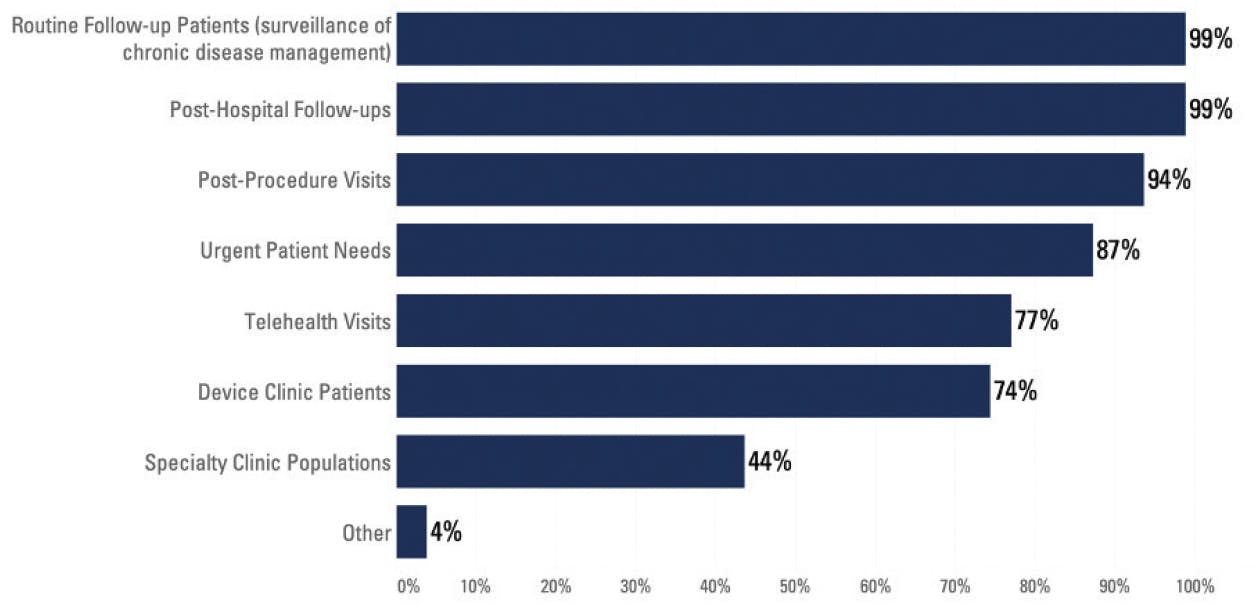
Figure 3. Patient types.
Key APP roles are expanding to include peer-to-peer support, remote patient monitoring, and chronic or principal care management. Another interesting question is whether APPs should manage physician in-baskets, with just over half reporting this as an APP responsibility.
In 80% of programs, APPs were used in clinic without a physician present, which is up from just > 70% in 2022. State law and the type of service rendered dictate this practice. For organizations seeking to use APPs for “incident to” services, a physician must be present for billing purposes.
Figure 4 breaks down some of the typical clinic responsibilities of an APP outside of patient visits.
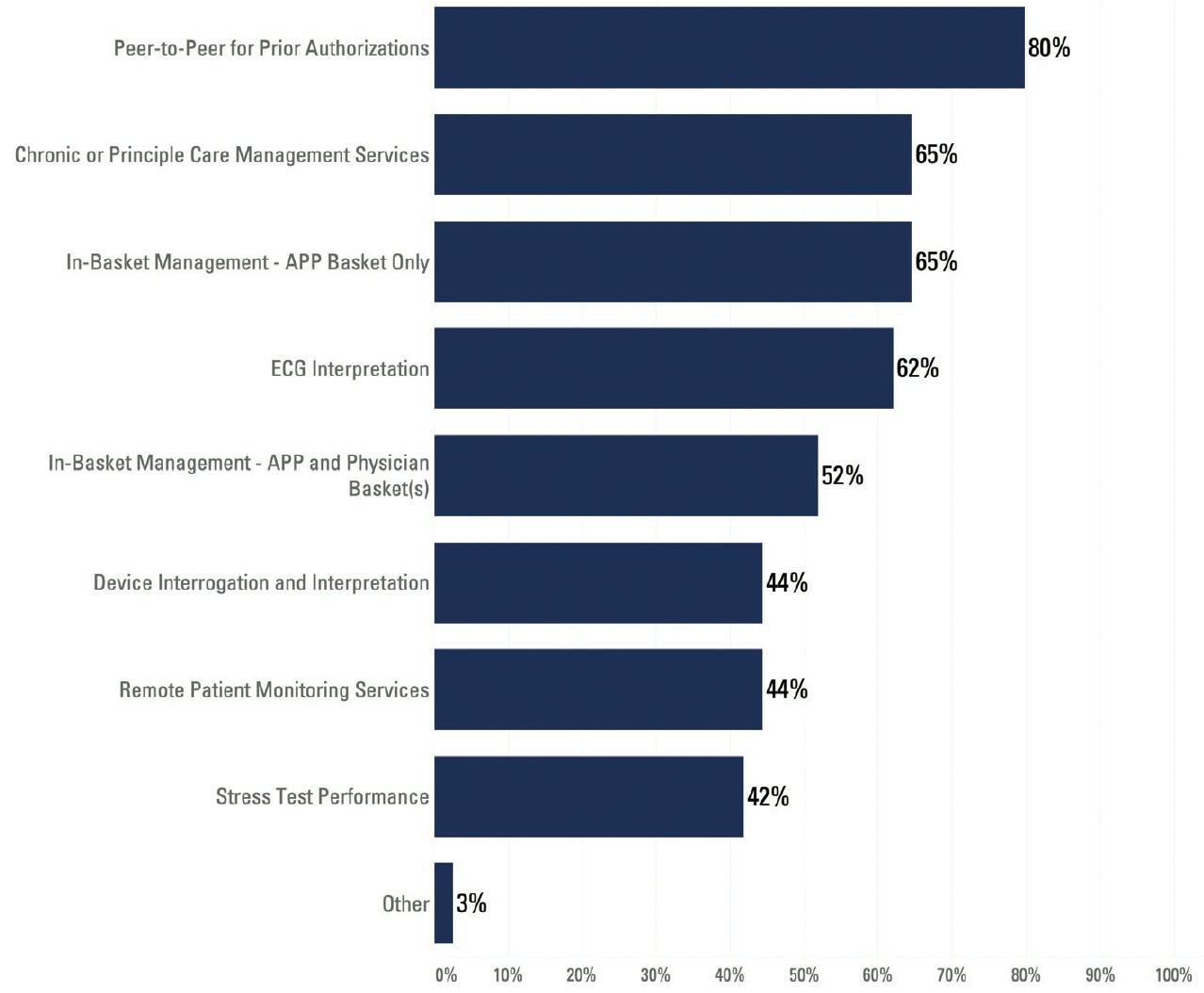
Figure 4. APP clinic duties.
APPs IN ACUTE CARE
APPs working in the acute care setting can wear many hats: facilitating throughput, quality assurance, appropriate clinical documentation, and easy access for floor calls and patient condition changes. Although their most common responsibilities in acute care include consults, admissions, daily rounds, and discharge management, the full range of their repertoire is reflected in Figure 5.
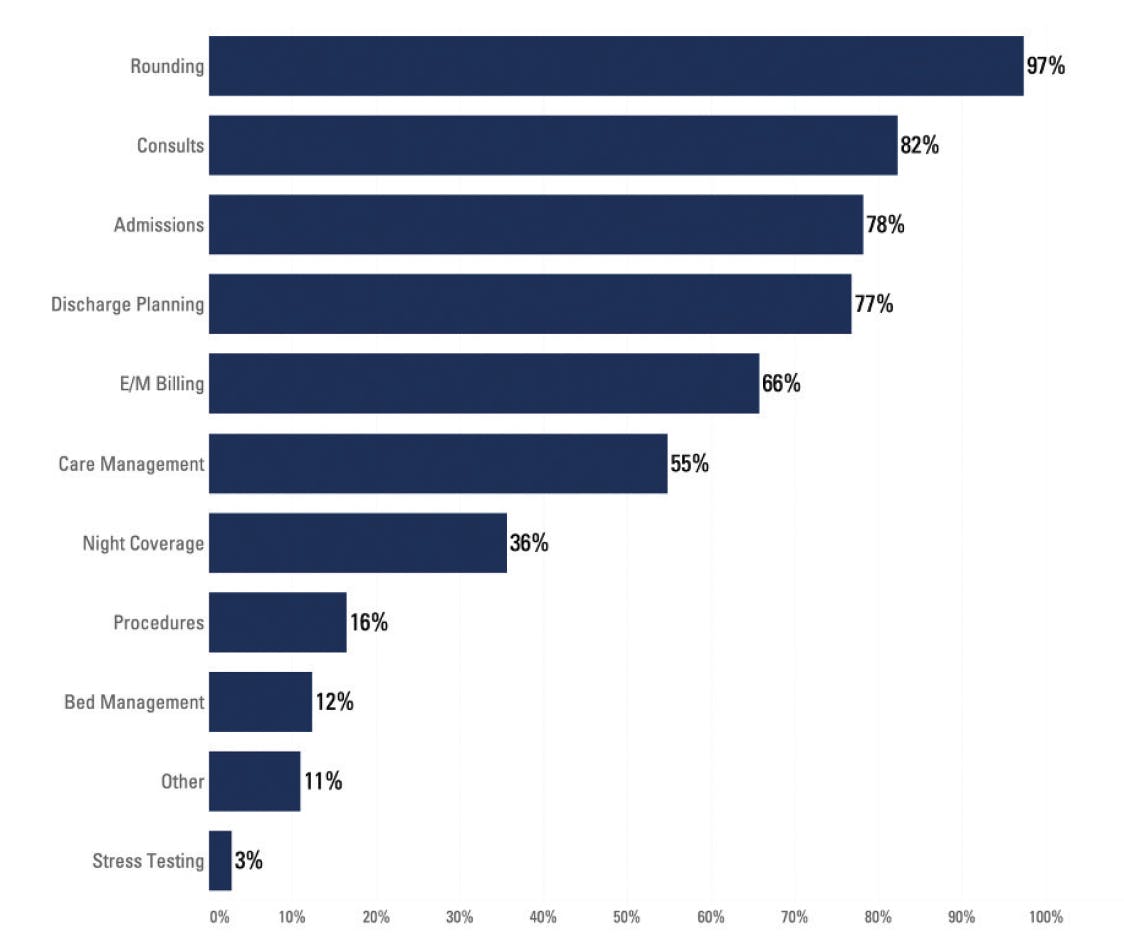
Figure 5. Acute care cardiology roles/responsibilities.
Respondents noted ≥ 10 encounters per shift, and 23% of respondents used a 24/7 coverage model—twice the percentage reported in the 2022 survey report. By using a model that includes coverage for weekdays as well as weekends, many interventional programs could shift acute care support to the APP role during shifts throughout the week. Shift length for acute care APPs ranged from no formal shift times to 12 hours (Figure 6). Full time (FT) was considered > 80 hours per pay period for 55% of FT respondents, and 36% described a mix of > 76 and > 72 hours per pay period for the FT definition.
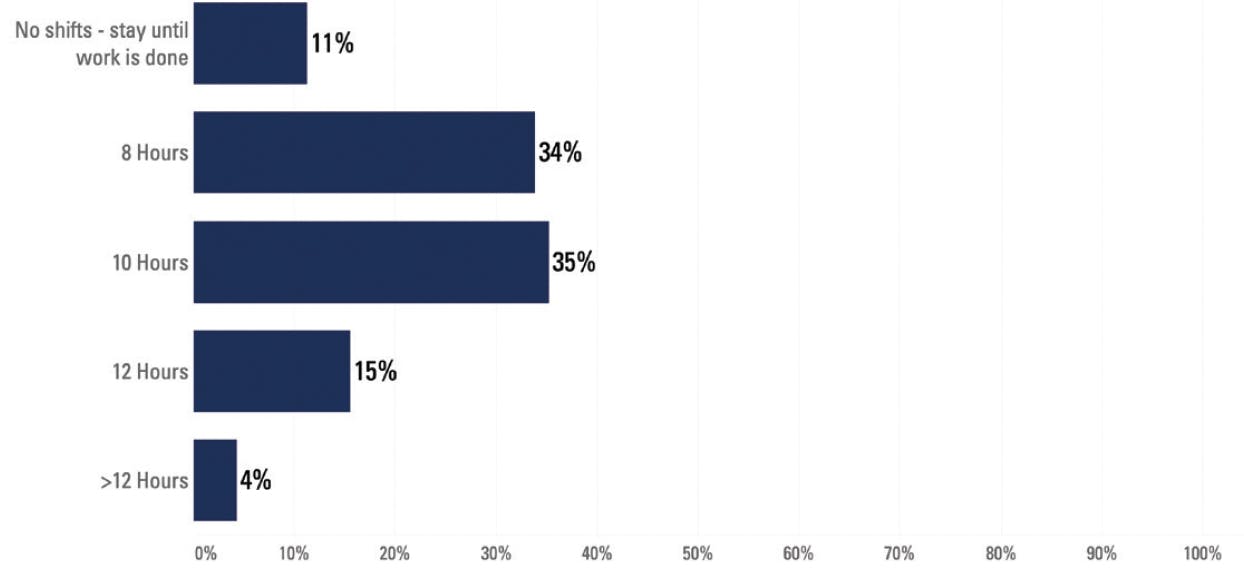
Figure 6. Acute care shift length.
For call responsibilities, 72% of respondents with APPs in the acute care setting did not require call for the APPs. For 21%, call was taken from home, while 7% described call that may require the provider to come to the care facility (Figure 7). The majority of calls taken by acute APPs were patient calls (87%) and hospital floor calls (67%) (Figure 8).
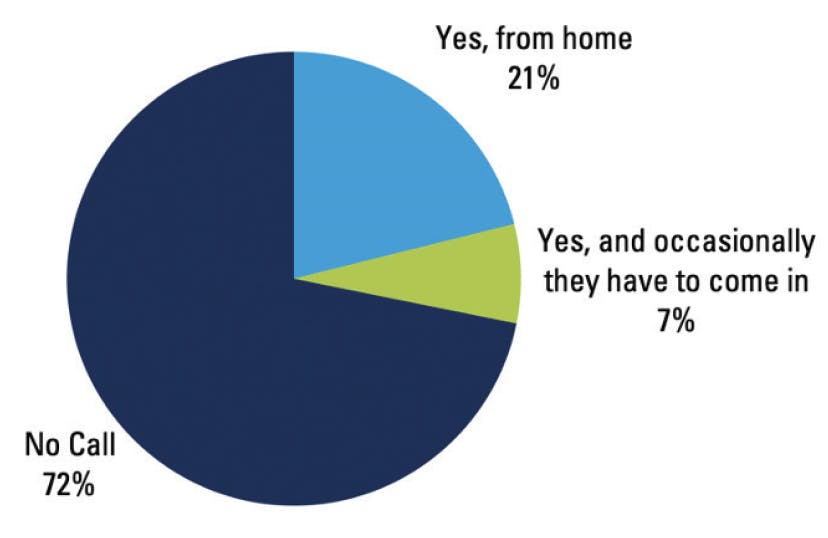
Figure 7. Do acute care APPs take calls?
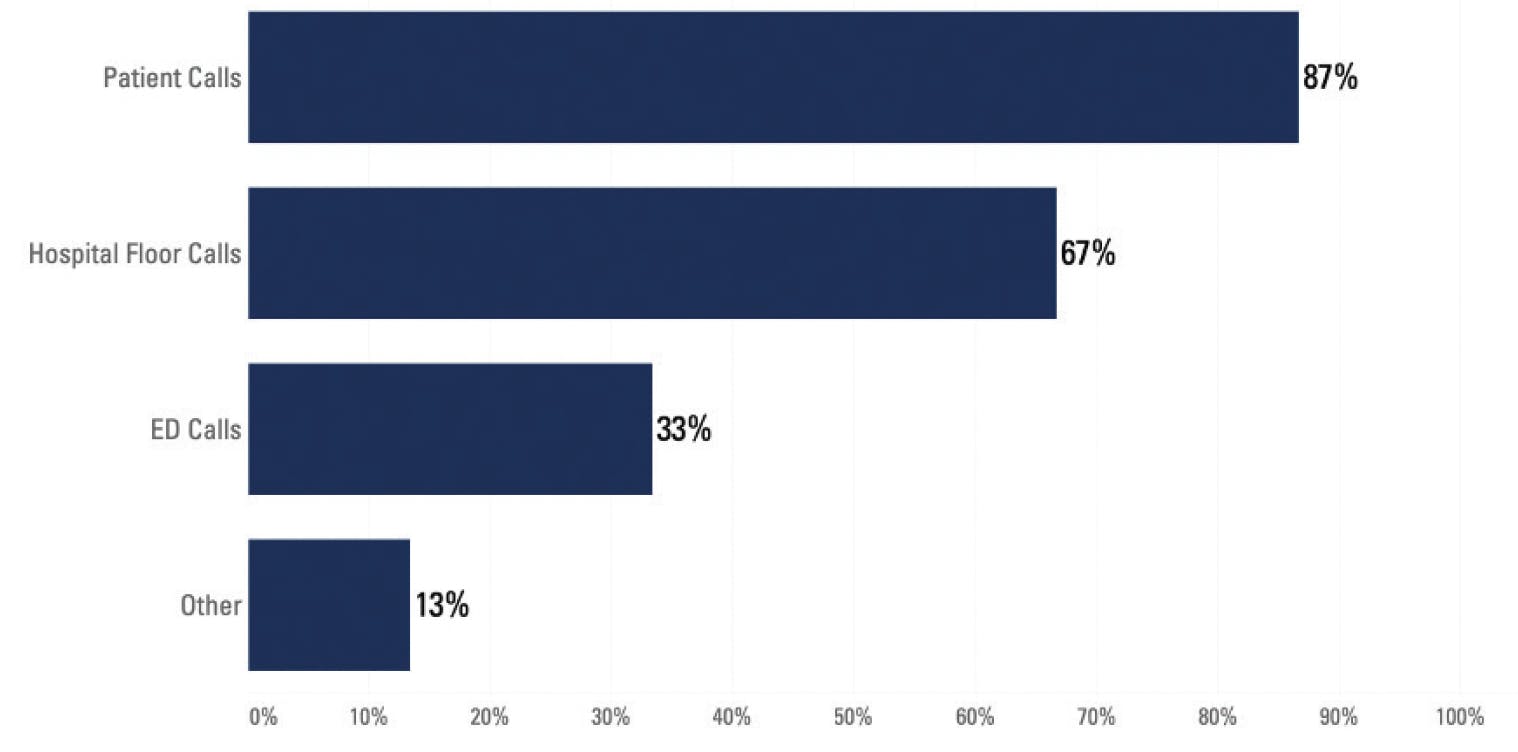
Figure 8. Call types taken by acute APPs. ED, emergency department.
TEAM-BASED CARE LIABILITY
Effectively deploying APPs alongside the larger IC teams does more than alleviate burnout within the care team. The question of liability arises when organizations initially arrange a team-based care model or expand existing teams. A recent study published by Candello* showed that the percentage of malpractice liability cases naming a physician defendant dropped by 38% from 2012 to 2021; in the same time frame, the proportion of physician assistants and nurse practitioners (who are usually not named in liability cases) increased.2 Although these data suggest a correlation between team-based care and decreased liability, the care team model needs to be supported with best practices.
Given the technical nature of IC, the experience of APPs must be vetted, and a standardized approach to onboarding and education should be designed for new APPs. Ongoing training should be applied to all members of the care team (interventional cardiologists, APPs, registered nurses, licensed practical nurses and technicians) to ensure that the team’s skill sets are fully integrated. The team also needs to be appropriately sized to ensure that all care can be effectively executed. Smaller groups often promote effective communication and better integration for new APP team members. Additionally, APPs benefit from evaluation and feedback, like all members of the care team. The interventional space can provide a supportive environment for their growth, as specialty areas often hold coveted positions for high-performing individuals.
CONCLUSION
The integration of APPs into interventionally focused care teams can provide immense support for physicians and other care team members, particularly when teams are appropriately designed, onboarded, trained, and managed. The opportunity to specialize and gain niche training in this subspecialty also provides a huge benefit to the APPs. By evolving in their roles and taking on a wider breadth of responsibilities, they are emerging as leaders not only in IC but in the larger field of general cardiology.
Download the full 2023 Cardiovascular Advanced Practice Provider Compensation and Utilization Report.
1. Taylor M. 41% of interventional cardiologists have considered quitting: 12 stats to know. BeckersHospitalReview.com. June 20, 2023. Accessed December 19, 2023. https://www.beckershospitalreview.com/cardiology/41-of-interventional-cardiologists-have-considered-quitting-12-stats-to-know.html
2. Candello Solutions by CRICO. A sea change in US care delivery: an analysis of advanced practice provider and physician malpractice risk. Accessed December 5, 2023. https://www.candello.com/Insights/Candello-Reports/Sea-Change-in-US-Health-Care?sc_camp=A6CC47D46A014BC28E32232 1FCAFD031&sc_camp=5E27243A78C64DA28E13BD0B71E56F99
*Content or data shared by Candello—Copyrighted and used with permission of Candello, a division of The Risk Management Foundation of the Harvard Medical Institutions Incorporated pools medical malpractice data and expertise from captive and commercial professional liability insurers across the country to provide clinical risk intelligence products and solutions.
Advertisement
Advertisement