Advertisement
Advertisement
2024 Digital Exclusive No. 2
What I Wish I Learned in Fellowship…
Physicians consider the aspects of interventional cardiology that would benefit from more comprehensive coverage in training, sharing ideas for how next-generation interventional cardiologists can take full advantage of their training programs.
With Michael N. Young, MD, FACC, FSCAI, RPVI; Mina Iskander, MD, MSc; Babar Basir, DO, FACC, FSCAI; Boskey Patel, DO, FACC; and Aditya Bharadwaj, MD, FACC, FSCAI
VALVULAR
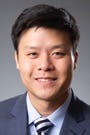
Reflecting on my advanced fellowship training in structural heart disease years ago, I have always cherished that incredibly formative time in life, which helped jump-start my career in interventional cardiology. I was blessed to have brilliant mentors—Drs. Igor Palacios, Ignacio Inglessis, Sammy Elmariah, and Rahul Sakhuja—who each cultivated in me the desire to continuously learn, refine my technical skillset, make contributions to the field, and maintain a patient-centered approach to care. Hindsight being 20/20, my first wish is that I had spent more time with each of them to understand their own career paths; the people and mentors who inspired them; the early experiences they had at pivotal times in our field (eg, percutaneous coronary intervention [PCI], transcatheter aortic valve replacement [TAVR], mitral transcatheter edge-to-edge repair); and both the successes and failures they surmounted in their practices. Therefore, I would advocate for current trainees to not just learn from but also learn about their attendings and faculty mentors. Fellowship training is a relatively short and intense period that is spent at all times of the day or night with nursing staff, technicians, residents, cofellows, and attendings. Beyond the clinical and procedural work, the relationships forged in those years will carry on for many more.
Otherwise, if I were to “rewind the clock” on my fellowship training, I would have likely devoted more time in the operating room observing surgical aortic valve replacements, mitral valve repair and replacement, and tricuspid valve surgery. In my residency training, I vividly remember observing coronary artery bypass surgery and also scrubbing into mitral valve repair cases while on a cardiology rotation in Argentina, where the illustrious Dr. René Favaloro is still revered. I believe we can learn immensely from our cardiac surgery partners, who have an inherent anatomic understanding of the valves. Seeking feedback on a surgeon’s technical and perioperative concerns for a particular operation translates well into how we as interventionalists approach and perform percutaneous valve therapies. In the same light, I would have also spent additional time with our interventional imaging partners in the echocardiography laboratory. As much effort as I expend looking at coronary angiograms, I spend just as much if not more time reviewing echocardiograms and cardiac CT images. In our program, we perform our own CT analyses using 3mensio (Pie Medical Imaging) in preparation for TAVR, left atrial appendage occlusion (LAAO), and mitral/tricuspid valve procedures. I would strongly advise current trainees to hone this skillset in imaging analysis during their fellowship training, as this will make them more formidable structural heart interventionalists.
STRUCTURAL
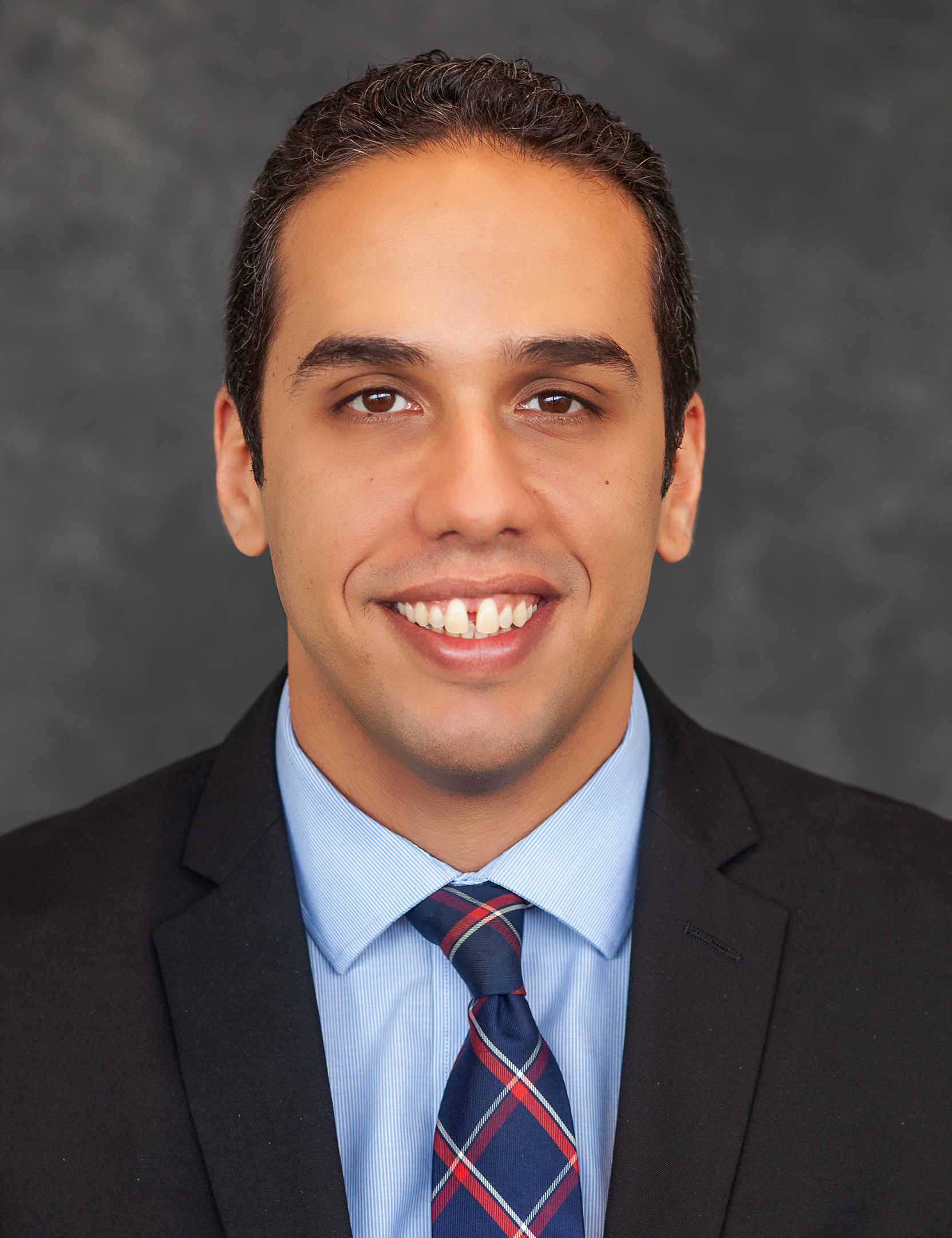
During my advanced structural heart disease fellowship, attaining proficiency in structural interventions for patent foramen ovale (PFO), atrial septal defect (ASD), and LAAO was pivotal to my training. Although I gained foundational knowledge and technical skills, my primary focus lay in refining my interventional abilities, such as sheath handling and ensuring the safe and strategic deployment of devices.
Nevertheless, I aspired to achieve a more comprehensive grasp of advanced imaging modalities. Mastering the intricacies of device selection and sizing with the aid of imaging would have further enriched my practice. Moreover, a deeper comprehension of interdisciplinary collaboration with neurology for PFO closures in stroke patients could have enhanced my understanding of complex clinical presentations and extended indications beyond established guidelines.
In essence, a holistic approach akin to that of mainstream procedures like TAVR and MitraClip (Abbott)—incorporating technical proficiency, clinical acumen, and patient-centered care for PFO, ASD, and Watchman (Boston Scientific Corporation)—would better equip future interventionalists to navigate the challenges and capitalize on the opportunities in this rapidly evolving field.
PERCUTANEOUS CORONARY INTERVENTION
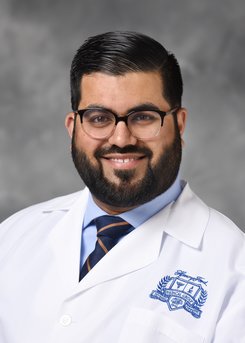
I was fortunate to train at a busy complex PCI program, and I thought that I had seen it all. The greatest advice that I could give my past self or current interventional cardiology (IC) fellows is to push yourself to continue to learn and improve your skill set. IC fellowship may be the last step to the goal of becoming an interventional cardiologist, but it should not be the last time you learn a new technique or technology. Our field is constantly progressing, and we are experiencing innovation continuously, particularly in the complex PCI space.
To be a bit practical, a few things I would have done differently are:
1. Visit other cath labs and observe how other complex operators practice.
2. Spend more time with engineers at device companies to see how devices are designed and manufactured, and learn about their limitations.
3. Focus on how to make procedures safer and more reproducible.
To those learning in lower-volume centers, a few things that really helped me were:
1. Learning all three chronic total occlusion (CTO) PCI techniques: antegrade wire escalation, antegrade dissection and reentry, and retrograde.
2. Performing atherectomy with all available devices (rotational, orbital, laser, and lithotripsy).
3. Performing bifurcation techniques meticulously, using intravascular imaging.
WOMEN’S HEART HEALTH

The fact that heart disease remains significantly underrecognized and undertreated in women compared to men is not a new discovery. This is something we’ve known for decades, starting with some of the sex-specific patterns of heart disease noted by the Framingham Heart Study investigators. Dr. Nanette Wenger’s advocacy in the 1990s helped change National Institutes of Health policy, “requiring” more equitable representation of women in NIH-funded research. And in 2004, the American Heart Association launched the Go Red for Women initiative. Yet in 2024, despite the groundbreaking advances we’ve made in other areas of cardiology, we remain undereducated about cardiovascular disease in women, including sex-specific risk factors (eg, estrogen levels, coexisting inflammatory diseases), risk-enhancing conditions (eg, gestational hypertension or diabetes, peripartum cardiomyopathy), “atypical” or anginal equivalent symptoms, and cardiac disease processes that disproportionately affect women (eg, spontaneous coronary artery dissection, microvascular dysfunction, and stress cardiomyopathy). We are seeing more and more women with congenital heart disease becoming pregnant, and this is a potentially high-risk population on which very few of us received adequate training during fellowship. We also know that women are less likely to receive CPR after a cardiac arrest, mechanical circulatory support for cardiogenic shock in the setting of an acute myocardial infarction, or even aspirin and statin for prevention, but we still haven’t figured out exactly why or, more importantly, how to fix it.
Yes, these are all things that we should have learned more about in fellowship. We certainly need a culture change to recognize any implicit biases we may have that contribute to these practices. But what I really wish I had learned in fellowship is how to go about decreasing this disparity gap. Realistically, we need more representative trials, adequate research funding, and better ways to raise awareness and educate the public (men and women) about this. How can we best advocate for this specific group? How do we get people to care more about women’s health?
CARDIOGENIC SHOCK
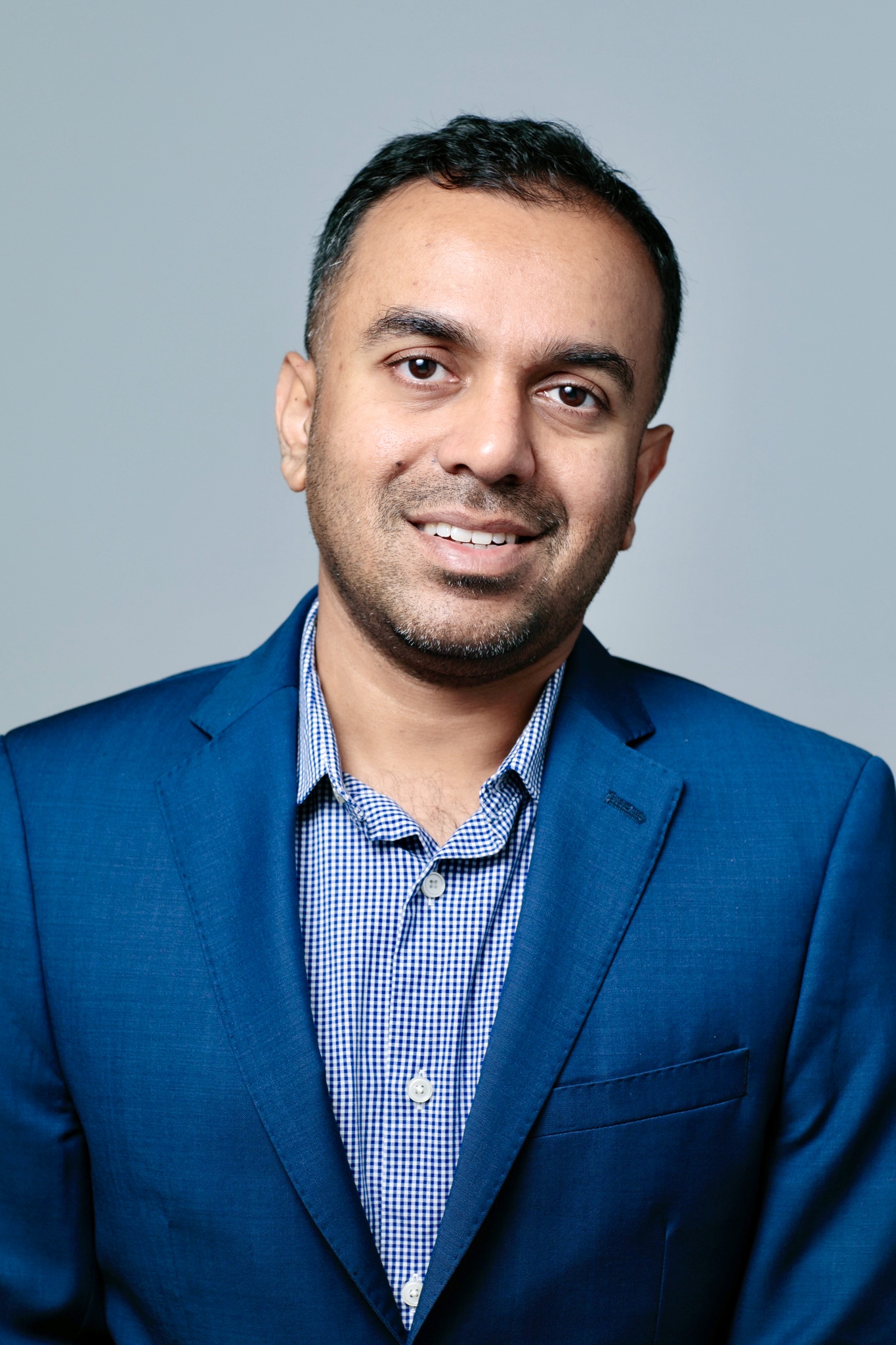
Cardiology and its subspecialty fellowships, including IC and advanced heart failure training programs, should incorporate more teaching pertaining to cardiogenic shock. The existing curriculum does cover the general principles, but this is only “scratching the surface” given the depth and complexity of the topic. Fellowship programs should incorporate the following aspects into their curriculum:
- Basics of hemodynamics, including pressure-volume loop and myocardial oxygen consumption
- Mechanical circulatory support devices, and their relative advantages and disadvantages
- Best practices for implantation and intensive care unit management of these devices
- Early identification of cardiogenic shock
- Algorithms for management
- Interpretation of invasive hemodynamics
- Development of a collaborative multidisciplinary approach along with critical care/advanced heart failure and cardiothoracic surgery
- Case-by-case comprehensive assessment of patients and comorbidities, with consideration of futility and timely involvement of palliative care
Recently, there are increased data from observational studies pointing to the benefits of an algorithmic-based approach to shock and the use of shock teams. In an ideal world, all fellowship training programs would have a shock team in place at their institution. Even in the absence of a formal shock team, fellows should be involved in case discussions and have the opportunity to learn the nuances of decision-making in the care of these very complex patients.
CIT Essentials: Recommended Resources
- Profiles & Perspectives hub: Insights from influential thought leaders in the interventional cardiology field
- Device Guide: A comprehensive listing of the available interventional cardiology devices in the United States & European Union
- Recent Digital Exclusives: Issues tackle emerging techniques and fields & hot topics in interventional cardiology, including radiation safety and sustainability
- Review our entire catalog of issues on the archive, and subscribe to stay up to date on the latest developments in technology, techniques, clinical studies, & more in the field of coronary and cardiac interventions
Advertisement
Advertisement
Latest Digital Exclusives