Advertisement
Advertisement
September/October 2023
Sponsored by ZOLL TherOx
SuperSaturated Oxygen Therapy (SSO2): Left Ventricular Improvement in Anterior STEMI
Two unique cases of SSO2 Therapy: electrically unstable presentation and use in a community hospital setting.
At the spring 2023 SCAI meeting in Phoenix, Arizona, ZOLL® TherOx® hosted a competitive event encouraging fellows to submit on-label cases of SuperSaturated Oxygen (SSO2) Therapy (ZOLL) for evaluation and review by judges. A total of six cases were submitted with two winners selected by the judges on the criteria of case interest and uniqueness, completeness of submission, illustration of therapy benefit, and excellence in overall presentation quality. The two winners selected were Najeebullah Bangash, MD, of Corewell Health East (formerly Beaumont Hospital), and Adam Bykowski, DO, of Aurora St. Luke’s Medical Center. This article discusses their presented cases.
SSO2 Therapy (Figure 1) is a one-time, 60-minute therapy delivering high levels of dissolved oxygen directly to the left anterior descending (LAD) artery immediately after percutaneous coronary intervention (PCI) for anterior ST-segment elevation myocardial infarction (STEMI) and has been shown to reduce infarct size by 26% in clinical studies.1 Infarct size is directly correlated with all-cause mortality and heart failure hospitalization within 1 year.2
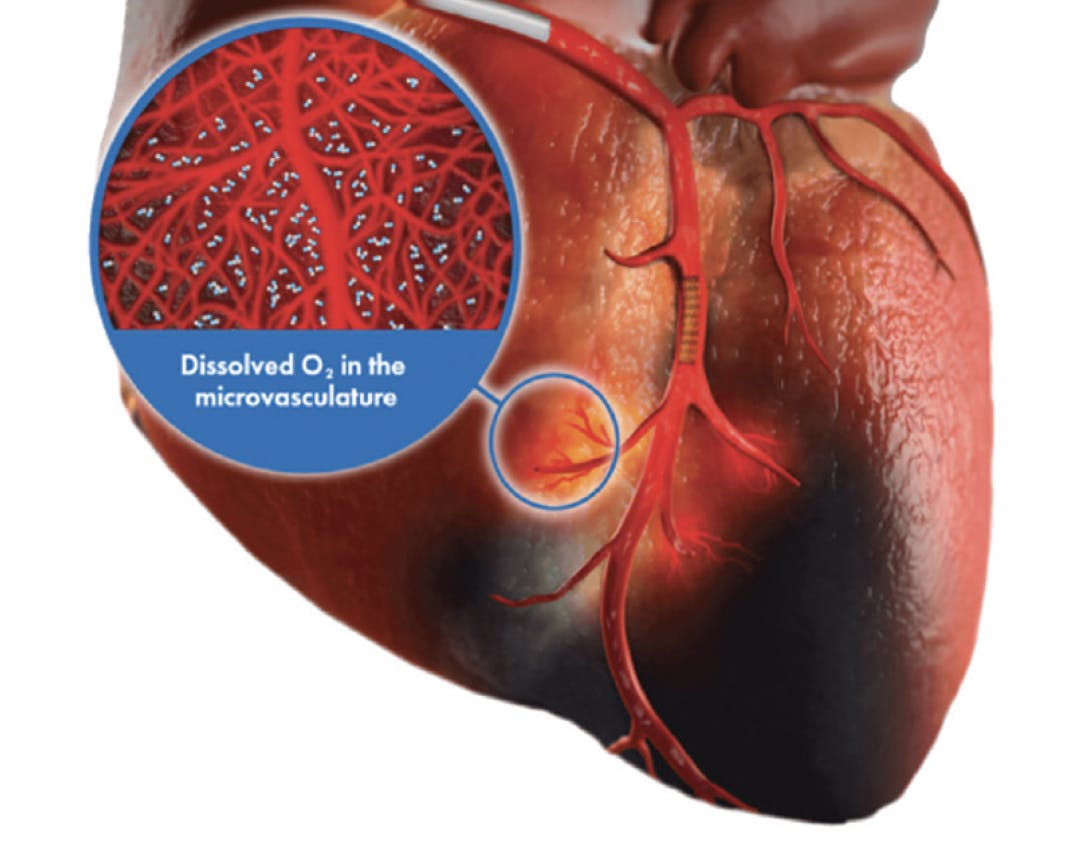
Figure 1. SSO2 Therapy delivered via catheter into the LAD post-PCI for anterior STEMI.
1. Stone GW, Martin JL, de Boer MJ, et al. Effect of supersaturated oxygen delivery on infarct size after percutaneous coronary intervention in acute myocardial infarction. Circ Cardiovasc Interv. 2009;2:366-375. doi: 10.1161/CIRCINTERVENTIONS.108.840066
2. Stone GW, Selker HP, Thiele H, et al. Relationship between infarct size and outcomes following primary PCI: patient-level analysis from 10 randomized trials. J Am Coll Cardiol. 2016;67:1674-1683. doi: 10.1016/j.jacc.2016.01.069
“Vanishing Act” Anterior STEMI Injury after Reperfusion and SuperSaturated Oxygen Therapy (SSO2) in an Electrically Unstable Patient




PATIENT PRESENTATION
A previously healthy man in his late 30s, who had a history of tobacco use and intermittent chest pain for 2 days, with the pain worsening over the prior 3 hours, was brought by emergency medical services (EMS) to our emergency department. The patient appeared ill and diaphoretic. An electrocardiogram (ECG) was obtained and confirmed anterolateral STEMI. Vital signs were normal. The cardiac catheterization lab was activated emergently. Morphine and ondansetron were given via intravenously (IV) for symptom relief, along with 324 mg of aspirin, 180 mg of ticagrelor, and 4,000 units of IV heparin. While awaiting transport to the cath lab, the patient developed sustained ventricular tachycardia, which was successfully cardioverted at 300 J to normal sinus rhythm.
Coronary angiography revealed a thrombotic occlusion of the mid LAD artery with thrombolysis in myocardial infarction (TIMI) grade 0 flow (Figure 1). A 70% mid LAD stenosis was seen after initial angioplasty with a semicompliant balloon. The left circumflex and dominant right coronary arteries were free of angiographically significant disease.
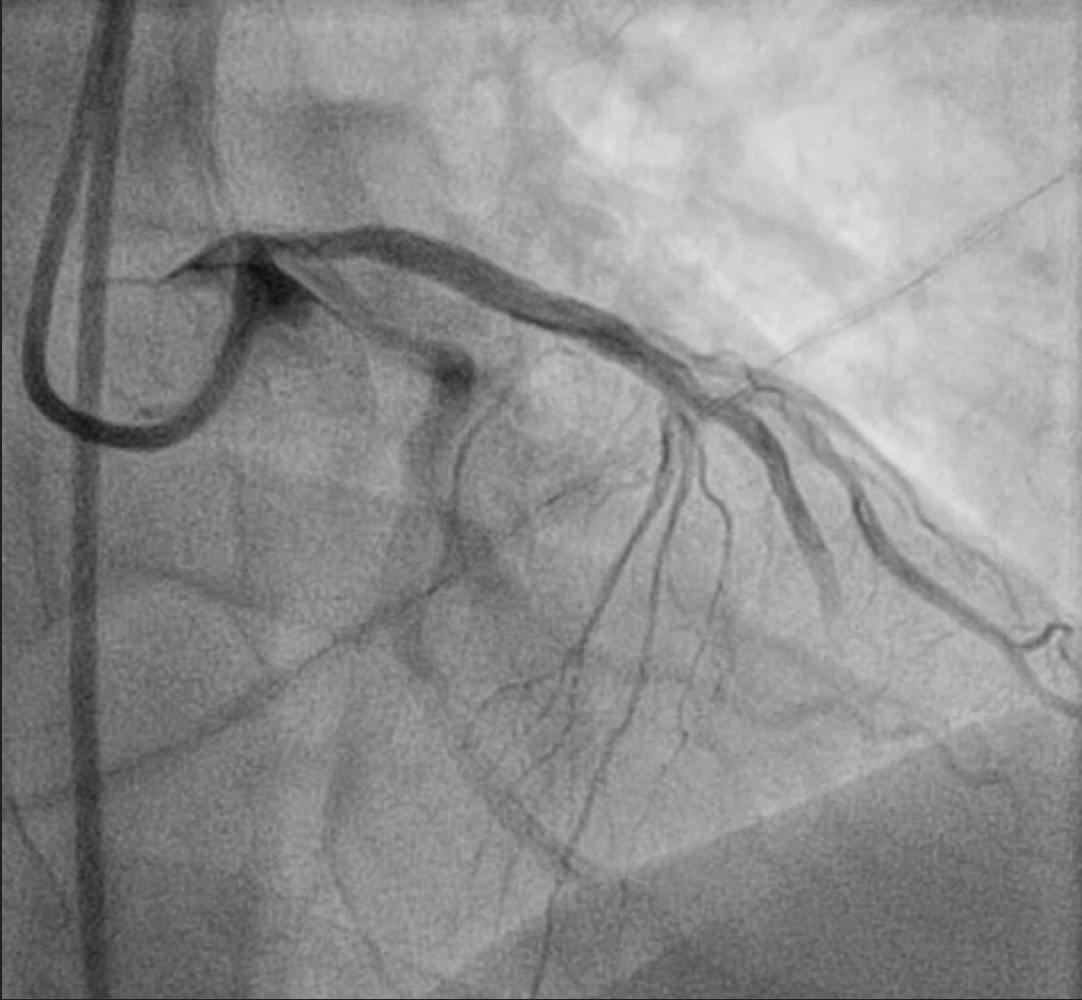
Figure 1. Initial angiogram showing occlusion of mid LAD.
PROCEDURE
After angioplasty of the mid LAD, TIMI grade III flow was restored down the vessel. Shortly after, the patient developed ventricular fibrillation and was successfully cardioverted with 200 J. Subsequently, the lesion was stented with a 3.0- X 20-mm drug-eluting stent, yielding excellent angiographic results. A left ventriculogram was obtained, revealing apical hypokinesis and an estimated mildly decreased left ventricular ejection fraction (LVEF) of 50%. The patient’s left ventricular end-diastolic pressure (LVEDP) was elevated at 22 mm Hg. The 6-F femoral sheath was exchanged for a 7-F sheath, and intracoronary SSO2 Therapy was promptly initiated and continued for a total of 60 minutes. A point-of-care echocardiogram was obtained during SSO2 infusion, demonstrating apical hypokinesis and a hyperdynamic base.
RESULTS
Transthoracic echocardiography (TTE) performed the following day revealed that the LVEF was mildly reduced to 45% with severe hypokinesis of the apical anterior and apical lateral walls. A repeat ECG was also obtained, showing near-resolution of ST changes. A follow-up troponin I obtained the next day was 4.09 ng/mL. The patient did not have recurrence of arrhythmias during his hospital stay, and he was subsequently discharged 2 days after his procedure on guideline-directed medical therapy including aspirin, ticagrelor, high-intensity atorvastatin, lisinopril, and metoprolol-succinate. The patient was then seen in the office for routine follow-up; he had not experienced chest pain or shortness of breath since discharge. A surface echocardiogram was obtained 6 weeks after initial presentation revealing LVEF recovery to 70%, resolution of regional wall motion abnormalities, and a global longitudinal strain of –20.1% (Figure 2).
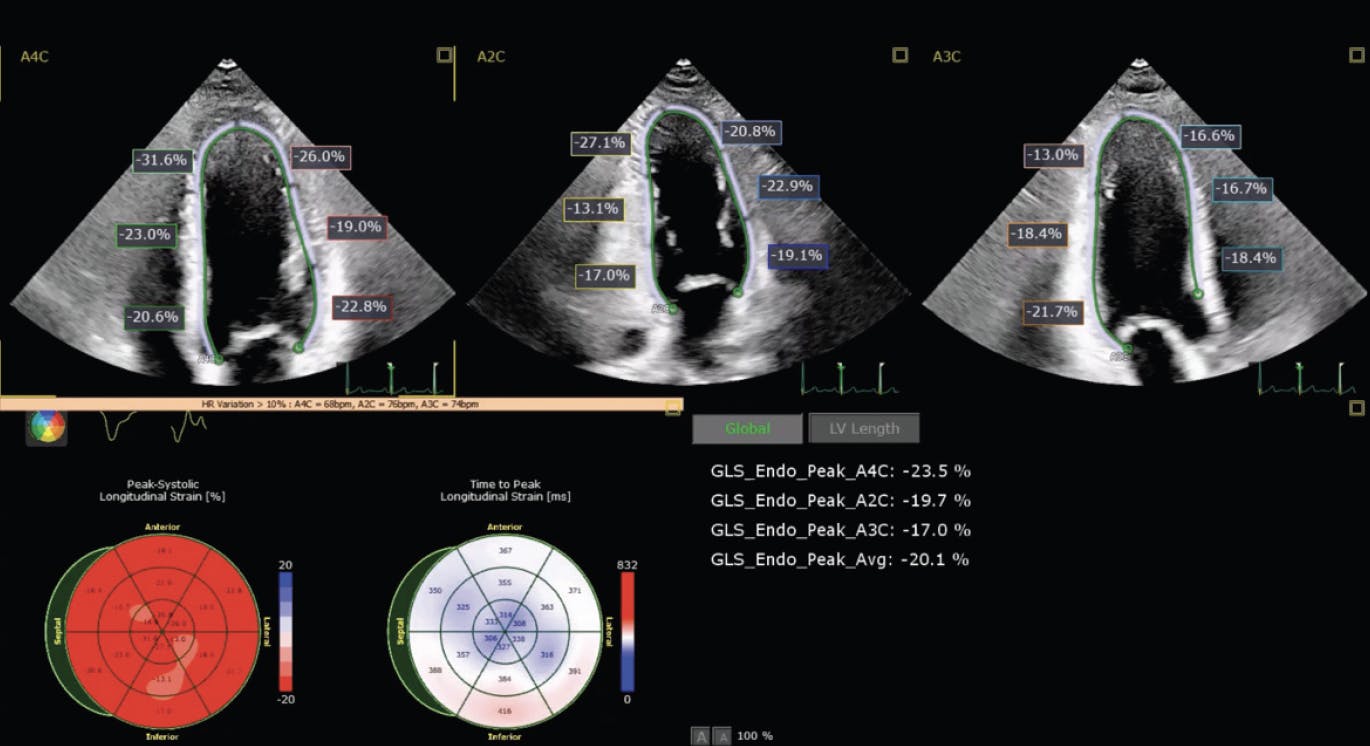
Figure 2. Six-week echo strain showing wall motion abnormality resolution.
DISCUSSION
Recovery of LV function in the days to months after SSO2 Therapy has been demonstrated repeatedly at our institution. We had the opportunity to use a combination of left ventriculography, point-of-care echocardiography, and formal two-dimensional TTE during and after SSO2 Therapy to demonstrate the dynamic effects of this novel intervention on LV function in the setting of STEMI. Our case once again demonstrates the remarkable effects of SSO2 on the myocardium. The basis of its physiologic mechanisms has been well established in animal models, including acute edema removal and subsequent improvement in microvascular circulation.1 Consequently, preclinical studies demonstrated that SSO2 treatment resulted in a 24% reduction in the “area of risk,” which is represented by postischemic edema, compared to the control groups.2 In the case described, our patient’s very modest increase in troponin I despite an anterior STEMI, resolution of ST changes, lack of further episodes of ventricular arrhythmias, and subsequent recovery of LVEF to 70% may be a “real-world” observation of SSO2 Therapy’s ability to decrease the area of risk.
CONCLUSION
In patients with successful revascularization with reestablishment of TIMI grade III flow, SSO2 Therapy is an important interventional adjunct with the potential of salvaging the area at risk due to an anterior STEMI. This case represents the potential for complete recovery of LV function with SSO2 Therapy, with our follow-up TTE showing no evidence of an anterior STEMI.
1. Spears JR. Reperfusion microvascular ischemia after prolonged coronary occlusion: implications and treatment with local supersaturated oxygen delivery. Hypoxia (Auckl). 2019;7:65-79. doi: 10.2147/HP.S217955
2. Smith C, Kadri A, Khodor S, et al. Effect of SuperSaturated Oxygen (SSO2) on left ventricular ejection fraction (LVEF) in LAD STEMI patients post PCI in the real world: retrospective comparison to control patients. J Am Coll Cardiol. 2023;81(8 suppl):1010. doi: 10.1016/S0735-1097(23)01454-7
SSO2 Therapy in the Community Hospital Setting

SSO2 Therapy is an emerging treatment in the field of interventional cardiology and has introduced a novel way of reducing infarct size in the setting of anterior wall STEMI. We present a case that demonstrates the ease of utilization of the SSO2 Therapy in a community hospital setting.
PATIENT PRESENTATION
A woman in her mid 80s with a history of giant cell arteritis, chronic bronchitis, and unprovoked deep vein thrombosis on apixaban presented to the emergency department experiencing 45 minutes of chest pain. The patient had no history of coronary artery disease and had never felt these symptoms previously. Her chief complaint was a constant chest pain that radiated to her bilateral shoulders with a pain rating of 7 out of 10. She also had shortness of breath and diaphoresis. Nitroglycerin was administered; however, it did not help relieve her symptoms. Vitals demonstrated an elevated blood pressure but normal heart rate and oxygen saturation. Jugular venous pulse was elevated, but the physical exam was otherwise unremarkable. The catheterization lab was activated emergently based on the ECG obtained by EMS (Figure 1), which demonstrated ST-segment elevations across the precordium, suggesting anterior wall STEMI. The patient was administered a full dose of aspirin and loaded with clopidogrel. Heparin was not administered as the patient had taken apixaban only 4 hours prior.
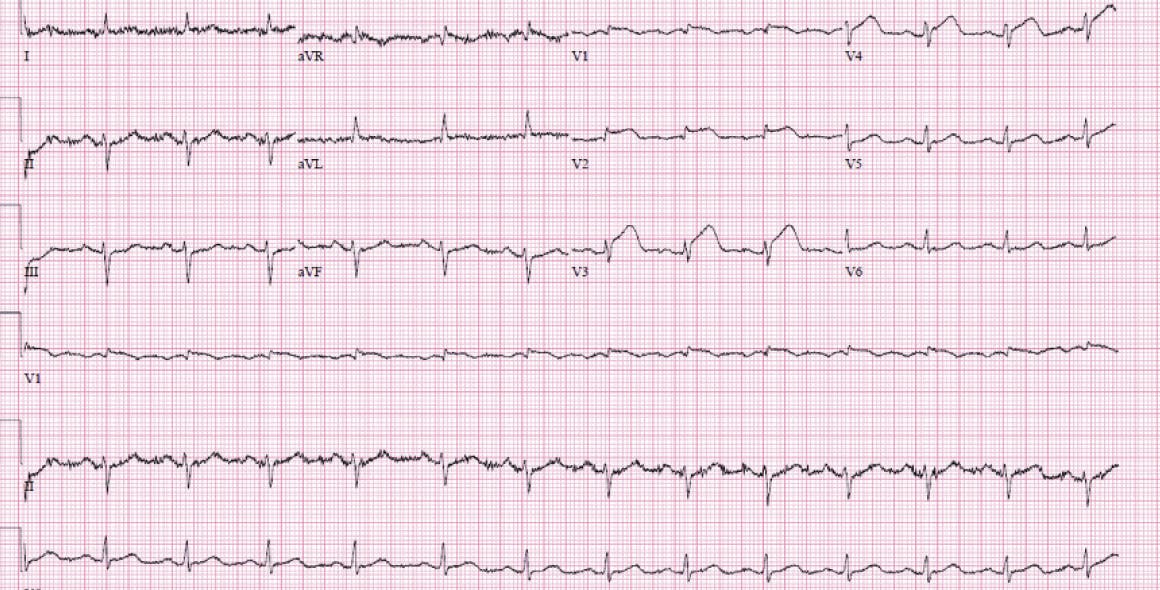
Figure 1. Patient ECG as captured by EMS during transport.
PROCEDURE
Upon arrival to the cath lab, venous and arterial access were obtained in the right common femoral artery and vein. Size 6-F sheaths were placed in both vessels under ultrasound guidance. Angiography of the right coronary artery was performed, which showed insignificant disease in the right system and no evidence of collateralization. A 6-F XB 3.5 guide catheter was used to engage the left coronary artery, and angiography was performed showing TIMI grade I flow beyond a thrombotic proximal LAD lesion. Balloon angioplasty with a 2.5-mm compliant balloon was performed and no-reflow phenomenon observed. Given the thrombotic nature of the lesion, there was concern that distal embolization was causing the no-reflow. Multiple rounds of adenosine were administered, but TIMI grade 0 flow persisted. No glycoprotein IIb/IIIa inhibitors were administered due to bleeding concerns. The decision was made to place a stent to address a possible dissection, which was the likely cause of the no-reflow. After stent placement with a 3.5- X 38-mm drug-eluting stent, TIMI grade III flow returned.
A left ventriculogram was obtained, showing an LVEF of 35% with anterior wall hypokinesis. Given this was a proximal LAD lesion with documented STEMI and typical symptoms, which started only 45 minutes prior to presentation, the decision was made to infuse SSO2 Therapy with the intent of reducing the infarct size. The SSO2 cartridge was placed in the device and the treatment was initiated. While the device was prepped, the 6-F sheath was exchanged for a 7-F sheath and a JL catheter was used to engage the LAD. After confirming engagement in the artery, the SSO2 cannula was attached to the side port and blood was withdrawn. A wet-to-wet connection was made with the reperfusion port on the catheter. After 30 minutes of reperfusion, fluoroscopy was performed to ensure the JL catheter was still engaged in the left coronary artery. Once the full therapeutic hour was completed, the catheters and equipment were removed. The right femoral arteriotomy site was successfully closed with a Perclose® device (Abbott). The patient was admitted to the hospital and returned to the floor in stable condition. She was discharged 3 days later without incident or complication.
RESULTS
The patient was recently followed-up on an outpatient basis and had no symptomatic complaints. The echocardiogram in the hospital demonstrated an LVEF of 39% and limited echocardiogram 3 weeks later demonstrated a further LVEF recovery measured at 55%. She was tolerating her medications well and looking forward to starting cardiac rehabilitation. As of this case study writing, she has had no readmission to the hospital.
CONCLUSION
This case demonstrates an example of SSO2 use in a patient with a thrombotic anterior wall myocardial infarction. It also demonstrates the safety and ease of utilizing the SSO2 Therapy device in a community-based cath lab.
Advertisement
Advertisement