Advertisement
Advertisement
July/August 2023
Same-Day Discharge for Left Atrial Appendage Occlusion Procedures
Is it time to become the default strategy?
With the growing volume and demonstrated safety of transcatheter left atrial appendage occlusion (LAAO) procedures, it may be time to make same-day discharge (SDD) the default strategy for postprocedure care.
The left atrial appendage (LAA) has been identified as the source of > 90% of thrombi observed on transesophageal echocardiography (TEE) in patients with nonvalvular atrial fibrillation (AF).1 To address this issue, LAAO with the Watchman FLX (Boston Scientific Corporation) and the Amplatzer Amulet (Abbott) devices has become a widely accepted approach to reducing the risk of thromboembolic stroke in patients requiring an alternative to oral anticoagulation. The use of oral anticoagluation carries its own challenges, including the potential for bleeding. In the 2019 American Heart Association/American College of Cardiology/Heart Rhythm Society focused update of the guideline for the management of patients with AF, the procedure was given a class IIb recommendation for those with nonvalvular AF and a contraindication to long-term oral anticoagluation.2
There has been exponential growth in the volume of LAAO procedures performed since the first approval for commercial use in 2015 (Figure 1). Procedural success rates have climbed and major in-hospital complications have fallen as programs have gained increased experience in performing the procedure (Figure 2 and Figure 3). In 2022, the percentage of successful procedures reported in the National Cardiovascular Data Registry (NCDR) LAAO Registry reached 94%, with a reported incidence of major in-hospital complications of 1.3%.3 In addition to procedural experience, LAAO device improvements have also contributed to improved safety. Recent data from the LAAO Registry examining outcomes of patients who underwent Watchman FLX implantation found a substantially lower rate of in-hospital complications than in those who underwent implantation with the first-generation Watchman device.4
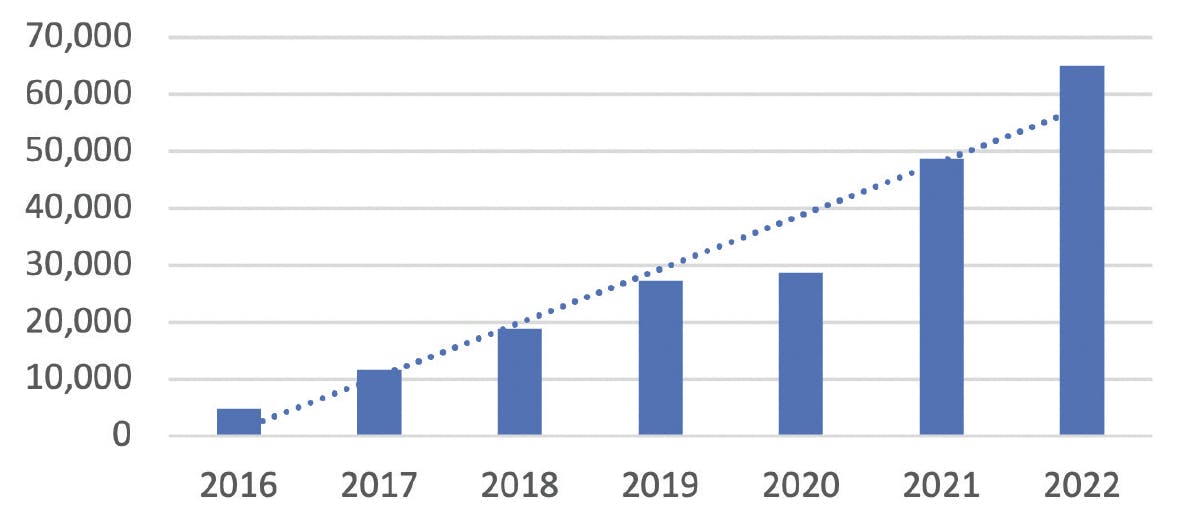
Figure 1. LAAO Registry, 2016-2022: procedure volumes.
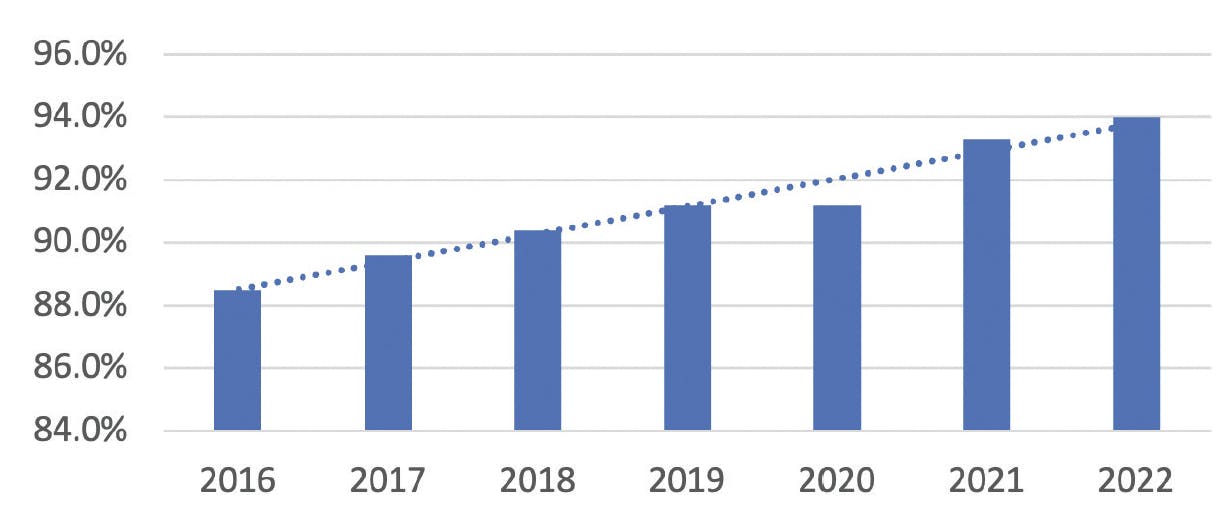
Figure 2. LAAO Registry, 2016-2022: procedural success in United States hospitals.
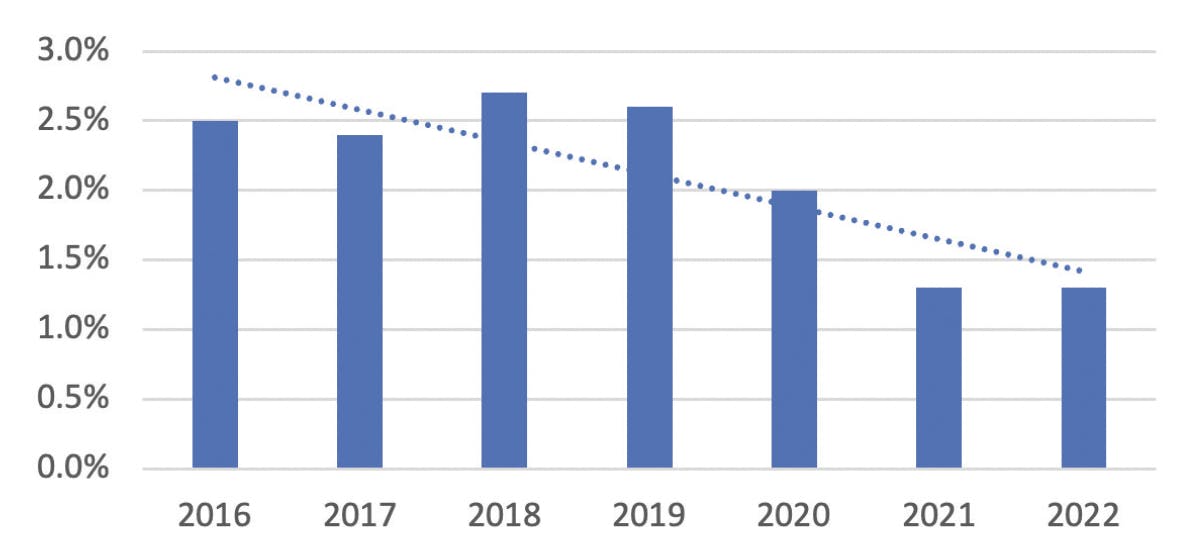
Figure 3. LAAO Registry, 2016-2022: major in-hospital complications in United States hospitals.
EXTENDING SDD TO LAAO PROCEDURES
SDD is commonly used for percutaneous coronary interventions (PCIs), cardiac device implantations, and catheter ablation procedures. It has been used for more than a decade in these populations to lessen the impact of occupying hospital beds and the accompanying limitations of in-patient bed capacity. Because patients do not need to stay overnight in a telemetry unit or other hospital setting, the resources and staff needed to care for them may be redirected to other patients who need them, improving resource utilization without compromising patient safety.5-8
A descriptive review of SDD trends after LAAO between January 2016 and December 2021 demonstrated substantial growth in the utilization of SDD after LAAO since 2020, albeit with considerable variations across sites. In this analysis of > 45,000 patients from the Vizient Clinical Data Base, SSD accounted for < 4% of cases prior to 2020 but increased substantially from 8% in 2020 to 25.9% in 2021 (P < .001 for trend).9
The COVID-19 pandemic can be credited with fueling the broader consideration of extending SDD to LAAO procedures. Avoiding an overnight stay addressed the concern for preserving access to the procedure without occupying scarce hospital beds and exposing patients to the risk of in-hospital virus transmission. Even as the pandemic impact fades, SDD continues to be advantageous for facilities with ongoing hospital bed or staff availability. The recently published Society for Cardiovascular Angiography and Interventions/Heart Rhythm Society expert consensus statement on transcatheter LAA closure indicated SDD “may be appropriate after several hours of observation, demonstrating no complications or pericardial effusion.”10
SDD Outcomes and Safety
Several studies have found SDD after LAAO to be safe with appropriate patient selection.11-13 A retrospective analysis of patients from the LAAO Registry between January 2016 and December 2021 found that patients discharged on the day of the procedure had an extremely low risk of stroke, access site bleeding, or pericardial effusion, as well as comparable mortality and readmission at 45-day follow-up when compared to patients discharged the day after their procedure.11 Similarly, a recent meta-analysis of seven observational studies showed no significant difference in patient safety outcomes, postdischarge complications, or readmission rates between SDD and overnight stay.12 These safety findings extend beyond the initial hospitalization. In a single-center analysis of patients who underwent successful Watchman procedures without same-day procedure-related complications, safety and readmission outcomes at 7 and 45 days were not significantly different between SDD and non-SDD approaches.14
An inverse association between LAAO procedural volume and in-hospital major adverse events has been identified. This was driven mainly by lower rates of stroke or transient ischemic attack and bleeding or transfusion after the LAAO procedure. Notably, “high-volume centers” were designated as performing ≥ 32 procedures per year.15 Using this definition, for the full four quarters of 2022, 76% (593/785) of United States centers entering complete data into the LAAO Registry could be considered high volume, representing a total of 62,092 procedures.3 This percentage may be even higher, as the NCDR encourages all patients to be entered into the registry, whereas the Centers for Medicare & Medicaid Services (CMS) requires only Medicare patients to be entered for reimbursement. Nonetheless, these findings suggest the safety of procedures in most programs represented in the NCDR would fall into the category of facilities where SDD could safely be considered.
Cost Analysis
Unsurprisingly, cost-of-care analyses for SDD after a variety of cath and electrophysiology lab procedures consistently show savings, largely driven by a shortened hospital stay.16 The same holds true for LAAO procedures. Reported savings of SDD versus overnight stay after LAAO range from a 15% reduction in costs17 to a median savings of $2,100 to $2,600 per patient.9,13 Additional cost benefits may be realized through providing an opportunity for a higher-acuity patient to fill the bed that would otherwise have been occupied by the postprocedure LAAO patient.
INITIATING AN SDD PROGRAM FOR LAAO
Programs already offering SDD for PCI, device implantation, and ablation patients can achieve greater scale and efficiency by extending SDD for LAAO patients. However, before doing so, programs should confirm that their LAAO performance meets or exceeds published benchmarks published in the LAAO Registry. Data for procedural success, procedural complications, vascular complications, and other in-hospital adverse events are some of the most important to understand when ensuring patient safety will be maintained.
As with any approach to discharging patients on the day of an invasive cardiac procedure, it is essential to first ensure that routine elements of pre-, peri- and postprocedure care are performed safely and meet quality benchmarks. This begins in the planning stage with patient education and shared decision-making about the procedure. A documented, formal shared decision-making process is included as part of the CMS National Coverage Decision for LAAO procedures. Patient decision-making tools, such as the one available from American College of Cardiology’s CardioSmart, can augment patient discussions and documentation in the electronic health record.18 Once the decision has been made to proceed, incorporating information around the ability to return home on the day of the procedure fits perfectly within the structure of that physician-patient interaction. In addition, providing verbal and written postprocedure instructions with teach-back regarding medications, postprocedure self-monitoring, when to seek help, social support, transportation, and completing follow-up visits helps the patient anticipate a return home on the day of the procedure.
Partnering with imaging teams to adopt standard imaging protocols helps ensure consistency of optimal imaging techniques and image quality. This helps guide the implanting physician in choosing the appropriate device and device size based on the LAA anatomy. Using this approach helps facilitate ease of implantation and likelihood of procedural success, increasing confidence in the safety of SDD.
Safe discharge on the day of the procedure is less dependent on strict preprocedure patient selection criteria than it is on the completion of the procedure without complication and the stability of the patient afterward. If the patient arrives in a stable condition and is not excessively frail and has returned to a stable baseline after an uncomplicated procedure, the likelihood of complications arising at home after a period of observation is low. Arrival orders should include an order for admission as “inpatient status,” as Medicare reimbursement designates LAAO procedures as inpatient only.19 The “two-midnight rule” is not applicable for procedures restricted to the inpatient-only list. Consequently, if the procedure is completed without complications, technical concerns, or bleeding issues, and the patient has remained stable after a period of observation, the discharge order can be entered and a progress note written indicating that the patient has recovered and is stable for discharge.
Intraprocedural imaging techniques contribute to the ease of SDD. TEE in conjunction with general anesthesia has traditionally been used for LAAO procedures but also is associated with longer patient recovery and a higher risk of complications. The increasing use of intracardiac echocardiography with conscious sedation has demonstrated safety and effectiveness for successful device placement. Although either general anesthesia or conscious sedation can allow for SDD, conscious sedation may increase patient safety and translate into expedited procedural turnaround and a shorter postprocedural stay.
SDD CRITERIA
Adopting a standardized approach to SDD helps ensure the appropriateness and safety of an early discharge. It begins with a process to ensure that the clinical staff is familiar with the potential complications of the procedure, including recognition of pericardial bleeding or tamponade, stroke, vascular access management, and postanesthesia care or sedation recovery. Providing initial and ongoing education and skill mastery to confirm competency is an essential element of safe SDD practice.
Developing standard discharge criteria and follow-up practices for selected LAAO patients further supports a successful experience for the patient, the clinician, and the facility. Patient criteria for SDD begins with a procedure that is uncomplicated, with no bleeding issues or other technical concerns and the absence of a peridevice leak > 5 mm. Notably, procedures in which multiple device recaptures are needed prior to final positioning may require additional observation to monitor for the presence of pericardial effusion and/or tamponade.
Patients are observed for bleeding and other potential complications during postprocedure recovery. A transthoracic echocardiogram is recommended to evaluate for the absence of a new pericardial effusion and good device position in the first hours after implantation. Vascular access hemostasis should be carefully monitored, with no signs of significant bleeding. Hemostasis may be accomplished with manual pressure, a closure device, or suture techniques. However, the shorter period of bed rest required when a technique other than manual compression is used is helpful in maintaining throughput in the postprocedure recovery area. Prolonging the period of postprocedure observation due to bed rest requirements may represent the difference between an SDD and an overnight stay.
Discharge is typically indicated within 4 to 6 hours after the procedure if vital signs are stable, oral intake is tolerated, and the patient is able to urinate and safely ambulate after a period of bed rest. The clinical team should provide verbal and written discharge instructions on medications and self-monitoring for complications, involving family members or other support persons for reinforcement of material. Discharge information should include follow-up imaging and provider appointments, whenever possible. Finally, in addition to transportation, the patient should have someone available as a caregiver for the first night at home. Best practice includes a follow-up phone call, preferably the following day by a nurse, to confirm the patient is recovering well, has all needed medications and appointments, and does not have concerns or questions regarding their care. Standardized follow-up phone scripting is recommended with responses documented in the patient’s medical record. Reminding patients that they will receive a follow-up call from the facility or physician’s office can help increase the likelihood of making contact with them after discharge (Figure 4).
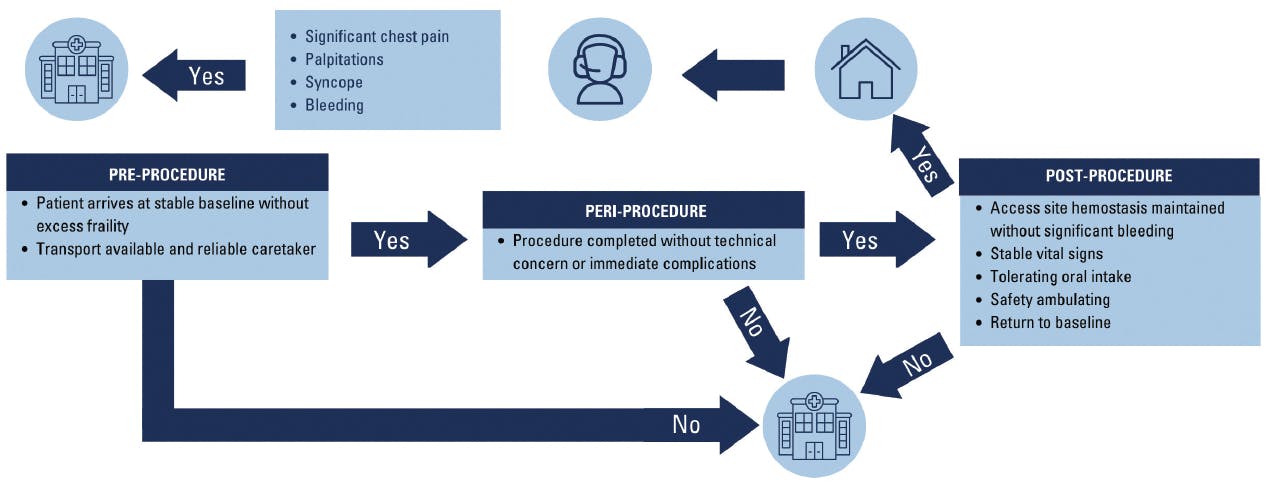
Figure 4. LAAO pre-, peri-, and postprocedure decision points for SDD.
CONCLUSION
With an aging population and an increasing prevalence of AF, along with demonstrated safety and efficacy of percutaneous LAAO, the number of LAAO procedures performed will continue to rise. Thoughtful preprocedural planning, procedural imaging, and device deployment, along with standardized recovery protocols, all contribute to the length of stay needed for in-hospital recovery postprocedure. An SDD strategy for LAAO in appropriately selected patients appears to be safe, feasible, and cost-effective and is appreciated by patients. Adopting this strategy contributes to making LAAO more patient-friendly and more affordable for the health care system.
1. Blackshear JL, Odell JA, Appendage obliteration to reduce stroke in cardiac surgical patients with atrial fibrillation. Ann Thoracic Surg. 1996;61:2:755-759. doi: 10.1016/0003-4975(95)00887-X
2. January CT, Wann LS, Calkins H, et al. 2019 AHA/ACC/HRS focused update of the 2014 AHA/ACC/HRS guideline for the management of patients with atrial fibrillation: a report of the American College of Cardiology/American Heart Association task force on clinical practice guidelines and the Heart Rhythm Society. J Am Coll Cardiol. 2019;74:104-132. doi: 10.1016/j.jacc.2019.01.011
3. NCDR Cath-PCI Registry® R4Q Report Report Ending 2022 Q4. Accessed June 2, 2023. cvquality.acc.org/NCDR-Home
4. Price M, Friedman D, Du C, et al. Comparative safety of transcatheter LAAO with the first-generation Watchman and next-generation Watchman FLX devices. JACC Cardiovasc Interv. 2022;5:2115-2123. doi: 10.1016/j.jcin.2022.09.002
5. Writing Committee; Rao SV, Vidovich MI, Gilchrist IC, et al. 2021 ACC expert consensus decision pathway on same-day discharge after percutaneous coronary intervention: a report of the American College of Cardiology Solution Set Oversight Committee. J Am Coll Cardiol. 2021;77:811-825. doi: 10.1016/j.jacc.2020.11.013
6. Hess P, Greiner M, Al-Khatib S, et al. Same-day discharge and risks of mortality and readmission after elective ICD placement for primary prevention. J Am Coll Cardiol. 2015;65:955-957. doi: 10.1016/j.jacc.2014.12.032
7. Deyell MW, Leather RA, Macle L, et al. Efficacy and safety of same-day discharge for atrial fibrillation ablation. JACC Clin Electrophysiol. 2020;6:609-619. doi: 10.1016/j.jacep.2020.02.009
8. Kowalski M, Parikh V, Salcido JR. Same-day discharge after cryoballoon ablation of atrial fibrillation: a multicenter experience. J Cardiovasc Electrophysiol. 2021;32:183-190. doi: 10.1111/jce.14843
9. Ponce AC, Shaer AE, Sulaiman S, et al. Contemporary trends in same-day versus deferred discharge after left atrial appendage occlusion. JACC Adv. 2023;2:100261. doi: 10.1016/j.jacadv.2023.100261
10. Saw J, Holmes D, Cavalcante J, et al. SCAI/HRS expert consensus statement on transcatheter left atrial appendage closure. JACC Cardiovasc Interv. 2023;16:1384-1400. doi: 10.1016/j.jcin.2023.01.011
11. Kansara P, Weisman D, Ahn J. Outcomes of same day compared to next day discharge for patients undergoing left atrial appendage occlusion. JACC. 2022;80(suppl B):B155. doi: 10.1016/j.jacc.2022.08.452
12. Khan JA, Parmar M, Bhamare A, et al. Same-day discharge for left atrial appendage occlusion procedure: a systematic review and meta-analysis. J Cardiovasc Electrophysiol. 2023;34:1196-1205. doi: 10.1111/jce.15914
13. Kawamura I, Kuno T, Sahashi Y, et al. Thirty‐day readmission rate of same‐day discharge protocol following left atrial appendage occlusion: a propensity score‐matched analysis from National Readmission Database. Heart Rhythm. Published online July 11, 2022. doi: 10.1016/j.hrthm.2022.07.006
14. Tan BET, Boppana LKT, Abdullah A, et al. Safety and feasibility of same-day discharge after left atrial appendage closure with the WATCHMAN device. Circ Cardiovasc Interv. 2021;14:e009669. doi: 10.1161/CIRCINTERVENTIONS.120.009669
15. Nazir S, Ahuja K, Kolte D, et al. Association of hospital procedural volume with outcomes of percutaneous left atrial appendage occlusion. JACC Cardiovasc Interv. 2021;14:554-561. doi: 10.1016/j.jcin.2020.11.029
16. Amim AP, Crimmins-Reda P, Miller S, et al. Novel patient‐centered approach to facilitate same‐day discharge in patients undergoing elective percutaneous coronary intervention. J Am Heart Assoc. 2018;7:1-13. doi: 10.1161/JAHA.117.005733
17. Dallan LA, Bezerra HG, Cochet A, et al. Safety, efficacy, and cost-effectiveness of same-day discharge for left atrial appendage occlusion. J Invasive Cardiol. 2022;34:E124-E131.
18. CardioSmart. A decision aid for AFib stroke prevention for patients with atrial fibrillation. Accessed June 6, 2023. https://www.cardiosmart.org/docs/default-source/assets/decision-aid/afib-stroke-prevention_high-risk.pdf?sfvrsn=b4180609
19. Centers for Medicare & Medicaid Services. Decision memo for percutaneous left atrial appendage (LAA) closure therapy (CAG-00445N). Accessed May 22, 2023. https://www.cms.gov/medicare-coverage-database/view/ncacal-decision-memo.aspx?proposed=N&NCAId=281
Advertisement
Advertisement