Advertisement
Advertisement
January/February 2023
Applying Team-Based Care Delivery to Interventional Cardiology: Learnings from the 2022 MedAxiom CV APP Survey
A team-based care model that incorporates effective use of advanced practice providers can ensure access to care and enhance a program’s patient care capacity.
As team-based care evolves into an effective delivery model for cardiovascular (CV) care, the annual MedAxiom Cardiovascular Advanced Practice Provider Compensation and Utilization Report provides insights into current trends and use of CV advanced practice providers (APPs). The 2022 report, which includes nearly 100 participating CV organizations, shows an increased use of APPs in CV care delivery; the APP-to-physician ratio increased from 0.39 in 2016 to 0.6 in 2022. The survey also explores both ambulatory and acute care practice trends. With interventional cardiology being a key area of CV care delivery, understanding how a team-based care model impacts program access and patient throughput is valuable. This article outlines practice trends, as well as care model impact.
APP USE IN AMBULATORY CARE
Most organizations describe using APPs in the ambulatory clinic. Nearly all (98%) of the programs describe their APPs as having independent schedules where patients are scheduled and seen by the APP only, as opposed to a tandem schedule where patients are seen by both the APP and the physician. This is a key finding, as APPs are licensed providers who are allowed to see patients and bill independently for evaluation and management (E/M) services. Typically, these independent visits are part of a shared model in which the APPs provide the routine follow-up care. This allows the physician to spend more time seeing new patients and patients with urgent needs, focusing on patients who require a higher level of clinical decision-making. A team-based care model should expand the provider team capacity and allow the management of a larger patient population. For APPs who see patients independently, the number of patients per day ranges from eight to > 16. Most programs describe an expectation of 15 patients per day for their APPs. With that expectation, adding a full-time APP to the clinic practice would allow for 3,600 patient encounters per year.
APPs typically handle follow-up visits for patients who already have an established care plan. Time allocation for APPs to see follow-up visits ranges from 15 to 45 minutes, with the majority (58%) reporting 30-minute visits (Figure 1).
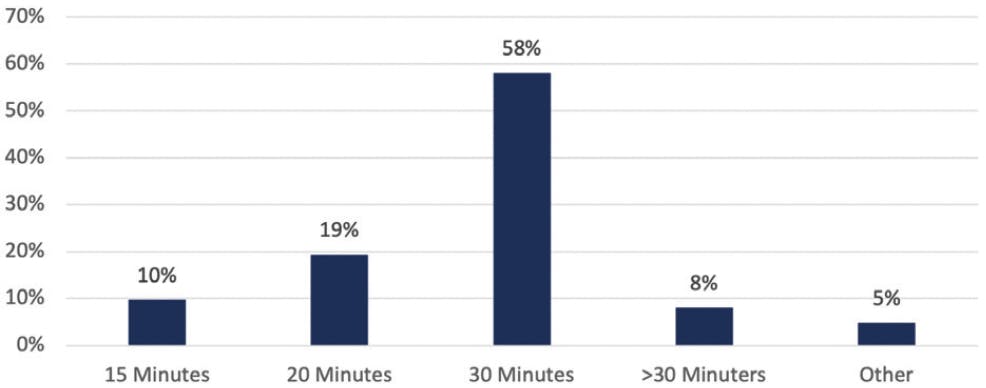
Figure 1. Time allocated per visit for established patients.
In addition to routine follow-up visits, most programs note that posthospital follow-up visits, postprocedure visits, and urgent visits can be provided by the APPs. This is another key finding as most interventional cardiologists spend a significant amount of their time in the procedure lab. The use of an APP to assist with providing ambulatory care can ensure timely follow-up for hospitalizations and procedures. In addition, having a provider available to manage urgent patient needs can assist in keeping patients from visiting the emergency department and avoiding potential readmissions. Using APPs for these patient types is a smart way to expand provider capacity and access to CV care for patients (Figure 2).
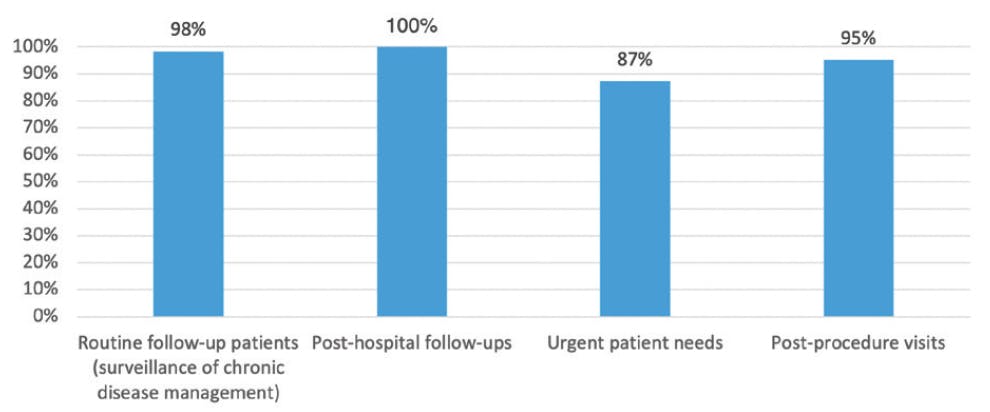
Figure 2. APP patient types.
Of the programs surveyed, 71% use their APPs in clinic without a physician present. This practice is dictated by state law and the type of service rendered. For organizations that seek to use APPs for “incident to” services, a physician must be present in the clinic for billing purposes. However, the physician does not need to see patients with the APP.
The breakdown of typical APP clinic responsibilities outside of patient visits is shown in Figure 3.
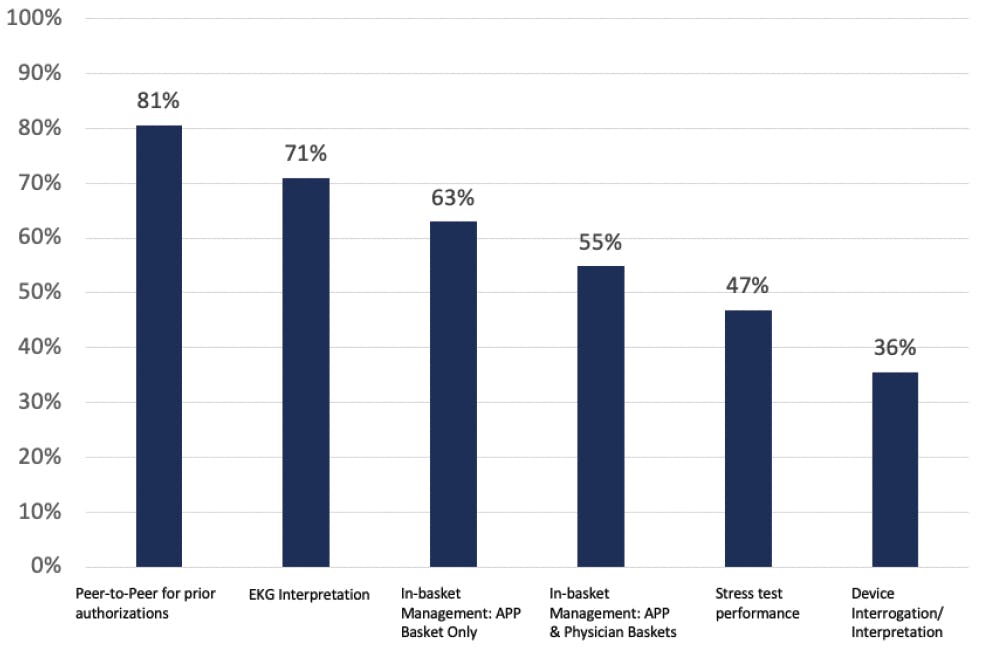
Figure 3. APP clinic duties. EKG, electrocardiogram.
APP USE IN ACUTE CARE
In the 2022 APP survey, 86% of participating programs report using APPs in the acute care setting. The most common responsibilities include consults, admissions, daily rounds, and discharge management (Figure 4). Adding APPs to the acute care cardiology service allows cardiologists to spend more time in the procedure lab or imaging department. The goal of a team-based service for acute care is to optimize patient throughput with improved time to procedure, ensuring appropriate discharge timing and overall improvement in length of stay. For the interventional cardiology service, this should also equate to an increase in physician time that can be allocated to the procedure lab.
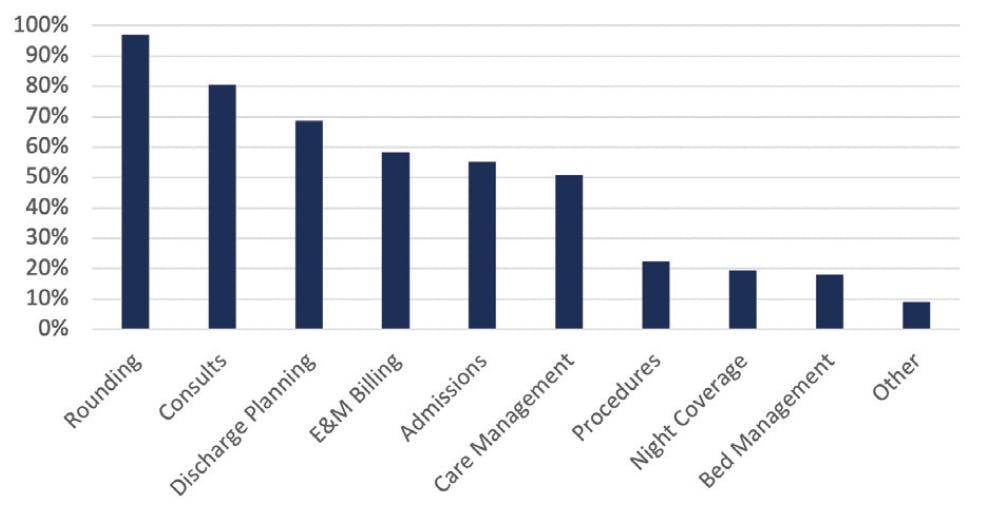
Figure 4. Acute care APP roles/responsibilities.
The current workload reported for this team is ≥ 10 patient encounters per shift. When asked for specifics, the majority of programs describe that an APP will provide care to between 15 and 20 patients per shift. In addition, most programs describe their acute care service model to include days and weekends. Only 14% describe a 24/7 coverage model, with APPs covering the service all hours of every day. Shift length varies from no formal shift times to a shift length of 12 hours. For 64% of the respondents, full time is considered to be > 80 hours per pay period, while the other 36% describe a mix of > 76 and > 72 hours per pay period to meet the full-time definition.
For call responsibilities, 76% of programs with APPs in the acute care setting do not require call for APPs; 14% report call taken from home, and 10% describe call where they may be required to come to the hospital if needed.
In addition to the full cardiology service, 53% of respondents describe using APPs in the intensive care unit (ICU), but only one-third of respondents state that the team is dedicated to the ICU only. The most common ICU responsibilities include consults, admissions, daily rounds, and ICU discharge management.
IMPACT OF THE TEAM-BASED CARE MODEL IN INTERVENTIONAL CARDIOLOGY
In addition to the annual APP survey, MedAxiom collects data from hundreds of CV programs across the country through MedAxcess, the CV industry’s leading proprietary database and business intelligence application powered by > 20 years of data and more than 800 metrics. MedAxcess data focus on productivity, practice trends, and staffing models. To better understand the impact of a team-based care model that includes APPs on interventional cardiology, MedAxcess data were analyzed for the calendar year 2021. The goal was to better understand whether programs with a higher number of APPs per physician realize an impact from the model compared to those with a lower APP-to-physician ratio.
First, the use of APPs in programs with interventional cardiologists is high. A vast majority (93%) of the cardiology programs in MedAxcess that include interventional cardiologists also use APPs. Several key trends are revealed when comparing those with an APP-to-physician ratio above the median (0.6 APP full-time employee per physician) compared to those with a ratio below the median. Interventional cardiologists in programs with a higher ratio of APPs have a higher number of total new patients per interventional cardiologist. In addition, interventional cardiologists in programs with a higher ratio of APPs have a lower number of follow-up patient visits per interventional cardiologist. These two data points suggest that programs with a higher APP ratio realize a better use of their interventional cardiologist’s time. Physician time is used to support growth, with an enhanced ability to see more new patients. Another interesting metric to support this finding is that interventional cardiologists in programs with a higher ratio of APPs note a lower percentage of their work relative value units earned from E/M activities compared to those with a lower APP ratio. This suggests that interventional cardiologists in programs with higher APP support spend more time performing procedures than their counterparts.
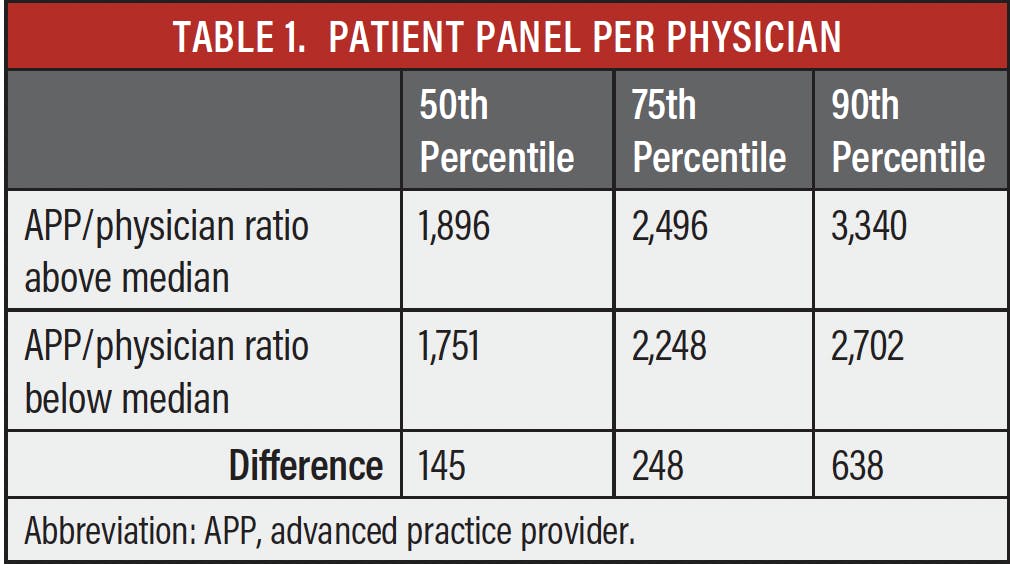
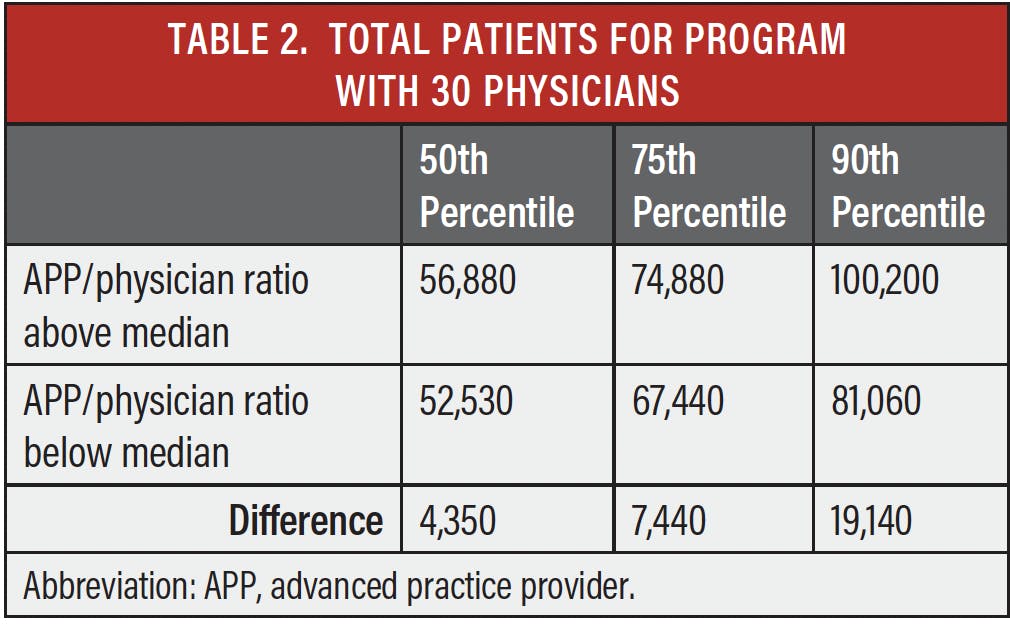
The last data point suggesting that the use of a team-based care model with APPs improves program capacity relates to patient panel, which is the number of active cardiology patients managed by providers in the program. Data show that programs with a higher ratio of APPs per physician manage a larger patient panel. This is true for programs at the 50th (median), 75th, and 90th percentiles, the difference being an additional 145 patients per physician at a median panel to 638 patients per physician at the 90th percentile for programs with the higher APP-to-physician ratio (Table 1). For a program with 30 physicians, this translates to a significant difference between the number of patients managed by programs with higher APP ratios compared to those with lower. At the 90th percentile patient panel size, the difference is 19,140 patients a year (Table 2). While these patient panel numbers are for all cardiologists in the program, a larger patient panel will ultimately result in new patients and more interventional procedures.
CONCLUSION
For CV care delivery, a team-based care model is superior in regard to use of physician time and a program’s patient capacity. For interventional cardiology, there are multiple roles that an APP can fill effectively in both the ambulatory and the acute care settings. The goal is to ensure that “top of license” responsibilities start with the physician. For interventional cardiology, new patient assessments and procedural care should be top priorities. By using an APP to provide follow-up care, the data show an enhanced use of physician time. As the model evolves, this impact should only improve. For programs looking to optimize their model or start a team-based care model, the 2022 MedAxiom APP survey provides a great place to start.
Download the full 2022 Cardiovascular Advanced Practice Provider Compensation and Utilization Report here!
Advertisement
Advertisement