Advertisement
Advertisement
May/June 2022
An Update on Coronary Physiology
Pressure wire–based assessment of epicardial stenosis and the integration of multimodal assessment to assess the prognostic implications of epicardial coronary plaque.
The coronary circulation is an intricate and dynamic network composed of the large epicardial vessels and the microvasculature, controlled by multiple physiologic mechanisms that maintain adequate myocardial perfusion despite ever-changing hemodynamic conditions.1-3 Any or all of these components can be compromised by various mechanisms, causing cardiac dysfunction or ischemia. Epicardial stenoses can be visualized using one of the most fundamental tools of interventional cardiology, the coronary angiogram. However, comprehensive assessment of the functional significance of these epicardial stenoses requires more sophisticated techniques.
INVASIVE ASSESSMENT OF MYOCARDIAL ISCHEMIA
Pioneering work from Gould et al identified disturbed coronary flow in the presence of epicardial stenosis > 85% and > 50% at rest and during hyperemia, respectively. This facilitated the interpretation of the coronary angiogram and strengthened the initial belief that there was a cause-and-effect relationship between coronary stenosis and myocardial ischemia.4 Significant progress has ensued in the intervening years, and we now appreciate that myocardial ischemia is not a single entity but a disease spectrum that may be due to focal epicardial stenosis, diffuse coronary artery disease (DCAD), microvascular dysfunction (MCD), or a combination of these components. Therefore, to comprehensively assess ischemia and target treatment in individuals, a thorough understanding of the underlying etiology of myocardial ischemia is required.
Initial invasive assessment of the ischemic potential of epicardial stenoses used coronary flow reserve (CFR) with fractional flow reserve (FFR) predominately after the pivotal DEFER,5 FAME,6 and FAME II7 trials. Over the intervening decades, a number of alternatives to FFR have emerged to determine the ischemic potential of coronary lesions, including nonhyperemic pressure wire assessment, angiographic-based computational fluid dynamics, and intravascular imaging–derived assessment. This article focuses on pressure wire–based assessment of epicardial stenosis and the integration of multimodal assessment to assess the prognostic implications of epicardial coronary plaque. Invasive assessment of ischemia with nonobstructive coronary arteries is a large topic outside the scope of this article.
PRESSURE WIRE–BASED TECHNIQUES TO ASSESS THE ISCHEMIC POTENTIAL OF EPICARDIAL STENOSIS
Fractional Flow Reserve
Much of the available data on the invasive assessment of myocardial ischemia comes from the use of FFR. First proposed by Pijls et al,8,9 FFR is calculated as the ratio of invasively measured coronary pressures, distal (Pd) and proximal (Pa) to an epicardial stenosis, under hyperemic conditions. Usually obtained with adenosine, it is assumed that the Pd/Pa ratio acts as a surrogate for the fractional peak flow across the lesion given that hyperemia induces minimal and constant myocardial resistance.10 Several large clinical trials (most notably, DEFER,5 FAME,6 and FAME II7) have shown FFR to be both safe and efficacious in predicting the functional significance of a coronary stenosis, with a cutoff value of 0.75 used in DEFER and 0.80 used in the FAME trials. The relative ease and simplicity with which FFR can be obtained during daily clinical practice and its inclusion in the current guidelines11,12 mean it is commonly used to investigate the physiologic significance of a coronary stenosis. Despite the evidence supporting FFR, it has a number of limitations, including that it does not provide insights into the status of nonobstructive coronary artery disease (CAD) or other key contributors to total myocardial flow, such as collaterals or microcirculation.
FFR is often thought of as the gold standard in the invasive evaluation of ischemia; however, FFR itself was validated against a number of noninvasive tools, each with varying sensitivity and specificity.13 Although this might be considered a weakness of the validation mechanisms underpinning FFR, importantly, patients had to have a subsequent negative ischemia test (ie, demonstrate that the ischemia was clearly linked to the interrogated stenosis and that the ischemia test normalized after revascularization). The cutoff point of 0.80 is now widely accepted when deciding to treat or defer an epicardial stenosis. Although 0.80 was chosen for its sensitivity and specificity in predicting the safety of deferring stenting, the further away from the 0.75 to 0.80 value a measurement is, the more likely it is to reproducibly classify a stenosis.14 Similarly, while a cutoff value of 0.80 predicts the likelihood of major adverse cardiac events (MACE), the majority of these events are driven by revascularization for angina, and it is not until values approach 0.67 that the hard endpoints of death and myocardial infarction begin to emerge.15,16
Recent work using hyperemic pullback pressure gradients has attempted to better classify patterns of CAD using invasive physiology.17 By quantifying the distribution of epicardial resistance during an FFR pullback, CAD can be classified as focal, diffuse, or both. This may potentially influence revascularization decision-making, but clinical trials to determine its place in clinical decision-making and clinical outcomes are required.
Nonhyperemic Pressure Ratios
A number of nonhyperemic wire-based indices have been developed to assess the functional significance of epicardial stenoses. These assess either specific phases of (iFR: instantaneous wave-free ratio, dPR: diastolic pressure ratio, and DFR: diastolic hyperemia-free ratio) or the whole cardiac cycle (cFFR: contrast FFR, rest Pd/Pa, and RFR: resting full-cycle ratio).
iFR is the only alternative to FFR that has been evaluated in randomized controlled trials (DEFINE-FLAIR18 and iFR-SWEDEHEART19). The trials showed that at 1 year, iFR was noninferior to FFR, with a primary endpoint of death, myocardial infarction, or unplanned revascularization. Although iFR is known to have a close pressure relationship to FFR, it is relatively insensitive to nonflow-limiting coronary stenosis. This can be explained by the fact that iFR is calculated during basal conditions and therefore the large pressure gradient that occurs during hyperemia due to a large increase in coronary flow is not observed with iFR. Approximately 20% of lesions will have discordant iFR and FFR values, but it is not clear whether the clinical outcomes differ based on physiology-guided treatment decisions using each modality. Vendor-specific software allows overlay of the iFR pullback curve onto the angiogram, thus allowing operators target lesions to achieve physiologically optimal PCI.20 Compared to post-PCI iFR ≤ 0.95, achieving a post-PCI iFR ≥ 0.95 has been associated with improved event-free survival at 1 year, as well as a greater reduction in anginal symptoms.21
Coronary Flow Reserve
CFR is used both invasively and noninvasively to provide a global assessment of the coronary circulation, evaluating the ability of the coronary vasculature to increase its flow in response to increasing myocardial oxygen demand.4,9,22 In the absence of obstructive epicardial coronary artery stenosis, the coronary vasculature can increase its flow up to four times above baseline with an intact autoregulatory system.23 Therefore, failure of the coronary vasculature to increase its flow in the absence of a focal coronary stenosis implies the presence of either diffuse CAD or MCD. Despite being the initial tool in the invasive assessment of ischemia, the use of CFR to assess stenosis severity has been superseded by FFR. The use of CFR to assess the microcirculation continues, using either wire-based Doppler or thermodilution measurements.
Studies comparing FFR and CFR in the evaluation of the functional significance of epicardial stenoses frequently report discordance between modalities in up to 30% to 60% of lesions.24-27 Integrating both positron emission tomography (PET) and invasive physiology, Johnson et al proposed classifying coronary vessels into four quadrants based on the cutoff values of CFR (> 2) and FFR (< 0.8) (Figure 1).28 Concordance between CFR and FFR can be relatively easily interpreted. If both are normal (CFR > 2, FFR > 0.8), it can be assumed that myocardial ischemia is unlikely as there is no significant limitation to flow through the epicardial artery or impediment to the microvasculature in appropriately increasing flow. When both CFR and FFR are abnormal, myocardial ischemia occurs due to an inability of the autoregulatory mechanisms of the microvasculature to augment flow in response to increased resistance caused by the epicardial stenosis. In this case, revascularization of the coronary stenosis should restore flow through the coronary artery. If there is coexisting MCD, revascularization will not restore the autoregulatory mechanisms. Discordance between CFR and FFR leads clinicians to question which result is providing the correct answer; however, one should view them as complementary physiologic indices29 and incorporate information from both techniques to provide the best possible treatment.
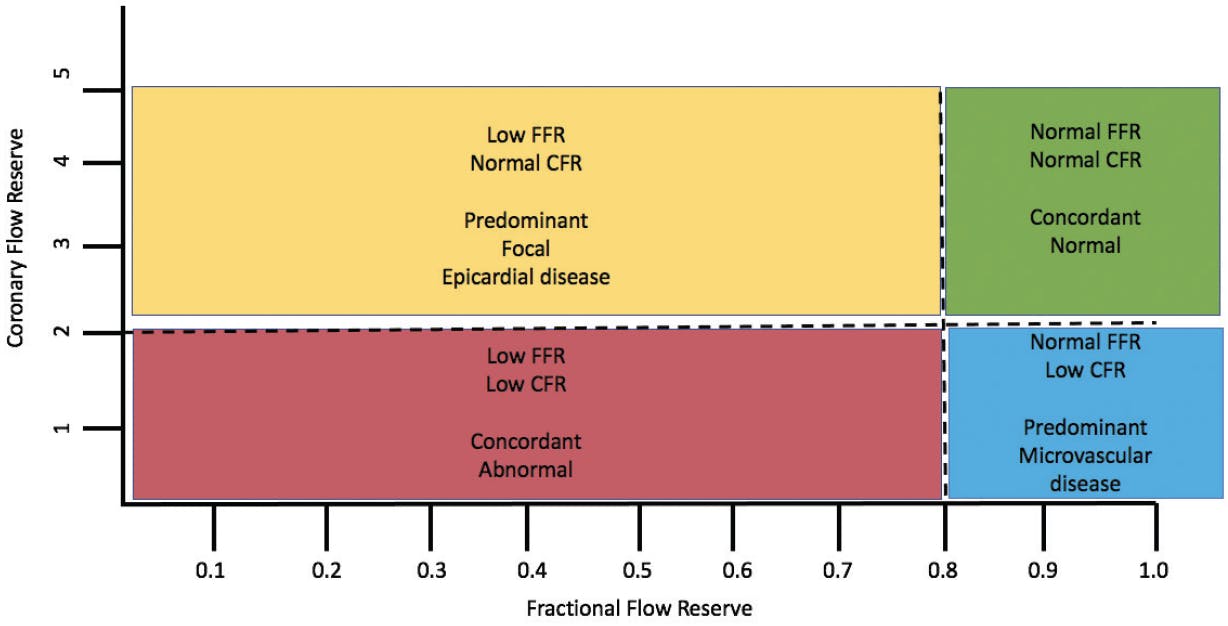
Figure 1. Interpretation of integrated FFR and CFR.
NORMAL FFR WITH ABNORMAL CFR
This pattern can perhaps be most easily explained by the presence of MCD causing a decreased CFR with normal or nonobstructive epicardial vessels reflecting the normal FFR values. Structural microcirculatory remodeling or microcirculatory plugging may exist, therefore limiting the maximal myocardial flow due to increased resistance in the arterioles and capillaries. This leads to a reduced distal pressure drop and a higher FFR than would be obtained in the absence of MCD.30 This is supported by the work of Meuwissen et al who assessed CFR, FFR, and minimal microvascular resistance (a velocity-based index of microvascular resistance) during maximal hyperemia in 150 intermediate coronary lesions.31 When the CFR-FFR discordant subjects were analyzed, there were no significant differences in the clinical or angiographic characteristics. In the group with a normal FFR but abnormal CFR, there was a significantly higher minimal microvascular resistance compared to the group with an abnormal FFR and normal CFR (2.42 ± 0.77 mm Hg vs 1.91 ± 0.7 mm Hg; P < .05), thus implying the presence of MCD in the group with normal FFR and abnormal CFR.
An alternative cause for this scenario is DCAD, which limits hyperemic flow to the point that the pressure gradient across the stenosis is low or nonexistent. In the presence of DCAD, there is a lack of convective accelerative flow and flow separation loss, leading to minimal pressure drop (normal FFR). However, within the diseased segment, there is a drop off in coronary flow, identified by the low CFR. Gould et al described the hemodynamic effects of DCAD on coronary flow in patients with angiographically mild CAD without myocardial perfusion defects using dipyridamole PET.32 Despite demonstrating no segmental myocardial perfusion defects, which can be interpreted as a surrogate of normal FFR in this instance, investigators found a graded, longitudinal, base-to-apex myocardial perfusion gradient that was significantly different to that observed in healthy patients. This work was further supported by De Bruyne et al, who measured FFR in patients with nonstenotic CAD and controls without atherosclerosis. In coronary arteries with DCAD and no focal stenosis, a pressure gradient occurred along the length of the artery—a phenomenon not seen in normal coronary arteries.33 These findings demonstrate that DCAD caused increased flow resistance and therefore promoted myocardial ischemia.
Echavarría-Pinto et al integrated microcirculatory resistance, using index of microcirculatory resistance (IMR), along with FFR and CFR into the investigation of intermediate coronary artery stenosis to further elicit this discordance.34 They found a high frequency of abnormal CFR and/or IMR in arteries with normal FFR (63% of cases), with IMR widely dispersed in vessels with FFR > 0.8 and CFR < 2 (n = 28; 39%). Given that high IMR reflects increased microvascular resistance and thus is a marker of MCD, this can differentiate ischemia predominantly due to MCD (normal FFR, low CFR, high IMR) from ischemia predominantly due to DCAD (normal FFR, low CFR, low IMR).
ABNORMAL FFR WITH NORMAL CFR
FFR assumes that the Pd/Pa ratio acts as a surrogate for the fractional peak flow across the lesion, given that hyperemia induces minimal and constant myocardial resistance. However, myocardial function depends on coronary blood flow and not coronary perfusion pressure alone.35 The simplest explanation for abnormal FFR with normal CFR is that even a mild stenosis can generate a significant translesional pressure gradient if coronary flow increases sufficiently. This occurs most commonly in proximal stenoses or those with a large subtended myocardial mass. The presence of virtually no pressure gradient at rest but a significant gradient during hyperemia should alert one to the possibility of this phenomenon.36 Incorporating IMR34 once again provides us with an understanding: the lowest IMR values were found in this group, supporting the presence of a functional microcirculation. In this case, the epicardial lesion limits the conduction of blood through the vessel (FFR ≤ 0.80), although the overall myocardial blood supply in the territory is not significantly impaired (normal CFR).
PROGNOSTIC VALUE OF CFR, FFR, AND RESISTANCE
CFR was first used to assess epicardial stenosis severity,4 but its utility in globally assessing the coronary circulation and stratifying cardiovascular risk has been extensively investigated both invasively and noninvasively.25,34,37,38 Table 1 provides a summary of the key clinical trials assessing CFR and FFR use in combination.24,25,27,31,34,45 Using PET studies, Murthy et al38 evaluated myocardial perfusion and CFR in patients with and without CAD. They found that impaired CFR was associated with an adjusted 3.2- and 4.9-fold increase in the rate of cardiac death in patients with diabetes and patients without diabetes, respectively (P = .0004). Interestingly, diabetes has always been considered a cardiovascular risk factor; however, patients with diabetes with an impaired CFR without CAD experienced a similar rate of cardiac death to patients without diabetes with CAD (2.8% vs 2% per year; P = .33). In contrast, patients with diabetes without CAD with a preserved CFR had a very low rate of cardiac mortality, similar to patients without diabetes or CAD and a preserved CFR (0.3% vs 0.5% per year; P = .65), implying that CFR rather than diabetes itself is an important prognostic factor. Although FFR is now widely used in clinical practice to risk-stratify patients, deferred patients in both DEFER39 and FAME7 had a MACE rate of approximately 20% at long-term follow-up. These, along with other studies,31,40-42 highlight the importance of looking beyond epicardial stenosis when attempting to risk stratify patients.
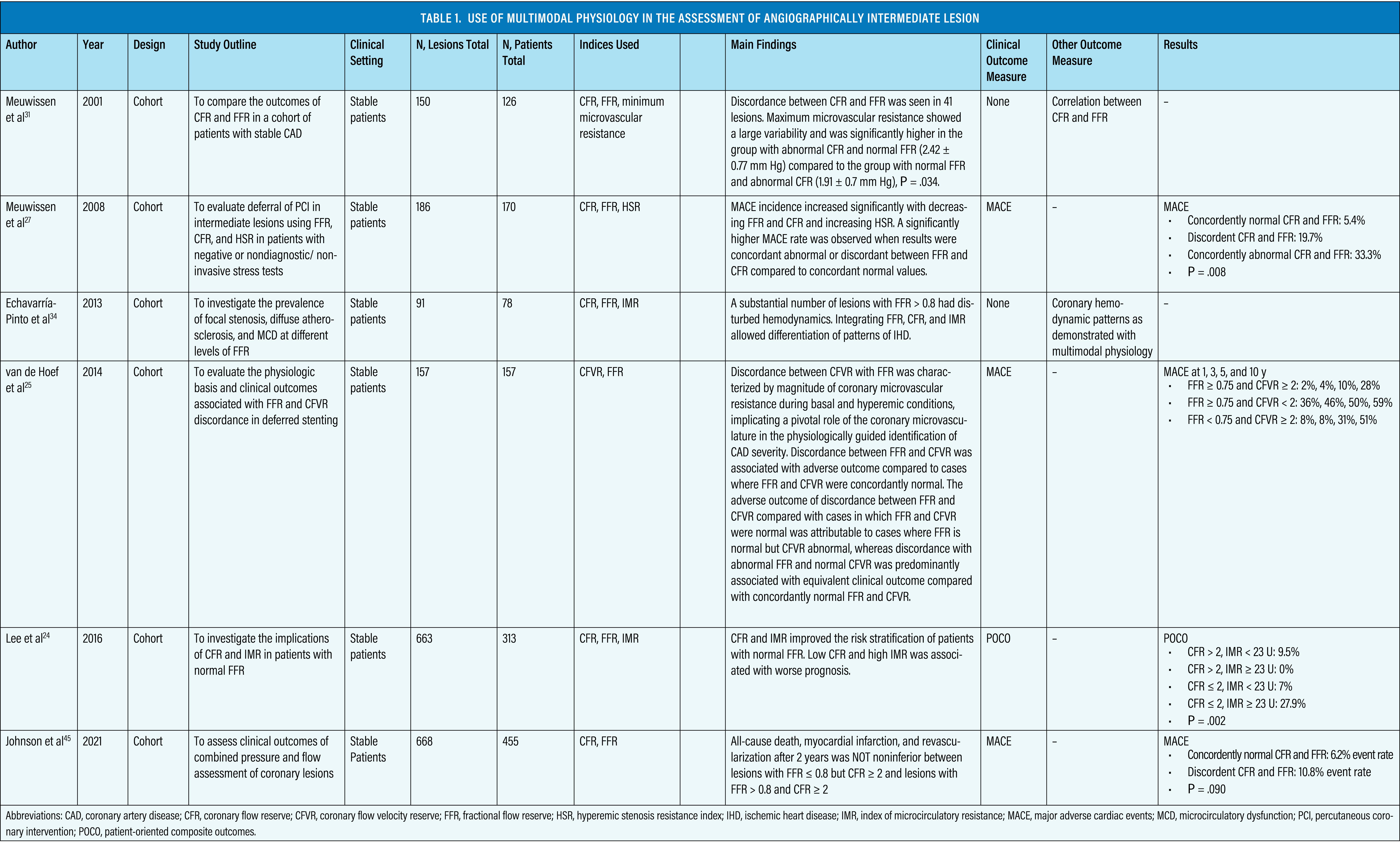
The combined prognostic value of CFR, FFR, and resistance was evaluated in 2008 by Meuwissen et al,27 who investigated deferral of PCI in 186 intermediate stenoses interrogated with FFR, CFR, and hyperemic microvascular resistance. The authors found a significantly higher MACE rate in the group with concordantly abnormal CFR and FFR compared to the discordant and concordantly normal group (33.3% vs 19.7% vs 5.4%, respectively; P = .008). This initial work showing the additional prognostic benefit of adding CFR to FFR regenerated interest in the complementary information these measures can provide. More recent work from van de Hoef et al provides long-term follow-up (mean, 11.7 years) of 157 patients with intermediate stenosis investigated with FFR and coronary flow velocity reserve (CFVR).25 Discordance was associated with an overall higher MACE rate than in the group with normal FFR and CFVR. The combination of a normal FFR and abnormal CFVR led to significantly more MACE early in the study, and this increased MACE rate remained significant throughout follow-up. In contrast, when a normal CFVR was associated with abnormal FFR, the MACE rate was equivalent to that in patients with normal FFR and CFVR up to 3 and 10 years, with cutoff points of 0.75 and 0.8, respectively. The increased MACE rate with an FFR cutoff value of 0.75 is in keeping with previous studies, supporting the concept that FFR values are a spectrum, with an increased event rate the further below the cutoff point of the stenosis is.7,14,43,44
Lee et al aimed to investigate the prognostic implications of CFR and IMR in patients evaluated with FFR.24 In total, 663 vessels in 313 patients undergoing clinically indicated coronary angiography were assessed. Two-hundred thirty patients (516 vessels) with a normal FFR were divided into groups based on low and high CFR and then into four groups: (1) high CFR with a low IMR, (2) high CFR with a high IMR, (3) low CFR with a low IMR, and (4) low CFR with a high IMR. The primary outcome was patient-oriented composite outcome (POCO), a combination of all-cause mortality, any myocardial infarction, and any revascularization. Patients were followed for a median of 658 days (IQR, 503.8-1139.3 days). The study showed that patients with a normal FFR and a low CFR had a higher incidence of POCO (hazard ratio, 4.189; 95% CI, 1.117-15.715; P = .034). The cumulative incidences of POCO were 9.5%, 0%, 7%, and 27.9% for groups 1, 2, 3, and 4, respectively (P = .002), and thus, patients with impaired flow due to MCD (low CFR, high IMR) had the worst outcomes. Because all patients had similar clinical and angiographic characteristics, the measurement of flow and resistance provided additional prognostic information in this group that, by FFR alone, would have been characterized as not having functionally significant disease.
These studies led to the prospective evaluation of revascularization deferral in arteries with an abnormal FFR (< 0.8) but normal CFR (> 2) in the multicenter DEFINE-FLOW trial.45 Overall, 668 lesions in 455 individuals were evaluated, and only those with FFR < 0.8 and CFR < 0.2 were revascularized; all others were treated with optimal medical therapy. At 2-year follow-up, all-cause death, myocardial infarction, and revascularization rates were not noninferior in patients with an FFR ≤ 0.8 and a CFR ≥ 2 (10.8%) compared to an FFR > 0.8 and a CRF ≥ 2 (5.3%). In this study, the majority of MACE was driven by target vessel revascularization in all groups, with a lower target vessel failure predicted by a higher FFR (hazard ratio, 0.69 for a + 0.05 change in FFR; 95% CI, 0.53-0.90; Cox P = .007). Interestingly, the numerical event rates did not vary between those with an FFR > 0.80/CFR < 2 (13%), an FFR ≤ 0.80/CFR ≥ 2 (10.8%), and an FFR ≤ 0.80/CFR < 2 (12.8%). Some of these findings may be explained by increased shear stress causing a decrease in pressure (< FFR) in nonflow-limiting lesions (normal CFR) and leading to vulnerable plaques.46
FUTURE PERSPECTIVES
A number of additional indices, not widespread in clinical practice, may help further define ischemia and provide prognostic information. These include coronary flow capacity (CFC), which interprets CFR in relation to maximal flow (hyperemic average peak flow velocity).42 CFC is potentially a useful addition to multimodal physiology as it integrates CFR and maximal hyperemic flow to investigate myocardial blood flow impairment due to a combination of obstructive CAD, diffuse CAD, and MCD. Ultimately, the combination of invasive physiologic indices, intracoronary imaging, and clinical factors may help identify the truly vulnerable plaque/patients who may benefit from revascularization, aid in the determination of revascularization technique (focal vs diffuse), and aid in the optimization of risk in those with ischemia not related to focal coronary stenosis.
CONCLUSION
The evidence supporting the complementary value of multimodal intracoronary physiological assessment to provide a comprehensive global evaluation of epicardial coronary stenoses is mounting. Although FFR has long been held up as a gold standard in evaluating the functional significance of a coronary stenosis, there are a number of limitations, including evaluation of the entirety of the vessel and assessment of potential vulnerable plaques. Furthermore, the presence of a negative FFR does not imply that the individual patient does not have myocardial ischemia and therefore a poorer clinical prognosis. Instead of viewing FFR, nonhyperemic pressure ratios, CFR, and measures of resistance as competing tools, the concept of multimodal physiology combining the information provided by all indices to achieve our ultimate goal and provide the best clinical outcomes to every patient should be adopted. Ongoing prospective clinical trials along with development of additional indices will provide us with further information on the prognostic value of this multimodal physiology approach.
1. Chareonthaitawee P, Kaufmann PA, Rimoldi O, Camici PG. Heterogeneity of resting and hyperemic myocardial blood flow in healthy humans. Cardiovascular Research. 2001;50:151-161. doi: 10.1016/s0008-6363(01)00202-4
2. Camici PG, Crea F. Coronary microvascular dysfunction. N Engl J Med. 2007;356:830-840. doi: 10.1056/NEJMra061889
3. Camici PG, d’Amati G, Rimoldi O. Coronary microvascular dysfunction: mechanisms and functional assessment. Nat Rev Cardiol. 2014;12:48-62. doi: 10.1038/nrcardio.2014.160
4. Gould KL, Lipscomb K. Effects of coronary stenoses on coronary flow reserve and resistance. Am J Cardiol. 1974;34:48-55. doi: 10.1016/0002-9149(74)90092-7
5. Bech GJW, De Bruyne B, Pijls NHJ, et al. Fractional flow reserve to determine the appropriateness of angioplasty in moderate coronary stenosis: a randomized trial. Circulation. 2001;103:2928-2934. doi: 10.1161/01.cir.103.24.2928
6. Tonino PAL, De Bruyne B, Pijls NHJ, et al. Fractional flow reserve versus angiography for guiding percutaneous coronary intervention. N Engl J Med. 2009;360:213-224. doi: 10.1056/NEJMoa0807611
7. De Bruyne B, Pijls NHJ, Kalesan B, et al. Fractional flow reserve–guided PCI versus medical therapy in stable coronary disease. N Engl J Med. 2012;367:991-1001. doi: 10.1056/NEJMoa1205361
8. Pijls NH, van Son JA, Kirkeeide RL, et al. Experimental basis of determining maximum coronary, myocardial, and collateral blood flow by pressure measurements for assessing functional stenosis severity before and after percutaneous transluminal coronary angioplasty. Circulation. 1993;87:1354-1367. doi: 10.1161/01.cir.87.4.1354
9. De Bruyne B, Baudhuin T, Melin JA, et al. Coronary flow reserve calculated from pressure measurements in humans. Validation with positron emission tomography. Circulation. 1994;89:1013-1022. doi: 10.1161/01.cir.89.3.1013
10. Kakouros N, Rybicki FJ, Mitsouras D, Miller JM. Coronary pressure-derived fractional flow reserve in the assessment of coronary artery stenoses. Eur Radiol. 2013;23:958-967. doi: 10.1007/s00330-012-2670-4
11. Windecker S, Kolh P, Alfonso F, et al. 2014 ESC/EACTS Guidelines on myocardial revascularization: the task force on Myocardial Revascularization of the European Society of Cardiology (ESC) and the European Association for Cardio-Thoracic Surgery (EACTS). Developed with the special contribution of the European Association of Percutaneous Cardiovascular Interventions (EAPCI). Eur Heart J. 2014;35:2541-2619. doi: 10.1093/eurheartj/ehu278
12. Patel MR, Dehmer GJ, Hirshfeld JW, et al. ACCF/SCAI/STS/AATS/AHA/ASNC/HFSA/SCCT 2012 Appropriate use criteria for coronary revascularization focused update: a report of the American College of Cardiology Foundation Appropriate Use Criteria Task Force, Society for Cardiovascular Angiography and Interventions, Society of Thoracic Surgeons, American Association for Thoracic Surgery, American Heart Association, American Society of Nuclear Cardiology, and the Society of Cardiovascular Computed Tomography. J Am Coll Cardiol. 2012;59:857-881. doi: 10.1016/j.jacc.2011.12.001
13. Pijls NH, De Bruyne B, Peels K, et al. Measurement of fractional flow reserve to assess the functional severity of coronary-artery stenoses. N Engl J Med. 1996;334:1703-1708. doi: 10.1056/NEJM199606273342604
14. Petraco R, Sen S, Nijjer S, et al. Fractional flow reserve-guided revascularization: practical implications of a diagnostic gray zone and measurement variability on clinical decisions. JACC: Cardiovasc Interv. 2013;6:222-225. doi: 10.1016/j.jcin.2012.10.014
15. Johnson NP, Tóth GG, Lai D, et al. Prognostic value of fractional flow reserve: linking physiologic severity to clinical outcomes. J Am Coll Cardiol. 2014;64:1641-1654. doi: 10.1016/j.jacc.2014.07.973
16. Ahn JM, Park D-W, Shin E-S, et al. Fractional flow reserve and cardiac events in coronary artery disease clinical perspective: data from a prospective IRIS-FFR registry (Interventional Cardiology Research Incooperation Society Fractional Flow Reserve). Circulation. 2017;135:2241-2251. doi: 10.1161/CIRCULATIONAHA.116.024433
17. Collet C, Sonck J, Vandeloo B, et al. Measurement of hyperemic pullback pressure gradients to characterize patterns of coronary atherosclerosis. J Am Coll Cardiol. 2019;74:1772-1784. doi: 10.1016/j.jacc.2019.07.072
18. Davies JE, Sen S, Dehbi H-M, et al. Use of the instantaneous wave-free ratio or fractional flow reserve in PCI. N Engl J Med. 2017;376:1824-1834. doi: 10.1056/NEJMoa1700445
19. Götberg M, Christiansen EH, Gudmundsdottir IJ, et al. Instantaneous wave-free ratio versus fractional flow reserve to guide PCI. N Engl J Med. 2017;376:1813-1823. doi: 10.1056/NEJMoa1616540
20. Kikuta Y, Cook CM, Sharp ASP, et al. Pre-angioplasty instantaneous wave-free ratio pullback predicts hemodynamic outcome in humans with coronary artery disease: primary results of the international multicenter iFR GRADIENT Registry. JACC Cardiovasc Interv. 2018;11:757-767. doi: 10.1016/j.jcin.2018.03.005
21. Patel MR, Jeremias A, Maehara A, et al. 1-year outcomes of blinded physiological assessment of residual ischemia after successful PCI: DEFINE PCI trial. JACC Cardiovasc Interv. 2022;15:52-61. doi: 10.1016/j.jcin.2021.09.042
22. Serruys PW, Di Mario C, Meneveau N, et al. Intracoronary pressure and flow velocity with sensor-tip guidewires: a new methodologic approach for assessment of coronary hemodynamics before and after coronary interventions. Am J Cardiol. 1993;71:41D-53D. doi: 10.1016/0002-9149(93)90133-w
23. Pries AR, Badimon L, Bugiardini R, et al. Coronary vascular regulation, remodelling, and collateralization: mechanisms and clinical implications on behalf of the working group on coronary pathophysiology and microcirculation. Eur Heart J. 2015;36:3134-3146. doi: 10.1093/eurheartj/ehv100
24. Lee JM, Jung J-H, Hwang D, et al. Coronary flow reserve and microcirculatory resistance in patients with intermediate coronary stenosis. J Am Coll Cardiol. 2016;67:1158-1169. doi: 10.1016/j.jacc.2015.12.053
25. van de Hoef TP, van Lavieren MA, Damman P, et al. Physiological basis and long-term clinical outcome of discordance between fractional flow reserve and coronary flow velocity reserve in coronary stenoses of intermediate severity. Circ Cardiovasc Interv. 2014;7:301-311. doi: 10.1161/CIRCINTERVENTIONS.113.001049
26. Meuwissen M, Siebes M, Chamuleau SAJ, et al. Hyperemic stenosis resistance index for evaluation of functional coronary lesion severity. Circulation. 2002;106:441-446. doi: 10.1161/01.cir.0000023041.26199.29
27. Meuwissen M, Chamuleau SAJ, Siebes M, et al. The prognostic value of combined intracoronary pressure and blood flow velocity measurements after deferral of percutaneous coronary intervention. Catheter Cardiovasc Interv. 2008;71:291-297. doi: 10.1002/ccd.21331
28. Johnson NP, Kirkeeide RL, Gould KL. Is discordance of coronary flow reserve and fractional flow reserve due to methodology or clinically relevant coronary pathophysiology? JACC Cardiovasc Imaging. 2012;5:193-202. doi: 10.1016/j.jcmg.2011.09.020
29. Escaned J, Echavarría-Pinto M. Moving beyond coronary stenosis: has the time arrived to address important physiological questions not answered by fractional flow reserve alone? Circ Cardiovasc Interv. 2014;7:282-284. doi: 10.1161/CIRCINTERVENTIONS.114.001468
30. Tamita K, Akasaka T, Takagi T, et al. Effects of microvascular dysfunction on myocardial fractional flow reserve after percutaneous coronary intervention in patients with acute myocardial infarction. Catheter Cardiovasc Interv. 2002;57:452-459. doi: 10.1002/ccd.10350
31. Meuwissen M, Chamuleau SA, Siebes M, Schotborgh CE, Koch KT, de Winter RJ, et al. Role of variability in microvascular resistance on fractional flow reserve and coronary blood flow velocity reserve in intermediate coronary lesions. Circulation. 2001;103:184-187. doi: 10.1161/01.cir.103.2.184
32. Gould KL, Nakagawa Y, Nakagawa K, et al. Frequency and clinical implications of fluid dynamically significant diffuse coronary artery disease manifest as graded, longitudinal, base-to-apex myocardial perfusion abnormalities by noninvasive positron emission tomography. Circulation. 2000;101:1931-1939. doi: 10.1161/01.cir.101.16.1931
33. De Bruyne B, Hersbach F, Pijls NH, et al. Abnormal epicardial coronary resistance in patients with diffuse atherosclerosis but “normal” coronary angiography. Circulation. 2001;104:2401-2406. doi: 10.1161/hc4501.099316
34. Echavarria-Pinto M, Escaned J, Macías E, et al. Disturbed coronary hemodynamics in vessels with intermediate stenoses evaluated with fractional flow reserve: a combined analysis of epicardial and microcirculatory involvement in ischemic heart disease. Circulation. 2013;128:2557-2566. doi: 10.1161/CIRCULATIONAHA.112.001345
35. Gould KL, Johnson NP, Bateman TM, et al. Anatomic versus physiologic assessment of coronary artery disease. J Am Coll Cardiol. 2013;62:1639-1653. doi: 10.1016/j.jacc.2013.07.076
36. Echavarría-Pinto M, van de Hoef TP, van Lavieren MA, et al. Combining baseline distal-to-aortic pressure ratio and fractional flow reserve in the assessment of coronary stenosis severity. JACC Cardiovasc Interv. 2015;8:1681-1691. doi: 10.1016/j.jcin.2015.09.002
37. Herzog BA, Husmann L, Valenta I, et al. Long-term prognostic value of 13N-ammonia myocardial perfusion positron emission tomography added value of coronary flow reserve. J Am Coll Cardiol. 2009;54:150-156. doi: 10.1016/j.jacc.2009.02.069
38. Murthy VL, Naya M, Foster CR, et al. Improved cardiac risk assessment with noninvasive measures of coronary flow reserve. Circulation. 2011;124:2215-2224. doi: 10.1161/CIRCULATIONAHA.111.050427
39. Zimmermann FM, Ferrara A, Johnson NP, et al. Deferral vs. performance of percutaneous coronary intervention of functionally non-significant coronary stenosis: 15-year follow-up of the DEFER trial. Eur Heart J. 2015;36:3182-3188. doi: 10.1093/eurheartj/ehv452
40. Cannon RO III, Epstein SE. “Microvascular angina” as a cause of chest pain with angiographically normal coronary arteries. Am J Cardiol. 1988;61:1338-1343. doi: 10.1016/0002-9149(88)91180-0
41. Fearon WF, Low AF, Yong AS, et al. Prognostic value of the index of microcirculatory resistance measured after primary percutaneous coronary intervention. Circulation. 2013;127:2436-2441. doi: 10.1161/CIRCULATIONAHA.112.000298
42. van de Hoef TP, Echavarría-Pinto M, van Lavieren MA, et al. Diagnostic and prognostic implications of coronary flow capacity. JACC Cardiovasc Interv. 2015;8:1670-1680. 10.1016/j.jcin.2015.05.032
43. Depta JP, Patel JS, Novak E, et al. Risk model for estimating the 1-year risk of deferred lesion intervention following deferred revascularization after fractional flow reserve assessment. Eur Heart J. 2015;36:509-515. doi: 10.1093/eurheartj/ehu412
44. Van Belle E, Rioufol G, Pouillot C, et al. Outcome impact of coronary revascularization strategy reclassification with fractional flow reserve at time of diagnostic angiography: insights from a large French Multicenter Fractional Flow Reserve Registry. Circulation. 2014;129:173-185. doi: 10.1161/CIRCULATIONAHA.113.006646
45. Johnson NP, Matsuo H, Nakayama M, et al. Combined pressure and flow measurements to guide treatment of coronary stenoses. JACC Cardiovasc Interv. 2021;14:1904-1913. doi: 10.1016/j.jcin.2021.07.041
46. Lee JM, Choi G, Koo B-K, et al. Identification of high-risk plaques destined to cause acute coronary syndrome using coronary computed tomographic angiography and computational fluid dynamics. JACC Cardiovasc Imag. 2019;12:1032-1043. doi: 10.1016/j.jcmg.2018.01.023
Advertisement
Advertisement