Advertisement
Advertisement
May 4, 2026
TruLeaf Medical Reports on Early Procedures With RoseDoc TTVR Platform System
KEY TAKEAWAYS
- TruLeaf’s RoseDoc platform is implanted in a two-stage percutaneous TTVR procedure.
- The device is intended to treat high-risk, “no-other-option” patients with severe, refractory HF caused by TR.
- Up to 9-month follow-up in the first four compassionate-use procedures in India show platform's efficacy, safety, and long-term stabiliity.
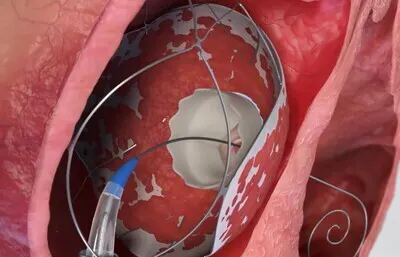 May 4, 2026—TruLeaf Medical, Ltd, announced the completion of its two-stage percutaneous transcatheter tricuspid valve replacement (TTVR) procedure in two additional high-risk patients with severe, refractory heart failure (HF) caused by tricuspid regurgitation (TR). Based in Or Akiva, Israel, TruLeaf Medical is a fully-owned subsidiary of Allmed Solutions.
These cases build upon the company’s landmark first-in-human procedures announced in September 2025 and in December, noted the company.
In the new cases, the first stage of the docking device implantation was performed 3 months ago. The second stage—the fully percutaneous implantation of the valve within the RoseDoc docking station—was performed recently at a leading medical center in India under a compassionate-use framework.
The company stated that the procedures, which were conducted in collaboration with a prominent international medical device partner, validate the clinical utility of the RoseDoc TTVR system for high-risk, “no-other-option” patients experiencing severe refractory HF because of severe TR. This approach is intended to expand options for patients who were previously considered untreatable.
According to TruLeaf Medical, the RoseDoc platform has demonstrated efficacy, safety, and long-term stability at up to 9-month follow-up in the initial four cases. The company stated that the data confirm the system’s ability to provide a secure and permanent landing zone for heart valves.
Advertisement
Advertisement
