Advertisement
Advertisement
November 27, 2024
Medtronic’s Evolut TAVR Device Assessed in Results From OPTIMIZE PRO and EVOLUT PRO Studies
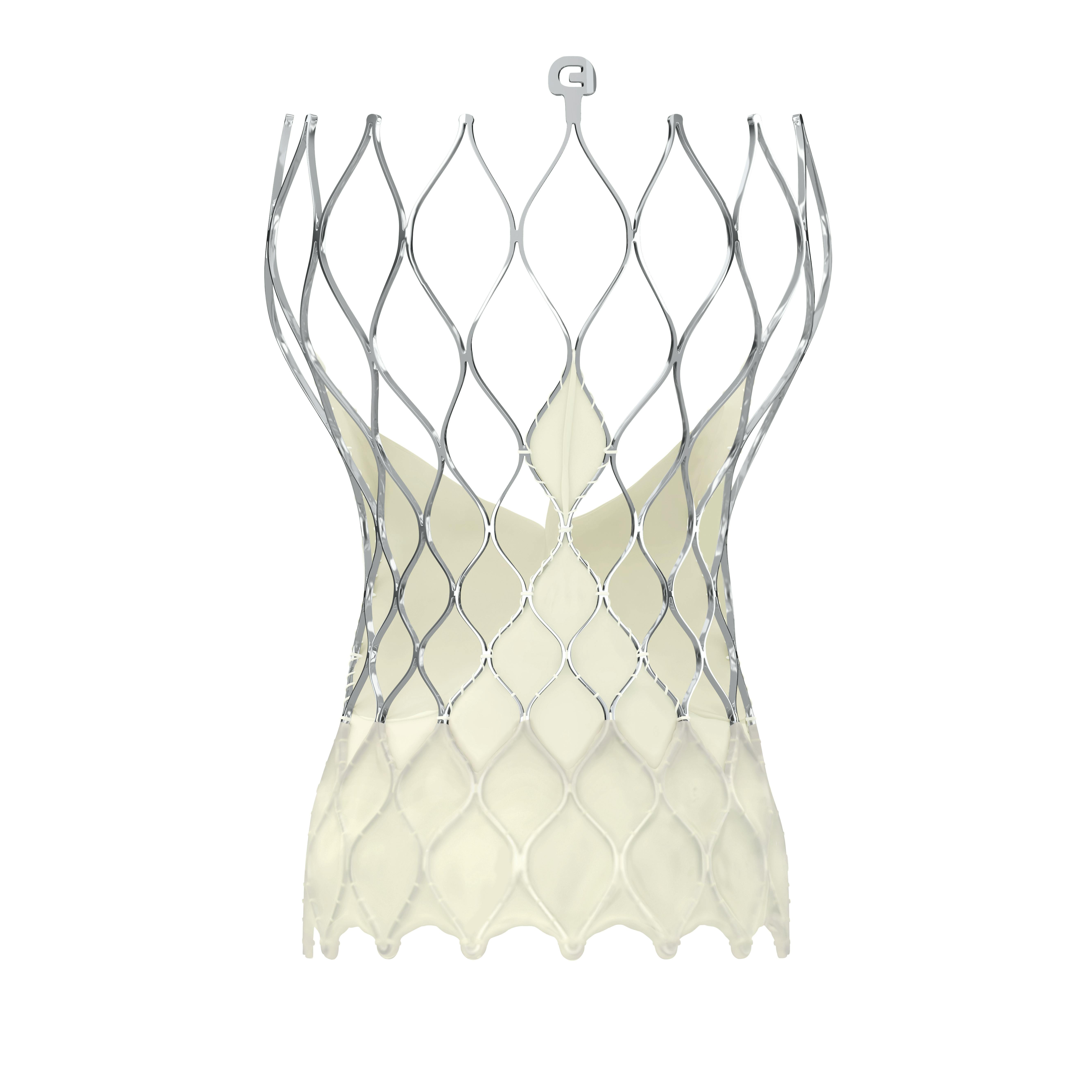 November 27, 2024—Medtronic announced new data for the Evolut transcatheter aortic valve replacement (TAVR) system in the treatment of patients with symptomatic severe aortic stenosis (AS).
The data include findings from the OPTIMIZE PRO clinical study that demonstrated favorable procedural and clinical outcomes after use of an optimized care pathway and the cusp overlap technique (COT) to deploy Evolut valves. Additionally, a pooled analysis of patients in the EVOLUT PRO showed improvement in rates of paravalvular leak (PVL) in TAVR patients over time after hospital discharge through 3 years.
The data were presented at the PCR London Valves 2024 meeting held November 24-26 in London, United Kingdom.
According to the company, OPTIMIZE PRO is a multicenter, postmarket, prospective study conducted in 50 centers globally. The full 30-day findings show utilization of the cusp overlap technique with the Evolut Pro and Pro+ devices led to favorable procedural and clinical outcomes. The study demonstrated low rates of new 30-day permanent pacemaker implantation (6.4% with cusp overlap technique compliance) and no moderate or severe aortic regurgitation at discharge.
OPTIMIZE PRO evaluated valve performance and procedural outcomes associated with an “optimized” pre- and postprocedural TAVR care pathway, utilizing the cusp overlap technique to deploy the Evolut valves. The cusp overlap technique is designed to help implanters assess and achieve the optimal implant depth to reduce interaction with the conduction system. At 30 days, the primary endpoint of all-cause mortality or all stroke was 5.1%, all-cause mortality 0.8%, disabling stroke 1.7%, and cardiovascular rehospitalization was 5.7%.
“We are encouraged by this data as it demonstrates significant positive outcomes when leveraging the cusp overlap technique with the Evolut valve,” commented the study’s Coprincipal Investigator Steven J. Yakubov, MD, in the company’s press release. “The new results support a standardized protocol that will help support early hospital discharge and lower rates of complications for our patients, improving their quality of life.” Dr. Yakubov is from OhioHealth Riverside Methodist Hospital in Columbus, Ohio.
Medtronic further reported that the paired analysis from EVOLUT PRO assessed improvement in PVL over time post-TAVR with the Evolut Pro valve in patients with symptomatic severe AS.
The study analyzed core lab echocardiographic data from 620 patients treated with Evolut Pro from the prospective EVOLUT Low-Risk trial, the FORWARD PRO study, and EVOLUT PRO United States study. The analysis demonstrated improvements in severity of PVL after 30 days post–hospital discharge to 3-year follow-up.
From the paired analysis of patients with available data at all follow-up visits, the PVL severity for 30 days post–hospital discharge was 60.8% non/trace, 36% mild, 2.9% moderate, and 0.3% severe. At 3-year follow-up, the PVL severity was 79.8% non/trace, 19.6% mild, 0.6% moderate, and 0.0% severe. The occurrence of worsened PVL from discharge/30 days to 3-year follow-up was uncommon, advised Medtronic.
“This analysis expands upon previous studies and found a majority of patients classified with mild or greater PVL improved in their PVL severity at 3 years,” stated Nicolas Van Mieghem, MD, in the company’s press release. “This study will help inform physicians on the treatment of this complication post-TAVR.” Dr. Van Mieghem, who is the study’s lead investigator, is with the Thoraxcenter, Erasmus University Medical Center in Rotterdam, the Netherlands.
Advertisement
Advertisement
