Advertisement
Advertisement
March/April 2026
Sponsored by Penumbra, Inc.
From ACS to PE: Transforming Patient Care Through Innovative Therapies
With Michele Morosato, MD; Sylwia Slawek-Szmyt, MD, PhD, FESC; and Mark Mariathas, BM, BSc (Hons), DM, MRCP
The treatment of thromboembolic diseases continues to evolve rapidly, with growing emphasis on interventions that are fast, safe, and capable of improving patient outcomes. Across coronary and pulmonary applications, Penumbra™ has advanced solutions designed to support clinical decision-making in time-critical settings.
In the coronary space, aspiration thrombectomy remains a valuable adjunct in acute coronary syndrome with high thrombus burden. Penumbra’s CAT™ RX supports a growing role for upfront aspiration by delivering high-efficiency mechanical thrombectomy through a low-profile, trackable system. Clinical experience from the CHEETAH study and real-world practice have shown that CAT RX can support improved flow restoration and procedural confidence without the limitations of manual aspiration, reinforcing the value of targeted, efficient clot extraction.1
That same philosophy guides Penumbra’s Complete PE Platform™, which is designed to support pulmonary embolism (PE) intervention from access to reperfusion. A foundational component is the Element™ sheath (Penumbra, Inc.), the first laser-cut hypotube sheath engineered for venous thromboembolism procedures. For PE procedures, the 65-cm Element can provide a stable approach, helping operators maintain control during navigation through the right heart and pulmonary arteries and contributing to a more efficient, predictable (and safe) workflow. This is particularly valuable in procedures where minimizing complexity and procedural time supports patient safety.
At the core of reperfusion is Lightning Flash™ 2.0 (Penumbra, Inc.), which integrates a dual clot-detection algorithm, real-time audiovisual feedback, and rapid clot ingestion through modulated vacuum engineered to enhance speed while reducing blood loss. Penumbra’s Computer Assisted Vacuum Thrombectomy (CAVT™) offers consistent, intelligent aspiration that simplifies and supports procedural safety. Lightning Flash 2.0 pairs with Select +™ (Penumbra, Inc.), which is engineered to navigate tortuous pulmonary vasculature and facilitate reliable catheter positioning.
Penumbra’s commitment to clinical evidence is reflected in the STORM-PE trial, a first-of-its-kind randomized controlled trial comparing mechanical thrombectomy with anticoagulation to anticoagulation alone in intermediate-high-risk PE. Penumbra’s CAVT system achieved significantly greater reduction in right ventricular/left ventricular (RV/LV) ratio at 48 hours, with more patients normalizing to ≤ 1.0 compared with anticoagulation alone.2 These improvements aligned with early clinical recovery (lower heart rate, reduced oxygen requirements) and meaningful gains in functional capacity at 90 days, all with a comparable safety profile.2 Lightning Flash is the only mechanical thrombectony device with level 1 evidence for acute PE, with meaningful improvements in functional outcomes driven by early reduction in right heart strain.
CAT RX, Element, and Lightning Flash 2.0 with Select + illustrate Penumbra’s comprehensive, patient-focused approach across both coronary and pulmonary thrombectomy, combining intelligent engineering with clinical evidence to support efficient reperfusion and improved long-term outcomes for patients with thrombotic disease.
1. Mathews SJ, Parikh SA, Wu W, et al. Sustained mechanical aspiration thrombectomy for high thrombus burden coronary vessel occlusion: the multicenter CHEETAH study. Circ Cardiovasc Interv. 2023;16:e012433. doi: 10.1161/CIRCINTERVENTIONS.122.012433
2. Lookstein RA, Konstantinides SV, Weinberg I, et al. Randomized controlled trial of mechanical thrombectomy with anticoagulation versus anticoagulation alone for acute intermediate-high risk pulmonary embolism: primary outcomes from the STORM-PE trial. Circulation. 2026;153:21-34. doi: 10.1161/CIRCULATIONAHA.125.077232
CASE 1: RESCUE REPERFUSION IN INTERMEDIATE-HIGH–RISK PE

CASE PRESENTATION
A female patient in her early 80s with a history of arterial hypertension, type 2 diabetes mellitus, and remote intracranial hemorrhage presented to the emergency department with worsening dyspnea and chest pain after a recent forearm fracture with prolonged immobilization. The patient was hemodynamically stable, with electrocardiography showing sinus tachycardia, incomplete right bundle branch block, and anterior T-wave inversions. Laboratory values revealed elevated high-sensitivity troponin I (129 ng/L), mild anemia (hemoglobin, 11.3 g/dL), and acute kidney injury (estimated glomerular filtration rate, 15 mL/min/1.73 m2). Given the high pretest probability of PE, unfractionated heparin was initiated.
CT pulmonary angiography (CTPA) demonstrated extensive bilateral PE involving the main, lobar, and segmental arteries, while echocardiography confirmed RV dilatation with an RV/LV ratio > 1 and pulmonary hypertension (Figure 1), leading to classification as intermediate-high–risk per the European Society of Cardiology guidelines and transfer to the intensive care unit.1
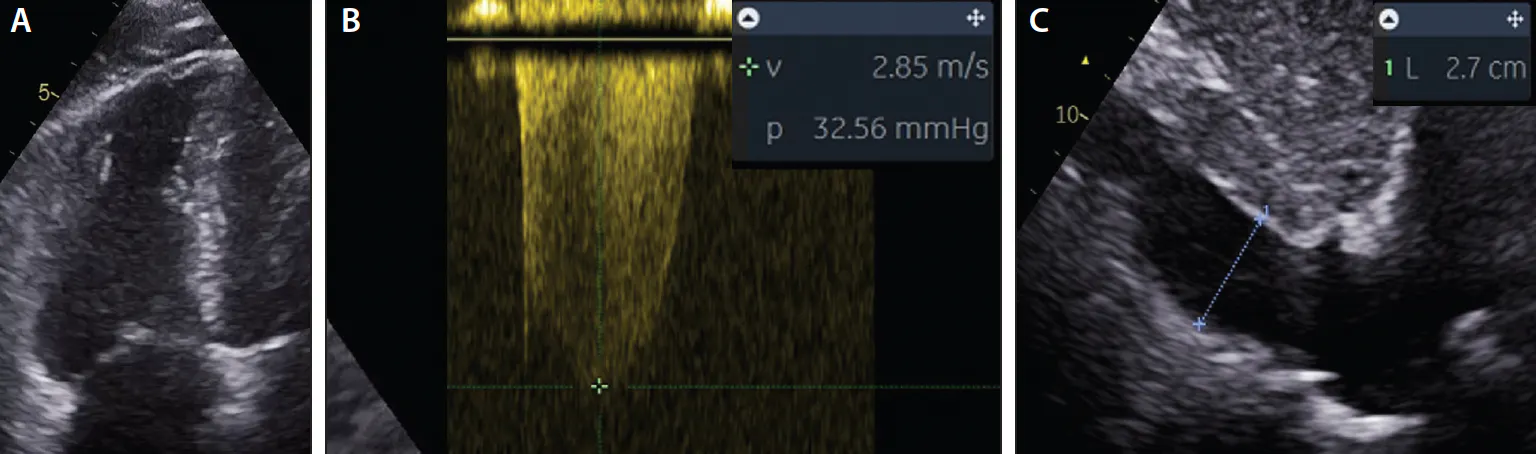
Figure 1. Transthoracic echocardiography at presentation. Apical four-chamber view demonstrating RV dilatation (RV end-diastolic diameter, 44 mm) with RV/LV ratio > 1 (A). Continuous-wave Doppler imaging confirming pulmonary hypertension with elevated peak systolic PAP (B). Subcostal view showing a dilated inferior vena cava with reduced respiratory variation (C).
Despite anticoagulation, the patient deteriorated over 12 hours with persistent hypotension refractory to high-dose vasopressors and refractory hypoxemia. Given an absolute contraindication to fibrinolysis due to prior intracranial hemorrhage and prohibitive surgical risk, the PE response team (PERT) recommended emergent percutaneous mechanical thrombectomy.
INTERVENTION
Under ultrasound guidance, right femoral venous access was obtained and a 17-F Element sheath was advanced into the main pulmonary artery over a guidewire. Bilateral angiography confirmed extensive thrombus in the main and lobar arteries (Figure 2), after which a 16-F Lightning Flash 2.0 catheter (Penumbra, Inc.) was introduced coaxially through the Element sheath. CAVT was then performed sequentially in both pulmonary arteries (Figure 3) in 35 minutes with an estimated blood loss of 280 mL. Postprocedural mean pulmonary artery pressure (mPAP) decreased from 32 mm Hg to 24 mm Hg, and final angiography confirmed restored bilateral flow to the previously occluded segmental branches (Figure 4).
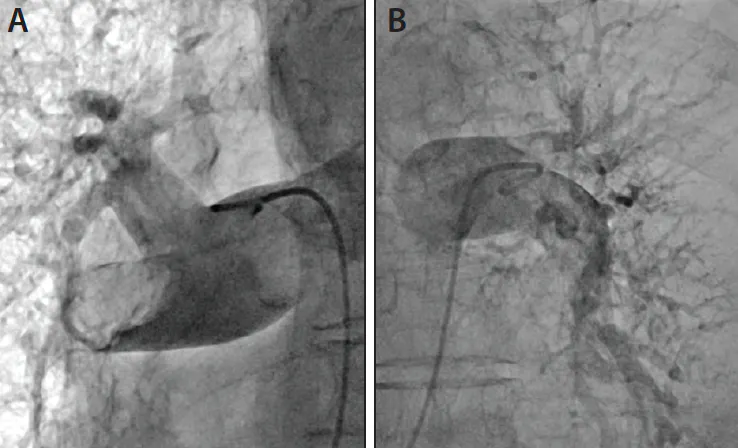
Figure 2. Pre-thrombectomy selective pulmonary angiography. Right pulmonary artery demonstrating extensive filling defects in the main and lobar branches (A). Left pulmonary artery with occlusive thrombus in the lower lobar artery and reduced distal perfusion (B).
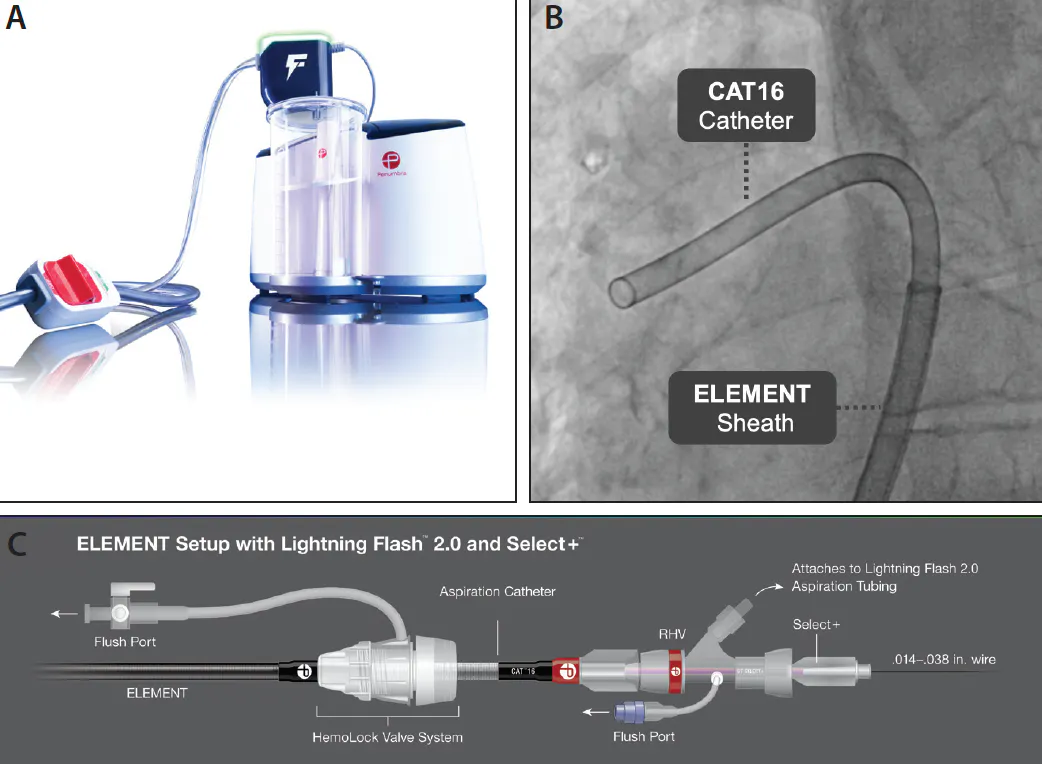
Figure 3. Lightning Flash 2.0 system (A). Intraprocedural fluoroscopy showing the CAT16 aspiration catheter positioned within the right pulmonary artery via the Element vascular access sheath (B). Schematic of the coaxial assembly: Element sheath providing large-bore venous access with the Lightning Flash 2.0 aspiration catheter (C).
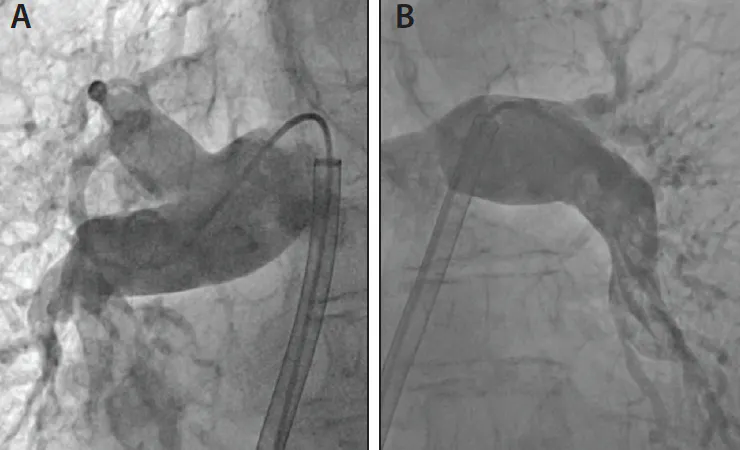
Figure 4. Post-thrombectomy selective pulmonary angiography. Right pulmonary artery demonstrating restored perfusion to segmental and subsegmental branches (A). Left pulmonary artery with resolution of the lower lobar occlusion and markedly improved distal flow (B).
Vasopressors were weaned within 12 hours, and the patient was transferred to the cardiology ward on day 2, where anticoagulation was transitioned to apixaban as renal function improved. Serial echocardiography demonstrated progressive RV reverse remodeling (RV end-diastolic diameter, 44 to 38 mm; tricuspid annular plane systolic excursion, 16 to 20 mm). The patient was discharged on day 8 and was asymptomatic on room air and therapeutic-dose apixaban.
DISCUSSION
This case illustrates CAVT as rescue reperfusion in intermediate-high–risk PE with hemodynamic deterioration despite anticoagulation and absolute contraindication to fibrinolysis, a clinical scenario in which catheter-directed mechanical thrombectomy is emerging as a promising reperfusion strategy.2
The Lightning Flash 2.0 employs a dual clot-detection algorithm that integrates pressure and flow sensing to modulate between sampling and continuous aspiration, thereby optimizing thrombus capture while minimizing blood loss—particularly relevant given this patient’s elevated hemorrhagic risk. The Element sheath, featuring a 17-F laser-cut hypotube with kink resistance and coaxial stability, provided essential catheter support through the right heart into the main pulmonary artery, enabling effective deployment of the CAT16 aspiration catheter against organized central thrombus. Element’s integrated HemoLock™ dual-valve system (Penumbra, Inc.) allowed concurrent contrast injection without sheath exchange.
The 25% mPAP reduction and RV reverse remodeling observed here are consistent with STORM-PE trial results, which demonstrated superiority of CAVT over anticoagulation alone for RV/LV ratio reduction (0.52 vs 0.24; P < .001), accompanied by earlier normalization of vital signs and a comparable safety profile.3 The convergence of randomized evidence and recent guideline recognition supports the expanding role of large-bore mechanical thrombectomy platforms in acute PE management.4
1. Konstantinides SV, Meyer G, Becattini C, et al. 2019 ESC Guidelines for the diagnosis and management of acute pulmonary embolism developed in collaboration with the European Respiratory Society (ERS). Eur Heart J. 2020;41:543-603. doi: 10.1093/eurheartj/ehz405
2. Costa F, Salinas P, Iannaccone M, et al. Catheter-based techniques for pulmonary embolism treatment. EuroIntervention. 2025;21:e450-e462. doi: 10.4244/EIJ-D-24-00535
3. Lookstein RA, Konstantinides SV, Weinberg I, et al. Randomized controlled trial of mechanical thrombectomy with anticoagulation versus anticoagulation alone for acute intermediate-high risk pulmonary embolism: primary outcomes from the STORM-PE trial. Circulation. 2026;153:21-34. doi: 10.1161/CIRCULATIONAHA.125.077232
4. Creager MA, Barnes GD, Giri J, et al. 2026 AHA/ACC/ACCP/ACEP/CHEST/SCAI/SHM/SIR/SVM/SVN guideline for the evaluation and management of acute pulmonary embolism in adults: a report of the American College of Cardiology/American Heart Association Joint Committee on clinical practice guidelines. J Am Coll Cardiol. 2026;87: 1626-1710. doi: 10.1016/j.jacc.2025.11.005
CASE 2: NORMOTENSIVE SHOCK IN PE

Sylwia Slawek-Szmyt, MD, PhD, FESC Associate Professor
Department of Cardiology
Poznan University of Medical Sciences
Poznan, Poland
CASE PRESENTATION
An obese male patient in his late 40s was admitted to the intensive cardiac care unit with an intermediate-high–risk PE involving a saddle thrombus and extensive bilateral thrombi in the main and lobar pulmonary arteries (Figure 1). He received a therapeutic dose of low-molecular-weight heparin. Three weeks earlier, he had a right knee injury treated orthopedically that required extended bed rest. The patient presented to the intensive cardiac care unit with a heart rate of 131 bpm (but was normotensive), with a blood pressure of 132/91 mm Hg and requiring 15 L/min of supplemental oxygen via a mask with a reservoir bag. Workup revealed an RV/LV diameter ratio of 2.45 on CTPA, an elevated troponin I level of 1,235 ng/L (reference, < 15 ng/L), an N-terminal pro-B-type natriuretic peptide of 936.3 pg/mL (reference, < 125 pg/mL), and lactate levels of 2.33 mmol/L (reference, < 2.0 mmol/L). The Composite Pulmonary Embolism Shock score was 6, and the echocardiographically estimated cardiac index (CI) was 1.9 L/min/m2, indicating the patient was in normotensive shock.
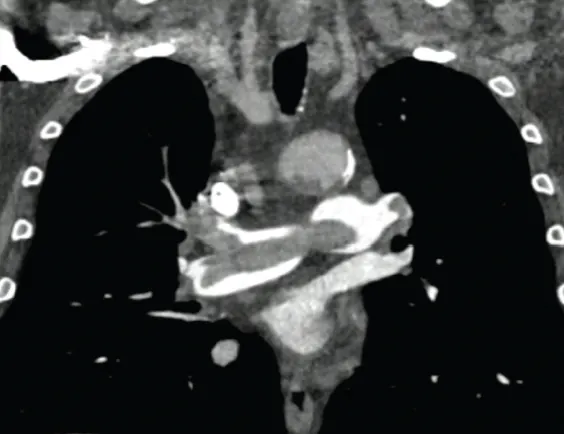
Figure 1. CTPA showing saddle thrombus.
TREATMENT OPTIONS
Due to ongoing RV failure, impending hemodynamic collapse, extensive clot burden, and contraindications to systemic thrombolysis, the local PERT qualified the patient for urgent transcatheter reperfusion with CAVT.
“ The Element sheath greatly improves access to the pulmonary artery. It is so flexible that I was able to bend it like a belt.”
INTERVENTION
Under local anesthesia with ultrasound guidance, the right common femoral vein was accessed and an initial short 6-F sheath was inserted. After angiographic confirmation of the central thrombi and measurement of pulmonary hemodynamics with a 5-F pigtail catheter, the sheath was upsized to a 17-F, 65-cm Element sheath and advanced into the main pulmonary artery over a stiff 0.035-inch wire (Figure 2). Subsequently, a 16-F, 115-cm Lightning Flash 2.0 HTORQ catheter navigated using a 6-F Select + catheter was introduced to the target site in the right pulmonary artery (Figure 3). Aspiration began with the catheter positioned at the edge of the proximal thrombus, with continuous movement and torque applied during aspiration using short, controlled passes in and out of the thrombus. The procedure was guided by the Lightning Flash 2.0 system’s audio and visual cues to distinguish between patent flow and clot engagement. After completing the right pulmonary artery, the left pulmonary artery was treated similarly. When the catheter tip became clogged, it was retracted and telescoped within the Element sheath, helping to remove the thrombus without removing the entire system. This sheath also provided stable support during the procedure.
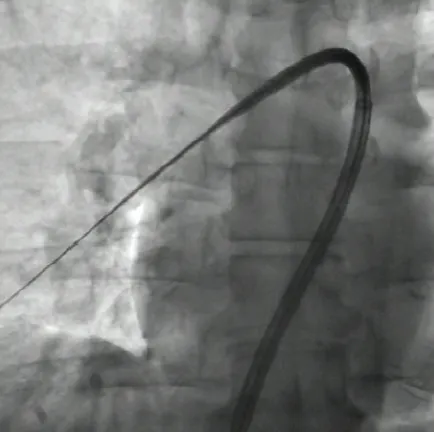
Figure 2. Advancing the 65-cm, 17-F Element sheath into the main pulmonary artery.
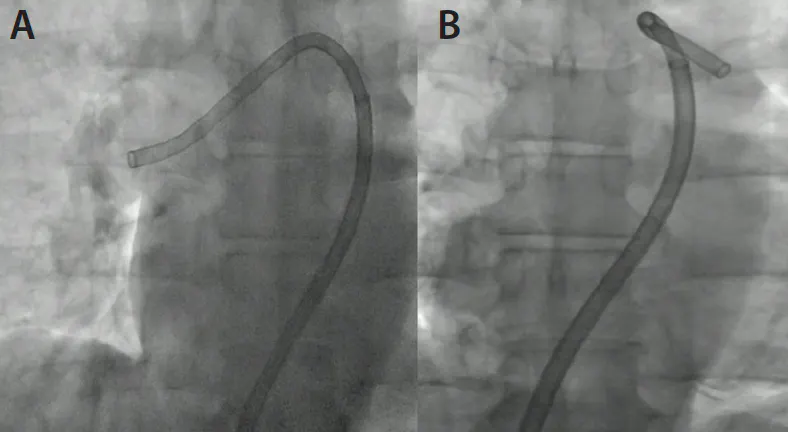
Figure 3. Catheter-directed aspiration vacuum thrombectomy in the right (A) and left (B) pulmonary arteries.
RESULTS
The procedure resulted in significant clot removal (Figure 4) and immediate clinical improvement, with a decrease in heart rate to 95 bpm, PAP pressures from 54/13/30 mm Hg to 32/6/15 mm Hg, and an increase in CI from a baseline of 2.0 L/min/m2 to 2.3 L/min/m2. The total procedure time was 40 minutes, with a device time of 20 minutes. The patient was discharged on the third day with complete symptom resolution.
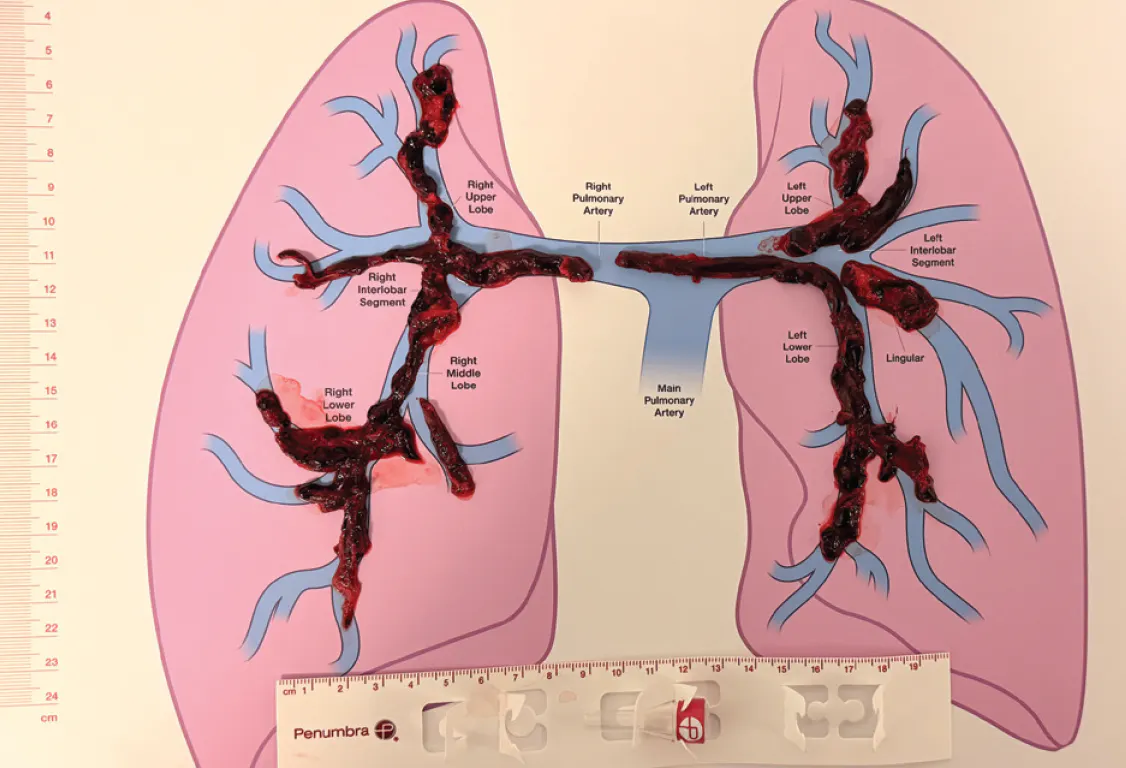
Figure 4. Removed clots shown on an anatomical image of pulmonary circulation.
DISCUSSION
CAVT enabled immediate, precise clot removal with controlled blood loss. This case shows that use of the Element sheath allows more thrombi to be removed, with less device engagement time.
CASE 3: HIGH THROMBUS BURDEN IN ACUTE CORONARY SYNDROME

Mark Mariathas, BM, BSc (Hons), DM, MRCP
Department of Cardiology
University Hospitals Bristol and Weston
Bristol, United Kingdom
CASE PRESENTATION
A female patient in her early 50s presented to the emergency department of a tertiary center in the United Kingdom after a 3-day history of stuttering central chest pain. She had a history of hypertension with a positive family history of coronary artery disease. A 12-lead electrocardiogram revealed transient inferior ST elevation. In addition, blood tests revealed a raised troponin of 1,478 ng/L (range, < 12 ng/L), indicating an acute myocardial infarction. She was started on dual antiplatelet therapy in the form of aspirin and ticagrelor.
The patient was subsequently taken to the cardiac catheterization lab for coronary angiography with the intention of proceeding with percutaneous coronary intervention (PCI) if indicated. Coronary angiography performed via the right radial approach using a 6-F sheath revealed the culprit lesion: an acute thrombotic lesion in the right coronary artery (RCA) (Figure 1); severe bystander disease in the circumflex artery was also noted. Both the left main stem and left anterior descending artery were unobstructed.
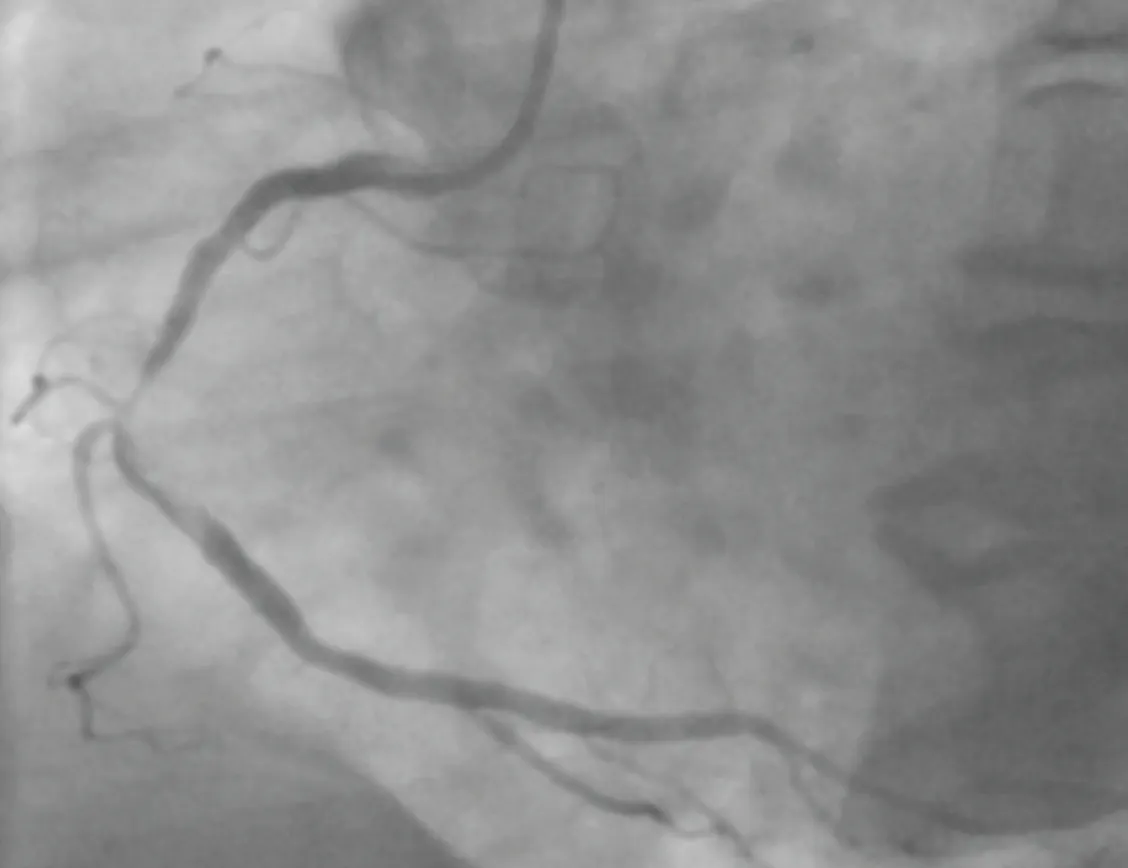
Figure 1. Coronary angiography of the RCA in the left anterior oblique projection.
INTERVENTION
The decision was made to undertake PCI to the RCA. Using a 6-F Judkins Right 4 guide catheter, an Asahi Sion® Blue (Asahi Intecc) guidewire was passed to the distal vessel. Given the acute presentation of this patient with significant thrombus burden within the RCA, a decision was made to use the CAT RX aspiration catheter. The rationale was to aspirate as much thrombus as possible to reduce the significant risk of procedural distal embolization and microvascular obstruction. The CAT RX aspiration catheter was prepared per the manufacturer’s instructions and connected to the Penumbra ENGINE®. The catheter was then passed via a monorail system onto the Sion Blue 0.014-inch guidewire to the RCA. The catheter was then passed to the site of the acute thrombotic lesion and passed slowly through the lesion while on constant aspiration. The catheter was then removed on constant aspiration. Figure 2 shows the thrombus that was aspirated from the RCA, and Figure 3 shows the RCA post aspiration. After the operator was satisfied with frontline aspiration, the RCA was predilated with a 3- X 15-mm NC Trek™ balloon (Abbott). Subsequently, a 3.5- X 33-mm Xience™ Pro S (Abbott Vascular) drug-eluting stent was implanted (Figure 4). The patient will return for treatment of her bystander circumflex disease.
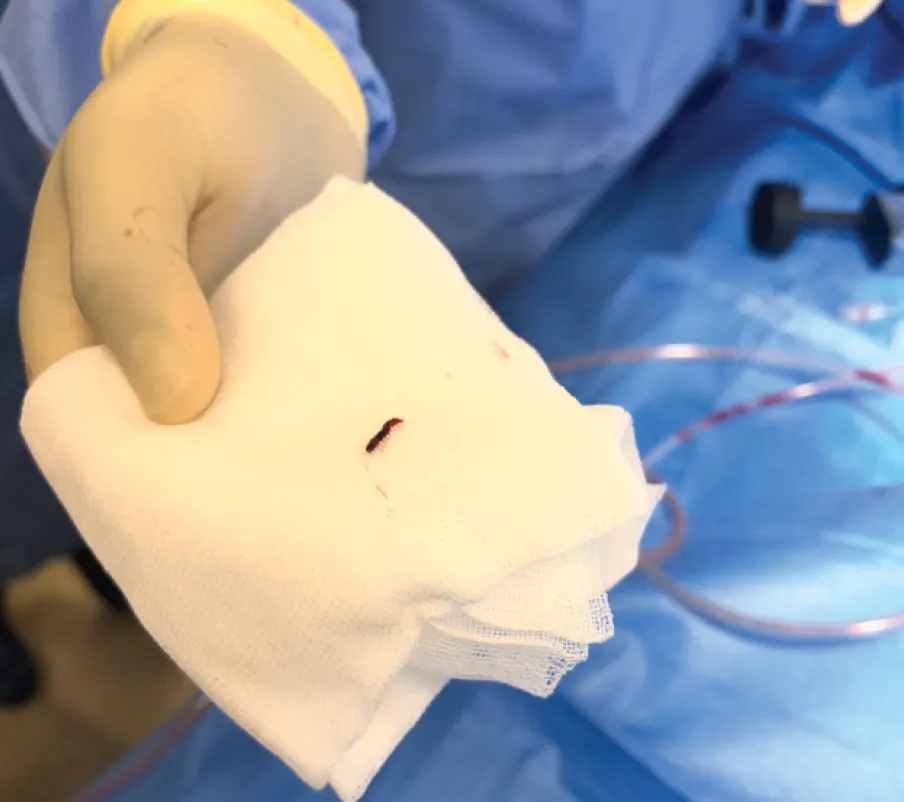
Figure 2. Thrombus aspirated from the RCA using the CAT RX aspiration catheter.
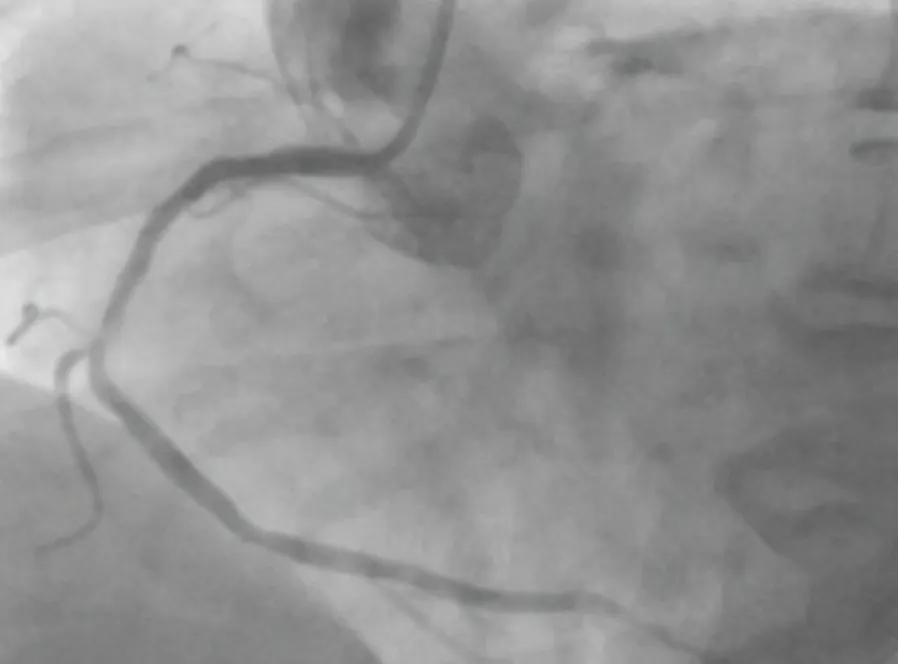
Figure 3. The RCA after aspiration with the CAT RX aspiration catheter.
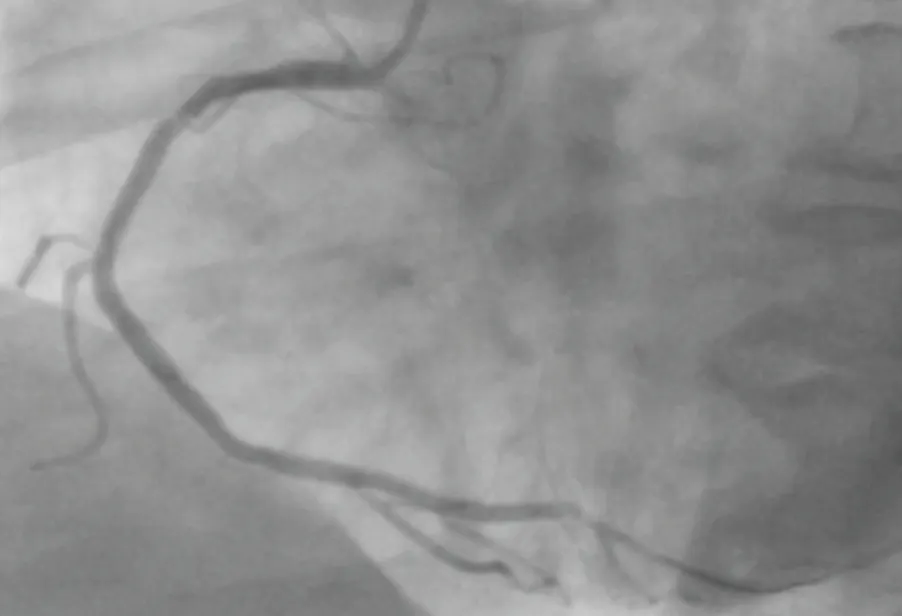
Figure 4. The RCA after implantation of a 3.5- X 33-mm Xience Pro S drug-eluting stent.
DISCUSSION
Use of the CAT RX aspiration catheter in this case was successful and without complication. This method minimized the risk of both distal embolization and microvascular obstruction. The catheter facilitated a successful PCI in this patient and minimized procedure-related complications. Use of the CAT RX aspiration catheter is well suited for acute cases with significant thrombus burden, as shown in this case.
Disclosures: Dr. Michele Morosato, Dr. Sylwia Slawek-Szmyt, and Dr. Mark Mariathas were compensated in association with this article.
Disclaimer: The opinions and clinical experiences presented herein are for informational purposes only. The results may not be predictive of all patients. Individual results may vary depending on a variety of patient-specific attributes.
Advertisement
Advertisement