Advertisement
Advertisement
March/April 2026
An Interview With Nadia Sutton, MD
Dr. Sutton discusses her varied clinical and research interests in coronary function disorders, radiation safety, and vascular aging.

At Vanderbilt, you have two Assistant Professor appointments—in the areas of interventional cardiology (IC) and biomedical engineering. How do these two realms intersect, and why might an interventional cardiologist benefit from a biomedical engineering background?
I am appointed in two departments, internal medicine (Vanderbilt University Medical Center) and biomedical engineering (Vanderbilt University), because of my interest in stem cell biology, which involves cellular reprogramming/engineering. Being appointed in more than one department provides greater exposure to experts in clinical cardiology, mechanical and chemical engineering, and nanoscience and technology. Nobody can be an expert in everything, so to make progress on difficult scientific questions, it’s critical to have cross-disciplinary collaboration.
Your work uniquely blends IC with life as a physician-scientist, particularly through your leadership of the Sutton Lab. How has running your own lab shaped the way you think about leadership and mentorship?
Running a lab is as much about scientific direction and oversight as it is about running a small business that must break even. This is a real challenge in the present research-funding climate and requires hospital and academic leadership to invest in the future of physician- and scientist-driven research. I do not think all research should be industry driven, but industry has also made a huge impact on how we practice medicine and the new tools at our disposal, which in turn help patients. Running my own lab has also shown me the importance of leadership in guiding strategic direction. I have observed and learned that one must not only lead with words but also with action, as one’s actions speak louder than words.
With the Sutton Lab, you study vascular aging to improve the lives of older patients with cardiovascular diseases. How would you characterize the lab’s primary goals today?
The science in my lab is presently supported by the National Institute on Aging (NIA), and I am incredibly appreciative of this support. The goal of the science is to better understand endothelial aging by creating an in vitro model, using cells obtained from patients of varying ages that have been reprogrammed to a stem cell state and then differentiated to endothelial cells. The technology is really fascinating but is still quite time consuming and requires meticulous attention to detail. Fortunately, my lab team, which includes Dr. Dongli Yang, Mr. Jun Chen, and Ms. Leena George, is exceptionally dedicated to the project, and without them this work would not be possible.
And, how do you envision this work translating into meaningful changes in patient care over the next decade—within IC and beyond?
The hope is that this work identifies biological mechanisms of aging that could be targeted in the future to reduce the risk of cardiovascular diseases. The disease we are primarily focused on better understanding is vascular dementia, since this disease state presently has no specific treatments and is a major cause of morbidity and mortality in older individuals.
What might this work suggest about the evolving role of interventional cardiologists in aging-related disease beyond the heart?
My research training was in vascular biology, and my primary mentor at the University of Michigan, Dr. David Pinsky, would often say, “The blood vessels go everywhere.” Although there are specific characteristics of endothelial cells in varying parts of the body, much of the biology of blood vessels of the heart is translatable to the brain.
Sometimes people forget that interventional cardiologists are not just “interventionalists” or “proceduralists”; rather, they are highly accomplished cardiologist physicians who also have the technical skills to perform minimally invasive procedures. It is therefore not a stretch to say that interventional cardiologists are already evaluating older patients’ overall health, mental, and fitness status. Often, this is done as part of the art of medicine, but there is increasing interest, especially as the overall population ages, in cardiovascular prevention methods to specifically prolong the years of good cognitive status. We hope that our research identifies biological targets to assist in promoting healthy vascular aging.
Your research also deals with coronary microvascular dysfunction (CMD), including a 2025 Society for Cardiovascular Angiography and Interventions (SCAI) piece on CMD diagnosis and management.1 What strategies or tools are most promising for identifying CMD earlier and more accurately?
I think it starts with recognition of patient symptoms. Often, patients with coronary function disorders, which includes CMD, undergo an evaluation for obstructive coronary artery disease. Once obstructive disease is ruled out, patients are told that their heart is fine, when in fact up to 30% of 50% of those patients with ischemia, symptoms, and no obstructive disease have underlying CMD. The technology to diagnose CMD invasively is increasingly available. At Vanderbilt University Medical Center, we offer coronary function testing (CFT), which includes vasospasm testing and microvascular dysfunction testing. We can diagnose CMD in the cath lab using a bolus thermodilution method using a wire-based approach. I would encourage readers to check out a physician-driven website, microvascularnetwork.com, which has a lot of resources for individuals wanting to start CFT programs at their institutions. When we know a patient has a coronary function disorder, we can target treatment and improve their symptoms and quality of life.
One initiative during your time as Chair of the SCAI Women in Innovations Committee was a radiation safety campaign aimed at dispelling myths and promoting best practices. What do you see as the next steps for advancing radiation safety efforts?
Foremost, I would like to see the manufacturers of radiation devices engineer more protection for users into their devices, so the literal and figurative burden is not on cath lab workers to protect themselves. There are serious direct (cancer) and indirect (orthopedic) effects of radiation exposure on all cath lab workers (physicians, trainees, technicians, nurses, echocardiographers, anesthesiologists) who wear lead for lengthy periods of time.
Another step is getting to the point where wearing lead isn’t needed anymore. We are getting there with some of the newer enhanced radiation protection devices. Based on what I have learned during the process of developing this content for SCAI and an expert consensus statement on enhanced radiation protection I cochaired with Dr. David Rizik, which is expected to be published sometime this year, using real-time monitoring is extremely helpful for understanding one’s radiation exposure when performing procedures with enhanced radiation safety devices without lead. Approximately 70% to 80% of interventional cardiologists report back and neck orthopedic problems attributed to wearing lead, some of whom have experienced debilitating and very serious neurologic symptoms requiring neurosurgery. This is a real and serious occupational problem for our field.
Last year you published a review on approaches to coronary calcium during percutaneous coronary intervention (PCI)2—what key patient factors and lesion characteristics drive your decision-making regarding choice of lesion preparation strategy and treatment?
I see this as a two-step process, where we first decide on the risk-benefit ratio for a patient to undergo a PCI. The need for calcium modification and type of device should be preconsidered and factored into the risk-benefit ratio. The procedural plan should be discussed with the patient. Second, more decisions are made after obtaining intravascular imaging information to determine the length, thickness, and circumferential degrees of calcium in the blood vessel. Intravascular imaging with intravascular ultrasound or optical coherence tomography is critical to procedural planning, although sometimes the anatomy may preclude their use at the beginning of the procedure.
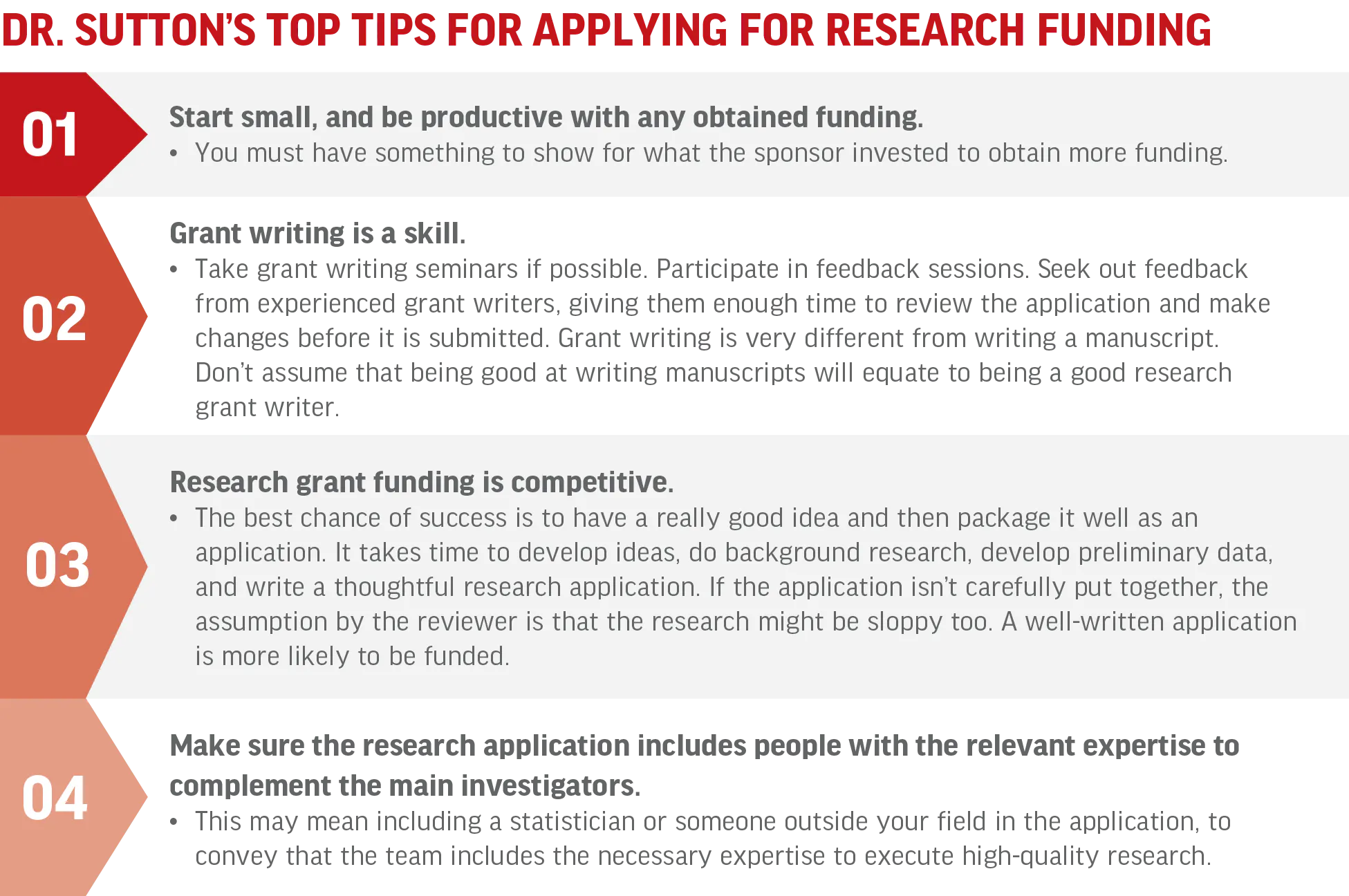
What’s one small routine or habit that helps you reset during a busy week?
I have many hobbies and joys in life! I love to run, spend time with my family, and cook. I am involved with my church and community, read books, and listen to podcasts—mostly about finance, real estate, or religion. When possible, I try to work on my music (piano) and language skills. I rarely have a down moment in my day since there are so many interesting things in life to take in and enjoy!
1. Paul TK, Kerrigan J, Sutton NR. Coronary microvascular disease: diagnosis and management. Society for Cardiovascular Angiography & Interventions. November 20, 2025. Accessed February 24, 2026. https://www.scai.org/quality-improvement-tools/qi-tips/coronary-microvascular-disease-diagnosis-and-management
2. Sammour, YM, Mohamed KA, El-Sabawi B. et al. Approach to coronary calcium and procedural techniques during percutaneous coronary intervention. Curr Treat Options Cardio Med. Published online March 11, 2025. doi: 10.1007/s11936-025-01083-5
Advertisement
Advertisement
Interested in reading more interviews?
To read more interviews with thought leaders in the interventional cardiology field, check out our Profiles & Perspectives hub.
Read More