Advertisement
Advertisement
2025 Digital Exclusive No. 1
The Multidisciplinary Cardio-Obstetrics Team
Insights into a dedicated cardio-obstetrics program, including who is involved, the role of interventional cardiology, the decision-making process, training needs, and more.

How would you define “cardio-obstetrics” and the necessity for a dedicated cardio-obstetrics program?
Cardio-obstetrics is the care of birthing-capable people who have or are at risk for cardiac conditions. As a cardio-obstetrics specialist, I care for people preconception, during pregnancy, and postpartum. A dedicated cardio-obstetrics program is important because it brings together the essential multidisciplinary team. Most cardio-obstetrics programs have regular meetings (typically monthly) to discuss the highest-risk patients and management during pregnancy as well as delivery planning.
Who makes up a comprehensive cardio-obstetrics team, and what role does each play? How often are you working with interventional cardiology?
A cardio-obstetrics team includes cardiologists (cardio-ob specialists, adult congenital heart disease specialists, heart failure specialists, interventional cardiologists, and electrophysiologists), maternal-fetal medicine specialists and obstetricians, anesthesiologists, critical care physicians, cardiothoracic surgeons, nurses, pharmacists, and social workers (Figure 1).
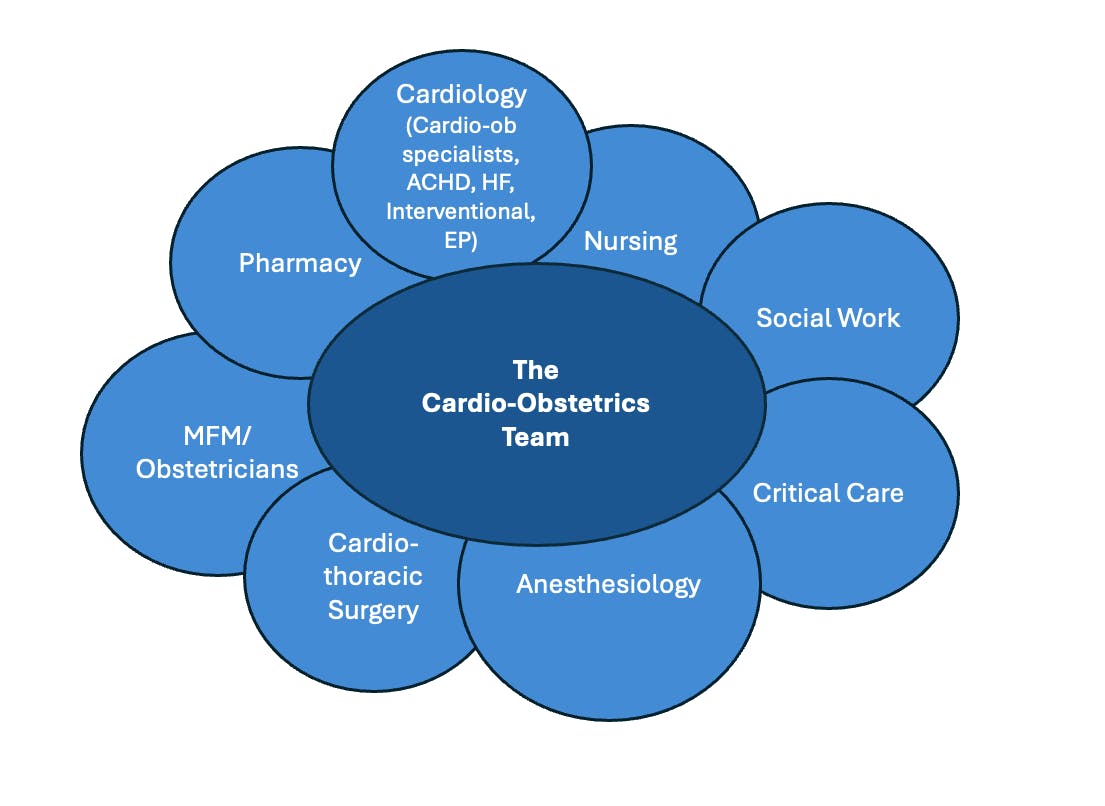
Figure 1. Key members of a cardio-obstetrics multidisciplinary team.
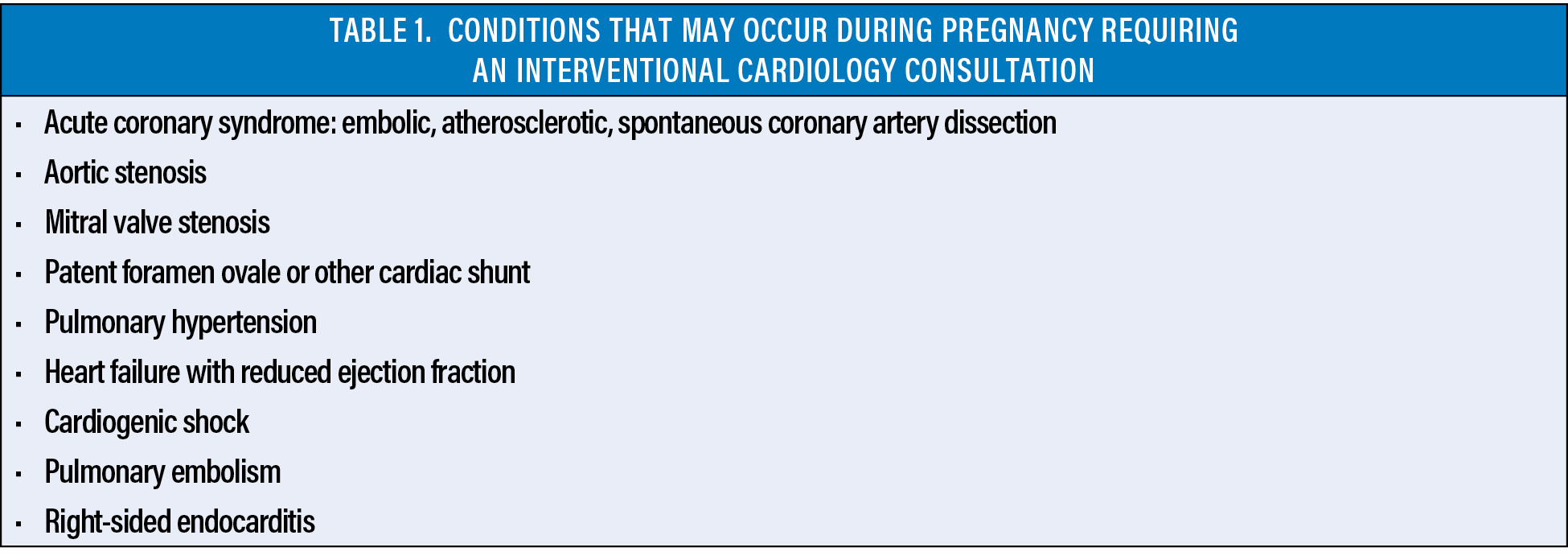
We work with our interventional cardiologists for some of our higher-risk pregnant patients, specifically those with severe valvular disease needing intervention or those with acute coronary syndrome/myocardial infarction needing left heart catheterization with or without percutaneous coronary intervention. We also rely on our interventionalists for diagnostic right heart catheterization in patients with pulmonary hypertension or heart failure with reduced ejection fraction or suspicion for cardiogenic shock. As interventions for pulmonary embolism and right-sided endocarditis have evolved, we also consult with interventional cardiology for potential thrombectomy.
How is communication optimized among the team throughout the process?
Open and frequent communication is essential for the cardio-obstetrics team. We formalize this process with once-monthly meetings discussing high-risk patients. However, many conversations happen offline. For the cardio-obstetrics specialists, we have our maternal-fetal medicine colleagues’ cell phone numbers and call them frequently to discuss patient management.
The conditions a cardio-obstetrics team manages can be wide-ranging. What are the most common patient presentations requiring an interventional consultation or procedure specifically?
Although not an exhaustive list, Table 1 lists some conditions that we see during pregnancy where we require consultation with interventional cardiology:
When surveying treatment options for pregnant cardiac patients (medical therapy, surgical intervention, catheter-based intervention), what factors influence your decision?
The two major contributing factors are the severity of disease and how far along they are in the pregnancy. If we can avoid doing an intervention and manage the patient medically, that is preferred. There is also a balance because it is generally safer and simpler to perform interventions before the fetus is viable, targeting earlier than approximately 22 weeks of gestation. Thus, if we can identify severe, symptomatic disease early, then we will try to intervene earlier. We try to anticipate who may not do well later in the pregnancy based on how symptomatic they are in the first/second trimesters. The biggest hemodynamic changes happen in the second trimester, so if we see symptoms develop in pregnancy, it is often during that time.
When cardiac intervention is required, what are the main considerations when planning the procedure, for both the pregnant patient and the fetus?
One of the main goals should be maintaining maternal hemodynamic stability. Achieving adequate maternal blood pressure and oxygenation will result in stable circulation for the fetus. A good general principle is that what is good for mom is good for the fetus. The other consideration is radiation, and minimizing radiation to the fetus is important and easily achievable.
Who on the care team is the point of contact for follow-up, and what does that protocol look like?
Because there are often only a few cardio-obstetrics specialists at each institution, we become the point of contact for our maternal-fetal medicine colleagues and often are the go-between for interventionalists and maternal-fetal medicine. Sometimes an institution may not have a cardio-obstetrics specialist, in which case there may be direct communication from interventionalists with maternal-fetal medicine or there may be someone who fills the role of the cardio-obstetrics specialist, like an adult congenital heart disease specialist. Communication can be done informally or formally via consultation.
What’s needed in terms of training and education? Where are the gaps in care and knowledge?
Historically, there have not been formalized guidelines for training in cardio-obstetrics, and thus there have been large gaps in knowledge even for more recent fellow graduates. However, a recently published paper outlined guidelines for training in this space.1 Sessions at national meetings, webinars, and dedicated cardio-obstetrics seminars can provide fundamental knowledge in this space.
For all cardiologists, there should be a working knowledge of how to treat the most common conditions in pregnancy and the medications that are safe to use in pregnancy and during lactation. A general principle is that what is good for mom is good for fetus, and life-saving, indicated care should never be delayed for pregnant patients.
What is your advice for trainees who are interested in subspecializing in cardio-obstetrics?
Find someone with experience who you can train under, like an apprenticeship. Because many of the highest-risk conditions in pregnancy are rare, it is ideal to have a longitudinal, experiential type of training opportunity. Also, network with other cardio-ob specialists; any of us are happy to answer questions.
1. Davis MB, Bello NA, Berlacher K, et al. Cardiovascular fellowship training in cardio-obstetrics: JACC review topic of the week. J Am Coll Cardiol. 2023;82:1792-1803. doi: 10.1016/j.jacc.2023.08.049
Advertisement
Advertisement

Latest Digital Exclusives