Advertisement
Advertisement
September/October 2024
What the Future Holds for Interventional Cardiology: Ownership Models, Compensation, Production, and Beyond
Results of an annual MedAxiom survey rank interventional cardiology among the highest-earning and highest-producing subspecialties, show potential for private equity, and reveal a need to prevent physician burnout.
The 12th annual MedAxiom Cardiovascular Provider Compensation and Production Survey Report highlights the ongoing changes in cardiovascular care. Since the pandemic, the provider landscape has undergone significant transformations, marked by shifts in practice ownership models, evolving trends in provider compensation and production, data on the involvement of private equity in private cardiovascular practices, and impact of interventional procedures on production and compensation.
SHIFTS IN OWNERSHIP MODELS & COMPENSATION
Notably, shifts in ownership models correlated with shifting compensation for interventional cardiology. For the first time in the 12-year history of MedAxiom’s survey, the percentage of cardiology groups employed or leased by hospitals/health systems declined by 1% after holding steady at 89% for 2 years. It is too early to consider this the start of a trend, but it will be interesting to watch this over time as the influence of private equity in cardiology continues to grow.
In private group practices, interventional physicians make up a larger portion of the total providers compared to integrated practices in 2023. Nearly 50% of physicians in private groups were interventional specialists, while this figure was < 30% in integrated practices (Figure 1). Additionally, generalists make up > 40% of integrated practices compared to < 30% of private groups.
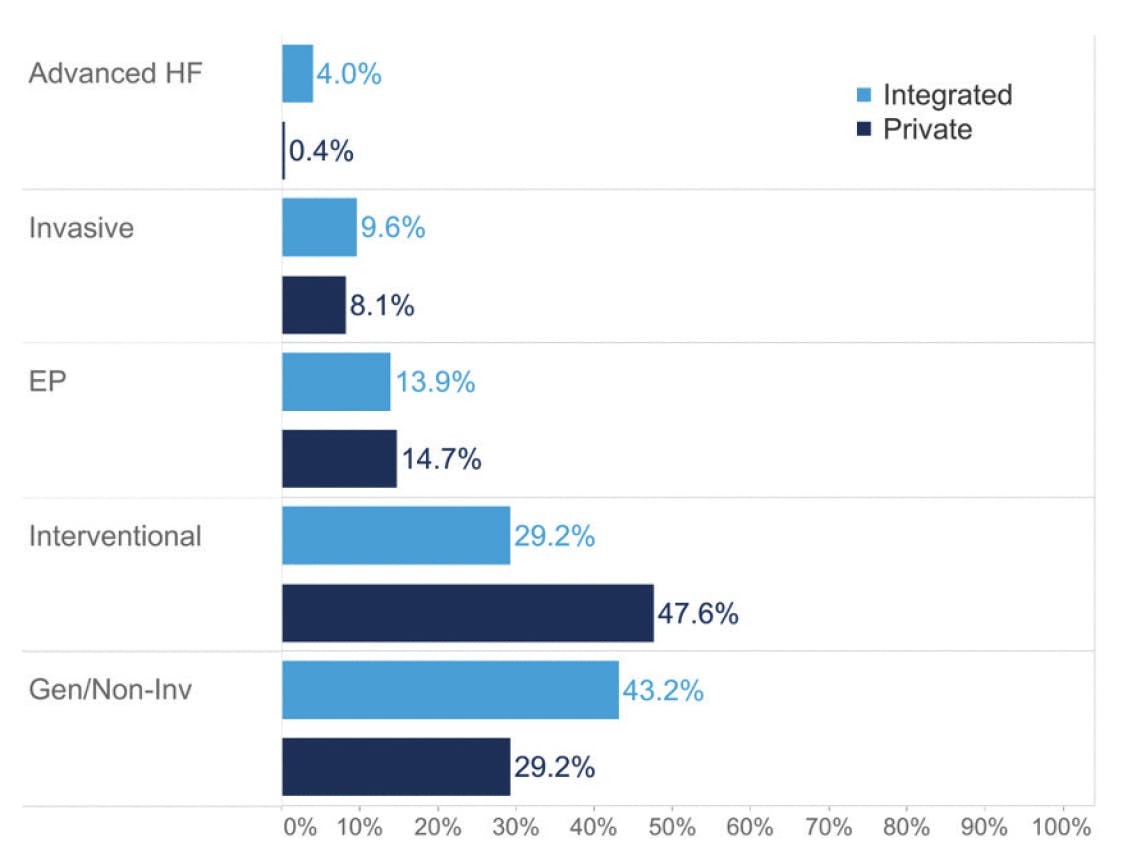
Figure 1. 2023 cardiology subspecialty mix by ownership model. EP, electrophysiology.
At the same time, interventional cardiology was among the highest-paid subspecialties in both private and integrated ownership groups. Interventional cardiology exceeded $700,000 in total compensation per full-time (FT) physician in integrated practices, as did the electrophysiology and invasive subspecialties (Figure 2). These top three subspecialties were closely grouped in median total compensation, with < 5% difference between them, regardless of ownership model (Figure 3).
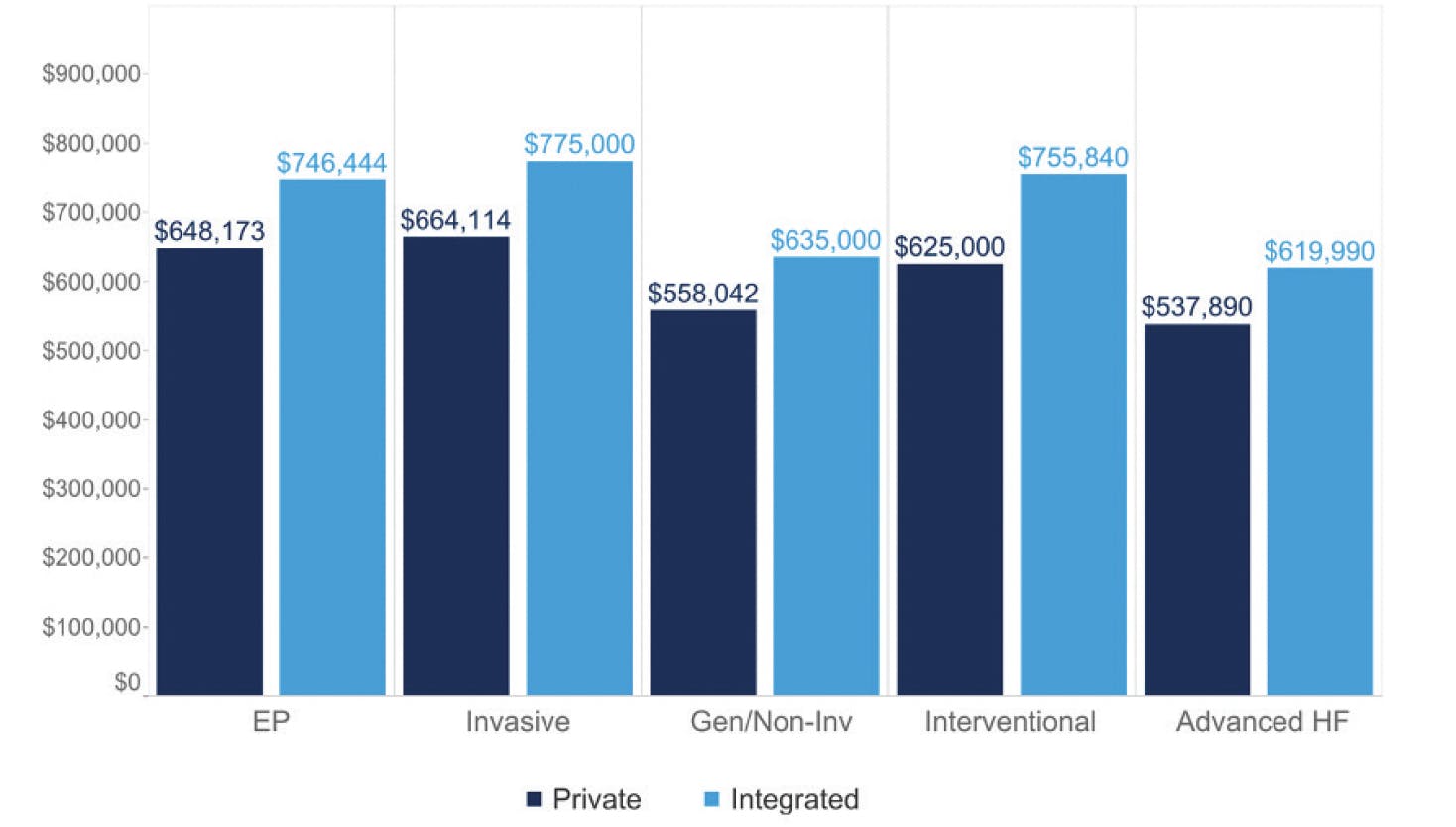
Figure 2. Median 2023 total compensation per FT cardiologist by subspecialty and ownership.
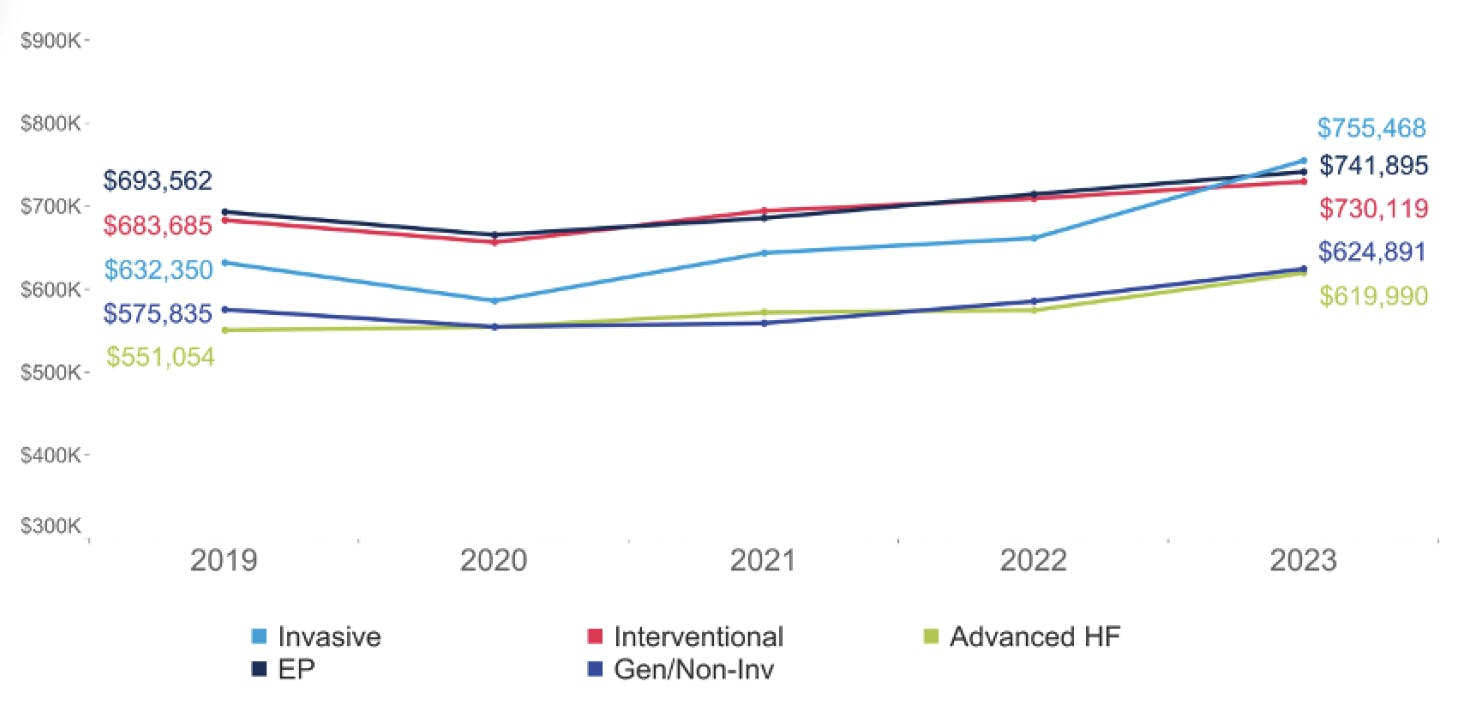
Figure 3. Median total compensation trends per FT cardiologist by subspecialty.
Across all subspecialties, integrated physicians earned more per work relative value unit (wRVU) than their private analogs. The delta was the narrowest for invasive physicians, for whom the median total compensation per wRVU was $10.41 (16%) lower for private than integrated. The widest gaps, with nearly identical differences, were for both electrophysiology and interventional ($23.38 and $23.37 per wRVU, respectively).
THE GROWING INFLUENCE OF PRIVATE EQUITY IN THE PRIVATE OWNERSHIP MODEL
Last year’s report reflected the start of the growing influence of private equity in private practice cardiology groups. According to the 2023 data, nearly 50% of all private cardiology groups are also part of a private equity portfolio. Just a few years ago, this number was zero. While so far this influence has been seen only in the data for private groups, only time will tell whether private equity will make inroads into the currently hospital-employed/leased physician cohort, which is a much larger market opportunity than the private group subset.
A brief report published in Journal of the American College of Cardiology stated, “Private equity acquisitions of outpatient cardiology clinic sites increased sharply over the past decade, with the majority occurring from 2021 to 2023, and were concentrated in wealthier communities and in the South and West. Nearly one-fourth of these clinics were acquired more than once.”1 With the high demand of an aging patient population in cardiology and the approval of many high-priced interventional procedures approved for outpatient clinics, experts are predicting that cardiology will become increasingly enticing to private equity firms.2
INCREASING PRODUCTION LEVELS ACROSS SUBSPECIALTIES
All subspecialties reported higher median wRVU production in 2023 compared to 2022 (Figure 4). Invasive physicians saw the biggest jump both in terms of raw wRVU production (1,605) and percentage change (15.5%) for median wRVU production per FT cardiologist. Although invasive physicians claimed the top-earning position, they placed third behind both electrophysiology and interventional physicians for median wRVU production per FT physician in 2023.
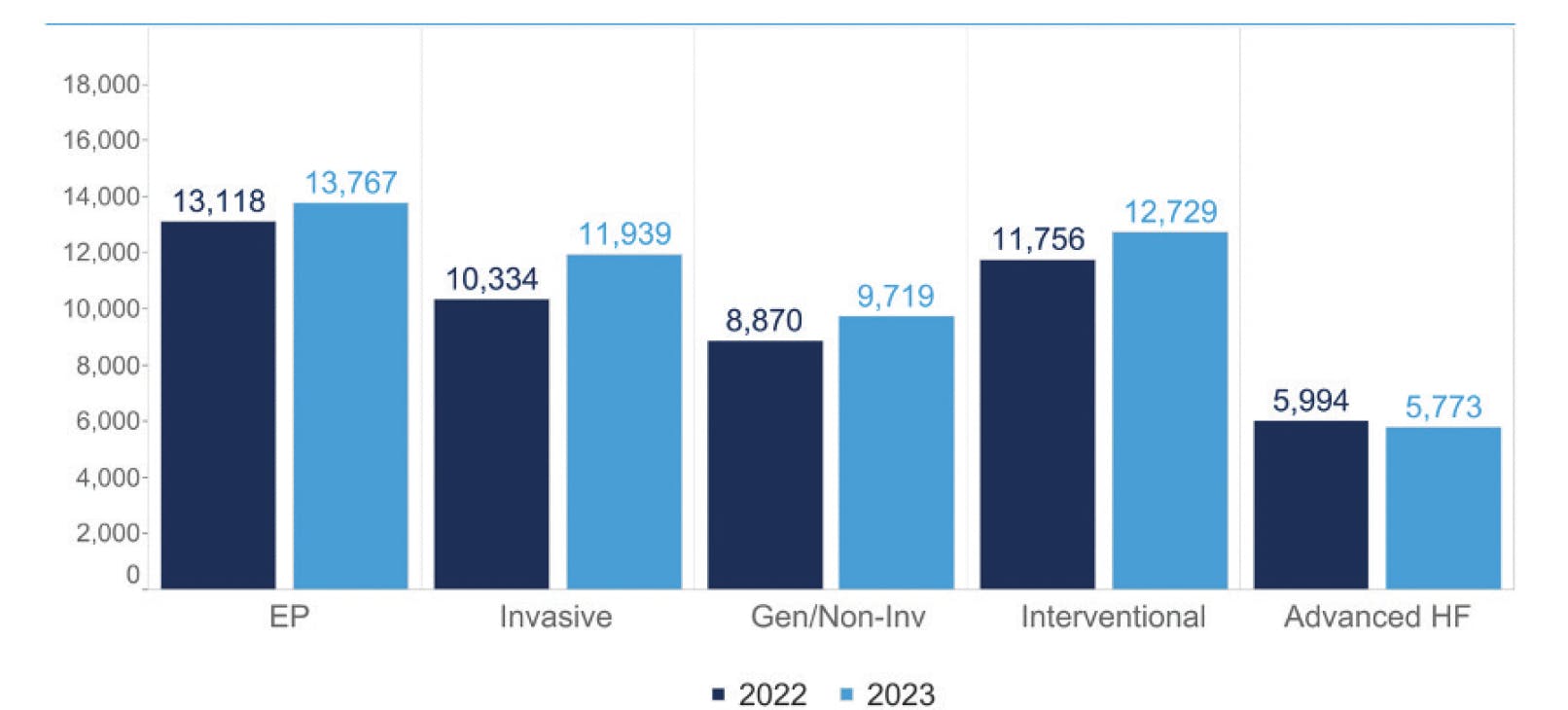
Figure 4. Median wRVUs per FT cardiologist.
As previously mentioned, interventional cardiologists not only achieved top earnings but also excelled in wRVU productivity. This is not surprising given the wRVUs associated with interventional procedures and approvals of these procedures for ambulatory surgery centers.
PROCEDURAL VOLUME DIFFERENCES BETWEEN SUBSPECIALTIES
At the median, interventional cardiologists perform > 2.5 times the number of catheterizations as their invasive peers (Figure 5). Median percutaneous coronary intervention (PCI) volumes per interventional cardiologist held steady for the fifth year in a row at just over 100 procedures per year. This figure starkly illustrates the significant difference between high- and low-volume operators for this procedure, with the top decile performing more than three times the annual volume of the bottom quartile.
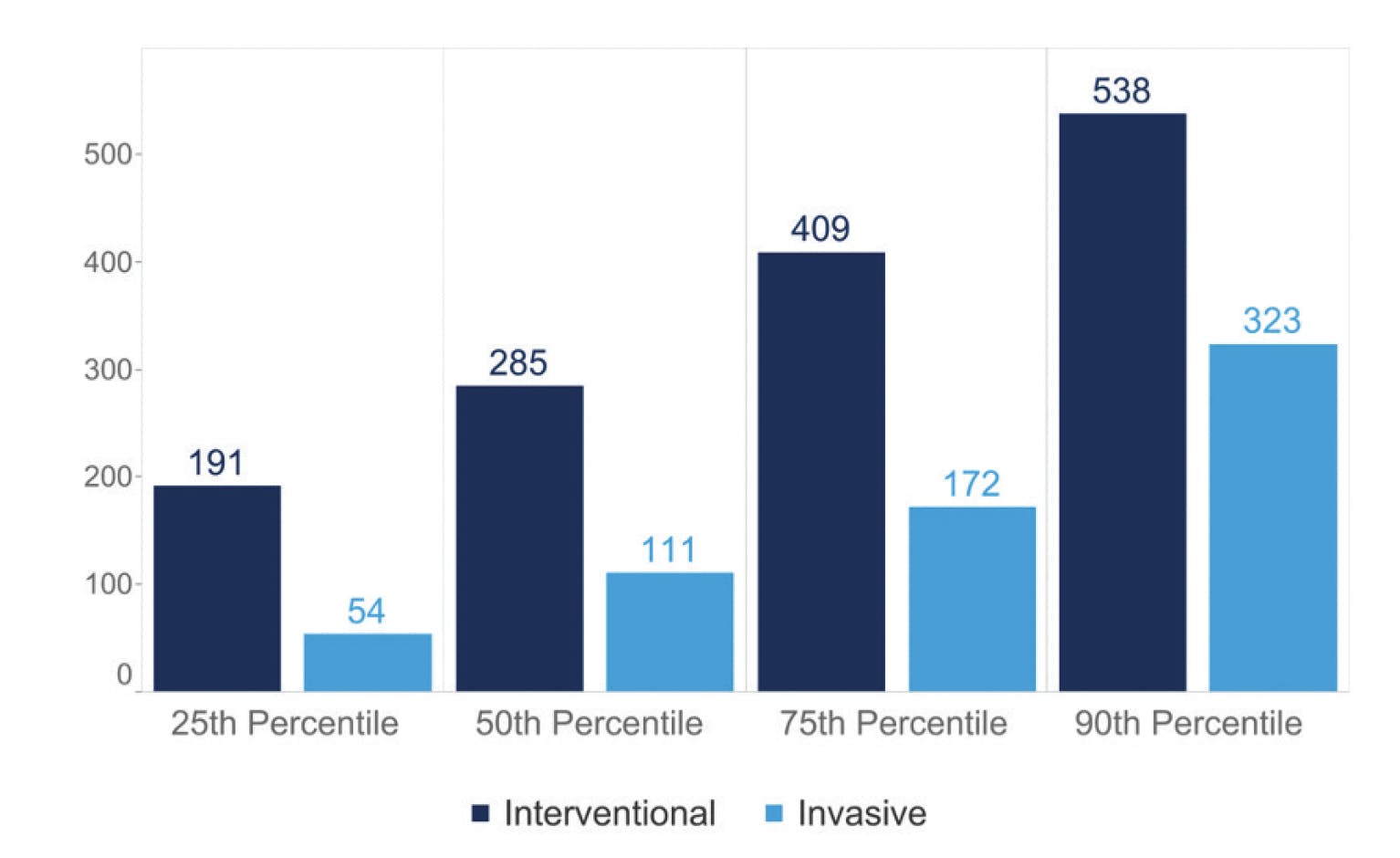
Figure 5. Percentiles for catheterizations per FT cardiologist (2023).
Staying in the cath lab, the annual report also examines the use of advanced interventional services per 1,000 active cardiology patients. Over time, left atrial appendage (LAA) closure has nearly caught up with PCI acute myocardial infarction (AMI). While LAA closure has reported significant volume increases each of the past 4 years, PCI AMI has only seen declines. This same graph shows that both chronic total occlusions (CTOs) and patent foramen ovale (PFO) closures have held steady over time.
Transcatheter aortic valve replacement (TAVR) may have begun to plateau after years of steady increases (Figure 6). Based on the MedAxiom team’s insights into the market, this may have as much to do with facility and staffing capacity as with patient demand. A single year’s worth of data does not form a trend, so future years will determine whether 2023 volumes have peaked or represent an oddity in the data.
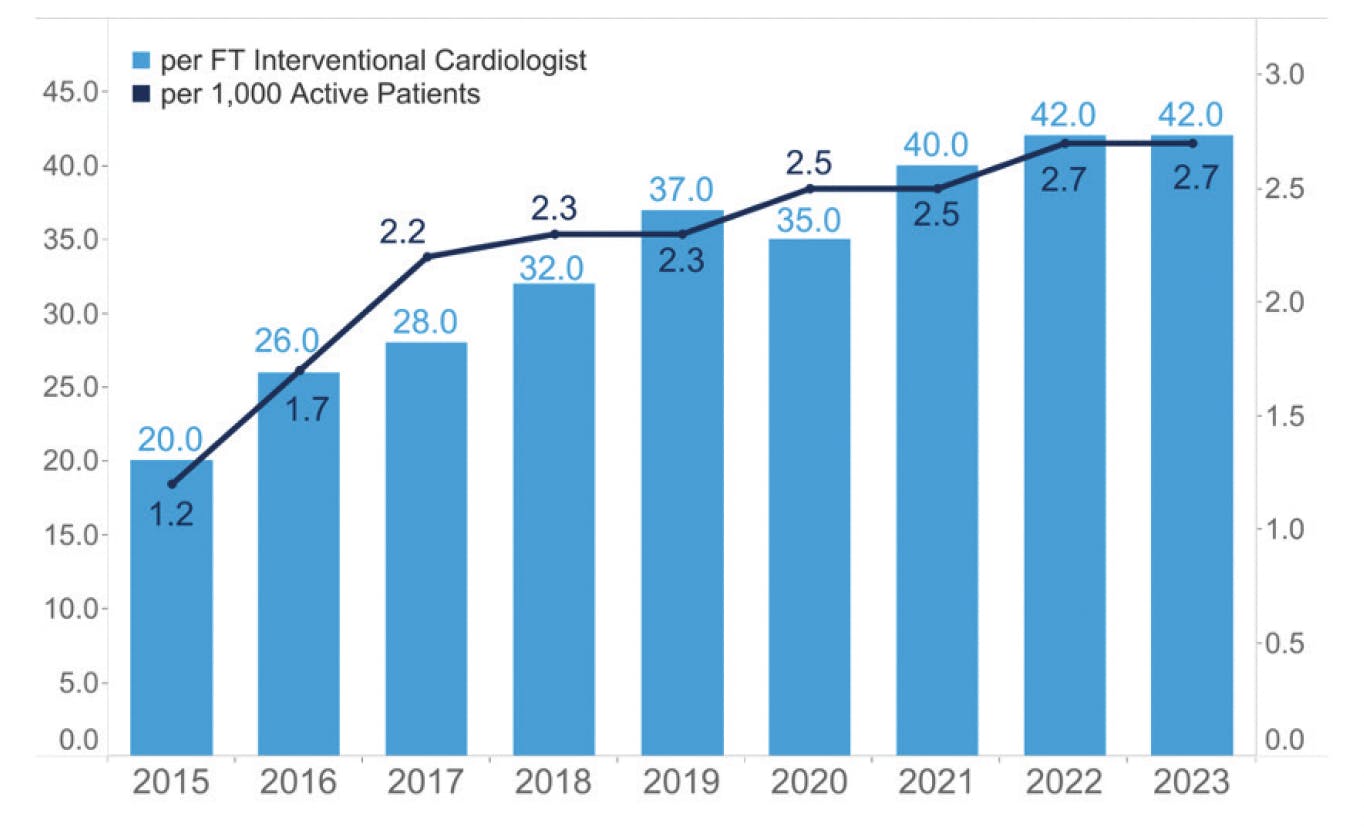
Figure 6. Median TAVR volumes.
When considering advanced interventional procedures, the MedAxiom team has been hearing about a common theme in the market: the challenge of maintaining adequate volumes per physician operator for more esoteric services. Table 1 shows the volume percentiles for interventional operators across multiple advanced procedures. There is a chasm between high- and low-volume operators, with a few procedures having medians in the single digits. This can create significant challenges for maintaining proficiency, credentialing and recredentialing, and ongoing professional evaluations.
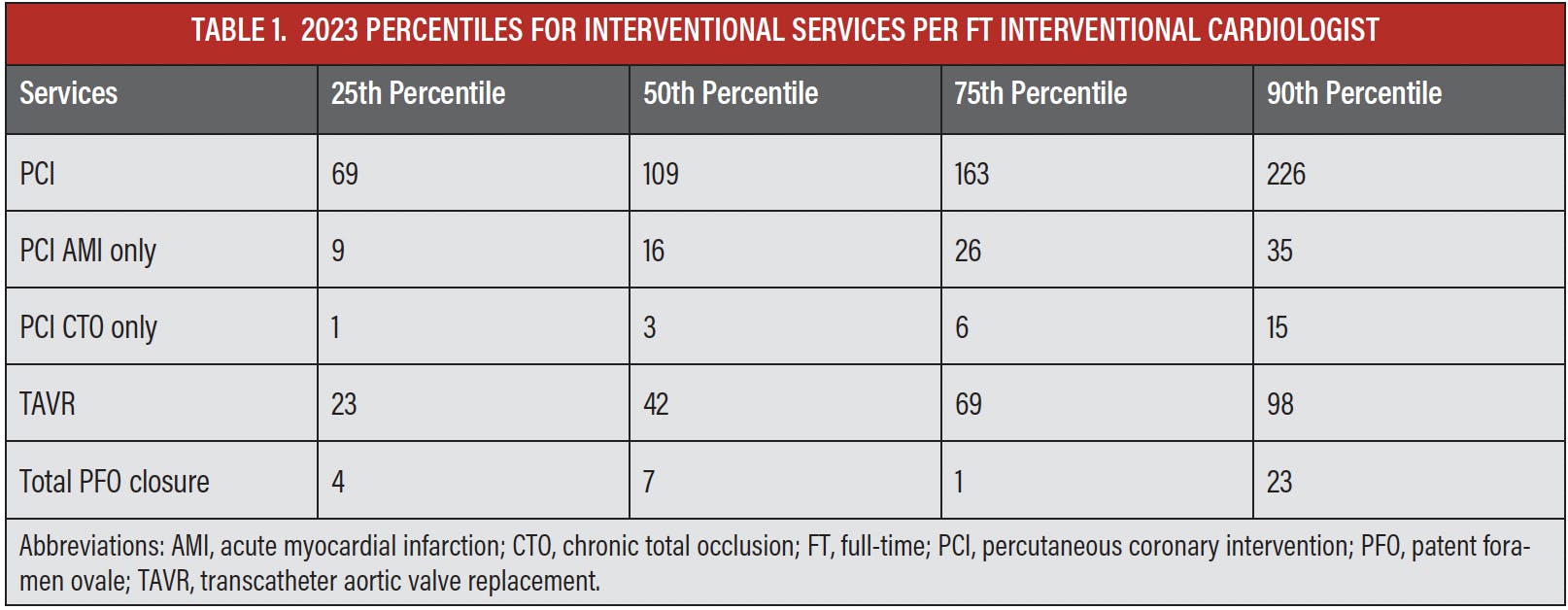
Not all interventional cardiologists perform all advanced procedures. PFO closure has the greatest focus of operators, with just under one in four interventionalists performing this procedure. The next highest concentration of talent (25%) focuses on TAVR. Just over half of interventional cardiologists perform CTO PCI.
THE ROLE OF GENDER IN INTERVENTIONAL SERVICES
At least part of the reason behind the gender differences in both production and total compensation can be told from the subspecialty mix between male and female physicians (Figure 7). Female cardiologists are three times more likely to choose advanced heart failure (HF), which has the lowest median wRVU production of all cardiology subspecialties, and 70% more likely to be a general/noninvasive physician, which has the second lowest median wRVU production total. Female cardiologists choose procedural-based subspecialties (electrophysiology, interventional, and invasive cardiology) less often than male physicians, further impacting production and total compensation. Electrophysiology, interventional cardiology, and invasive cardiology are numbers one, two and three, respectively, for median wRVU production.
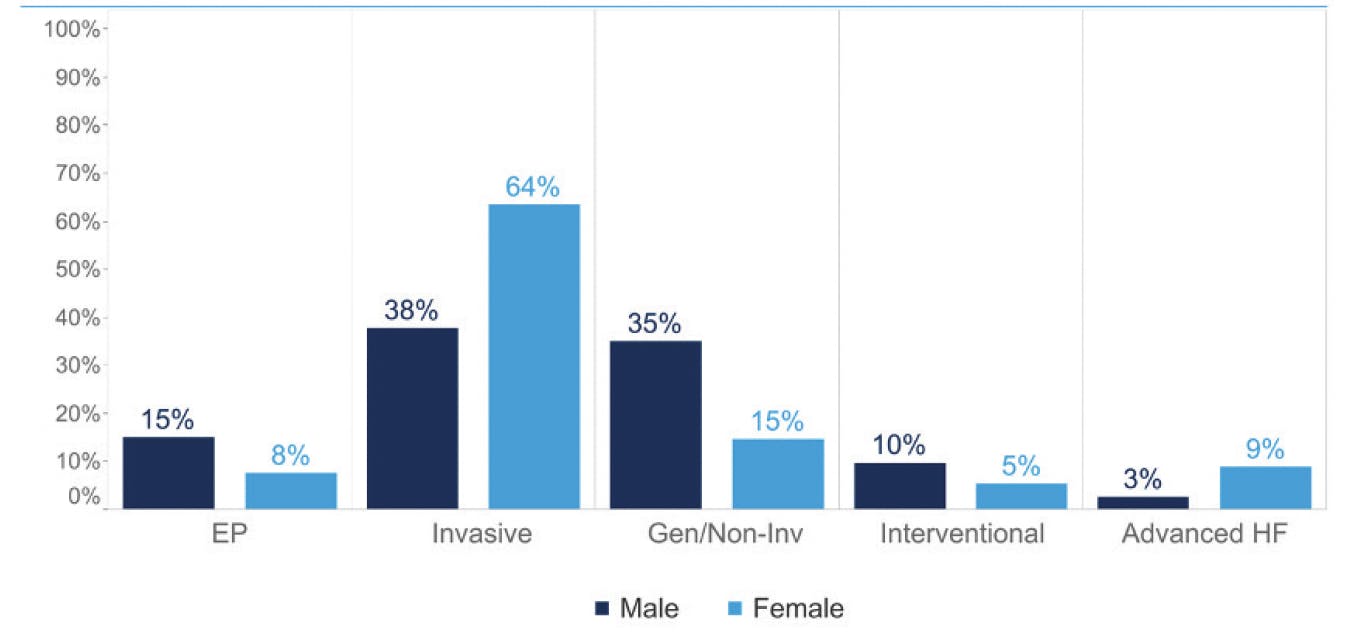
Figure 7. Subspecialty mix by gender in 2023.
MAJORITY OF INTERVENTIONAL PHYSICIANS PARTICIPATE IN CALL
Programs continue to face increasing demand for services at a time when staffing is very challenging and access to new cardiologists is diminishing. This puts significant strain on existing resources, including the burden of night and weekend call. Despite this, according to a separate MedAxiom call survey conducted early in 2024, most programs (82%) do not pay separately for general cardiology call; instead, call pay is included in the “normal” compensation plan.3 For example, call participation is factored into the wRVU rate—often referred to as a conversion factor—that a cardiologist receives. For interventional call (eg, ST-segment elevation myocardial infarction [STEMI]), this percentage is lower at 58%; however, this is still a majority of groups not paying separately for interventional call.
Participation in general call varies widely by subspecialty. Nearly all general/noninvasive physicians are in the general call rotation, while only 30% of advanced HF cardiologists participate. More than half of both electrophysiology and interventional physicians (57% and 59%, respectively) pull general call duty.
Just over three-quarters of respondents (76%) reported weekday general call frequency ≥ 1:6. Two-thirds of respondents also reported weekend general call ≥ 1:6. For interventional STEMI call, just 20% of groups reported call rotations that were more frequent than 1:4 (Figure 8).
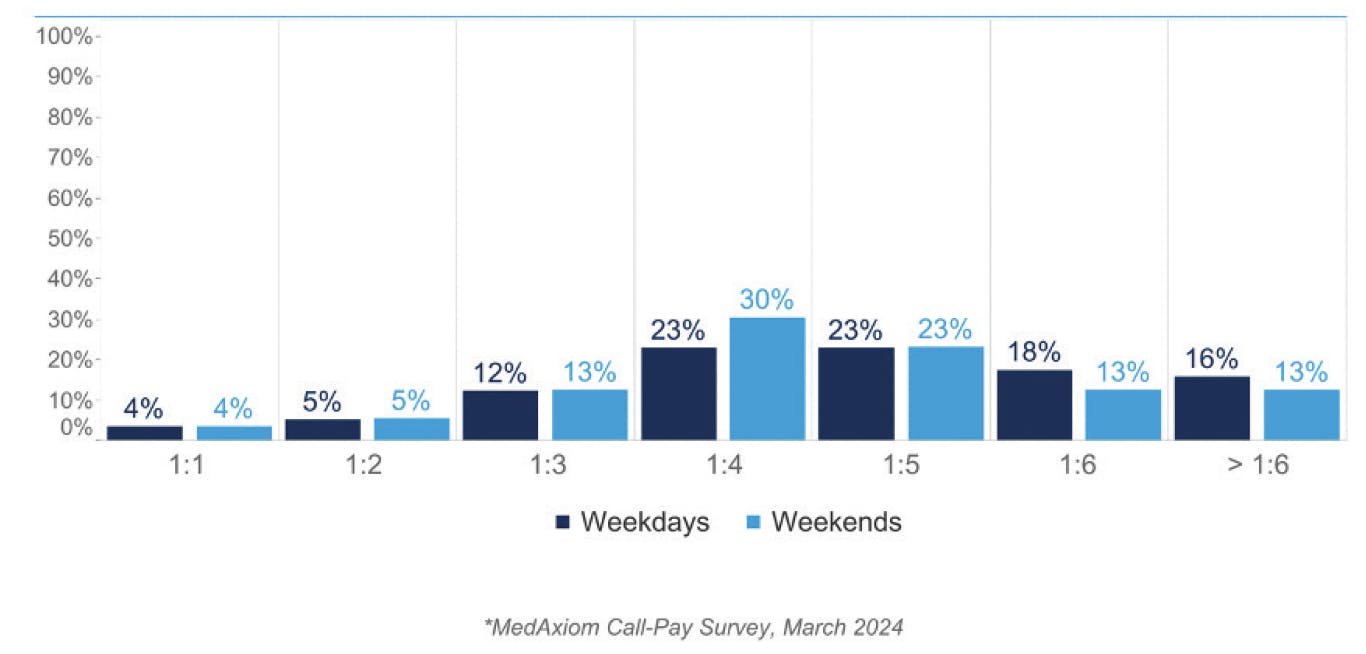
Figure 8. Interventional call frequency.*
CONCLUSION
The dynamic nature of interventional cardiology, including the approval of procedures in ambulatory and outpatient settings and the constant advancement of procedural science and technology, has translated into increasing compensation and production according to survey data. These same factors and the heavy mix of interventional physicians in private practice also prime the interest of private equity in these independent groups.
These current trends may all seem like advantages for interventional cardiologists; however, it will be an increasing priority for programs to protect their specialists against burnout, which affected 29% of international interventional cardiologists according to a survey of 1,159 attendings and 192 fellows.4 United States participants reported worse burnout metrics than participants outside of the United States, possibly due to differences in the United States health care system and its expenses.4 To support interventional cardiologists, team-based care models—which were also a focus of MedAxiom’s 2024 Cardiovascular Compensation and Production Survey Report—are essential to maintain appropriate support of expanding cardiology patient panels. Trends in how advanced practice providers can serve in different roles in the interventional setting will be one of the topics addressed in MedAxiom’s 2024 Advanced Practice Provider Compensation and Utilization Report to be published later this year.
1. Barlett VL, Liu M, Ati S, et al. Private equity acquisitions of outpatient cardiology practices in the United States, 2013-2023. J Am Coll Cardiol. 2024;84:953-956. doi: 10.1016/j.jacc.2024.06.011
2. Neale T. Private equity interest in cardiology has spiked in recent years. TCTMD. July 3, 2024. Accessed September 13, 2024. https://www.tctmd.com/news/private-equity-interest-cardiology-has-spiked-recent-years
3. Call Pay Survey report. MedAxiom. March 2024. https://www.medaxiom.com/resource-center/clinical-strategy-and-care-delivery/call-pay-survey-report/
4. Simsek B, Rempakos A, Kostantinis, et al. International psychological well-being survey of interventional cardiologists. JACC Cardiovasc Interv. 2023;16:1401-1407. doi: 10.1016/j.jcin.2023.03.033
Advertisement
Advertisement