Advertisement
Advertisement
May/June 2024 Supplement
Sponsored by Medtronic
The Crucial Role of the Heart Team
Aortic stenosis in women: a heart team approach.
During the past decade, the multidisciplinary heart team (MDHT) has significantly evolved with respect to its composition, function, and management paradigms. MDHTs have progressed to comprise primary cardiologists, interventional cardiologists, cardiac surgeons, cardiac imaging specialists, cardiac anesthesiologists, advanced practice clinicians (ie, structural heart/valve program coordinator), advanced heart failure cardiologists, cardiac electrophysiologists, vascular surgeons, neurologists, and multiple internal medicine specialists, including oncologists, nephrologists, and infectious disease specialists (Figure 1). The American and European professional societies have given a class I recommendation for MDHT assessment in all patients with severe valvular heart disease for whom valvular intervention is being considered.1,2 Because the treatment options for valvular heart disease have widely expanded with the development of novel transcatheter devices and approaches, the value of an MDHT has become increasingly apparent to ultimately promote improved medical decision-making and optimize management of complex patients and their respective clinical outcomes.3 The preference of the most important stakeholder in this shared decision-making process has always been that of the patient.
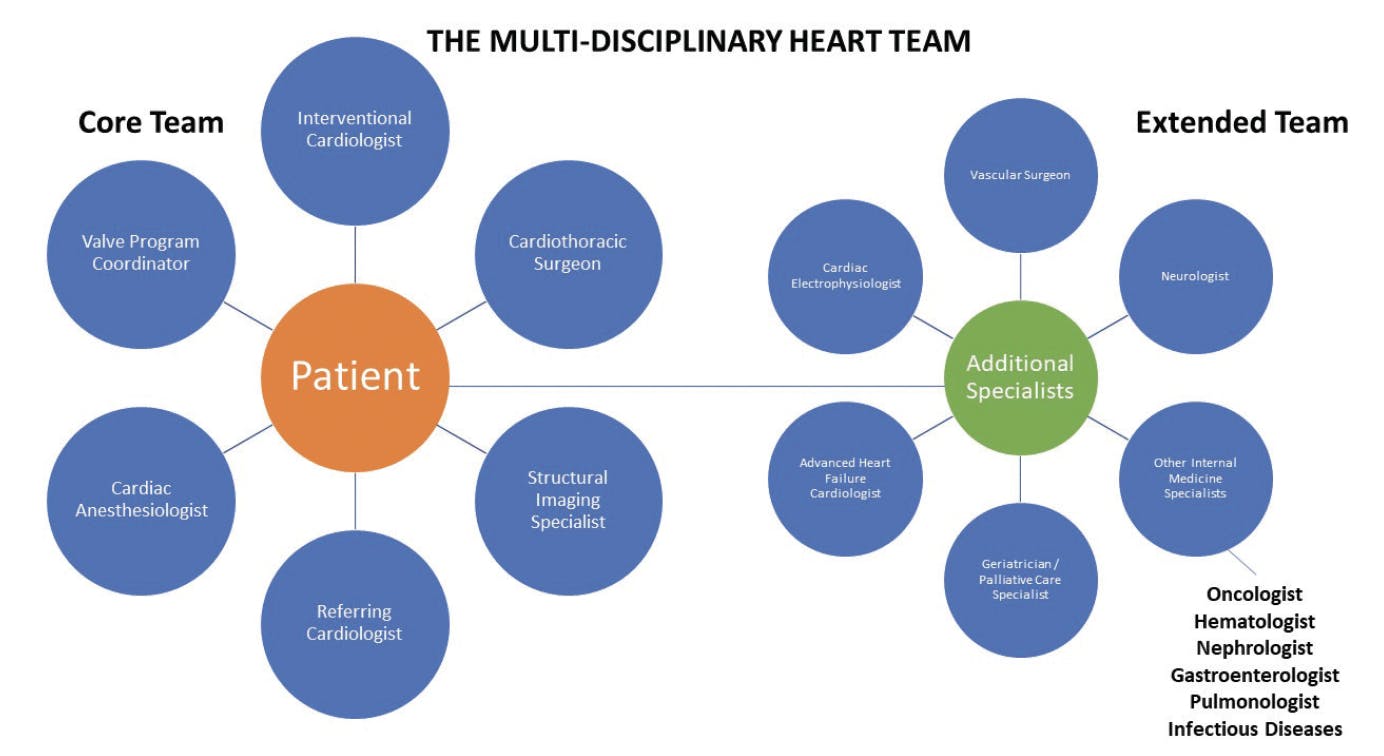
Figure 1. The Multidisciplinary Heart Team.
Prior to its formal implementation in randomized controlled trials4 and eventual guideline adaptation,1,2 the MDHT approach has remained a central mainstay in the management of patients with severe aortic stenosis (AS). Before the commercialization of transcatheter aortic valve replacement (TAVR), it was quite common for the cardiac surgeon to serve as the “gatekeeper” for valvular intervention and for referring primary cardiologists and cardiac surgeons to discuss a patient’s risk profile and the utility (or futility) of surgical aortic valve replacement (SAVR) and possible concomitant surgical procedures (coronary artery bypass graft (CABG) surgery, mitral/tricuspid valve surgery, ascending aortic aneurysm repair, root enlargement, etc) in patients with severe AS.
Times have changed and the introduction of disruptive transcatheter technologies has produced multiple options for valvular intervention and numerous questions for the MDHT to address, including choice of initial valvular intervention strategy (ie, SAVR vs TAVR), choice of surgical and/or transcatheter heart valve (THV) type, choice of approach in patients with peripheral arterial disease (PAD) (ie, transfemoral with peri-TAVR peripheral intervention versus alternative access), type of alternative access, choice to intervene on pre-existing carotid stenosis, and the choice of whether to perform percutaneous coronary intervention (PCI) on severe coronary artery disease (CAD) and in which vessels to perform PCI in the setting of multivessel CAD. Patient populations that have always been the most controversial in MDHT discussions have included younger patients, patients with comorbid high-risk cardiovascular conditions (severe CAD, significant mitral/tricuspid disease, severe PAD, etc) and/or noncardiac conditions (eg, masses/malignancy, infectious disorders, bleeding diatheses, etc), patients with failed bioprosthetic valve (surgical or transcatheter), patients with bicuspid aortic valve, and of course, patients (predominantly women) with small aortic annulus.
ROLE OF THE MDHT IN EVALUATING WOMEN WITH SEVERE AS
Women with severe AS are frequently diagnosed at later ages compared to men and often are more symptomatic with higher rates of New York Heart Association class III and IV heart failure compared to men, despite similar severity of AS.5 They often experience higher mortality than their male counterparts with AS, who are more prone to undergoing aortic valve replacement.5 Although early outcomes after aortic valve replacement (SAVR or TAVR) are similar in men and women, women undergoing TAVR have improved long-term outcomes over men, whereas those undergoing SAVR have worse long-term outcomes.5-8
In numerous MDHT discussions of women with severe AS, it has become well apparent that sex-related disparities in adaptation to AS exist. Women often have greater left ventricular (LV) wall thickness and smaller LV cavities, along with narrow outflow tracts and smaller aortic annuli.9 When undergoing SAVR, women more frequently receive smaller prosthetic valves and concomitant aortic root enlargements, and suffer worse outcomes, including higher bleeding rates (eg, transfusion requirements) compared to men.8,10 TAVR may be the preferred treatment option in women with small aortic annuli, given the lower incidence of patient prosthesis mismatch, which has been associated with higher morbidity and mortality.11,12 Selection of transcatheter heart valve type and size also warrants further discussion among the MDHT for optimization of later term outcomes.13
The MDHT’s responsibilities in weekly team meetings or during consultation in the inpatient/outpatient setting are to assess the patient’s severity of AS and symptom profile, determine the appropriateness of valvular intervention, and have a thorough discussion of risks, benefits, and alternatives in these patients. Deciphering a patient’s severity of disease often involves interpretation of invasive and noninvasive hemodynamics along with multimodality imaging by the interventional cardiologist, structural imaging specialist, cardiac surgeon, and the referring cardiologist. Since the approval of TAVR for patients at low surgical risk in the United States in 2019, the emphasis on surgical risk assessment through formal calculators like the Predicted Risk of Mortality from the Society of Thoracic Surgery has lessened. Furthermore, TAVR risk calculators have focused on early outcomes rather than late-term outcomes. The decision of the MDHT to proceed with valvular intervention must be coupled with risk/benefit assessment of surgical or transcatheter intervention, taking into account the patient’s preferences via shared decision-making. Identification of patients with AS in whom aortic valve intervention is futile remains a challenging task for the MDHT and may sometime require further assessment with palliative care or geriatric specialty consultations. Hence, it is vital for the MDHT to provide their assessments of women with AS across a broad spectrum of patient age, symptom profile, functional status, comorbidities, and anatomic conditions, including bicuspid aortic valve, small aortic annuli, small sinuses, and coronary heights. Management of concomitant CAD in women with AS often requires MDHT discussion when deciding management strategy (eg, CABG versus single/multivessel PCI versus medical therapy). Concomitant mitral and/or tricuspid disease, which have been shown to be associated with worse outcomes in patients undergoing aortic valve replacement,14,15 also warrants dialogue from the MDHT regarding a decision to intervene and possibly the optimal sequence of interventions. The younger woman presenting with AS or a failed bioprosthetic valve frequently merits MDHT interchange regarding the optimal strategy for lifetime management of AS in this patient population.
FURTHER CONSIDERATIONS FOR THE MDHT
In the United States, significant variability is present in the operations and composition of MDHTs. While evaluation and optimization of patient outcomes have always been a top priority, their importance has been further emphasized in the current era of public reporting. The primary focus of optimizing death and stroke rates in patients undergoing TAVR has been coupled with further attention to other publicly reported outcomes, including bleeding, acute kidney injury, and significant paravalvular leak. Cost effective strategies are also discussed among the MDHT, with suggestions for reducing procedural costs (eg, selection of intraprocedural equipment, staffing, etc) and hospital costs (eg, shorter hospital length of stay, fast-tracking postprocedural care on telemetry units instead of intensive care units, classification of higher diagnosis-related group in patients with major comorbid conditions, promoting TAVR to be done as outpatient [as opposed to inpatient], etc). Weekly MDHT meetings are frequently run by valve program coordinators, who set the agenda, record attendance and minutes, present new patient cases and upcoming schedules, mediate discussions for complex cases, and ensure appropriate specialists beyond the core team are present as needed. Although these MDHT meetings are a requirement for TAVR reimbursement, the prolonged time spent discussing complex AS cases typically is not reimbursed to the participants involved.
Furthermore, the extensive workup required for pre-TAVR patients can be a burden not only for the referring cardiologist but also the patient and their caregiver. Strategies to create seamless care for optimal satisfaction of all stakeholders are warranted. Weekly clinics with multiple members of the MDHT allow for patient convenience with swift decision-making, but may be difficult for the individual providers with respect to scheduling and other clinical and nonclinical (eg, educational or administrative) responsibilities. Effective communication between the MDHT with patients and their referring cardiologists and/or primary medical doctor remains of utmost importance for all stakeholders involved.
SUMMARY
Ultimately, the MDHT has been and continues to be vital for optimal management and outcomes in patients with valvular heart disease, as well as numerous other cardiac conditions. Specifically, the MDHT plays a critical role in all aspects of care in women with AS, from education of the primary medical providers regarding the under-treatment of AS in this population, the interpretation of discordant imaging data, the management of co-morbid conditions, procedural planning (i.e. type of procedure, surgical/transcatheter heart valve type and size, access, etc), and optimization of postprocedural care. As additional technologies and newer data develop, the central role the MDHT plays may be challenged by time constraints of individual specialty members and the absence of reimbursement for prolonged discussions of complex patients. Additional understanding is needed for the types of patient cases that benefit from MDHT evaluations, as well as further optimization of MDHT practices to provide seamless care for patients and referring providers and concomitantly minimizing the challenges for MDHT participants.
1. Otto CM, Nishimura RA, Bonow RO, et al. 2020 ACC/AHA guideline for the management of patients with valvular heart disease: executive summary: a report of the American College of Cardiology/American Heart Association Joint Committee on Clinical Practice Guidelines. J Am Coll Cardiol. 2021;77:450-500. doi: 10.1016/j.jacc.2020.11.035
2. Vahanian A, Beyersdorf F, Praz F, et al. 2021 ESC/EACTS guidelines for the management of valvular heart disease. Eur Heart J. 2022;43:561-632. doi: 10.1093/eurheartj/ehab395
3. Nishimura RA, O’Gara PT, Bavaria JE, et al. 2019 AATS/ACC/ASE/SCAI/STS expert consensus systems of care document: a proposal to optimize care for patients with valvular heart disease: a joint report of the American Association for Thoracic Surgery, American College of Cardiology, American Society of Echocardiography, Society for Cardiovascular Angiography and Interventions, and Society of Thoracic Surgeons. J Am Coll Cardiol. 2019;73:2609-2635. doi: 10.1016/j.jacc.2018.10.007
4. Makkar RR, Fontana GP, Jilaihawi H, et al. Transcatheter aortic-valve replacement for inoperable severe aortic stenosis. N Engl J Med. 2012;366:1696-1704. doi: 10.1056/NEJMoa1202277
5. Tribouilloy C, Bohbot Y, Rusinaru D, et al. Excess mortality and undertreatment of women with severe aortic stenosis. J Am Heart Assoc. 2021;10:e018816. doi: 10.1161/JAHA.120.018816
6. Wang TY, Gracia E, Callahan S, et al. gender disparities in management and outcomes following transcatheter aortic valve implantation with newer generation transcatheter valves. Am J Cardiol. 2019;123:1489-1493. doi: 10.1016/j.amjcard.2019.01.048
7. Novotny S, Kort S, Tannous H, et al. Predictors of 1-year mortality in men versus women undergoing transfemoral transcatheter aortic valve implantation. Am J Cardiol. 2023;186:1-4. doi: 10.1016/j.amjcard.2022.10.018
8. Parikh PB, Wang TY, Sharma N, at al. Sex-related differences in early- and long-term mortality after transcatheter and surgical aortic valve replacement: a systematic review and meta-analysis. J Invasive Cardiol. 2020;32:295-301.
9. Carroll JD, Carroll EP, Feldman T, et al. Sex-associated differences in left ventricular function in aortic stenosis of the elderly. Circulation. 1992;86:1099-1107. doi: 10.1161/01.cir.86.4.1099
10. Morris JJ, Schaff HV, Mullany CJ, et al. Gender differences in left ventricular functional response to aortic valve replacement. Circulation. 1994;90(5 Pt 2):II183-189.
11. Pibarot P, Weissman NJ, Stewart WJ, et al. Incidence and sequelae of prosthesis-patient mismatch in transcatheter versus surgical valve replacement in high-risk patients with severe aortic stenosis: a PARTNER trial cohort — a analysis. J Am Coll Cardiol. 2014;64:1323-1334. doi: 10.1016/j.jacc.2014.06.1195
12. Head SJ, Mokhles MM, Osnabrugge RL, et al. The impact of prosthesis-patient mismatch on long-term survival after aortic valve replacement: a systematic review and meta-analysis of 34 observational studies comprising 27,186 patients with 133,141 patient-years. Eur Heart J. 2012;33:1518-1529. doi: 10.1093/eurheartj/ehs003
13. Herrmann HC, Mehran R, Blackman DJ, et al. Self-expanding or balloon-expandable TAVR in patients with a small aortic annulus. N Engl J Med. Published online April 7, 2024. doi: 10.1056/NEJMoa2312573
14. Généreux P, Pibarot P, Redfors B, et al. Evolution and prognostic impact of cardiac damage after aortic valve replacement. J Am Coll Cardiol. 2022;80:783-800. doi: 10.1016/j.jacc.2022.05.006
15. Parikh PB, Mack M, Stone GW, et al. Transcatheter aortic valve replacement in heart failure. Eur J Heart Fail. 2024;26:460-470. doi: 10.1002/ejhf.3151
Advertisement
Advertisement