Advertisement
Advertisement
September/October 2023 Supplement
Sponsored by Abbott
Design, Development, and Clinical Experience of Four MitraClip™ Device Generations
The impact of 20 years of innovation, from early concept to present day.
The First-Generation MitraClip™ Device
EARLY CLIP DESIGN EVOLUTION
A series of published textbook chapters chronicle the early development of the first-generation MitraClip™ device (Abbott) and the imaging-guided approach to Clip-based mitral valve (MV) repair in a beating heart.1,2 As detailed in these cited chapters, the first catheter-based device prototypes created at Evalve, Inc., were designed to replicate the surgical Alfieri stitch. These early prototypes included nitinol arms (made of looped wire) that contacted the MV leaflets, while pledgeted sutures were delivered into the leaflets through hollow needles housed within a catheter. The concept of puncturing through leaflet tissue introduced risks that were cleverly avoided with a key observation—that the supporting arms themselves could be used to bring the leaflets into coaptation without the use of any sutures. With this key insight, the Clip concept was born.
Although flexible nitinol arms were a hopeful design and material concept, their instability made grasping leaflets difficult. Chronic motion between the deployed flexing nitinol arms and the grasped leaflet tissue was associated with unstable and incomplete healing in chronic animal studies. Therefore, a more stable and robust tissue-to-tissue apposition structure was needed to provide a more steady and favorable healing response, and nitinol arms were abandoned in favor of stable grasping arms made of Elgiloy® (Elgiloy Specialty Metals).2,3 The evolution of initial concepts from the initial suture delivery approach, to flexible arms (uncovered and covered), and finally to a Clip design with stable controllable arms is shown in Figure 1.
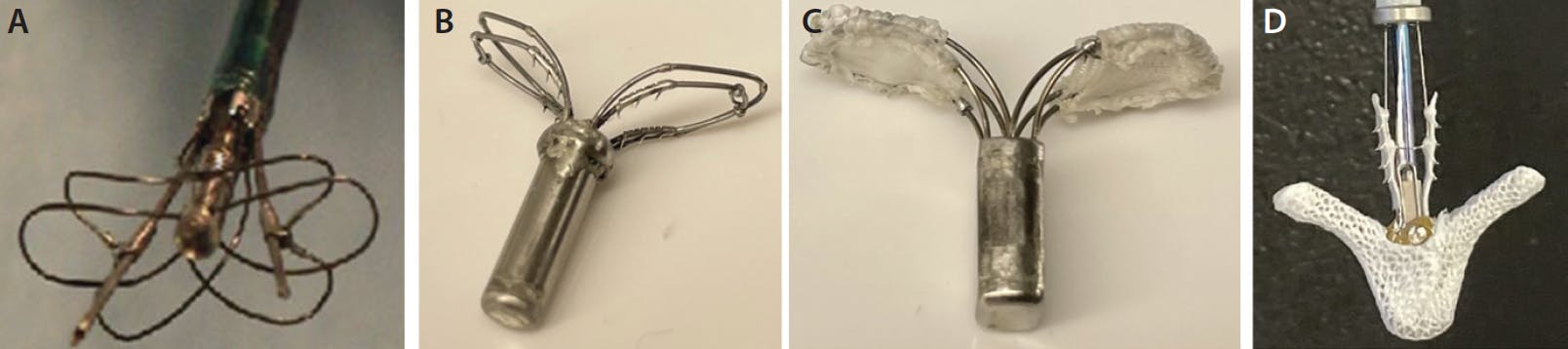
Figure 1. Evolution of MitraClip™ implant from initial suture delivery concept (A), flexible nitinol loop implant (uncovered) (B), nitinol loop implant with covered arms and grippers (C), to covered clip with rigid stable arms (D).
This suture-free, stable clipping approach was an attractive option as it allowed the user to grasp and release leaflets with precision and control. In addition, the small size and covered Elgiloy® construction of the MitraClip device ensure it is echo friendly. This enables visualization of the device and its interaction with the native anatomy, which is instrumental to the success of the MitraClip procedure. Other technologies with less echo-friendly devices have proven unsuccessful due to poor visualization of the leaflet and device.4 The atraumatic Clip design also allowed users to reposition a Clip multiple times if needed, without causing any punctures to the leaflets. Additionally, the Clip design enabled the user to tailor the repair by controlling the amount of Clip closure to maximize the amount of mitral regurgitation (MR) reduction while optimizing the resultant MV gradient.5 These combined design characteristics ensured that Clips provide robust long-term MR reduction, stable leaflet coaptation throughout the cardiac cycle, and a transmitral pressure gradient that remains consistently low over time.6
THE MITRACLIP DEVICE DESIGN: OPTIMIZED FOR TRANSCATHETER MV REPAIR
The MitraClip device design and operation were defined to optimize the MV repair procedure with controllable clip arms, a gripper designed to be atraumatic when capturing the leaflets, and a delivery system designed specifically for precise and optimal treatment of the MV.
Controlled and Stable Clip Arm Closure
Although some of the first transcatheter edge-to-edge repair (TEER) prototypes employed a pair of opposing nitinol loops to coapt the MV leaflets, this design approach and material choice proved to be suboptimal. The flexibility of the nitinol loops meant they were unstable during leaflet grasping, which limited the user’s ability to accurately position a Clip when repairing moving leaflets in a beating heart environment. Additionally, nitinol structures incur alternating strains when bending or flexing during each cardiac cycle, which can increase the risk of eventual device fatigue failure.7 This concern caused the engineering team to question whether nitinol material could withstand the long-term cyclic fatigue loading conditions after implantation.
Considering the need for a more stable and robust tissue-to-tissue apposition, the nitinol loop system evolved into a Clip device with rigid, stable grasping arms.1,2 The flexural rigidity of the Clip arms is an important design characteristic that is critical for coaptation of the MV leaflets during and after the MitraClip procedure. Both the Clip arm material choice and structural design provide rigidity, which enables the device to stabilize moving leaflets when grasping and capturing them within the Clip during the procedure in a beating heart. After the procedure, the rigid Clip arms support the tissue and the gripper inside the Clip and ensure long-term coaptation between the leaflets, providing a steady and favorable healing response and stable pressure gradients.1,6,8
The precise and controlled opening and closure of the Clip arms was a main priority for the MitraClip device (Figure 2), as stable closure of the arms provides ease of grasping the leaflets, enables controlled leaflet coaptation, promotes an optimal tissue healing response between the stabilized leaflets, and encourages reverse remodeling of the MV annulus.1,2 The long-term stability of the Clip and tissue-to-tissue interface ensures that a stable tissue bridge forms between the leaflets,8 and a polyester Clip cover was added to further aid in providing a predictable healing response in both primary and secondary valvular disease.
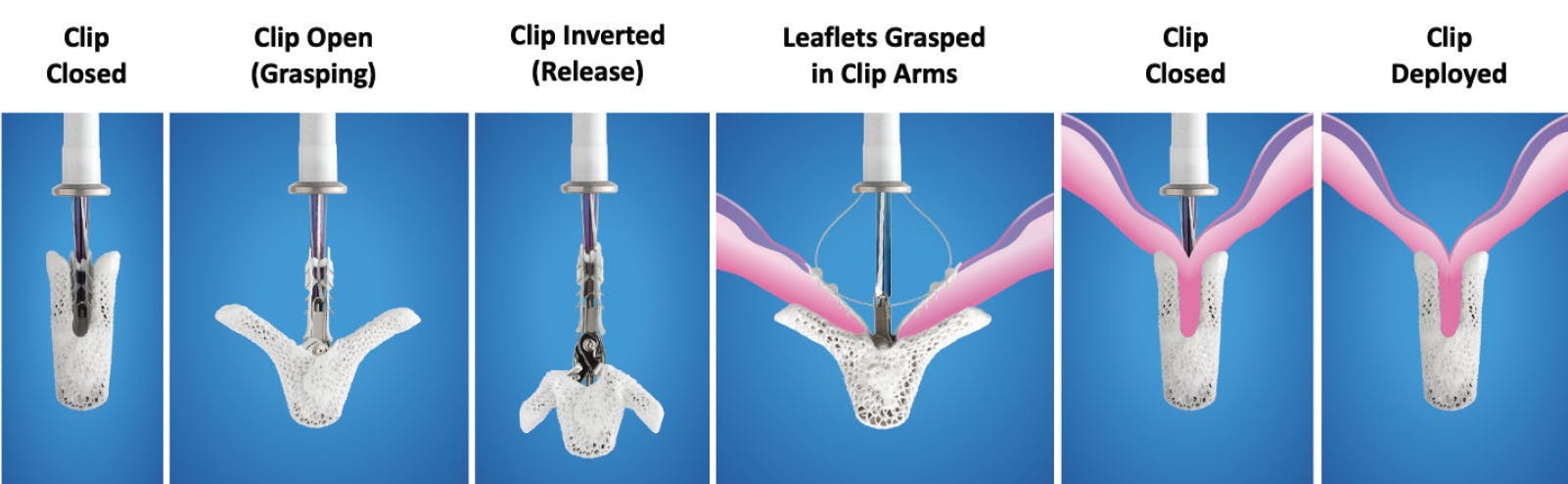
Figure 2. Clip arm angle configurations of the MitraClip™ device.
Based on early learnings from the initial MitraClip clinical trial (EVEREST I), the Clip-locking mechanism was redesigned to provide the user even greater control when closing the Clip, enabling the Clip to be locked at any chosen angle < 90°.2 This unique design provides the user the ability to control the amount of Clip closure to maximize the amount of MR reduction while optimizing the resultant MV gradient.5
Device material selection is also critical to ensure any repair is biocompatible, durable, and promotes favorable remodeling of the MV and cardiac chambers. The MitraClip device’s arms and load-bearing metallic structure is made of a high-strength super-alloy called Elgiloy. This alloy is significantly more durable than other medical device alloys like nitinol, stainless steel, and tantalum (Figure 3) and provides excellent corrosion and fatigue resistance.9,10 Elgiloy’s high strength enables the metallic load-bearing Clip components to be made with a minimized thickness and surface area to promote faster healing and earlier tissue encapsulation around the device after implantation. In addition, the high strength and fatigue resistance of Elgiloy ensures that the long-term structural integrity of the implant is maintained for many years after deployment. As described previously,2 locked Clips are tested at Abbott for 600 million worst-case simulated cardiac loading cycles (equivalent to 15 years) to ensure they remain free of fractures and stay closed to support the valve repair long after deployment. The stable closure of the rigid Elgiloy Clip arms also provides a beneficial and stabilizing effect on the valve annulus.
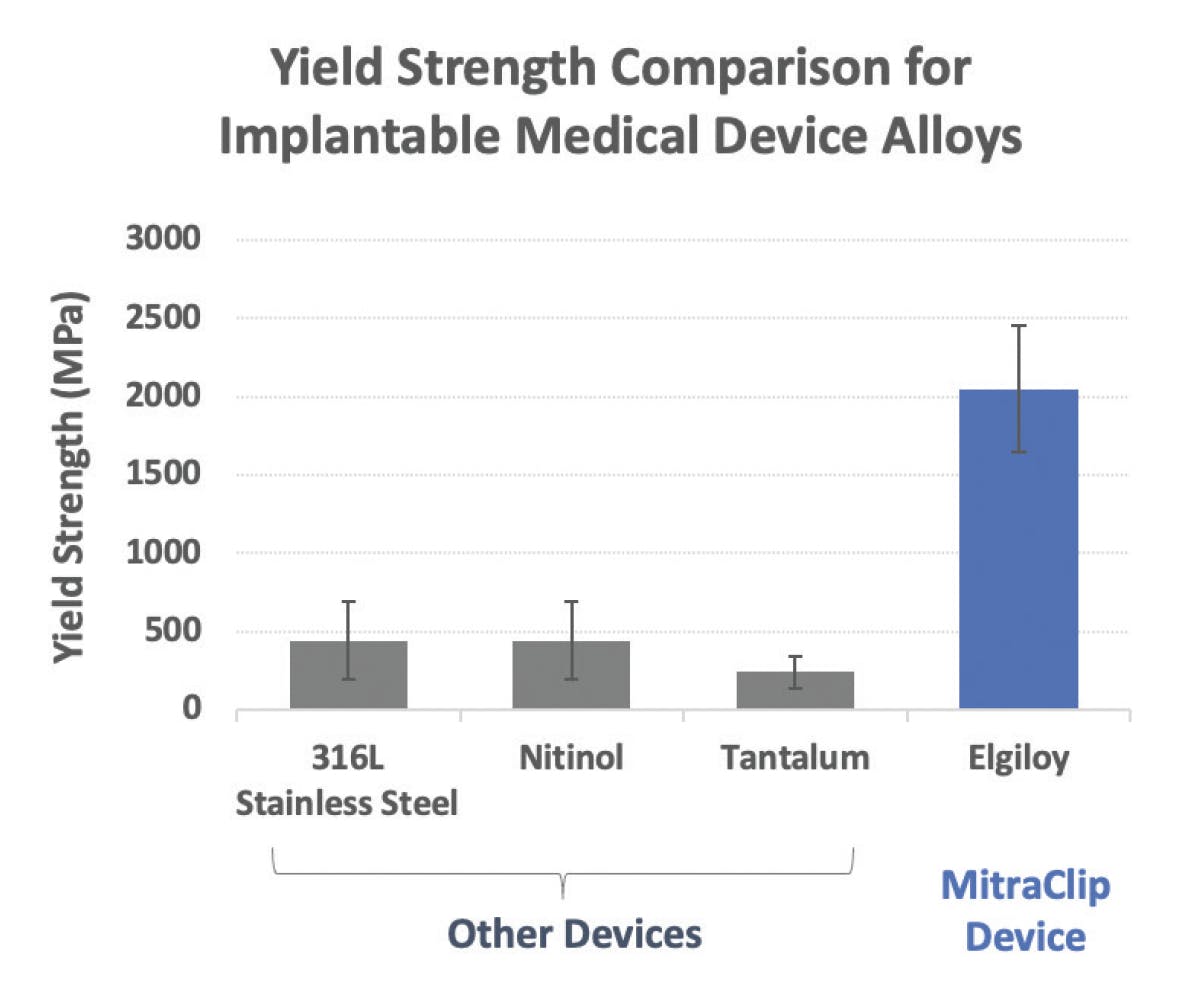
Figure 3. Yield strength comparison for typical MitraClip™ device alloys as reported by Thierry et al where error bars represent minimum and maximum reported values.9
Grippers Designed to Safely Secure and Release Leaflets
The first-generation MitraClip device design includes a pair of Elgiloy arms that can be precisely opened or closed by the user, providing stability and control when grasping leaflets to optimize the procedure. The rigid Elgiloy arms stabilize the leaflets from their ventricular surface during leaflet grasping. The more flexible grippers are then lowered by the user onto the atrial surface of the grasped leaflets to capture them within the Clip arms. The gripper is designed with rows of pointed features called frictional elements (FEs) that gently secure, but do not perforate, leaflets within the Clip arms during the beating-heart procedure.2 As shown in Figure 4 and Figure 5, FEs are distributed along the entire length of the grippers, which ensures leaflets do not slip out as the user closes the Clip. The FEs positioned at the inner part of each gripper are critical for ensuring the device retains the maximum amount of leaflet possible within the closed Clip, which maximizes leaflet coaptation and the amount of MR reduction achieved. After a Clip is deployed, the gripper FEs permanently maintain the Clip’s long-term attachment to both leaflets, ensuring MR reduction is sustained for years after deployment.
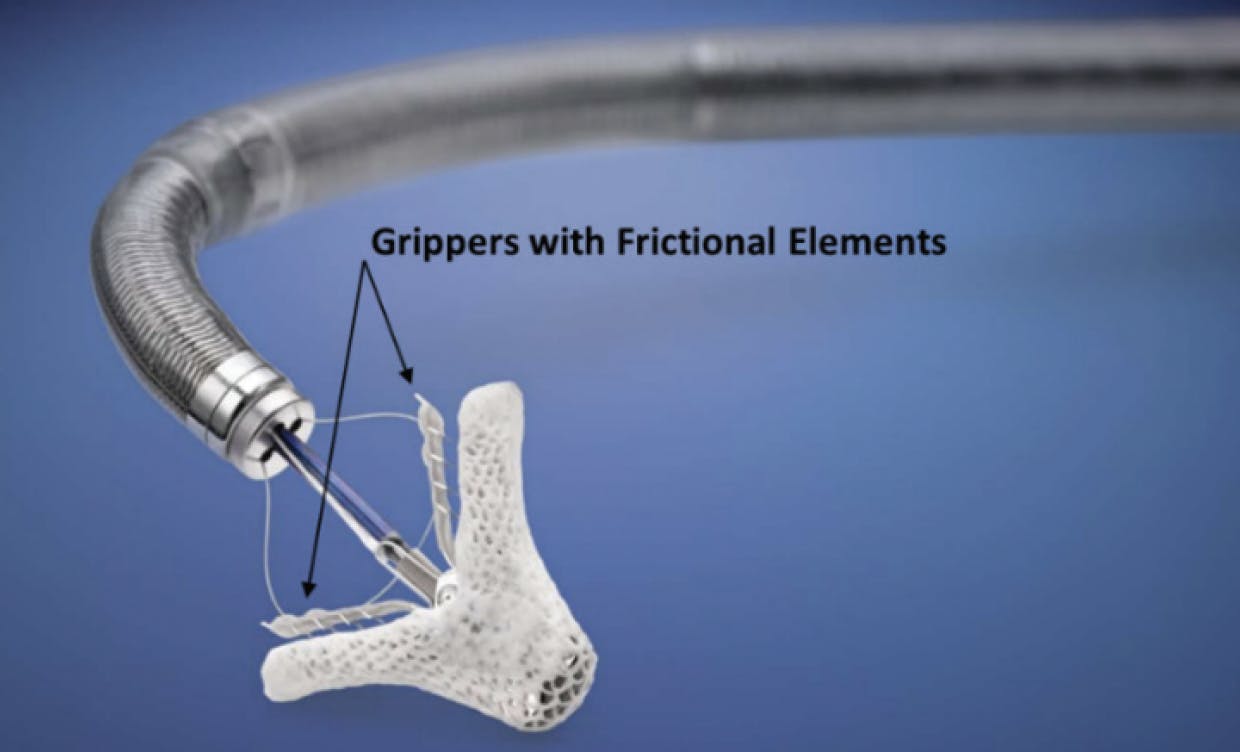
Figure 4. The first-generation MitraClip™ device with grippers and FEs distributed along the length of the grippers, which prevents the leaflets from slipping out of the Clip arms during Clip closure and maintains the Clip’s long-term attachment to both MV leaflets.
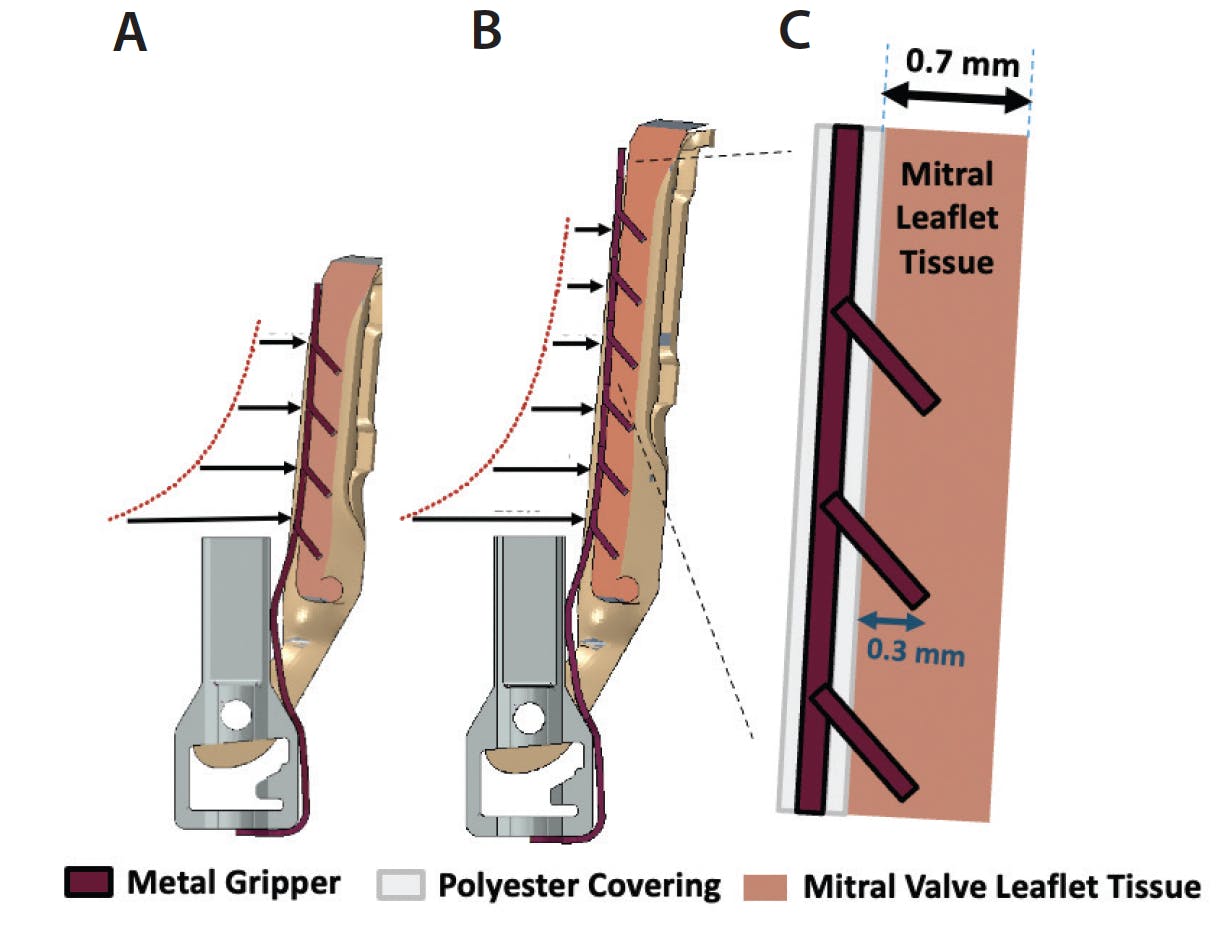
Figure 5. Gripper force distribution shown for one side of the Clip for NT/NTR/NTW Clip size (A) and XTR/XT/XTW Clip size (B) with FE engagement into mitral leaflet tissue (C) with a minimum reported mitral leaflet thickness of 0.7 mm shown per Sahasakul et al.11
Many different gripper prototype designs were built and tested during the development of the MitraClip device. The final gripper design for the first-generation MitraClip device was made of Elgiloy and is shown in Figure 4. Gripper designs in subsequent device generations (MitraClip NT, MitraClip NTR/XTR, MitraClip G4) are made of nitinol but employ the same FE lengths and spacing as the first-generation MitraClip gripper design. In all generations, the flexible gripper component is supported by the rigid Elgiloy Clip arms when the Clip is closed and implanted. All MitraClip gripper designs incorporate the following key design features:
Optimized FE length for security and safety. As shown in Figure 5, gripper FEs are designed to be long enough to sufficiently secure tissue while being short enough to never penetrate through even the thinnest central belly regions of MV leaflets, which can be as thin as 0.7 mm.1,11 This short FE length is particularly important when capturing frail or diseased leaflets as puncturing the leaflet could lead to perforation and tears. With this FE design, leaflets can safely and repeatably be secured and captured (and released and recaptured) by the grippers without being perforated or damaged.3
Evenly spaced FEs for distributing the force on the leaflet. Pairs of gripper FEs are spaced evenly in a row along the entire gripper length. This design ensures that the force applied to leaflets by the gripper is distributed along the entire inserted leaflet length that is supported within the Clip arm. This force-distributing design (Figure 5) prevents stress concentration from occurring at any single spot of the leaflets, which helps to prevent damage to the leaflets. The gripper design applies the highest force at the innermost part of the Clip to the leaflet’s closing edge—where the leaflet is the thickest and most robust. The gripper force is lowest at the tip of the gripper, which ensures the gentlest force is applied where the gripper engages with the thinner belly region of the leaflet.3,11 Most importantly, in addition to being safe, this force-distributing design has the added benefit of maximizing the amount of leaflet captured and brought into coaptation by the Clip—the overall goal of any TEER procedure.
Intentional FE placement and angle for reliable tissue securement and disengagement. Gripper FEs are short and angled inward to gently secure leaflets when the user closes the Clip arms. FEs are placed along the entire length of the gripper so that the entire length of leaflet inserted during grasping is retained in the Clip during device closure, without any slippage.2,3 The angled design of the FEs (Figure 5) also provides safe and easy release of leaflets if the grippers are raised, the Clip is opened and inverted, and then retracted into the atrium. This design choice balances the need to adequately secure and coapt leaflets, while allowing for safe and atraumatic disengagement from the leaflets.
Designed with a thin metallic structure for optimal healing response. The gripper structure was intentionally designed to be thin (about 0.1 mm) to avoid injury to the leaflets during the MitraClip procedure. The thin design of the gripper also limits the amount of metal present between the coapted leaflets, minimizing any obstruction to healing and tissue bridge formation between the coapted leaflets.3 Similar to the Clip covering described previously, the gripper component includes a polyester covering to facilitate a safe and stable healing response and ingrowth after Clip implantation. Studies have demonstrated that tissue growth steadily occurs between the FEs and around the gripper as a tissue bridge forms as early as 30 days, with eventual complete device encapsulation as early as 90 days.8
Catheter controls and curves planes designed to efficiently position a Clip on the MV. The first-generation MitraClip system was a low-profile, multi-catheter system specifically designed to enable access to the MV (Figure 6). The catheters were designed to provide the user with the ability to accurately steer and navigate three-dimensional space in medial-lateral, anterior-posterior, and superior-inferior directions (Figure 7), while maintaining an optimal trajectory toward the MV.
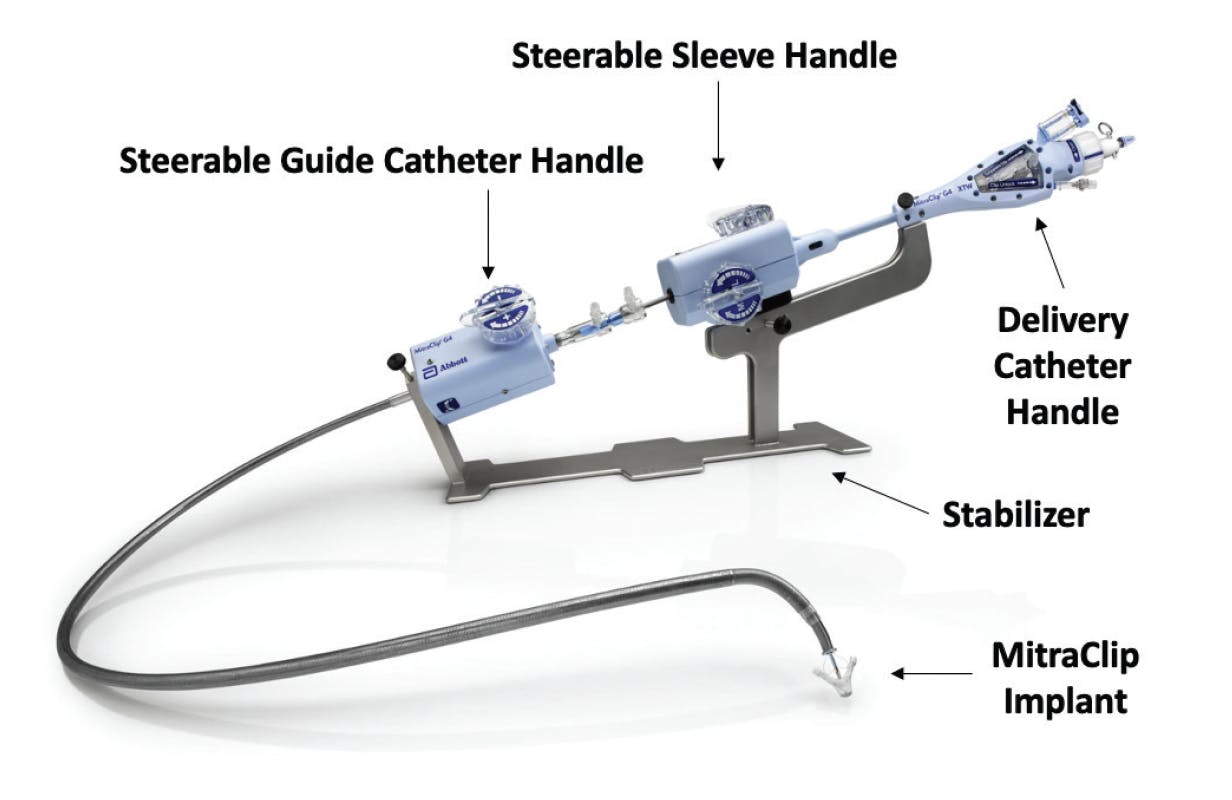
Figure 6. The MitraClip™ System including the Delivery Catheter, Steerable Sleeve, and Implant that comprise the Clip Delivery System (CDS) as well as the Steerable Guide Catheter (SGC) and Stabilizer.
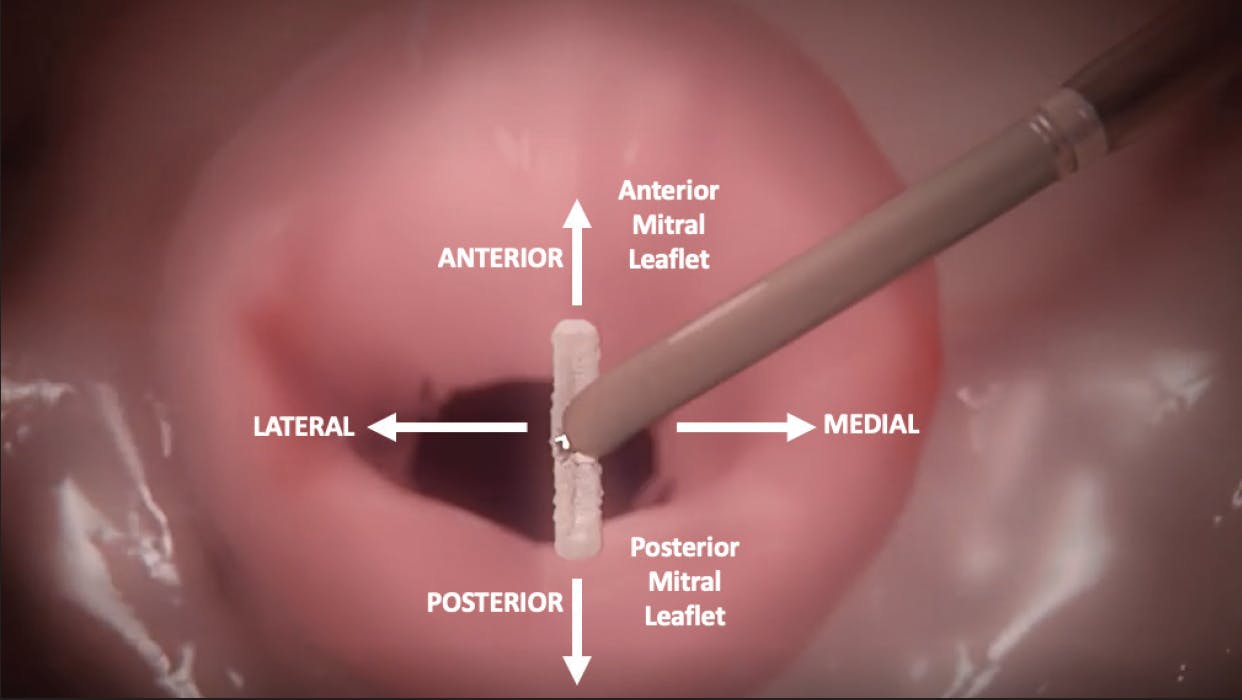
Figure 7. CDS steering in the medial-lateral direction and anterior-posterior direction.
This mitral-specific, dedicated catheter design was possible due to unique curves and a “key” and “keyway” system within the catheters. This unique alignment feature is critical to the efficiency of the MitraClip procedure. It enhances the overall system rotational stability and makes the device more predictable to use without the need for iterative steering adjustments during Clip positioning. The key feature also optimizes the insertion position of the Clip to be closer to the nominal position of most human MVs, which enables even faster and easier Clip positioning with even fewer steering adjustments needed at the beginning of the procedure.2 This keyed MV-specific curving system design was further optimized based on experiences in the EVEREST I feasibility trial, and the effectiveness of the final system design was further demonstrated in the EVEREST II trial with high procedural success rates in treating both primary and secondary MV disease. These curves and their controls have been used successfully in treating a broad range of anatomies across more than 2,000 studied patients in more recent product generations.12

Beyond the design improvements, procedural efficiencies were developed including the definition of “situational steering” to enable Clip implantation in a wide range of anatomies—particularly in patients where only a low transeptal puncture height was possible. The MitraClip device’s dedicated steering system allowed for anatomies with puncture heights as low as 2.49 cm to be treated effectively further demonstrating the ability for the MitraClip system to treat a broad range of anatomies with stability and control.3 This capability has since proven to be particularly useful in certain geographies and within patients with small MVs and left atria.3,13
EARLY CLINICAL EXPERIENCE WITH THE MITRACLIP DEVICE
Multiple trials were initiated to study the safety and efficacy of MitraClip device implantation in patients with moderate to severe MR (≥ grade 3). These included an early feasibility study (EVEREST I, 2003),14,15 a randomized pivotal study comparing MitraClip device treatment to surgery (EVEREST II RCT, 2005), and a study comparing MitraClip device treatment in patients with high surgical risk (EVEREST II HRR, 2007).16,17 Additional continued access studies (REALISM and REALISM HR, 2009) further evaluated procedural safety of treatment with the MitraClip device as important complements to the RCT.18 The clinical evidence from the EVEREST II HRR and REALISM HR, along with supportive safety data from EVEREST II RCT, led to the 2013 approval of the MitraClip System in the United States for patients with primary MR (PMR) with prohibitive surgical risk.17,18 These trial results for this first-ever TEER device indicated that leaflet grasping with the MitraClip device was repeatable, obtaining MR reduction was feasible and durable with follow up through 5 years, and that the device safely provided sustained clinical benefits with minimal adverse events.14-18 Taken together, these trials laid the foundation for the unparalleled outcomes that the MitraClip device would achieve in future trials like COAPT and with future device generations.
In 2012, Abbott commenced a trial in heart failure (HF) patients with symptomatic secondary (functional) MR (SMR) despite optimal medical management, the Clinical Outcomes Assessment of the MitraClip Percutaneous Therapy for Extremely High Surgical Risk Patients RCT (COAPT™ RCT) with follow-up through 5 years. This was a groundbreaking trial in that MR reduction was shown to be beneficial in HF patients with severe secondary MR. The trial demonstrated that MitraClip device implantation in this patient group was associated with significantly lower rates of all hospitalizations, hospitalizations for cardiovascular causes, and hospitalizations for HF during the 5-year follow-up. The COAPT trial resulted in an expanded United States indication in 2019 for the treatment of symptomatic, moderate to severe or severe SMR (MR ≥ grade 3 per American Society of Echocardiography criteria) in patients with a left ventricular (LV) ejection fraction ≥ 20% and ≤ 50%, and a LV end-systolic dimension ≤ 70 mm whose symptoms and MR severity persist despite maximally tolerated guideline-directed medical therapy (GDMT), as determined by a multidisciplinary heart team experienced in the evaluation and treatment of HF and MV disease. Similarly, the study demonstrated that treatment with the MitraClip device was associated with lower all-cause mortality, cardiovascular mortality, and HF-related mortality at 5 years, predominantly notable during the first 2 years after randomization. Treatment with the MitraClip device in these patients was safe, with no device-specific complications occurring after 30 days.6,19
After a series of successful trials and regulatory approvals, the MitraClip system became the leading transcatheter MV repair solution in the world and was commercialized across a growing number of medical centers and geographies. The dedication of a growing community of clinicians pioneering the MitraClip TEER therapy prompted updates to the guidelines used around the world for evaluating valvular disease and valvular repair with TEER. A growing base of device users provided feedback to Abbott, which led to some notable design changes to improve the performance of the first-generation MitraClip product. Between 2011 and 2014, the locking mechanism component tolerances were updated to improve the reliability of locking and unlocking the Clip. The Clip deployment mechanism design was also changed from an S-shaped lock (S-Lock) attachment to an L-shaped lock (L-Lock) attachment to facilitate reliable device detachment from the delivery catheter.20 As a final enhancement of the first-generation system, a one-way clutch was incorporated into the device handle to ensure the user always rotates the mandrel in the correct direction to unthread the Clip delivery system’s (CDS’s) connection to the Clip during device deployment.21 These important design updates improved the ease of use of the system, ensuring safe and effective outcomes could be accomplished more efficiently.
1. St. Goar F. Development of percutaneous edge-to-edge repair: the MitraClip story. In: Feldman T, St Goar F, eds. Percutaneous Mitral Leaflet Repair. CRC Press; 2012:31-35.
2. Thornton T, McDermott L. MitraClip system design and history of development. In: Feldman T, St Goar F, eds. Percutaneous Mitral Leaflet Repair. CRC Press; 2012:36-44.
3. Data on file at Abbott .
4. Naqvi TZ, Buchbinder M, Zarbatany D, et al. Beating-heart percutaneous mitral valve repair using a transcatheter endovascular suturing device in an animal model. Catheter Cardiovasc Interv. 2007;69:525-531. doi: 10.1002/ccd.21029
5. Sorajja P, Pedersen WA, Lesser JR, et al. Structural Heart Cases: A Color Atlas of Pearls and Pitfalls. Elsevier; 2018.
6. Stone GW, Abraham WT, Lindenfeld J, et al. Five-year follow-up after transcatheter repair of secondary mitral regurgitation. N Engl J Med. 2023;388:2037-2048. doi: 10.1056/NEJMoa2300213
7. He R, Zhao LG, Silberschmidt VV, Willcock H. A computational study of fatigue resistance of nitinol stents subjected to walk-induced femoropopliteal artery motion. J Biomech. 2021;118:110295. doi: 10.1016/j.jbiomech.2021.110295
8. Ladich E, Michaels MB, Jones RM, et al. Pathological healing response of explanted MitraClip devices. Circulation. 2011;123:1418-1427. doi: 10.1161/CIRCULATIONAHA.110.978130
9. Thierry B, Tabrizian M. Biocompatibility and biostability of metallic endovascular implants: state of the art and perspectives. J Endovasc Ther. 2003;10:807-824. doi: 10.1177/152660280301000419
10. ASTM F1058-16 – Standard Specification for Wrought 40Cobalt-20Chromium-16Iron-15Nickel-7Molybdenum Alloy Wire, Strip, and Strip Bar for Surgical Implant Applications. In: Annual Book of ASTM Standards: Medical And Surgical Materials And Devices (I): E667–F2477. Vol 13.01. ASTM International; 2022.
11. Sahasakul Y, Edwards WD, Naessens JM, Tajik AJ. Age-related changes in aortic and mitral valve thickness: implications for two-dimensional echocardiography based on an autopsy study of 200 normal human hearts. Am J Cardiol. 1988;62:424-430. doi: 10.1016/0002-9149(88)90971-x
12. Price MJ, et al. Acute outcomes from 2000+ patients with MR treated with the 3rd and 4th generation MitraClip™ systems: results from the EXPANDed dataset. Presented at: TVT; June 1-10, 2023; Phoenix, Arizona.
13. Henry MP, Cotella J, Mor-Avi V, et al. Three-dimensional transthoracic static and dynamic normative values of the mitral valve apparatus: results from the multicenter world alliance societies of echocardiography study. J Am Soc Echocardiogr. 2022;35:738-751.e1. doi: 10.1016/j.echo.2022.02.010
14. Suradi HS, Kavinsky CJ, Hijazi ZM. Percutaneous mitral valve repair: the MitraClip device. Glob Cardiol Sci Pract. 2016;2016:e201617. doi:10.21542/gcsp.2016.17
15. Feldman T, Kar S, Rinaldi M, et al. Percutaneous mitral repair with the MitraClip system: safety and midterm durability in the initial EVEREST (Endovascular Valve Edge-to-Edge Repair Study) cohort. J Am Coll Cardiol. 2009;54:686-694. doi: 10.1016/j.jacc.2009.03.077
16. Feldman T, Foster E, Glower DD, et al. Percutaneous repair or surgery for mitral regurgitation [published correction appears in N Engl J Med. 2011;365:189. Glower, Donald G [corrected to Glower, Donald D]]. N Engl J Med. 2011;364:1395-1406. doi: 10.1056/NEJMoa1009355
17. Glower DD, Kar S, Trento A, et al. Percutaneous mitral valve repair for mitral regurgitation in high-risk patients: results of the EVEREST II study. J Am Coll Cardiol. 2014;64:172-181. doi: 10.1016/j.jacc.2013.12.062
18. Feldman T, Lim D, Fail P, et al. The EVEREST II REALISM Continued Access study: five year outcomes in high surgical risk patients. Abstract Euro18A-OP054. Presented at: EuroPCR 2018; May 22-25; 2018; Paris, France.
19. Stone GW, Lindenfeld J, Abraham WT, et al. Transcatheter mitral-valve repair in patients with heart failure. N Engl J Med. 2018;379:2307-2318. doi: 10.1056/NEJMoa1806640
20. Raschdorf AH Jr, Thornton TL, Ketai TW, inventors; Evalve, Inc., assignee. Detachment mechanism for implantable fixation devices. US patent 8216256B2. July 10, 2012.
21. Martin JJ, Lim AM, Hoang T, inventors; Abbott Cardiovascular Systems, Inc., assignee. One-way actuator knob. US patent 9700445B2. July 11, 2017.
The Second-Generation MitraClip™ Device: MitraClip NT
MITRACLIP NT: NITINOL GRIPPER FOR IMPROVED LEAFLET CAPTURE WITH IMPROVED STEERING
As the MitraClip therapy grew commercially in Europe and the United States and expanded into other geographies, Abbott surveyed physicians to determine how to further improve the ease of use and effectiveness of the first-generation MitraClip device. As users began to treat increasingly complex anatomies, improved leaflet capture was identified as a goal for the next product generation. In addition, improved steering responsiveness and accuracy were also identified as areas for improvement. To incorporate these improvements, a second-generation MitraClip system was developed and commercialized in 2016 as the MitraClip™ NT product. The MitraClip NT device offered users a new nitinol gripper design that enabled improved leaflet capture and steering capability.
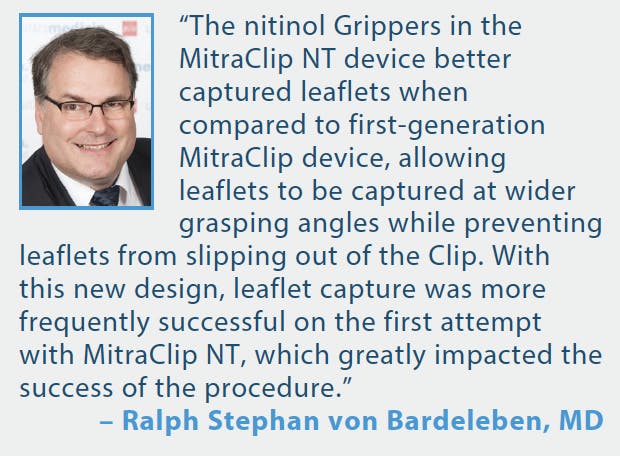
In the MitraClip NT device design, the gripper material was changed from Elgiloy to super-elastic nitinol, and the gripper hinge design was updated to optimize how leaflets were captured by the gripper. As shown in Figure 8, the gripper design change in MitraClip NT allowed the grippers to drop fully onto the Clip arms, which ensured better leaflet capture within the Clip. This new nitinol gripper design, with FEs designed for deep leaflet insertion, greatly reduced the chance for leaflets to slip out of the Clip during leaflet capture or during subsequent closure of the Clip arms.
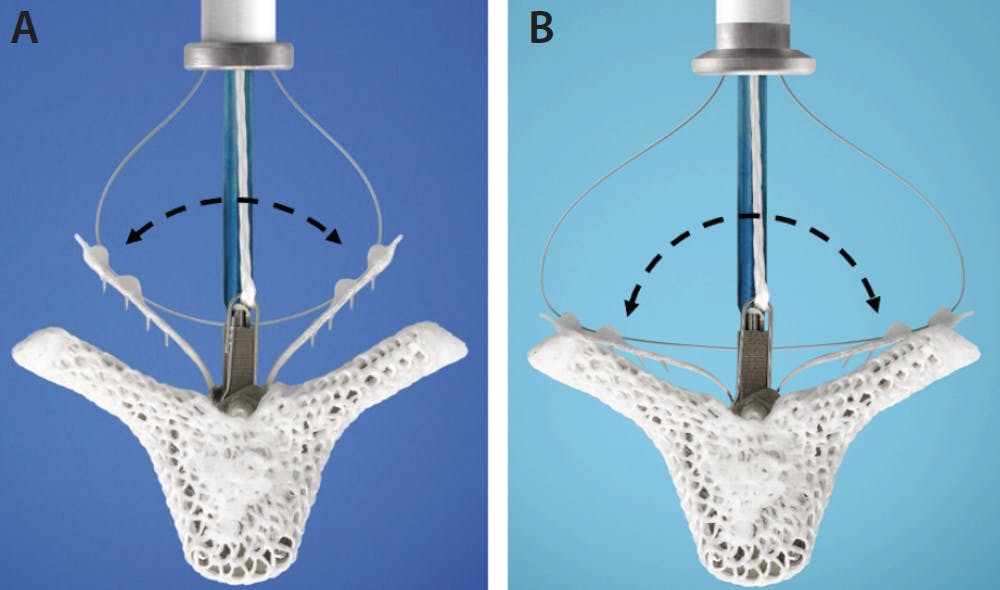
Figure 8. Gripper drop angle differences between the first-generation MitraClip™ Elgiloy gripper lowered to 85° (A) and the second-generation MitraClip™ NT nitinol gripper lowered to 120° (B).
Bench tests were developed at Abbott to evaluate the capture efficiency of the MitraClip NT design under various anatomic challenge conditions (mimicking both primary and secondary MV disease) and the benefit of the new nitinol gripper design was clearly demonstrated. Leaflet tissue was more fully captured within the Clip arms with the MitraClip NT device and better retained within the Clip.1 In simulated use testing, fewer grasping attempts were needed to successfully capture leaflets with the MitraClip NT device when compared to MitraClip across a wide range of scenarios, and the benefit of the MitraClip NT gripper design was especially significant in challenging anatomic scenarios including large leaflet prolapse or flail heights and cases with large coaptation gaps.
In addition to the new nitinol gripper design, the steerable sleeve was redesigned for the MitraClip NT device to increase the stability and responsiveness of the CDS. The compressive stability of the sleeve was enhanced, and steering cables within the catheter were updated to improve articulation and responsiveness of the system’s steering.2 These changes made the NT sleeve even more predictable during use, allowing users to more effectively steer and position Clips onto the MV of their patients.
1. Data on file at Abbott.
2. Haude M. Transcatheter mitral valve repair: today and tomorrow. Presented at: Gulf PCR; December 13-14, 2017; Dubai, United Arab Emirates.
The Third-Generation MitraClip™ Device: MitraClip™ NTR/XTR
MITRACLIP NTR/XTR: IMPROVED LEAFLET GRASPING AND SYSTEM STABILITY
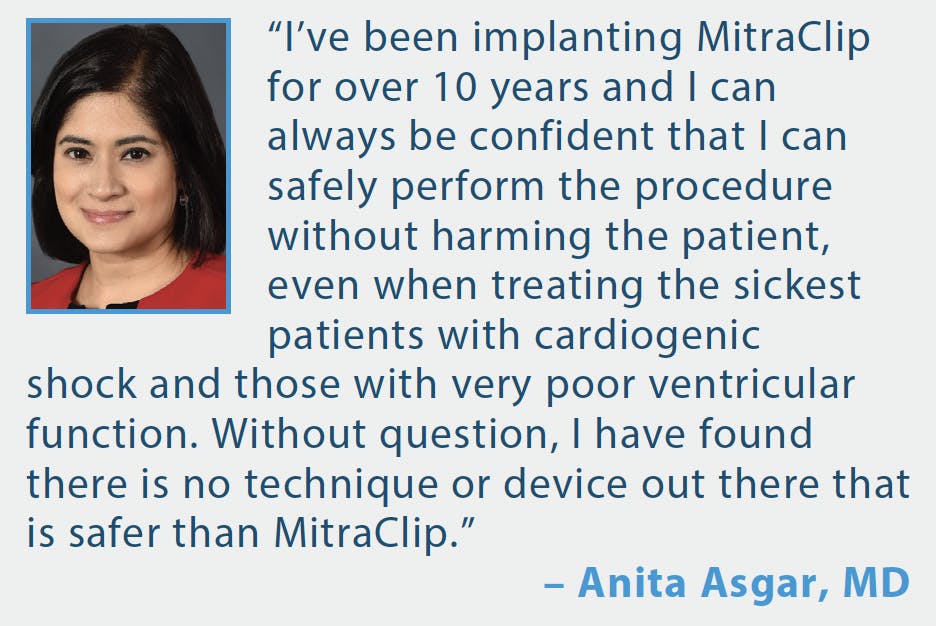
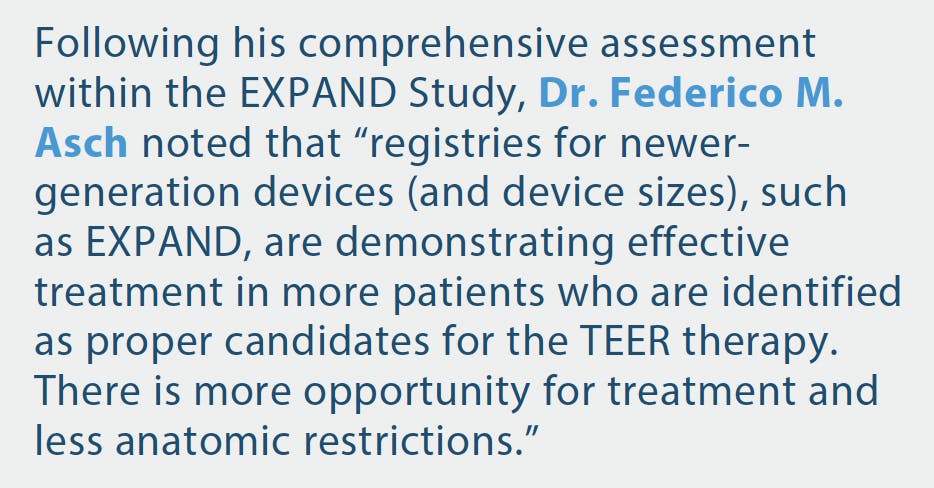
MitraClip NT device provided a significant improvement in leaflet capture over the first-generation MitraClip device, but larger leaflet gaps and longer redundant leaflets were still challenging to efficiently treat. Large flail widths and flail gaps were also identified as independent predictors of recurrent MR and reintervention.1,2 Thus, Abbott focused its efforts on increasing the amount of leaflet grasped while improving device stability and trajectory during grasping. Abbott incorporated these improvements in the third-generation device—MitraClip NTR/XTR system—in 2018, which added a new longer-arm Clip size (XTR) and introduced delivery catheter shaft stability improvements. The benefits of these features were evaluated in the EXPAND Post Market Clinical Follow-up (PMCF) study, which was initiated for the MitraClip XTR device as a condition of regulatory approval for the MitraClip NTR/XTR system. EXPAND enrolled 1,041 patients (50.5% PMR and 49.5% SMR) who underwent mitral TEER according to regional guidelines and indications with follow-up at 1-year postprocedure. Relative to prior device generation trials results,3,4 EXPAND observed improved postprocedural MR severity (89% MR ≤ 1+ in EXPAND relative to 55% MR ≤ 1+ in EVEREST II HRR and REALISM registries) and reduced median procedure times (46 min in EXPAND vs 112 min in REALISM). In addition, an extremely low rate of adverse events was reported, and quality-of-life improvement was demonstrated per Kansas City Cardiomyopathy Questionnaire. Functional capacity per New York Heart Association functional class was also measured and observed an improvement relative to previously reported outcomes after treatment with previous device generations.
Key Design Features Studied in EXPAND
Longer Arm Clip Size to Efficiently and Safely Treat a Broad Range of Anatomies
The added MitraClip XTR Clip size was developed with 3-mm-longer Clip arms to help implanters more easily repair valve pathologies with severe prolapse and larger coaptation gaps. This longer Clip arm length increased the grasping width of the Clip from 17 to 22 mm (Figure 9). This small but very meaningful change meant that users could achieve more leaflet coaptation with fewer capture attempts and achieve greater MR reduction with a single Clip.5 In addition to the Clip arm length increase in the XTR Clip, the nitinol gripper was also lengthened, increasing the number of FE rows from four to six. The MitraClip XTR Clip size allowed for over 1 cm of coapted leaflet length mimicking the suture depths reported in surgical edge-to-edge tissue approximation.6,7
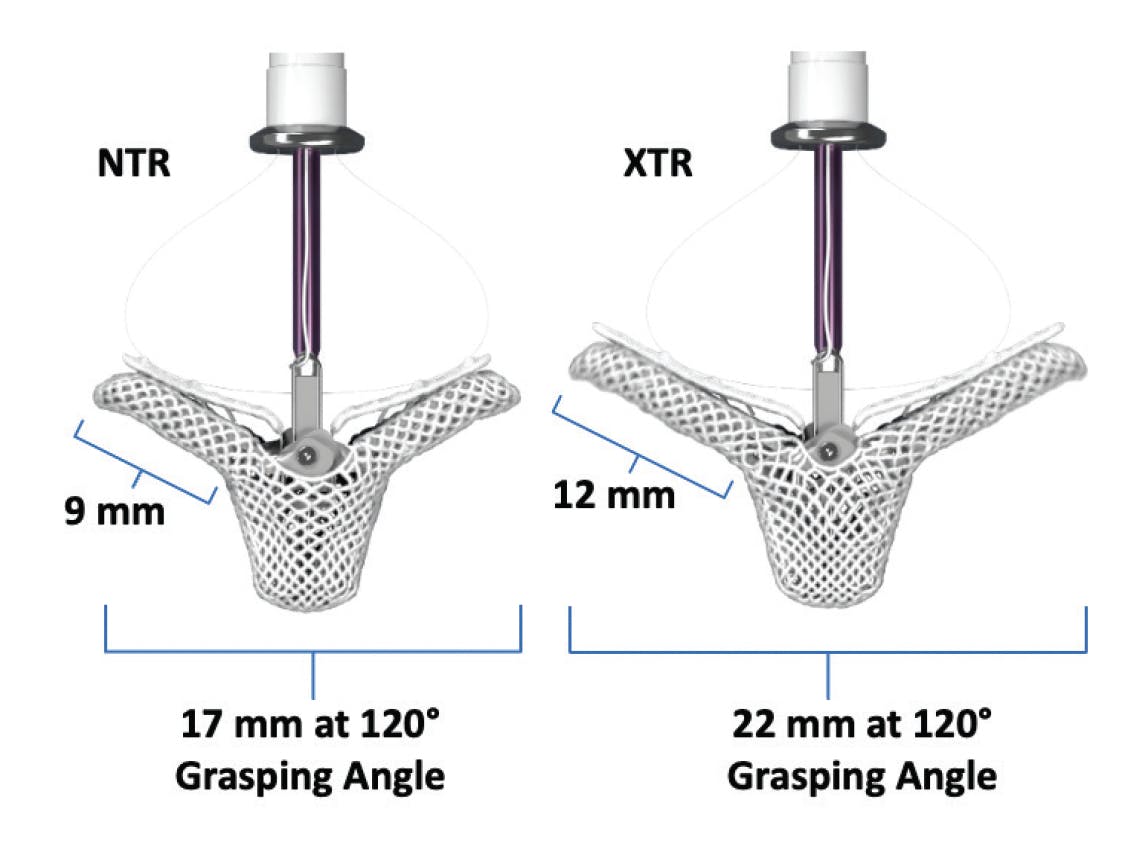
Figure 9. The third-generation MitraClip™ device with increased grasping width options with NTR and XTR Clip sizes.
The engineering of the new longer MitraClip XTR Clip size (Figure 9) was extensive and included the following tests to evaluate the impact of longer Clip arms on leaflet capture performance, hemodynamic performance, and leaflet integrity.
Improved leaflet capture performance. Abbott’s engineering teams confirmed that MitraClip XTR’s longer Clip arms enabled more efficient leaflet capture in a range of bench models. In simulated-use testing scenarios, fewer grasping attempts were needed to successfully capture leaflets with the MitraClip XTR device when compared to the MitraClip NT device, with more FEs being engaged into the tissue during simulated use.5 The addition of the MitraClip XTR Clip size demonstrated clear benefits in the EXPAND trial, as implanters more efficiently treated patients with reduced procedure times and with a reduced number of Clips implanted compared to prior trials. The increased amount of leaflet coaptation achievable when adding the MitraClip XTR Clip size also correlated with improved MR severity after Clip implantation with 89% of patients having MR ≤ 1+ after discharge.3,4
Effective hemodynamic performance. The XTR Clip size achieved 44% more coaptation area when compared to MitraClip NT, enabling 11% more MR reduction with a single Clip.5 Furthermore, the XTR Clip size did not increase the risk of mitral stenosis. Computational modeling and bench flow models were employed to confirm that the added longer MitraClip arm size would not increase the risk of an elevated transmitral gradient (a measure of mitral stenosis). Even when deploying in a small valve model (4 cm2), the highest measured transvalvular gradient for the XTR Clip size was found to be 3.24 mm Hg,5 which falls well within the mean pressure guideline limit of 5 mm Hg.8 This finding was confirmed in the EXPAND trial, where the addition of the XTR Clip size contributed to improved MR reduction and was not associated with elevated gradients, being especially useful and effective in cases with smaller annular dimensions in primary disease.9
Leaflet integrity. The goal of TEER is to restore coaptation while maintaining leaflet integrity, and the MitraClip XTR device has consistently demonstrated it is safe on leaflets. Leaflet tension applied by the MitraClip XTR device was characterized experimentally with diseased, cadaveric leaflet tissue obtained from human donors with HF. The force experienced by leaflets during Clip closure was measured under worst case conditions and found to be well below the force threshold at which leaflets begin to tear. Specifically, the tissue tear force was determined to be 3.76 times higher than the tensile force applied by the MitraClip XTR device during Clip closure.5 This test result is in alignment with the EXPAND study, where the adjudicated rate of leaflet tear or perforation was found to be extremely low at 0.4%.10
As EXPAND was an all-comers study, patients with complex anatomies were treated if the heart team assessed the patient as suitable for TEER. A total of 18% of subjects were deemed to have a complex MV anatomy by the central echocardiographic core laboratory (ECL). The newly added longer Clip size, XTR, was used more frequently than NTR. At least one XTR Clip was used for treatment of 64% PMR patients, whereas 59% of SMR patients were treated with at least one NTR Clip. The average number of Clips implanted per patient was 1.5, which was lower than the Clip rate of previous generations. Anatomic complexity was similar between patients treated with the two Clip sizes, although subjects treated with XTR had larger prolapse gaps, larger flail gaps, larger annular and ventricular dimensions, greater baseline MR grade, and larger coaptation depth compared with subjects with NTR.11
The reduction in MR following treatment with NTR/XTR was maintained during follow-up with 84.5% and 93% of patients with PMR and SMR achieving an MR grade of 1+ at 1 year. The use of the new MitraClip XTR Clip size was found to be especially useful and effective in the treatment of severe primary valve disease.5 This finding agrees with the historical surgical practice of employing longer suture bites in edge-to-edge surgical repair in cases with more leaflet redundancy (such as Barlow disease) and more severe leaflet prolapse.6,7
Improved Delivery Catheter Shaft for Precision and Control
The delivery catheter shaft was redesigned for the MitraClip NTR/XTR device to improve the shaft’s rotational stability and to ensure a straighter trajectory when advancing a Clip across the MV.5 This design change replaced the five metallic helical lumens in the original delivery catheter shaft design with a 5-lumen solid polymer core.12 The new shaft core material and its processing were selected to optimize the shaft flexural (bending) stability, and an internal compression coil was included in the design to maintain the straight trajectory of the shaft when advancing a Clip across the valve. In addition, an outer metallic braid design was included and optimized to provide rotational stability and more precise torque control of the Clip when the user rotates the device handle.
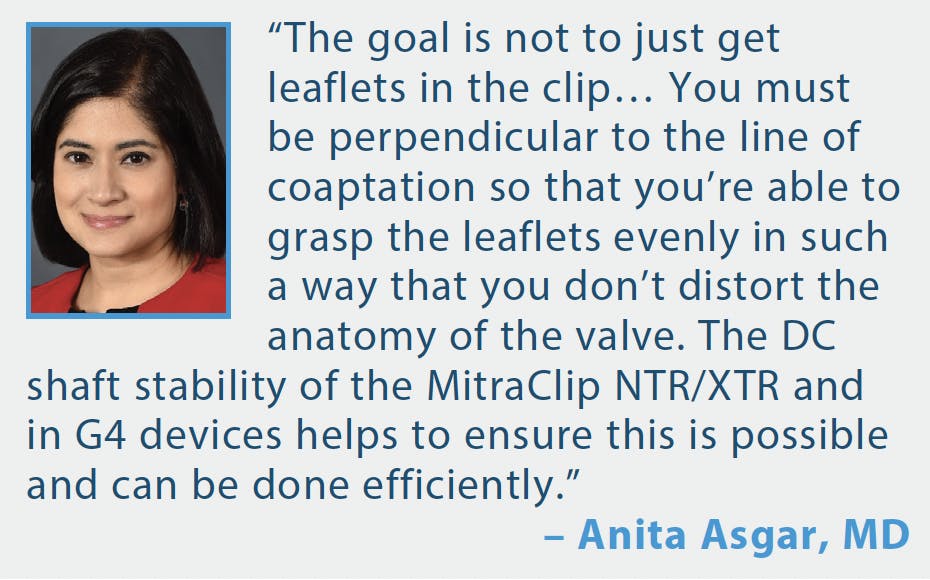
The new NTR/XTR delivery catheter shaft design was combined with an improved lock line made of ultra-high molecular weight polyethylene having both increased creep resistance and optimized force transmission to the implant. With these enhancements, this more robust NTR/XTR system could now be used with the Clip being unlocked during the majority of the procedure. This meant fewer unlocking and relocking steps were needed during the procedure, which enabled a significant reduction in procedure time. Successful Clip implantation rate in the EXPAND study was 98.9%, and the acute procedural success defined as Clip implantation with MR ≤ 2+ was 96% with a low median device time of only 46 minutes.11
SUMMARY
The combination of a more precise delivery catheter and the added utility of the XTR Clip size option meant users could position, grasp, and deploy the Clip more efficiently. Users reported the advantages of the third-generation system, discussing shorter procedure times with successful Clip positioning on the first grasp in the majority of cases (56.5%).13 The improved stability of the delivery catheter enabled users to more easily treat pathologies with large dynamic gaps between the leaflets5 and delivery catheter extension length was increased to enable users to achieve procedural success with a system that was now more forgiving to a high transseptal puncture location and in very dilated atria.5,13
1. Grasso C, Capodanno D, Scandura S, et al. One- and twelve-month safety and efficacy outcomes of patients undergoing edge-to-edge percutaneous mitral valve repair (from the GRASP registry). Am J Cardiol. 2013;111:1482-1487. doi: 10.1016/j.amjcard.2013.01.300
2. Lesevic H, Karl M, Braun D, et al. Long-term outcomes after MitraClip implantation according to the presence or absence of EVEREST inclusion criteria. Am J Cardiol. 2017;119:1255-1261. doi: 10.1016/j.amjcard.2016.12.027
3. Feldman T, Lim D, Fail P, et al. The EVEREST II REALISM Continued Access study: five year outcomes in high surgical risk patients. Abstract Euro18A-OP054. Presented at: EuroPCR 2018; May 22-25; 2018; Paris, France.
4. Kar S, Rottbauer W, Mahoney P, et al. Core-lab adjudicated contemporary clinical outcomes at 1 year with MitraClip™ (NTR/XTR) system from global EXPAND study. Presented at TCT; October 16, 2020; virtual event.
5. Data on file at Abbott .
6. De Bonis M, Alfieri O. The edge-to-edge technique for mitral valve repair. HSR Proc Intensive Care Cardiovasc Anesth. 2010;2:7-17.
7. Alfieri O, Maisano F, De Bonis M. The edge-to-edge repair. Multimedia Man Cardiothorac Surg. 2005. doi: 10.1510/mmcts.2004.000869
8. Baumgartner H, Hung J, Bermejo J, et al. Echocardiographic assessment of valve stenosis: EAE/ASE recommendations for clinical practice. J Am Soc Echocardiogr. 2009;22:1-102. doi: 10.1016/j.echo.2008.11.029
9. Maisano F, von Bardeleben RS, Lurz P, et al. Clip selection strategy and outcomes with MitraClip™ (NTR/XTR): evidence-based recommendations from the global EXPAND study. Presented at: EuroPCR 2020 e-Course. Virtual event.
10. Asch FM, Little SH, Mackensen GB, et al. Incidence and standardised definitions of mitral valve leaflet adverse events after transcatheter mitral valve repair: the EXPAND study. EuroIntervention. 2021;17:e932-e941. Published December 3, 2021. doi: 10.4244/EIJ-D-21-00012
11. Kar S, von Bardeleben RS, Rottbauer W, et al. Contemporary outcomes following transcatheter edge-to-edge repair: 1-year results from the EXPAND study. JACC Cardiovasc Interv. 2023;16:589-602. doi: 10.1016/j.jcin.2023.01.010
12. Krone RT, Valencia F, Gada M, inventors; Evalve, Inc., assignee. Delivery catheter systems, methods, and devices. US Patent 10413408B2. September 17, 2019.
13. Mollmann H, Bayer M, Blumenstein J, et al. First experience with new MitraClip NTR/XTR device. Struct Heart. 2019;3:288-295. doi: 10.1080/24748706.2019.1618512
The Fourth-Generation MitraClip™ Device: MitraClip™ G4
MITRACLIP G4: FOUR CLIP SIZES, CONTROLLED GRIPPER ACTUATION, AND AUTOMATIC GRIPPER LINE DETACHMENT
With the MitraClip NTR/XTR platform, procedure volumes increased as users were able to treat more challenging valve pathologies. Having two available Clip sizes allowed users to choose the best Clip for each case, with longer Clip arms being favored for larger gaps and/or longer leaflet lengths. Even with the longer Clip arms, users still frequently needed to implant multiple Clips (1.5 Clips were implanted on average in EXPAND) to fully treat wide regurgitant jets. It was noted that grasping leaflets in the most challenging cases could be further improved. These insights led to multiple design enhancements that would be included in the fourth generation product, the MitraClip G4 system.
Similar to the EXPAND postmarket study, the EXPAND G4 PMCF study was initiated to generate global contemporary evidence with the fourth-generation MitraClip G4 system and understand the clinical impact of use of the new features.1 The EXPAND G4 trial enrolled 1,164 patients (PMR and SMR) who underwent mitral TEER according to regional guidelines/indications in the United States, Europe, Canada, and Japan and allowed users to make use of the following design features.
Wider arm Clip sizes allow for tailored patient-specific treatment. To help implanters achieve better outcomes in repairing wide regurgitant jets with fewer Clips, two new wider Clip arm designs were introduced as part of the MitraClip G4 family of devices, which increased the width of the NT and XT Clip arms from 4 to 6 mm. As shown in Figure 10, the added NTW and XTW Clip sizes were now 50% wider than the NT and XT Clips, respectively. The widest portion of the new NTW and XTW Clip arms is intentionally located in the region where the leaflets coapt and where the tissue is well secured by grippers. This efficient change in arm geometry maximizes MR reduction with a minimal increase in the implant size (Figure 11). The Clips are designed to be placed immediately adjacent to one another without interference to maximize reduction of MR and optimize MV gradients. With the MitraClip G4 system, four Clip sizes are now available to the user to tailor valve repair to the specific valve lesion being treated.
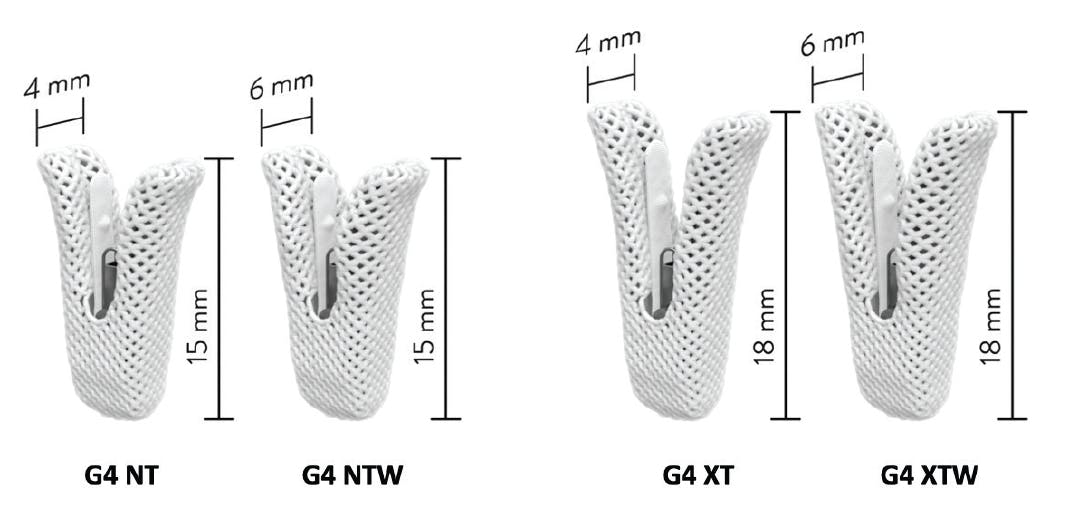
Figure 10. Four MitraClip™ fourth-generation Clip sizes with width and length dimensions shown for each Clip size.

Figure 11. MitraClip™ G4 arm design is widened in the coaptation zone where tissue is secured by gripper FEs.
Small changes, big impact. A regurgitant flow model was used to quantify the differences in effectiveness between Clip sizes, and the wider NTW and XTW Clip sizes were both found to reduce MR approximately 21% more than the NT and XT Clip sizes, respectively (Figure 12).2 In EXPAND G4, MR was significantly reduced at 30 days compared to baseline (98% achieved MR ≤ 2+ and 91% MR ≤ 1+; P < .0001). In addition, computational modeling and benchtop forward flow testing in a simulated MV were used to evaluate the potential risk of mitral stenosis, and the largest device size (XTW) was found to pose a minimal risk.2 EXPAND G4 demonstrated that contemporary use of the fourth-generation NTW and XTW implants in appropriately selected patients, despite having wider Clip arms, did not increase the MV gradient postprocedure at 30 days (ECL-assessed) compared with the standard arm width (4 ± 2 mm Hg for NTW, 3.5 ± 1.7 mm Hg for XTW, and 3.8 ± 1.9 mm Hg for all Clip types). The composite major adverse event rate was 2.7%, and the all-cause death rate was the lowest ever reported at 1.3% at 30 days.1
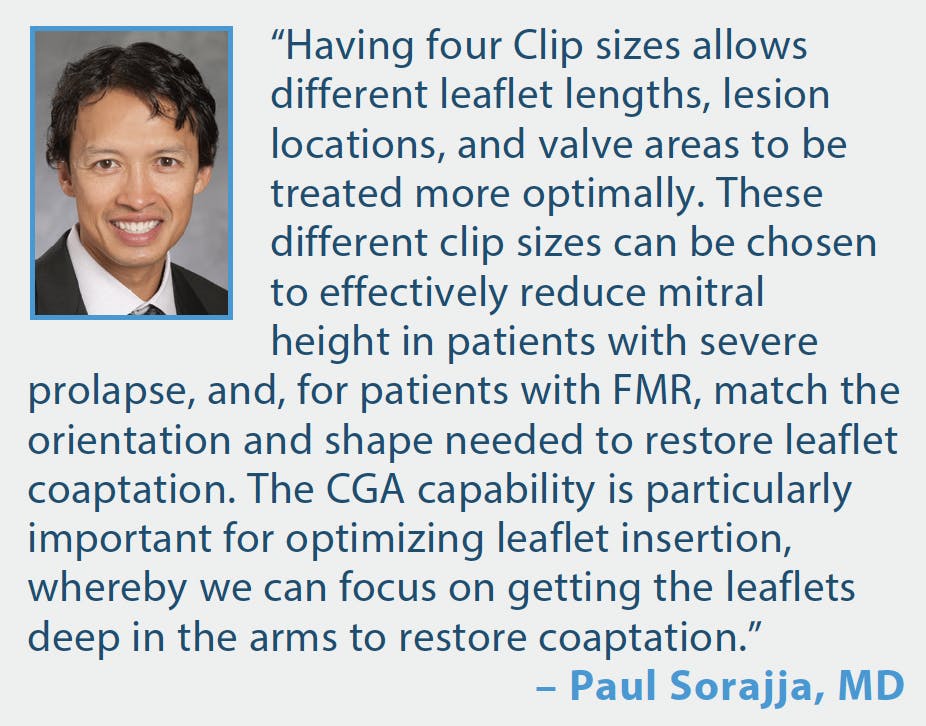
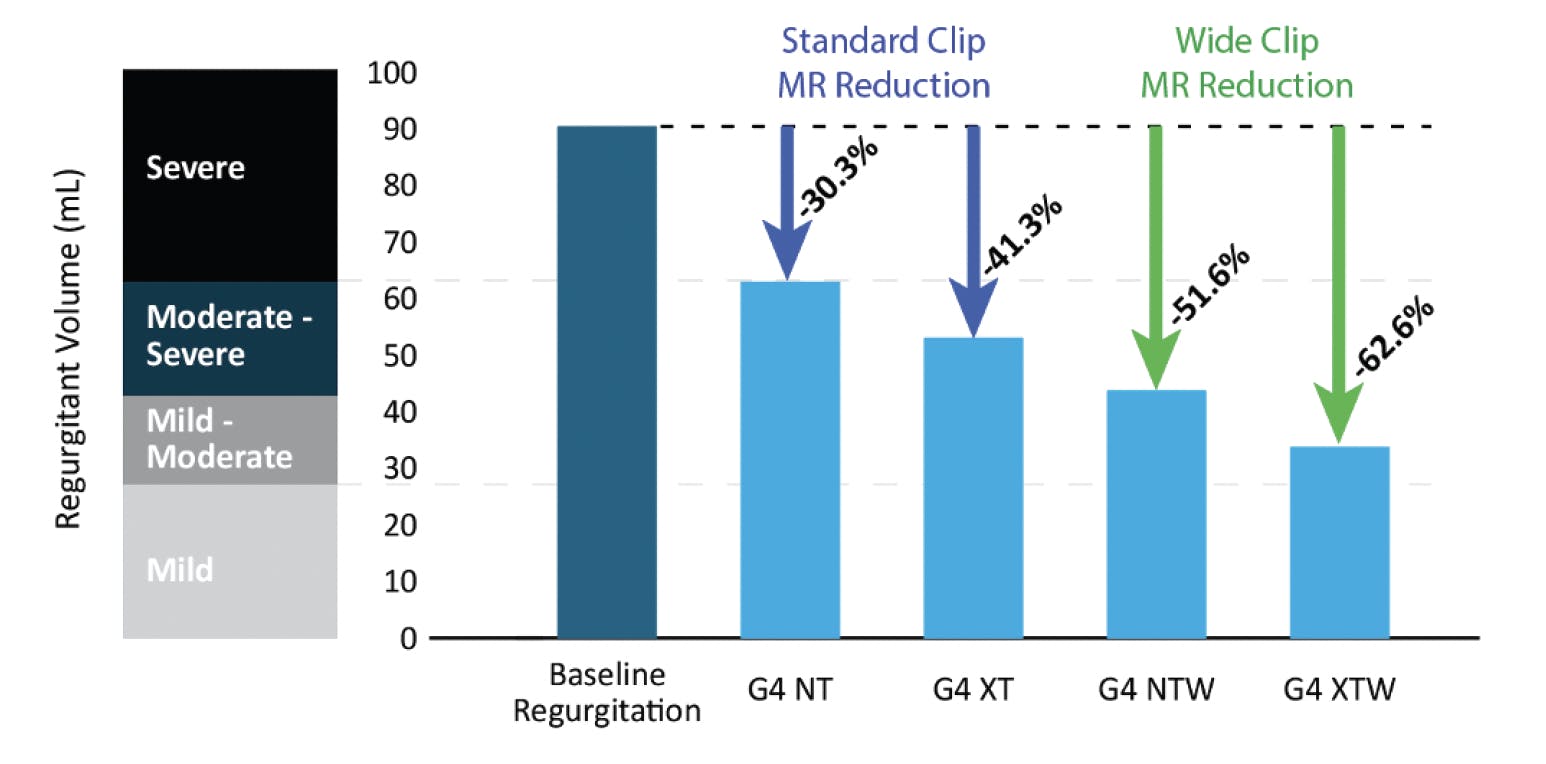
Figure 12. Regurgitant flow test results for standard and wide G4 Clip sizes.
Expanding the toolbox for the most tailored repair to date. Within the EXPAND G4 Study, an average of 1.4 Clips were implanted per subject, which was lower than the 1.5 Clips per subject in the prior EXPAND study. Sixty-five percent of the patients enrolled were successfully treated with one Clip, 31% with two Clips, and the remaining 4% with three or more Clips. Overall, 14 different Clip combinations were applied, from which 11 included a wide Clip. When Clip usage is compared across geographic regions, the benefit of four Clip sizes as tailored to patient anatomy is clearly observed (Figure 13). Specifically, the NT Clip size was frequently used with other previously implanted Clips to optimize a repair while minimizing any impact to the gradient. In addition, this smallest Clip size (NT) was used more frequently in the Asia Pacific region (19% of PMR cases) where valve anatomies tend to be smaller.3 Because the MitraClip design incorporates arms with appropriate flexural rigidity and controlled arm angle closure, the use of different Clip sizes provides predictable results for the user in terms of MR reduction and mitral gradient, despite varying patient anatomies. This is evident in Figure 13, which indicates users select any of the four Clip sizes during the MitraClip TEER procedure to optimize the repair.4
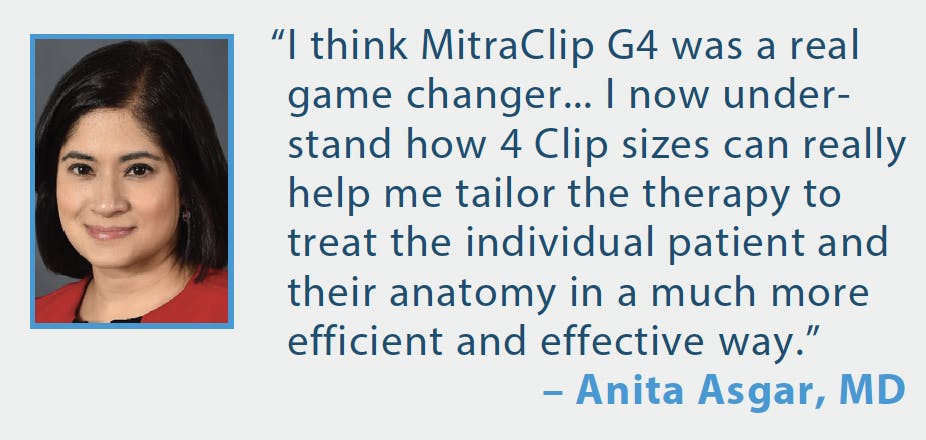
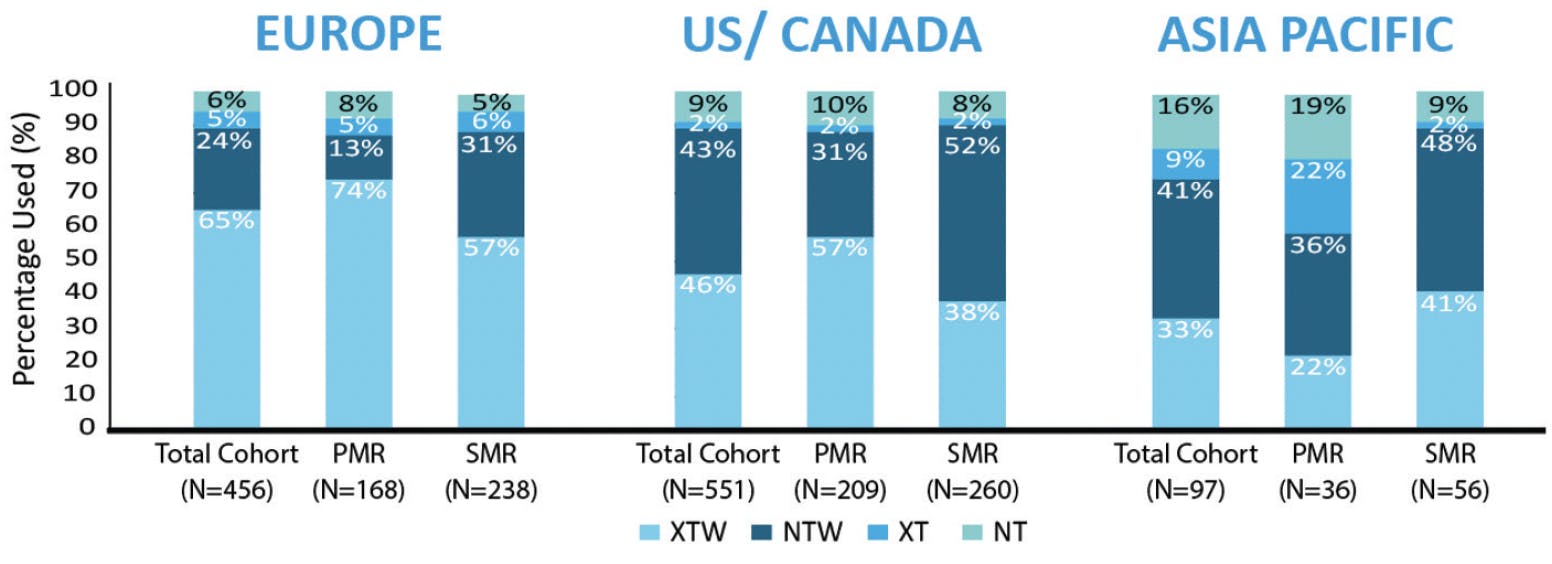
Figure 13. MitraClip™ G4 Clip size usage across different geographies in EXPAND G4.4
Controlled gripper actuation (CGA) to optimize leaflet capture. To improve the user’s ability to obtain full leaflet capture, the MitraClip G4 system added independent leaflet capture capability (Figure 14). This new feature gave users the ability to capture leaflets independently or simultaneously and provided a tool to optimize leaflet insertion on one side of the Clip without jeopardizing the leaflet captured on the other side of the Clip. In some anatomies, it has also been found useful to perform the initial grasp independently. With independent grasping, users can capture the optimal amount of leaflet in the clip, thus maximizing leaflet coaptation and MR reduction.
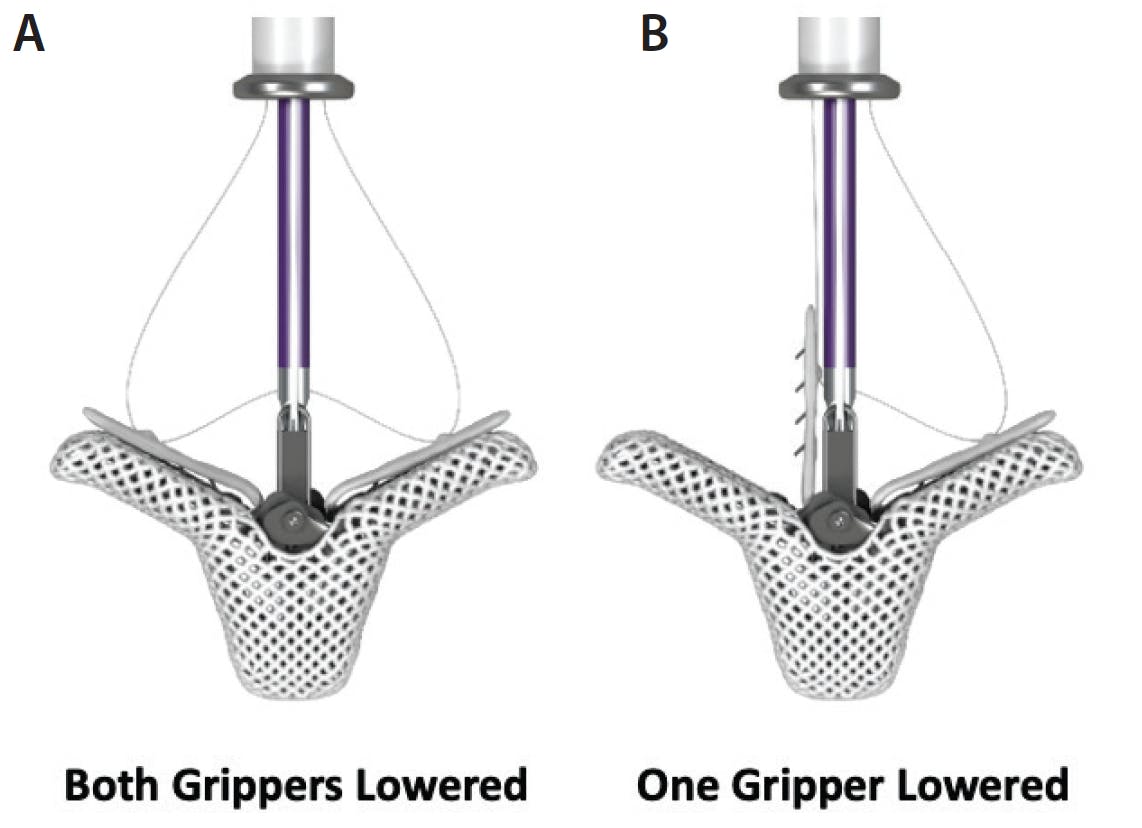
Figure 14. MitraClip™ G4 independent leaflet capture functionality allows the user to lower both grippers simultaneously (A) or lower one gripper at a time (B).
CGA provides users added flexibility when operating the grippers. CGA has resulted in significant ease of use improvements, especially in challenging cases that were tested by device users in benchtop ex vivo beating heart models. Different pathologies, like large coaptation gaps, were simulated, and CGA was shown to be effective at achieving increased levels of leaflet insertion with fewer capture attempts.2 After repeated grasping and capture cycles, all leaflet tissue was judged to be free of damage by a certified surgeon.2 In real-world use, independent leaflet capture was shown to be safe and effective at capturing leaflets in the EXPAND G4 study, with independent leaflet capture being employed in nearly one-quarter of cases. With its independent leaflet capture capability, the use of the MitraClip G4 device in EXPAND G4 resulted in a lower rate (1.1%) of single leaflet device attachment (SLDA) when compared with the already low rate previously reported (1.7%) for the prior MitraClip NTR/XTR device generation in EXPAND, and the use of the wider G4 XTW Clip size was associated with zero cases of leaflet injury.1,8,9
Automatic gripper line detachment. In the first three MitraClip device generations, the user was required to remove the continuous gripper line after rotating the actuator mandrel to unthread and detach the Clip from the delivery catheter as part of the Clip deployment procedure. With the CGA design change in the MitraClip G4 system, the gripper line removal step was eliminated from the procedure. The two gripper lines automatically disengage from the L-Lock as the user rotates the actuator to unthread the Clip. The user then raises the gripper levers to retract the gripper lines away from the Clip and the Clip fully deploys as the user retracts the delivery catheter.
In EXPAND G4, implantation and acute procedural success rates were 98% and 96%, respectively, with a median procedure time of 77 minutes and a median device time of 35 minutes. This is the shortest device time to date when compared to historical MitraClip clinical studies (Figure 15).1,5
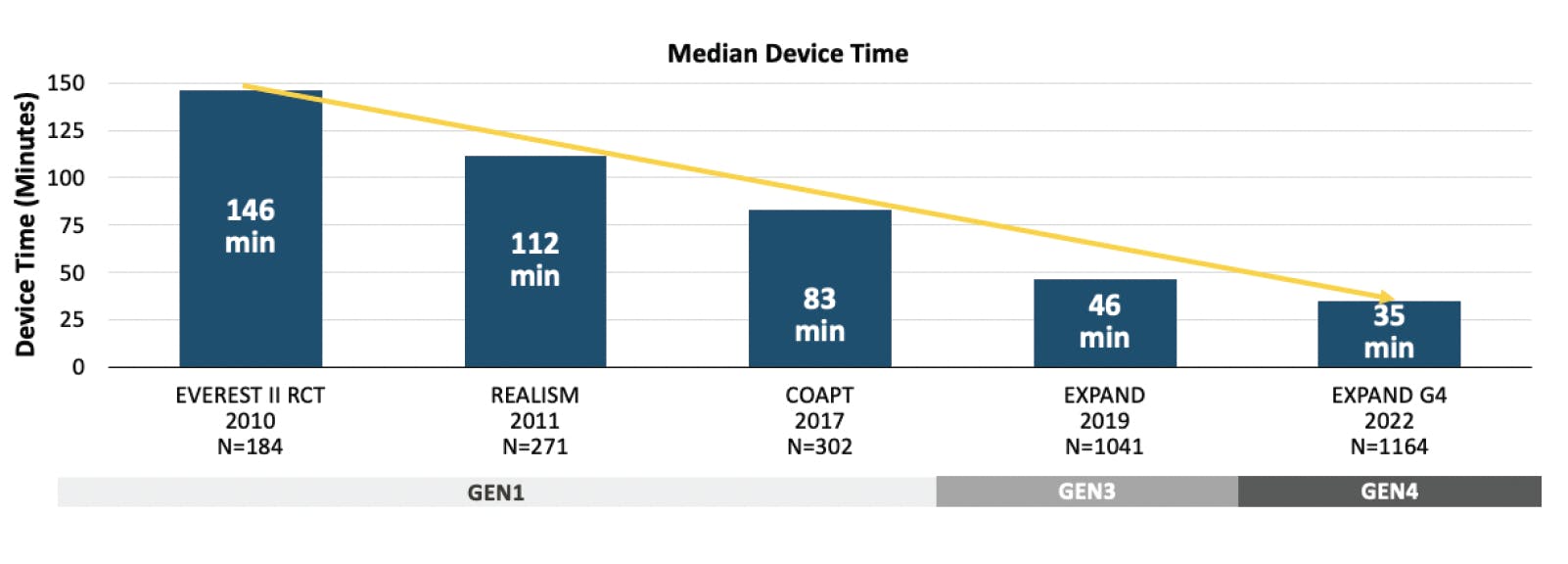
Figure 15. Reduction in device times across historical MitraClip™ device clinical studies demonstrates improved procedural efficiency and the shorter device times with newer device generations.1,5-8
SUMMARY
The combination of design features included in the fourth-generation MitraClip system were intended to work together to improve the versatility and efficiency of the MitraClip procedure. The addition of two wider Clip sizes now provided physicians a family of four Clip sizes to choose from to optimize MR reduction when treating different valve sizes, leaflet lengths, and regurgitant jet widths. Leaflet grasping and capture was made easier with the added ability to operate the grippers independently, and the deployment procedure was streamlined to reduce the steps the user was asked to perform. The device preparation procedure was simplified, and additionally, channels were added to the soft tip of the steerable guide catheter to enable left atrial pressure monitoring during the procedure. The benefits of these G4 features have been measured and demonstrated in the EXPAND G4 postmarket study and described in the literature for clinical scenarios with valve anatomic complexity.10 Even with faster procedure times and fewer Clips per case, greater MR reduction at 30 days was achieved in EXPAND G4 compared to EXPAND (paired analysis of patients with baseline MR ≥ 3+ shows reduction to ≤ 1+ in 89.0% vs 83.0% of patients; P = .02). Importantly, almost one-third of the patient population treated achieved MR reduction to none/trace (29.0% vs 19.0% in EXPAND; P < .001). This greater MR reduction with the MitraClip G4 system, as compared with historical MitraClip clinical studies (Figure 16),1,5-8 may be attributed to the additional wider Clip sizes that provide increased coaptation, the use of four Clip sizes to tailor a repair to each anatomy, and the added ability for users to optimize leaflet capture. In nearly one-quarter of the cases in EXPAND G4 (23.6%), users independently captured leaflets either to further optimize leaflet capture after a first simultaneous capture attempt (19.0% of cases) or when independently capturing leaflets (4.6% of cases).1
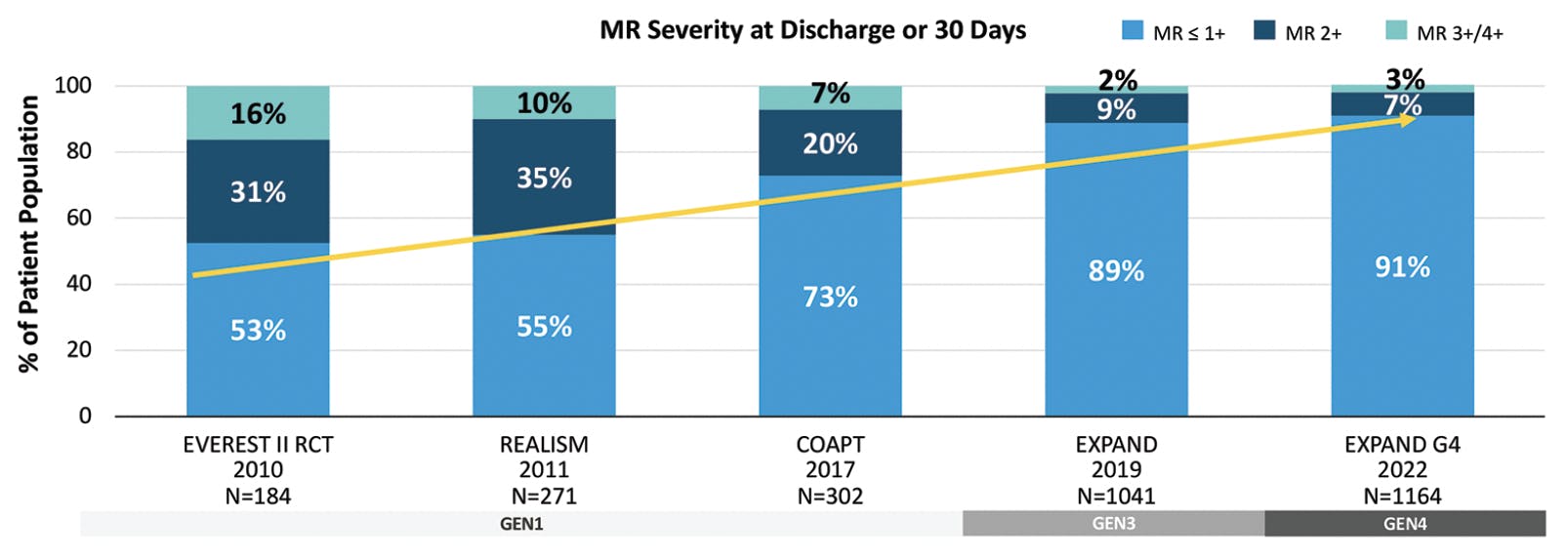
Figure 16. Clinical studies demonstrate improved MR reduction with the latest generations of the MitraClip™ device, including the highest MR reduction in TEER to date with 91% of patients achieving MR ≤ 1+.1,5-8
1. von Bardeleben RS, Rogers JH, Mahoney P, et al. Real-world outcomes of fourth-generation mitral transcatheter repair: 30-day results from EXPAND G4. JACC Cardiovasc Interv. 2023;16:1463-1473. doi: 10.1016/j.jcin.2023.05.013
2. Data on file at Abbott.
3. Henry MP, Cotella J, Mor-Avi V, et al. Three-dimensional transthoracic static and dynamic normative values of the mitral valve apparatus: results from the multicenter world alliance societies of echocardiography study. J Am Soc Echocardiogr. 2022;35:738-751.e1. doi: 10.1016/j.echo.2022.02.010
4. Maisano F, Denti P, Mahoney P, et al. Clip selection strategy with 4th generation MitraClip™: evidence-based recommendations from the Global EXPAND G4 study. Presented at: PCR London Valves; November 27-29, 2022; London, United Kingdom.
5. Feldman T. Final results of the EVEREST II randomized controlled trial of percutaneous and surgical reduction of mitral regurgitation. Presented at: ACC; March 29-31, 2014; Washington, DC.
6. Feldman T. The EVEREST II REALISM continued access non-high risk study: mid- and long-term follow-up in surgical candidates. Presented at: ESC Congress; August 26-30, 2017; Barcelona, Spain.
7. Stone GW, Lindenfeld J, Abraham WT, et al. Transcatheter mitral-valve repair in patients with heart failure. N Engl J Med. 2018;379:2307-2318. doi: 10.1056/NEJMoa1806640
8. Kar S, von Bardeleben RS, Rottbauer W, et al. Contemporary outcomes following transcatheter edge-to-edge repair: 1-year results from the EXPAND study. JACC Cardiovasc Interv. 2023;16:589-602. doi: 10.1016/j.jcin.2023.01.010
9. Rinaldi M, Rottbauer W, Rollefson W, et al. Echo and safety outcomes with the NTW/XTW from the MitraClip™ G4 System: results from EXPAND G4. Presented at: PCR London Valves 2022; November 27-29; 2022; London, England.
10. Silva I, Turgeon PY, Paradis JM, et al. Percutaneous transcatheter edge-to-edge mitral valve repair with MitraClip system in the era of G4. Struct Heart. 2022;7:100114. doi: 10.1016/j.shj.2022.100114
Advertisement
Advertisement