Advertisement
Advertisement
March 31, 2025
Two-Year Data From TRILUMINATE Pivotal Study Presented for Abbott’s TriClip TEER System
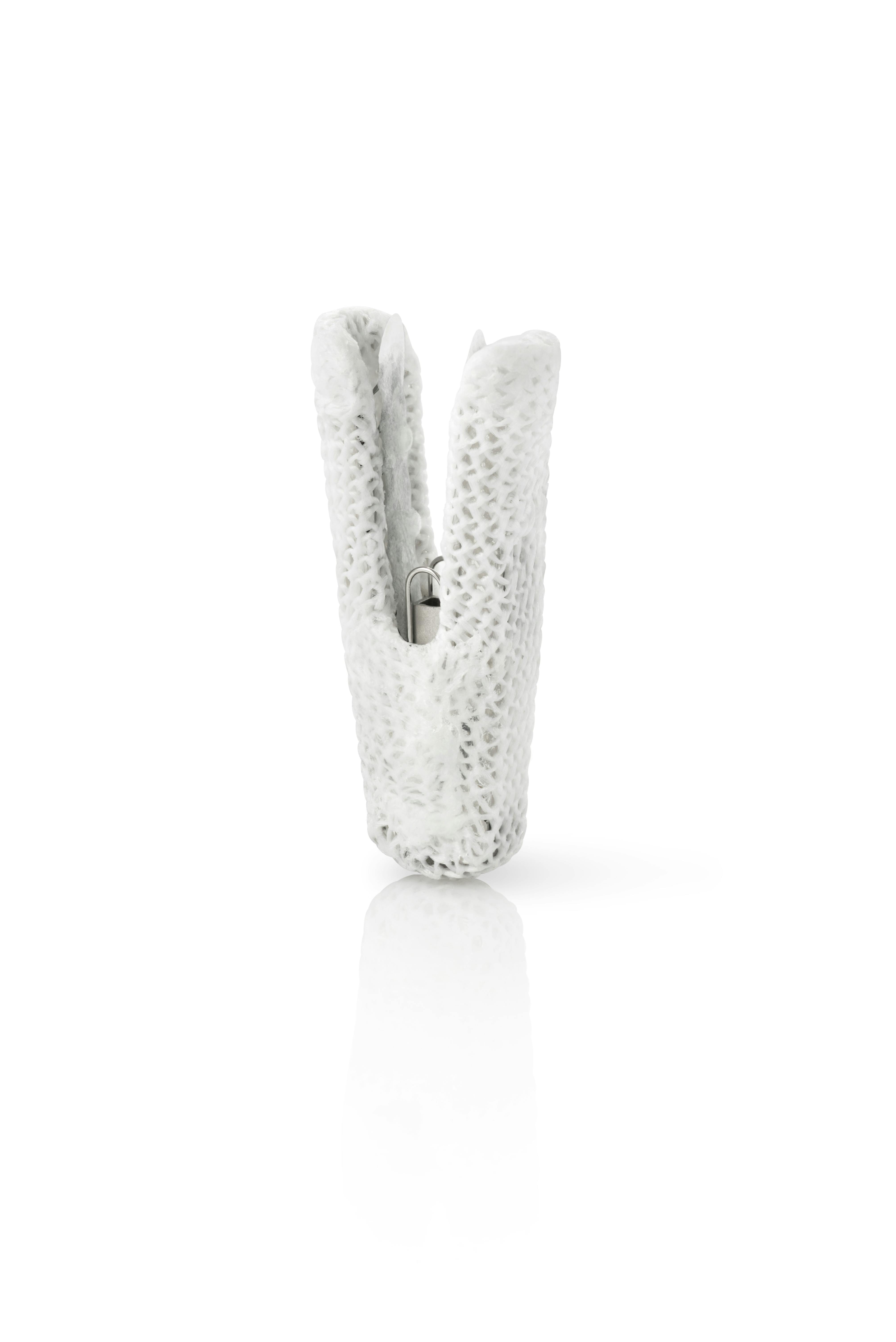 March 31, 2025—Abbott announced late-breaking data from its TRILUMINATE pivotal trial of the TriClip transcatheter edge-to-edge repair (TEER) system to treat tricuspid regurgitation (TR). The company noted that TriClip is approved for use in more than 50 countries, including in the United States, Europe, and Canada.
According to Abbott, the findings showed that the TriClip device provided substantial and sustained improvements in the severity of TR after 2 years. Additionally, the results demonstrated the TriClip device significantly reduced the rate of heart failure hospitalizations (HFH) compared to medical therapy, while offering long-term quality-of-life benefits for patients.
The data were presented at ACC.25, the American College of Cardiology’s annual scientific session held March 29-31 in Chicago, Illinois, and simultaneously published by Saibal Kar, MD, et al online in Circulation.
Abbott stated that the TRILUMINATE pivotal trial is a randomized, controlled clinical study of the safety and effectiveness of transcatheter repair using the TriClip system compared to medical therapy alone in patients with severe TR. The study’s primary endpoint was a composite of all-cause mortality or tricuspid valve surgery, HFH, and quality-of-life improvement measured by the Kansas City Cardiomyopathy Questionnaire (KCCQ) score.
As summarized in Abbott’s press release, the TRILUMINATE pivotal study at 2 years found TriClip continued to demonstrate superiority compared to medical therapy while meeting the secondary endpoints of recurrent HFH and freedom from all-cause mortality, tricuspid valve surgery, and tricuspid valve intervention.
After the first year of the trial, patients in the control group (medical therapy) were allowed to cross over to receive TriClip therapy, and more than half (142 of 241 eligible patients) received TriClip, advised the company.
Additional 2-year findings from the TRILUMINATE pivotal trial were outlined by Abbott as follows:
- The rate of HFH was significantly lower in the treatment group compared to the control group (0.19 vs 0.26 events/patient-year; P = .02). Control patients who switched to TriClip treatment had a drop in HFH after receiving the device (0.5 vs 0.35 events/patient-year).
- Significant reduction in TR to moderate or less (grade ≤ 2) was achieved in 84% of patients with the device versus 21% of patients in the control group. Similar improvements were seen in the control group patients who crossed over, with 81% of patients achieving moderate or less TR at 30 days after receiving TriClip compared to 3% before crossing over.
- Patients who received TriClip achieved > 15-point improvement on average in the KCCQ score throughout follow-up. Patients in the crossover group achieved similar improvements in KCCQ score (+13 points on average) when implanted with TriClip.
“With the TRILUMINATE pivotal 2-year results, tricuspid TEER with the TriClip device for severe, symptomatic TR reduced HFHs compared to the control group,” commented Dr. Kar in Abbott’s press release. “Improvements in TR severity and quality of life were sustained through 2 years.”
Dr. Kar, who is from Los Robles Regional Medical Center in Thousand Oaks, California, continued, “When we combine this with the consistent quality-of-life improvements people who receive the TriClip system experience, it's clear that the benefits for patients with TR are very meaningful and TriClip offers a safe, effective, and sustainable way to repair the tricuspid valve.”
Advertisement
Advertisement
