Advertisement
Advertisement
May 11, 2021
SMT’s Hydra Self-Expanding TAVR Device Evaluated in Published GENESIS Study
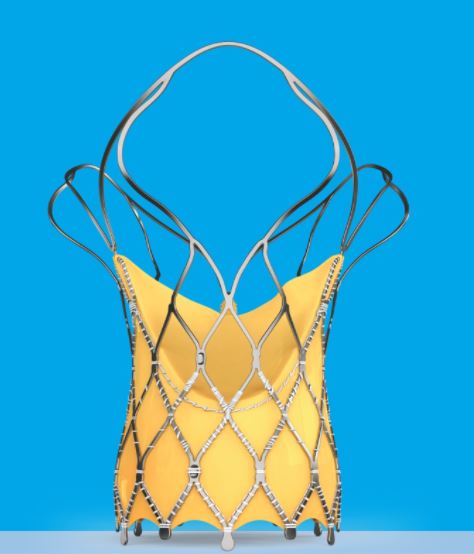 May 11, 2021—Sahajanand Medical Technologies Limited (SMT) announced that the 6-month follow-up results of the company’s Hydra self-expanding transcatheter aortic valve in the GENESIS study were published by Praveen Chandra, MD, et al in Catheterization and Cardiovascular Interventions.
The company stated that the findings demonstrated favorable and sustained 6-month safety and performance outcomes of the self-expanding Hydra device in patients with symptomatic severe aortic stenosis who were at high or extreme surgical risk. The GENESIS study was used to support regulatory approval of the device in India.
According to the company, GENESIS was a multicenter, prospective, single-arm, nonrandomized investigational study performed at 11 sites across India. The study was composed of 40 high-risk patients (age, 74.5 ± 6.7 years; 60% men; Society of Thoracic Surgeons Score, 5.6 ± 4.2%). The objective of the study was to assess the safety and performance of the Hydra transcatheter aortic valve in the treatment of symptomatic severe aortic stenosis in patients at high or extreme surgical risk.
Device success, defined by the Valve Academic Research Consortium-2 criteria, was achieved in 92.5% of the cases.
The analysis showed significant postprocedure improvement that was maintained at 6 months. There was a reduction of aortic pressure gradient from 53.5 ± 18.1 to 8.9 ± 4.9 mm Hg at 30 days and to 7.6 ± 2.7 mm Hg at 6 months (P < .0001). Aortic valve area improved from 0.7 ± 0.2 to 2.3 ± 0.6 cm2 at 30 days and to 2.2 ± 0.7 cm2 at 6 months (P < .0001).
Additionally, the rate of new permanent pacemaker implantation was 7.5% at 30 days and paravalvular leak of more than mild severity was not observed in any patient at the end of the procedure; this persisted up to 6-months follow-up. There were no cases of bioprosthetic valve embolization, stroke, or conversion to open heart surgery for a failed valve implantation.
The GENESIS study was chaired by Principal Investigator Praveen Chandra, MD, from Medanta–The Medicity in Gurugram, India, and cochaired by Professor Lars Søndergaard, MD, from Rigshospitalet in Copenhagen, Denmark.
In SMT’s press release, Dr. Chandra commented, “Hydra valve, a self-expanding repositionable device, has shown excellent echocardiographic and clinical outcomes at acute and long-term follow-up. It showed good durability and no increase in pacemaker implantation rates. The repositionability and flexibility of the valve are one of the best.”
Prof. Sondergaard added, “The novel Hydra transcatheter heart valve is designed to optimize outcomes when treating patients with severe aortic stenosis. This was tested in the Genesis trial, which recently was published in the American medical journal Catheterization and Cardiovascular Interventions.”
He continued, “The GENESIS study revealed an excellent hemodynamic performance with large effective orifice area and low transvalvular gradient when using the Hydra heart valve. Furthermore, the unique design of this heart valve also led to a very flexible system even in challenging patient anatomies, easy access to the coronary arteries, and low rate of new permanent pacemakers. These findings are important for treating physicians when choosing the best heart valve prosthesis for patients undergoing transcatheter aortic valve replacement (TAVR).”
Advertisement
Advertisement
