Advertisement
Advertisement
February 6, 2023
Sensydia’s Cardiac Performance System Studied to Develop Pulmonary Pressure Algorithms
February 6, 2023—Sensydia announced that it has completed a development study to collect data for the company’s artificial intelligence (AI)–powered, noninvasive Cardiac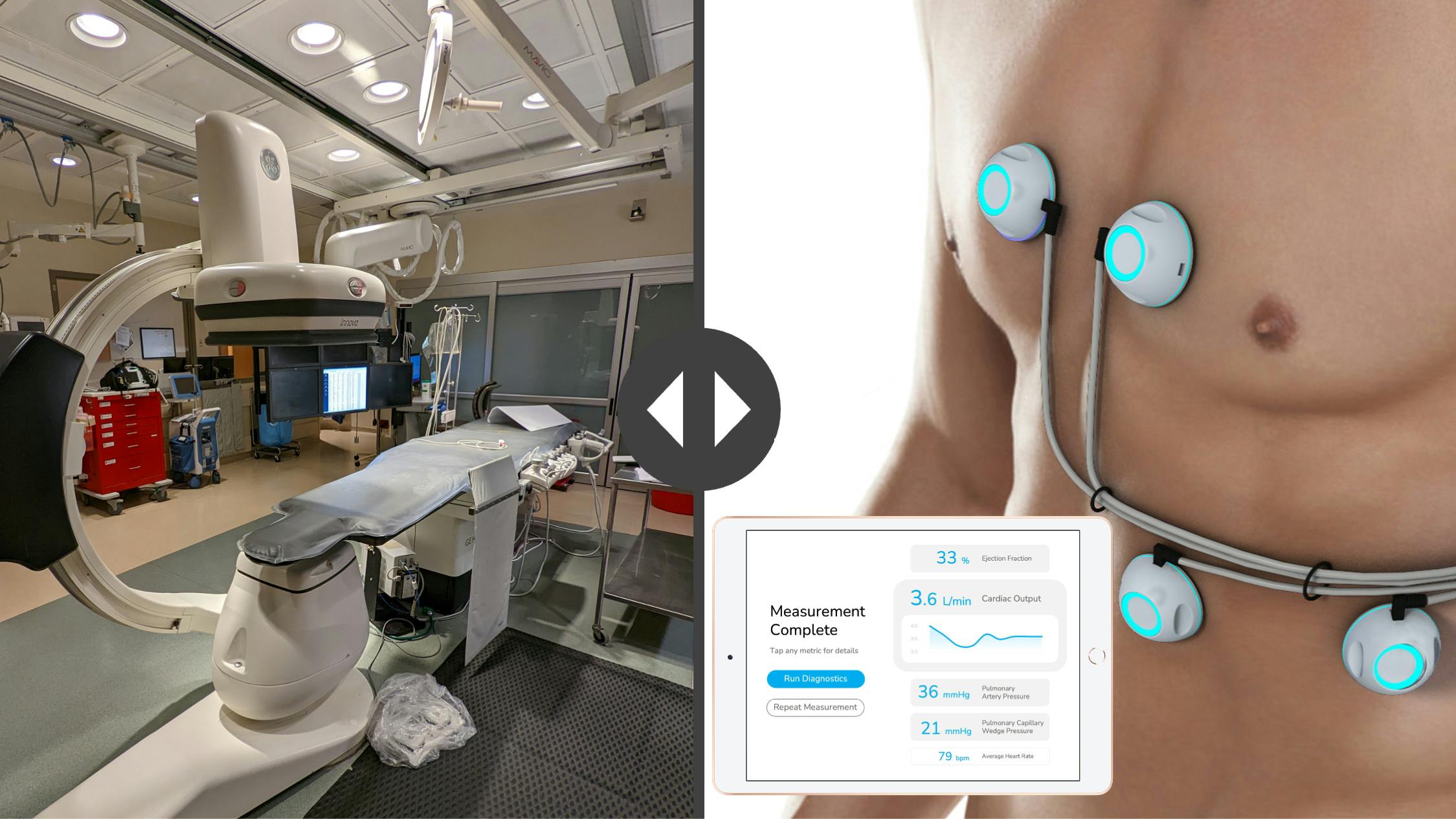 Performance System (CPS). The CPS uses heart sound analysis to enable earlier detection and more effective therapy guidance for patients experiencing heart failure and pulmonary hypertension.
The study included 225 patients enrolled at the University of Pittsburgh Medical Center (UPMC) in Pittsburgh, Pennsylvania. Sensydia plans to use data from this study to develop the CPS pulmonary pressure algorithms.
“Having access to accurate cardiac performance data for heart patients is critical for improving outcomes,” commented Samir Saba, MD, in Sensydia’s press release. Dr. Saba, who is Chief of the Division of Cardiology and Co-Director, UPMC Heart and Vascular Institute, continued, “This CPS shows promise as a noninvasive alternative to right-heart catheterization. The CPS platform has the potential to revolutionize the way we diagnose and treat heart failure and pulmonary hypertension by enabling rapid, noninvasive assessment of cardiac pressures.”
Anthony Arnold, President and CEO of Sensydia, added, “When we began this study at UPMC during the height of the COVID-19 pandemic, our original enrollment target for the study was 110 subjects, but we ended up doubling that after hearing positive feedback from the UPMC study staff. This is Sensydia’s fourth successful study, and we will continue to collect data across multiple sites to improve the performance and utility of the artificial intelligence algorithms that power our breakthrough CPS platform.”
According to Sensydia, CPS uses ultrasensitive biosensors to provide clinicians with rapid, noninvasive measurements of ejection fraction, cardiac output, pulmonary artery pressure, and pulmonary capillary wedge pressure in a handheld device. The company stated that CPS measurements are fast and safe and can be performed almost anywhere with minimal training.
By contrast, noted the company, the current standard for measurement requires patients to undergo echocardiography and invasive catheterization, which are resource intensive and carry risk of complications.
Sensydia advised that it previously conducted a study at the Ronald Reagan UCLA Medical Center in Los Angeles, California, that contributed to the FDA clearance for its ejection fraction algorithm. Another study for its cardiac output algorithm was conducted at the OHSU Knight Cardiovascular Institute in Portland, Oregon.
In 2018, Sensydia received FDA 510(k) clearance for noninvasive measurement of ejection fraction by CPS. In 2022, Sensydia CPS was granted Breakthrough Device Designation by the FDA.
The achievement of this 225-patient study coincides with the company closing a new round of funding, noted the company.
Advertisement
Advertisement
