Advertisement
Advertisement
May 20, 2025
Philips Commences RADIQAL Study of Ultra-Low X-Ray Dose Technology in Coronary Procedures
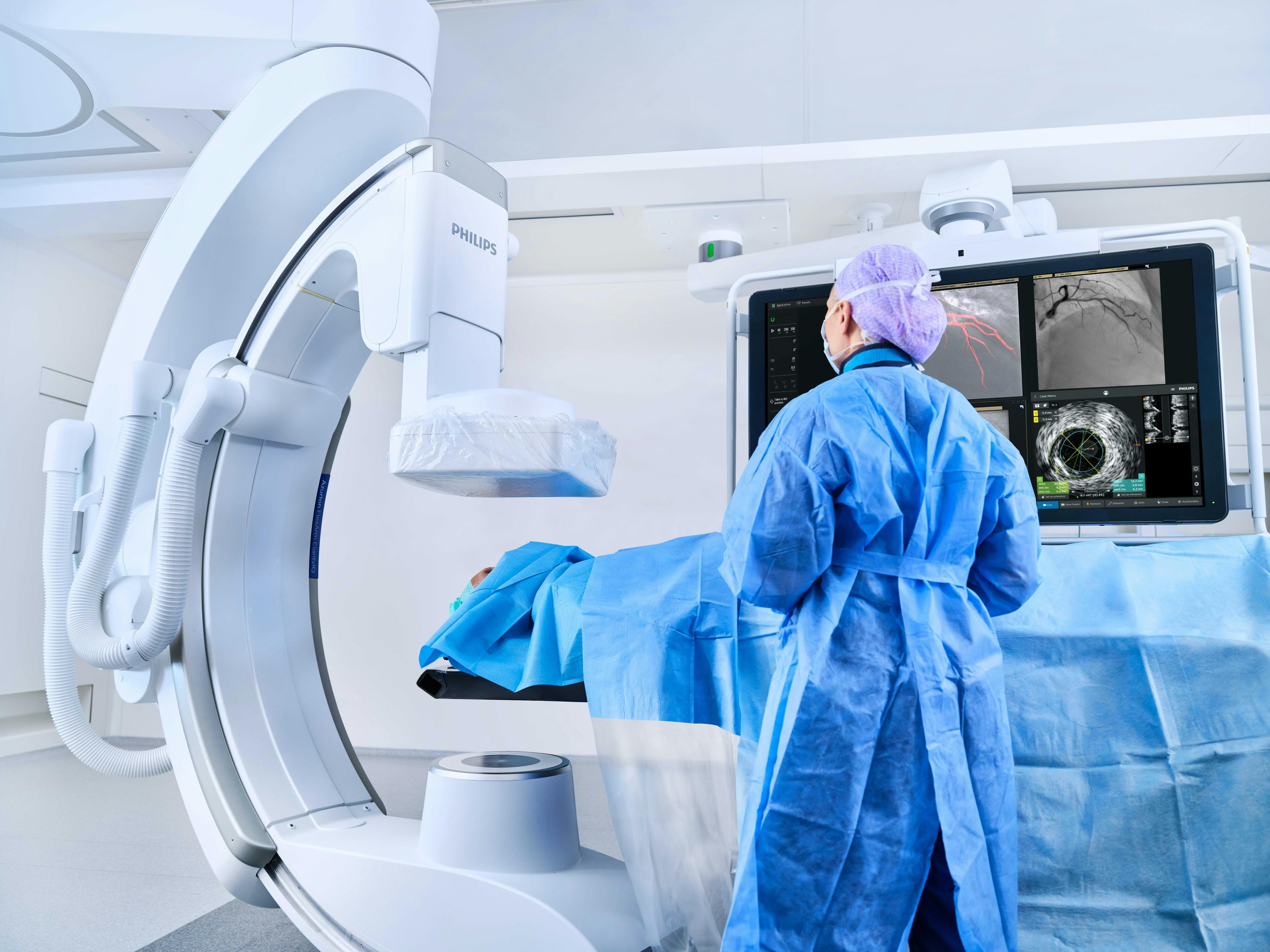 May 20, 2025—Royal Philips announced the launch of RADIQAL—the company-sponsored Radiation Dose and Image Quality Trial. RADIQAL will evaluate and compare radiation exposure, image quality, and procedural performance between Philips’ new ultra-low dose x-ray technology and its existing ClarityIQ technology, both integrated into the Azurion image-guided therapy system.
According to Philips, the multicenter, randomized study will enroll 824 patients with coronary artery disease at six hospitals in Spain, the Czech Republic, and the United States. The first patient in the study was enrolled at Aarhus University Hospital in Aarhus, Denmark. Enrollment in the United States has not started.
RADIQAL’s Principal Investigator is Professor Javier Escaned, MD, Professor of Cardiology at Hospital Clínico San Carlos in Madrid, Spain.
“The ability to reduce radiation exposure without compromising procedural performance is a key priority in interventional cardiology,” commented Prof. Escaned in Philips’ press release. “It is also important to achieve high-quality angiograms when using diluted contrast media as part of ultra-low contrast procedures.”
Prof. Escaned continued, “RADIQAL is designed to generate robust, real-world evidence on whether Philips’ new ultra-low x-ray dose technology can reduce radiation exposure for patients and staff without affecting the quality of coronary procedures.”
The company stated that the new technology’s ultra-low dose protocol for coronary procedures reduces x-ray exposure by 50% compared to the lowest setting currently available on Philips’ Azurion systems with ClarityIQ.
The new technology has obtained CE Mark approval and is cleared under the EU MDR regulatory framework. It is not cleared as a medical device in FDA-regulated countries, advised Philips.
Advertisement
Advertisement
