Advertisement
Advertisement
June 21, 2021
Medtronic’s Arctic Front Cryoablation Catheters Receive Expanded FDA Approval for Initial Use to Treat Recurrent Symptomatic Paroxysmal AF
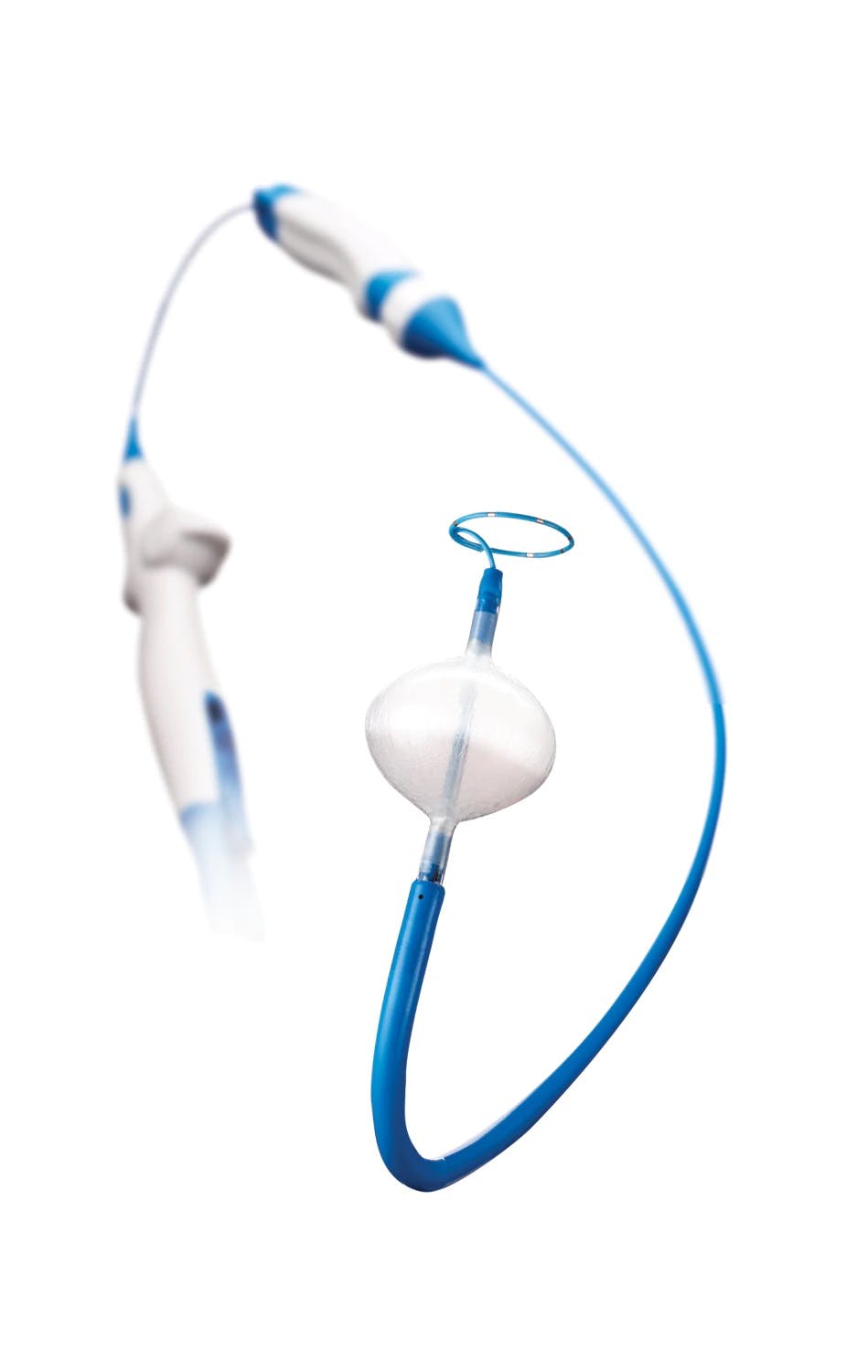 June 21, 2021—Medtronic announced it received FDA expanded approval for the Arctic Front family of cardiac cryoablation catheters for the treatment of recurrent symptomatic paroxysmal atrial fibrillation (AF), which is defined as episodes that last < 7 continuous days, as an alternative to antiarrhythmic drug (AAD) therapy for an initial rhythm control strategy. The Medtronic Arctic Front devices are approved in the United States to help physicians improve AF patient outcomes before drug failure and shorten the time from diagnosis to ablation with effective, efficient, and predictable outcomes.
According to Medtronic, the expanded indication is based on results from STOP AF First, a prospective, multicenter randomized study that demonstrated superior efficacy of the Medtronic cryoablation procedure for preventing atrial arrhythmia recurrence compared to the use of AAD therapy.
Oussama Wazni, MD, section head, Electrophysiology, Cardiovascular Medicine, at the Cleveland Clinic in Cleveland, Ohio, served as principal investigator for the STOP AF First clinical trial.
“Expanded FDA approval, coupled with the growing body of clinical evidence, demonstrate cryoablation as a first-line treatment is a more effective solution for preventing atrial arrhythmia recurrence,” commented Dr. Wazni in Medtronic’s press release. “With this new indication, physicians now have more options to treat AF earlier, and we’ve seen that patients do better when treated earlier. Patients can now be referred for cryoablation to effectively control their AF rather than trying drug therapy first, potentially allowing them to get back to living their lives without the added anxiety of progressing AF symptoms and potential health complications.”
The company-sponsored STOP AF First is a prospective, multicenter, randomized trial that enrolled 225 patients at 24 sites in the United States. Patients who had never received AAD therapy were randomized to cryoablation or AAD treatment and followed for 12 months.
Dr. Wazni et al published the results in The New England Journal of Medicine (2021;384:316-324). The investigators reported that 74.6% of patients in the cryoballoon versus 45% in the AAD group (P < .001) achieved treatment success at 12 months. The quality-of-life (QoL) data published demonstrated that cryoballoon ablation resulted in significant improvements in QoL as assessed using the Atrial Fibrillation Effect on Quality-of-Life and EuroQoL five dimensions questionnaires. Additionally, the study demonstrated a low rate of patient complications when using catheter ablation as a first-line treatment (12-month rate of primary safety events, 1.9%), and the percentage of patients with a serious adverse event was similar between the treatment groups, noted Medtronic.
Advertisement
Advertisement
