Advertisement
Advertisement
May 13, 2021
Final 5-Year Results Revealed From CeloNova’s PzF SHIELD Trial of Highly Complex PCI Patients
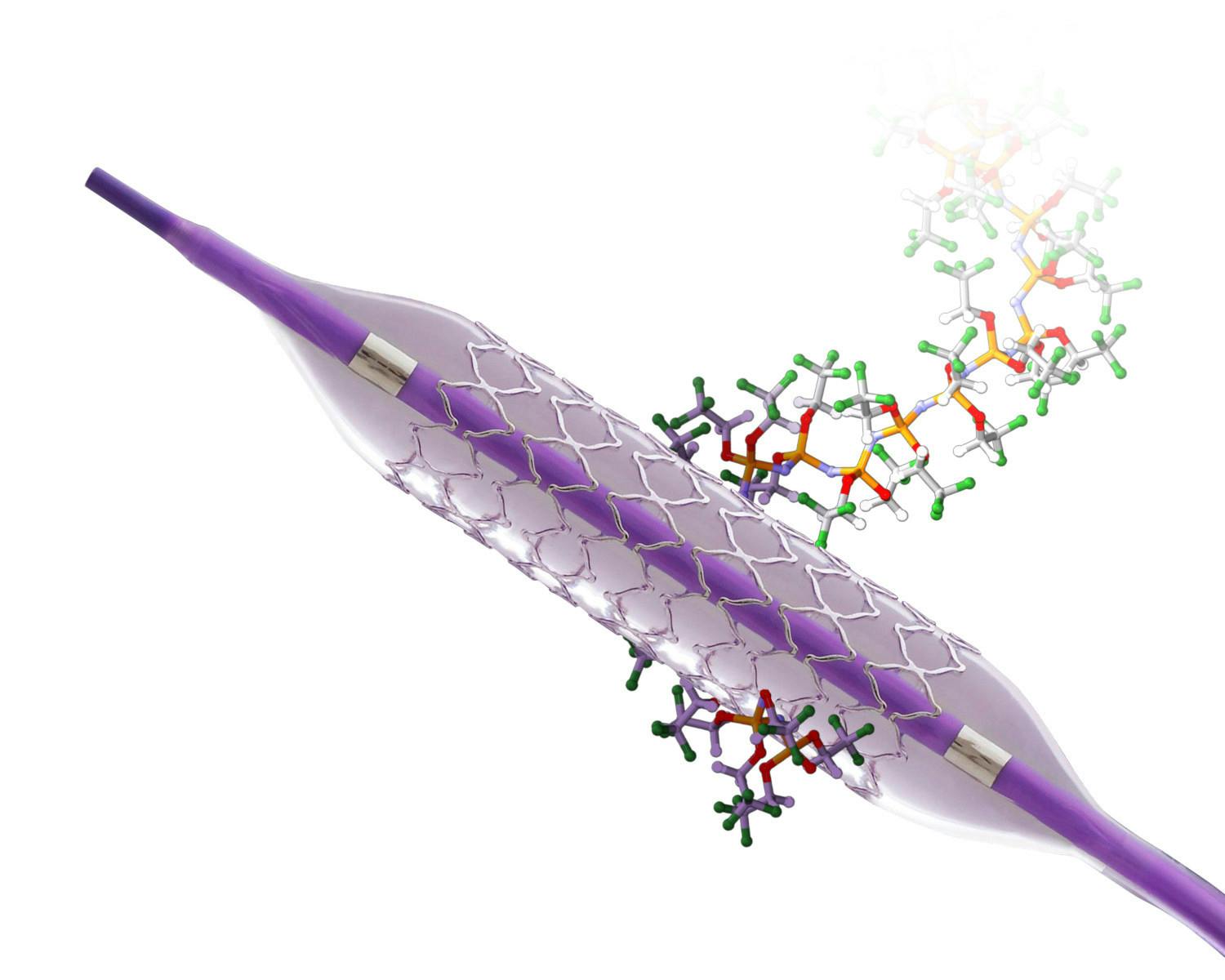 May 13, 2021—CeloNova BioSciences, Inc. announced the final results of the company’s global, multicenter PzF SHIELD investigational device exemption clinical trial of highly complex patients undergoing percutaneous coronary intervention (PCI).
The study found that PCI with CeloNova’s Cobra Polyzene-F (PzF) nanocoated coronary stent (NCS) achieved exceptional long-term ischemic safety with 0% definite and probable stent thrombosis (ST) and low ischemia-driven target lesion revascularization (ID-TLR) of 7.8% for its nonangiographic cohort at 5 years.
In February 2017, the company announced that the study had met its primary and secondary endpoints of safety at 9 months with 0% ST and 4.6% ID-TLR with a minimum of 1-month dual-antiplatelet therapy (DAPT). These data were the basis for the stent’s FDA approval in 2017, noted CeloNova.
According to the company, a total of 296 patients with de novo coronary artery lesions from 35 centers across the United States and Europe received treatment with Cobra PzF NCS in the single-arm, nonrandomized trial. The study’s population included elderly patients (average age, 66.5 years) with comorbidities including diabetes (33.7%), atrial fibrillation (12.2%), and those with highly complex lesions (72% with type B2 or C lesions).
“It’s truly remarkable to have a stent achieve complete protection from ischemic events with 0% definite and probable [ST] at both the 9-month and 5-year follow-up periods,” commented Professor Sigmund Silber, MD, in the company’s press release. “The results are particularly noteworthy given the highly complex nature of the patients who were studied. It offers valuable insight into Cobra’s performance as coronary artery disease progresses over time.” Prof. Silber is from the University of Munich in Munich, Germany.
Aloke Finn, MD, added, “These results reinforce the unique thromboresistant, anti-inflammatory, and rapid healing properties of COBRA’s proprietary [PzF] coating, which has been consistently demonstrated in my preclinical research at CVPath since 2012. The results of the SHIELD trial show that there is a unique advantage of the [PzF] coating in allowing a stent to heal quickly and in a functional way without the need for antiproliferative drug elution. I believe COBRA will continue to play an important role in delivering safety and efficacy in real-world clinical practice over time.” Dr. Finn is the Medical Director and Chief Scientific Officer at CVPath and Associate Professor of Medicine at the University of Maryland in Baltimore, Maryland.
CeloNova advised that the Cobra PzF NCS is currently being evaluated with 14-days DAPT in high bleeding-risk patients in the COBRA REDUCE clinical trial. The study’s 6-month results, which were announced at TCT 2020, demonstrated a strong ischemic performance of 0.6% definite and probable ST with 14 days of DAPT with Cobra PzF NCS. The company anticipates the release of the study’s 12-month results later this year.
The Cobra PzF nanocoated coronary stent system is indicated for improving coronary luminal diameter in patients, including patients with diabetes mellitus, with symptomatic ischemic heart disease due to de novo lesions in native coronary arteries. The device is intended for use in patients eligible for percutaneous transluminal coronary angioplasty with reference vessel diameter of 2.5 to 4 mm and lesion length of ≤ 24 mm, advised CeloNova.
Advertisement
Advertisement
