Advertisement
Advertisement
August 22, 2023
FDA Panel’s Vote Supports ReCor’s Paradise Renal Denervation Platform for Patients With Uncontrolled Hypertension
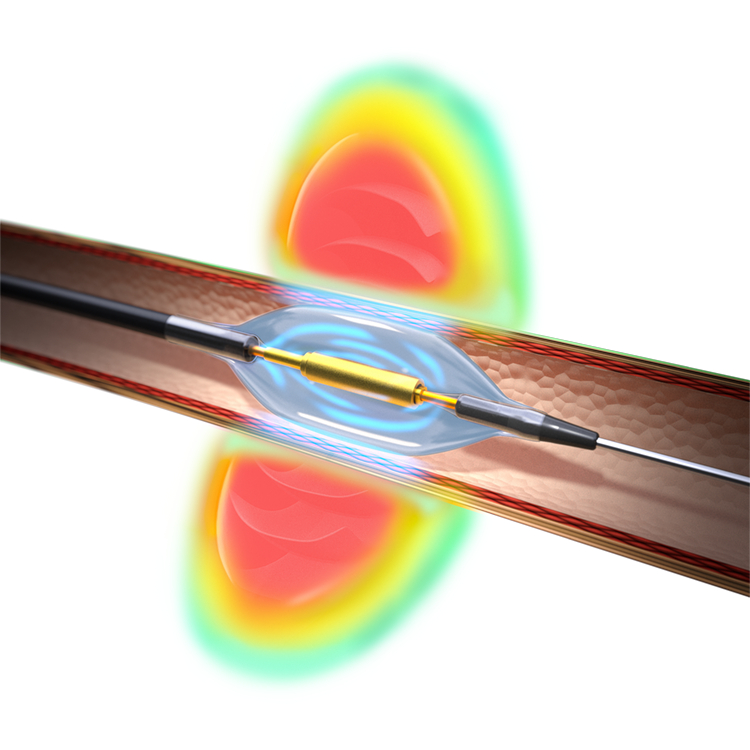 August 22, 2023—A panel convened to advise the US Food and Drug Administration on the safety and efficacy of renal denervation (RDN) for patients with uncontrolled hypertension has largely voted in support of ReCor Medical’s Paradise ultrasound RDN (uRDN) platform.
The panel was unanimous in its agreement on the platform’s demonstrated safety, voting 12-0 in favor. Regarding uRDN’s efficacy, there was considerably more deliberation over certain definitions and the proposed indications, ultimately resulting in eight votes in favor, three votes against, and one abstaining. Ultimately, the majority of panelists believed the benefits of uRDN outweigh its risks, with 10 voting in favor and two against on the FDA's final question.
The panel votes were cast based on the labeling currently proposed by the sponsor:
The Paradise uRDN System is indicated to reduce blood pressure in patients with uncontrolled hypertension, who may be inadequately responsive to or who are intolerant to anti-hypertensive medications.
However, the details of the current labeling and instructions for use of uRDN were a point of considerable discussion, with possible amendments to come once FDA has weighed the panel proceedings.
Throughout the day, representatives from the FDA, ReCor, and clinical investigators each shared data and interpretations from the company’s Paradise uRDN clinical trial program. The program comprises the RADIANCE-HTN SOLO, RADIANCE-HTN TRIO, and RADIANCE II trials.
As evident in the unanimous vote, there were few concerns over safety due to the low event rates across the studies. In terms of efficacy, the panel mostly agreed on the short-term benefits of uRDN but lacked consensus on the durability of effectiveness based on currently available data, as well as the ability to determine patients’ responsiveness to their medications independent of the effects of the procedure, among other questions.
Dr. Bram Zuckerman of the FDA advised that as the device is being evaluated as a Breakthrough Device pathway, there will be a postapproval study (PAS) if the platform is approved by the FDA. The PAS would allow for continued analysis of considerations raised by the panel, most notably its durability and overall treatment effect. Other concerns the panel said should be addressed in a PAS include the need to evaluate results in a more diverse population, in particular with respect to underrepresented groups such as Black and Latino patients, as well as older patients and those with conditions that excluded them from randomization. How, when, and where blood pressure will be monitored in the PAS is also up for consideration. The panel and the FDA want to know more about which patients benefit most, as well as which are least likely to reductions in blood pressure and reliance on medications, and why.
During the public comment period, several patients from the clinical trials read recorded statements citing their positive experiences since undergoing RDN, which included reduced need for medication and the resultant quality-of-life improvement.
“It is no small feat to have conducted three separate sham-controlled trials, and it was an incredible experience to finally get to this point and present these data on behalf of all of my coinvestigators and the study sponsor,” said Ajay J. Kirtane, MD, SM, who presented data on behalf of ReCor and the uRDN study investigators, in comments to Cardiac Interventions Today. “I’m very thankful to the multidisciplinary team of clinicians, regulators, and industry who persevered to get these difficult trials done to demonstrate efficacy and safety of this technology, and I am MOST thankful to the patients who consented to be part of these studies. That they would be willing to consent for labor-intensive studies of a sham-controlled procedure suggests the scope of the problem we have in treating hypertension, which remains a public health problem worldwide—despite the availability of lifestyle modification and effective medications.”
Dr. Kirtane is Professor of Medicine at the Columbia University Medical Center; Director of Columbia Interventional Cardiovascular Care; and Chief Academic Officer of Columbia's Division of Cardiology.
On August 23, the panel will weigh the clinical data summary for Medtronic’s Symplicity Spyral platform. Detailed discussion of the panels and potential next steps will follow in future editions of Cardiac Interventions Today.
Advertisement
Advertisement
