Advertisement
Advertisement
October 8, 2024
Emblok Evaluates Whole-Body Embolic Protection System for TAVR Procedures
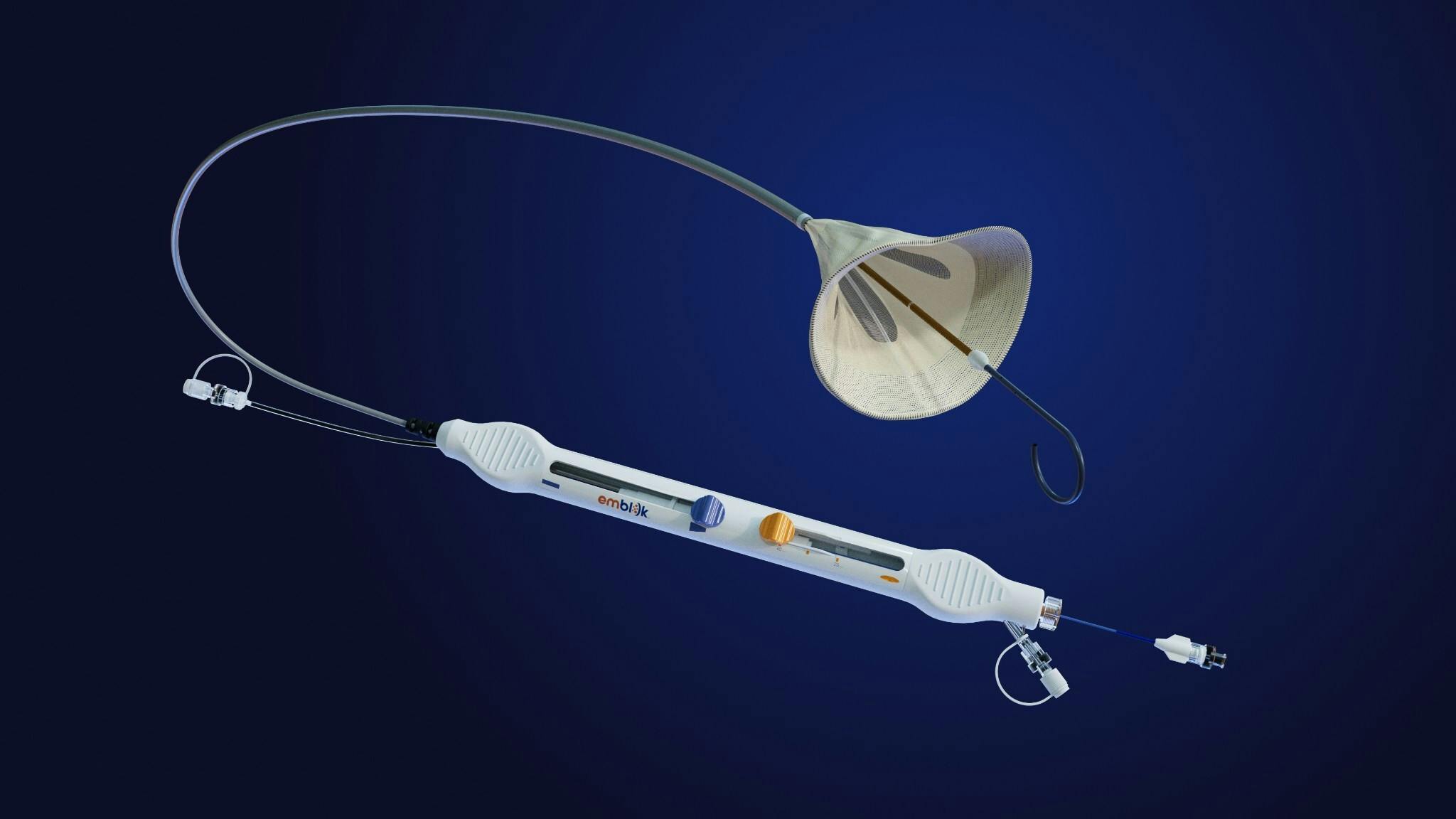 October 8, 2024—Emblok announced that it has enrolled the first 50 patients in a clinical trial to evaluate the performance and treatment effect of its Emblok embolic protection system (EPS).
According to the company, the Emblok EPS device is designed to offer whole-body protection from debris captured during transcatheter aortic valve replacement (TAVR), reduce procedural complexity, and improve patient safety. The device aims to reduce strokes, acute kidney injury, and other peripheral complications during TAVR.
“Evaluation of Safety and Effectiveness of the Emblok EPS During TAVR” is a United States multicenter, single-blind, randomized controlled trial that will enroll up to 532 patients, ages 18-90 years, with aortic valve stenosis who are undergoing TAVR. The company is initiating additional clinical sites and plans to finish enrollment by Q3 2025.
The company stated that the trial is led by national Principal Investigator Hemal Gada, MD, and William Merhi, DO, who is the founder of Emblok.
Dr. Gada is Medical Director of the Structural Heart Program and President of the UPMC Heart and Vascular Institute in Harrisburg, Pennsylvania. Dr. Merhi is an interventional cardiologist at Corewell Health in Grand Rapids, Michigan.
Emblok also announced the appointment of scientific and strategic advisors. Joining Dr. Merhi and Dr. Gada are Renu Virmani, MD, who is the founder and board member of the CVPath Institute in Gaithersburg, Maryland; Peter Fail, MD, with Cardiovascular Institute of the South in Houma, Louisiana; Ravi K. Ramana, DO, with Advocate Christ Medical Center in Oak Lawn, Illinois; Bassem M. Chehab, MD, with Kansas Heart Hospital in Wichita, Kansas; and Abhijeet Dhoble, MD, of Memorial Hermann Health System in Houston, Texas.
“Embolic protection is crucial during TAVR procedures to safeguard patients from the risk of stroke and other serious complications caused by debris dislodged during the procedure,” commented Dr. Gada in the company’s press release. “By ensuring comprehensive protection, we can significantly improve outcomes and enhance both the short- and long-term quality of life for those undergoing this life-saving treatment.”
Dr. Virmani added, “As the field of TAVR continues to evolve, the importance of whole-body embolic protection has never been more critical. While current systems target cerebral protection, capturing and removing debris from the entire circulatory system offers a more comprehensive safeguard. Whole-body embolic protection represents the next frontier in ensuring patient safety by minimizing the risk of complications that can arise from debris dislodgement during TAVR procedures.”
Advertisement
Advertisement
