Advertisement
Advertisement
February 1, 2022
Corvia Medical’s Atrial Shunt Evaluated in REDUCE LAP-HF II Randomized Clinical Trial
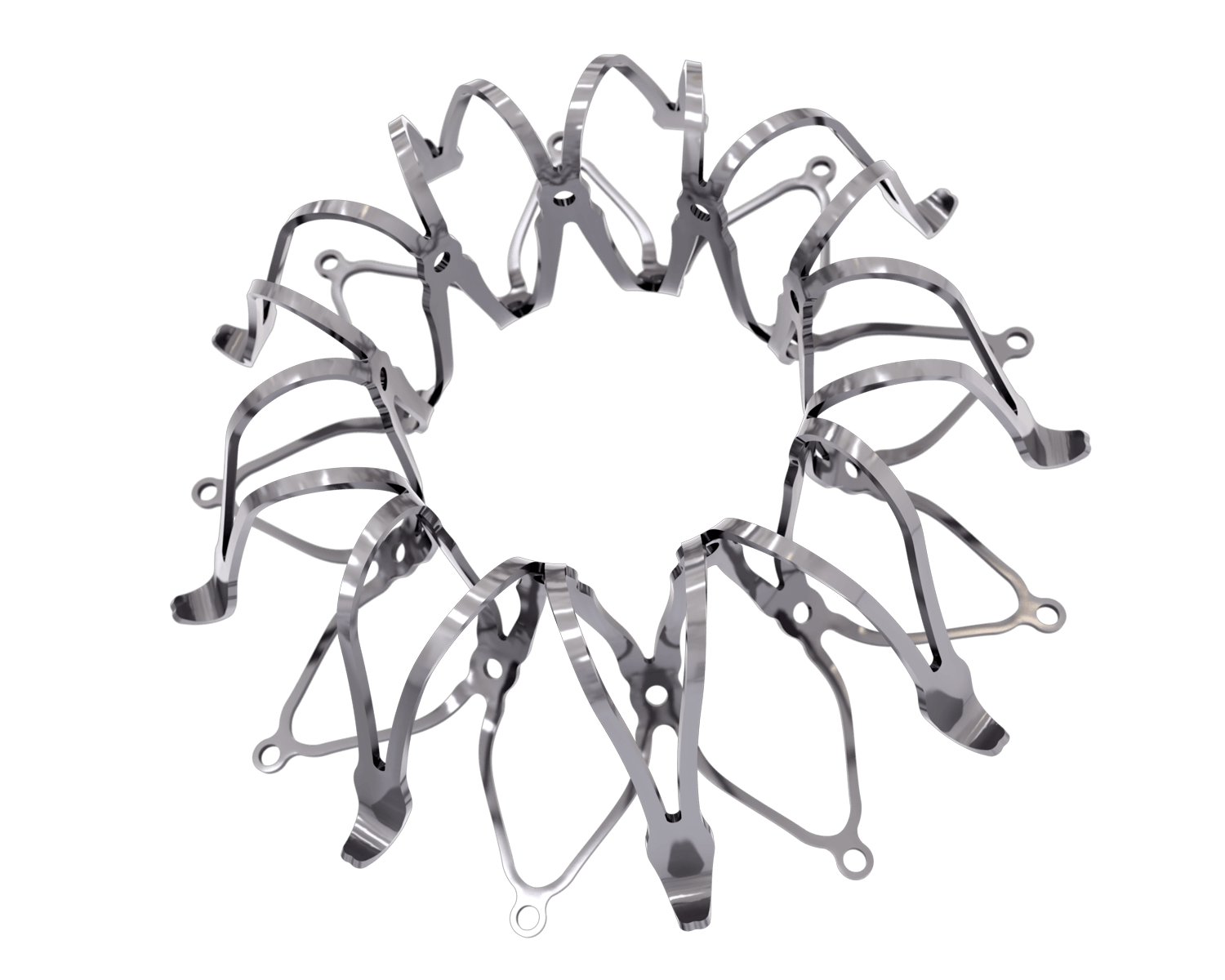 February 1, 2022—Corvia Medical, Inc. announced results from its REDUCE LAP-HF II randomized clinical trial that is investigating the safety and efficacy of the transcatheter Corvia interatrial shunt device (IASD) in heart failure (HF) patients with preserved (HFpEF) or mildly reduced (HFmrEF) ejection fraction (EF).
The company stated that although the overall outcome of the trial was neutral, the data suggests patients with normal exercise pulmonary vascular resistance (PVR) and without a pacemaker, represent a responder group that derives significant clinical benefit, making atrial shunting the first implantable therapy to demonstrate effectiveness in HFpEF.
The REDUCE LAP-HF II results were presented at THT 2022, the Technology and Heart Failure Therapeutics conference held by the Cardiovascular Research Foundation on February 1-2 in New York, New York, and online. The primary results from REDUCE LAP-HF II were published by Professor Sanjiv J. Shah, MD, et al online ahead of print in The Lancet. Publication of the responder group analysis is pending, noted the company.
The REDUCE LAP-HF II trial is a first phase III trial to evaluate an atrial shunt in heart failure patients to reduce HF symptoms, decrease HF-related hospitalizations, and improve quality of life through a reduction in left atrial pressure (LAP).
Investigators randomized a total of 626 patients at 89 centers across the United States, Canada, Europe, Australia, and Japan.
According to Corvia Medical, the investigators found that patients with normal exercise PVR, indicating the absence of pulmonary vascular disease (PVD), and without a pacemaker, derived significant clinical benefit, including a reduction in HF events compared to sham (0.12 vs 0.22 events per patient-year; P = .007) and a significant and clinically meaningful difference in health status improvement over sham (+5.5 points) as assessed by the Kansas City Cardiomyopathy Questionnaire (KCCQ) overall summary score.
Dr. Shah and Martin Leon, MD, serve as coprincipal investigators of the REDUCE LAP-HF II trial.
Dr. Shah is Professor of Medicine, Director of Research for the Bluhm Cardiovascular Institute, and Director of the HFpEF Program at Northwestern University Feinberg School of Medicine in Chicago, Illinois. Dr. Leon is Professor of Medicine and Director of Interventional Cardiovascular Care at Columbia University Irving Medical Center in New York, New York.
“In this first-of-its-kind device trial for a complex and heterogenous type of heart failure, we have identified a large potential responder population with meaningful clinical benefit,” commented Dr. Shah in the company’s press release. “The ability to predict responders and nonresponders is groundbreaking and has significantly advanced our understanding of the role of atrial shunting in HFpEF.”
Dr. Leon added, “These data have important implications not only for the Corvia atrial shunt, but for ongoing and future trials utilizing atrial shunt devices and procedures to treat heart failure.”
Barry Borlaug, MD, Professor of Medicine and Director of Circulatory Failure Research at Mayo Clinic in Rochester, Minnesota, stated in the Corvia Medical press release, “Prior to this study, we knew patients with significant PVD would be very unlikely to benefit from atrial shunt treatment. However, we didn’t fully appreciate the critical role that invasive exercise phenotyping may have in uncovering the degree of PVD that allows patients to benefit from atrial shunting. While further study is needed, with appropriate patient selection, atrial shunting may be a great option for HFpEF patients without any form of PVD.
“In REDUCE LAP-HF II, treated patients with normal pulmonary vasculature confirmed through exercise, had a significantly greater likelihood of clinical benefit than sham control, with a lower HF event rate and a significant and clinically meaningful KCCQ improvement.”
The Corvia IASD was granted Breakthrough Device designation by the FDA in 2019. It is an investigational device and is not available for commercial distribution in the United States. The device is available for sale in the European Union, advised the company.
Advertisement
Advertisement
