Advertisement
Advertisement
April 1, 2022
Corvia Atrial Shunt Evaluated for HFpEF Patients in Analyses of REDUCE LAP-HF II Trial
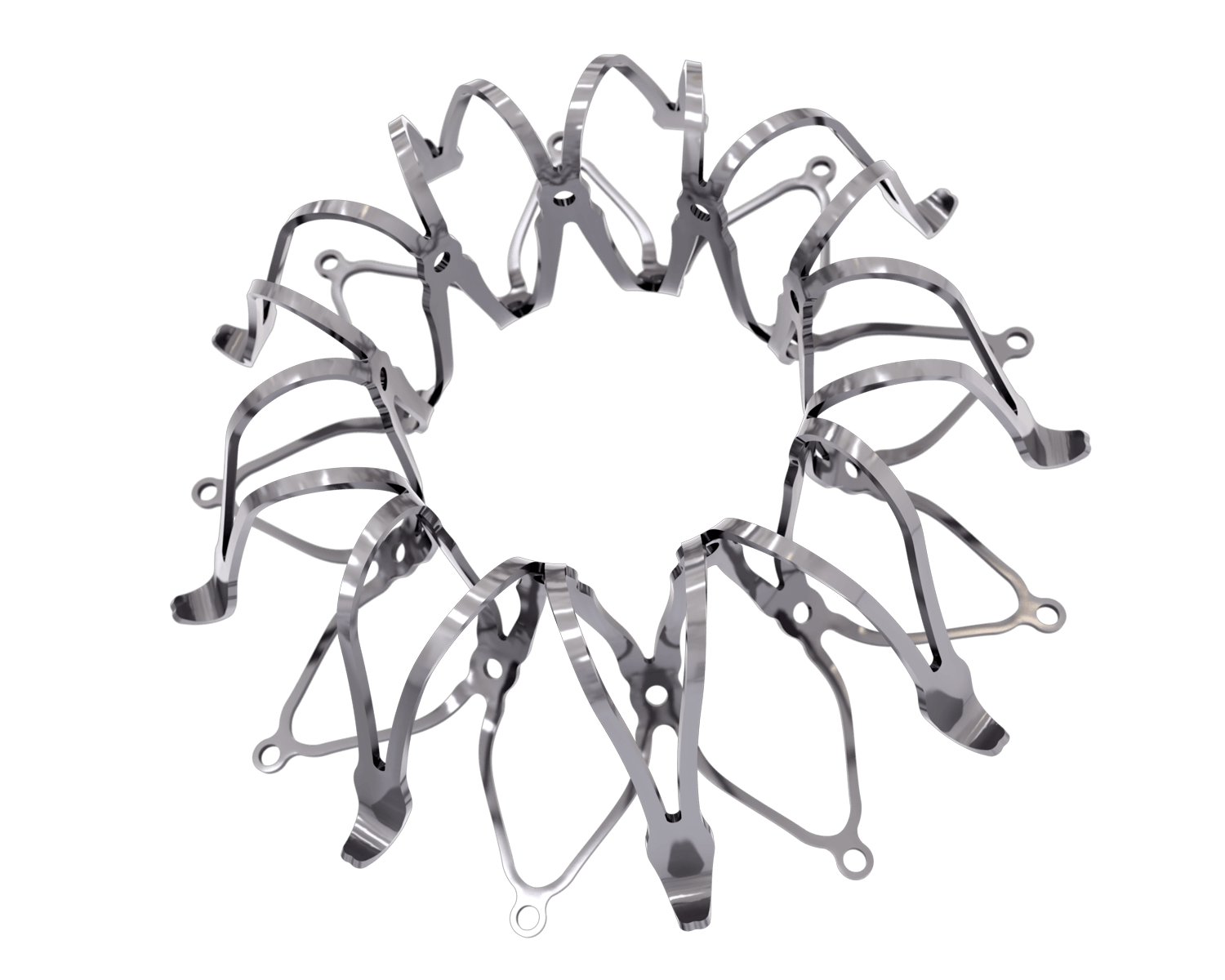 April 1, 2022—Corvia Medical, Inc, a company focused on the treatment of heart failure, announced publication of analyses from its global, phase III REDUCE LAP-HF II randomized trial of heart failure (HF) patients with preserved (HFpEF) or mildly reduced (HFmrEF) ejection fraction to using the transcatheter Corvia interatrial shunt device, which is designed to reduce elevated left atrial pressure.
The shunt is placed via catheter between the left and right atria, forming a passage that allows blood to flow from the high pressure left atrium to the lower pressure right atrium, with the aim of reducing HF symptoms and events and improving quality of life. The Corvia atrial shunt was granted Breakthrough Device designation by the FDA in 2019.
According to the company, in the analyses treatment with the Corvia atrial shunt resulted in a 45% reduction in HF events and a 55% greater improvement in quality of life compared to sham control in a large responder population, representing 50% of study patients. Additionally, these data offer insights into the role of exercise in accurately predicting patients who may or may not benefit from this novel therapy.
The analyses were published by Barry A. Borlaug, MD, et al online ahead of print in Circulation.
"Exercise hemodynamic evaluation appears to be a key factor in predicting which patients will do well with atrial shunt therapy," commented Dr. Borlaug in the company's press release. "Patients whose pulmonary blood vessels, or vessels in the lungs, can accommodate an increase in blood flow during exercise appear to derive significant benefit from the shunt, compared to those whose blood vessels can't accommodate the additional flow."
Dr. Borlaug further noted, "While I have long been an advocate for hemodynamic testing in heart failure, the data from this study reinforces the importance of exercise phenotyping and will change how we evaluate heart failure patients and personalize their care."
As summarized by Corvia Medical, the REDUCE LAP-HF II trial randomized 626 patients at 89 centers across the United States, Canada, Europe, Australia, and Japan. A systematic, independent, statistical analysis identified exercise pulmonary vascular resistance (PVR) and the presence of a pacemaker as the most significant variables affecting how patients responded to atrial shunting.
The results showed that patients without a pacemaker and with normal exercise PVR composed 50% of the total study population and derived significant clinical benefit, including the following:
- 45% reduction in HF events compared to sham control (12 vs 22 events per 100 patient-years; P = .007)
- 55% greater improvement (+ 5.5 points) in health status as measured by Kansas City Cardiomyopathy Questionnaire, with 40% more shunt patients reporting a very large improvement (≥ 20 points) in quality of life
- 50% greater improvement in New York Heart Association HF class, indicating fewer HF symptoms
Sanjiv Shah, MD, who is Professor of Medicine, Director of Research for the Bluhm Cardiovascular Institute, Director of the HFpEF Program at Northwestern University Feinberg School of Medicine in Chicago, Illinois, serves as coprincipal investigator of the REDUCE LAP-HF II trial.
In Corvia Medical's press release, Dr. Shah stated, "We are extremely encouraged by these analyses from the REDUCE LAP-HF II trial. Not only have we identified a large responder group comprising two-thirds of people with HFpEF, or approximately 2 million people in the United States alone, but we have also learned how to identify potential patients who are most likely to derive significant benefit."
Professor David Kaye, MD, added, "HFpEF has a complex pathophysiology and remains a significant therapeutic challenge. While novel drugs are now available, limitations remain, and additional therapies are required to treat this heterogenous population."
Prof. Kaye continued, "We now know the importance of exercise hemodynamic phenotyping prior to determining a therapeutic strategy for HFpEF patients and these learnings should be applied today in both the commercial and clinical trial settings. Assuming additional studies confirm the responder population findings, this therapy has enormous potential to improve the lives of millions of heart failure patients."
An investigator in the study, Prof. Kaye is Director of the Department of Cardiology at The Alfred Hospital, Head of Heart Failure Research at the Baker Institute in Melbourne, Australia.
Advertisement
Advertisement
