Advertisement
Advertisement
September 17, 2022
Boston Scientific's Sentinel Cerebral Embolic Protection Device Evaluated in Results From PROTECTED TAVR Trial
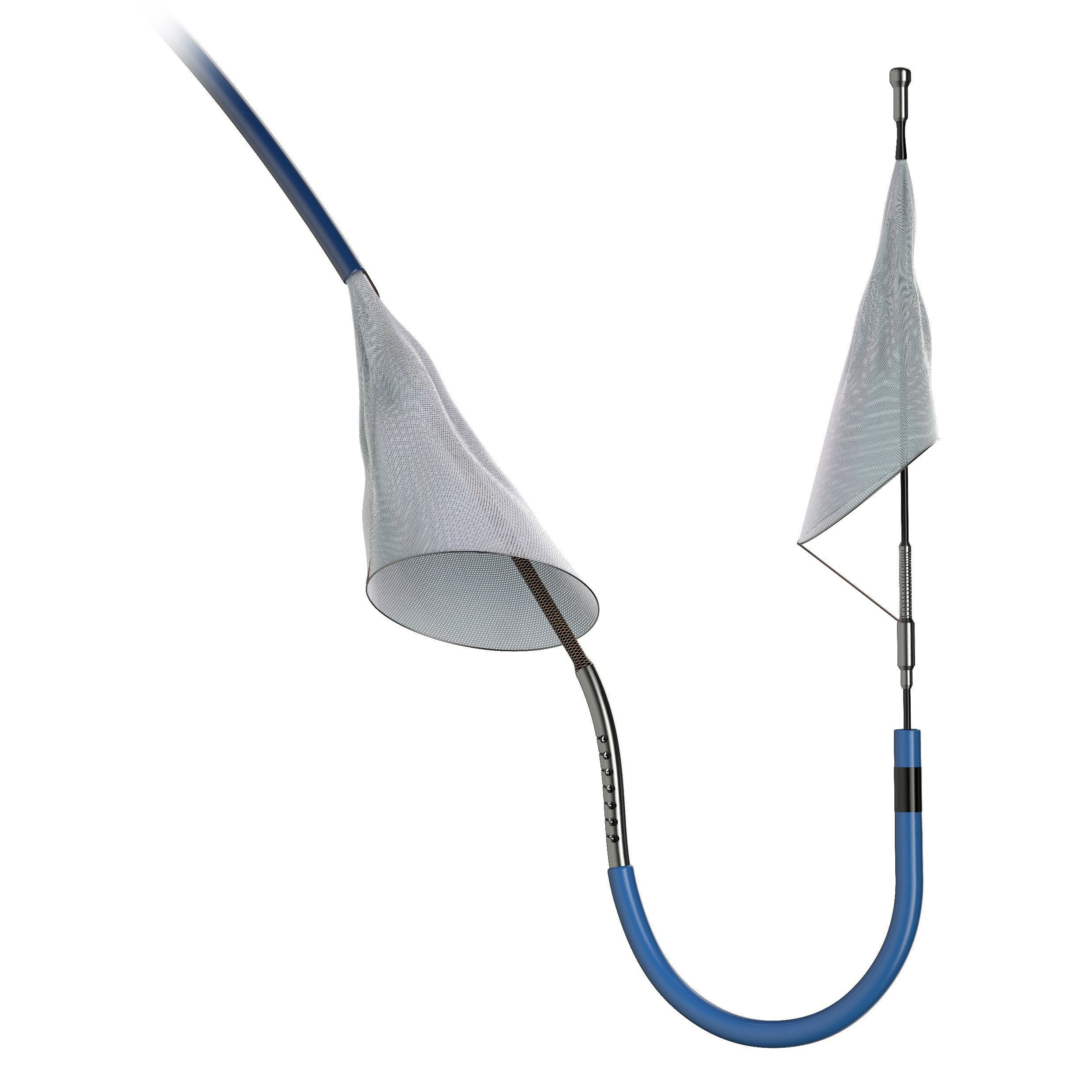 September 17, 2022—Boston Scientific Corporation announced results from the PROTECTED TAVR clinical trial evaluating the company's Sentinel cerebral embolic protection (CEP) system, which is designed to capture and remove embolic debris in transcatheter aortic valve replacement (TAVR).
The trial findings were presented during the Late-Breaking Trials session at TCT 2022, the 34th annual Transcatheter Cardiovascular Therapeutics scientific symposium of the Cardiovascular Research Foundation held September 16-19 in Boston, Massachusetts. The study was published by Samir R. Kapadia, MD, et al online in The New England Journal of Medicine.
According to Boston Scientific, the randomized PROTECTED TAVR trial evaluated periprocedural stroke reduction and neurologic outcomes in patients with aortic stenosis treated by TAVR either with or without the Sentinel device to provide CEP during the procedure.
The primary endpoint was not met, advised the company, with the data demonstrating a nonsignificant trend toward a lower rate of stroke in patients treated with the Sentinel device, representing a 21% relative risk reduction in all stroke through 72 hours or time of hospital discharge (2.3% with CEP vs 2.9% without CEP; P = .3).
However, a secondary analysis demonstrated a statistically significant 60% relative risk reduction in disabling stroke through 72 hours or time of hospital discharge in patients treated with TAVR with the Sentinel device (0.5% with CEP vs 1.3% without CEP; P = .02).
"Data from the PROTECTED TAVR trial provide the physician community with evidence that the device plays an important role in reducing disabling strokes across patient types in those undergoing TAVR," commented Dr. Kapadia in the company's press release. "We also found that the rate of vascular complications in this trial was very low, whether or not the device was used, highlighting the safety of this technology in TAVR procedures."
Dr. Kapadia is Chairman of the Robert and Suzanne Tomsich Department of Cardiovascular Medicine, Sydell and Arnold Miller Family Heart, Vascular & Thoracic Institute, at the Cleveland Clinic in Cleveland, Ohio.
The PROTECTED TAVR study enrolled 3,000 patients at more than 50 global sites. Patients at all surgical risk levels were included. All patients received a neurological examination before and after the procedure.
Subgroup analyses demonstrated that the reduction in disabling stroke with the Sentinel device was consistent across patient subgroups, including age, gender, operative risk, valve type, and history of cardiovascular disease, noted the company.
Additionally, the company stated that previous clinical trials involving more than 3,500 patients have demonstrated that the Sentinel device is safe and effective, including capture and removal of cerebral embolic debris in 99% of TAVR cases.
Advertisement
Advertisement
