Advertisement
Advertisement
October 30, 2024
Boston Scientific’s Acurate Neo2 TAVR System Evaluated in ACURATE IDE Trial
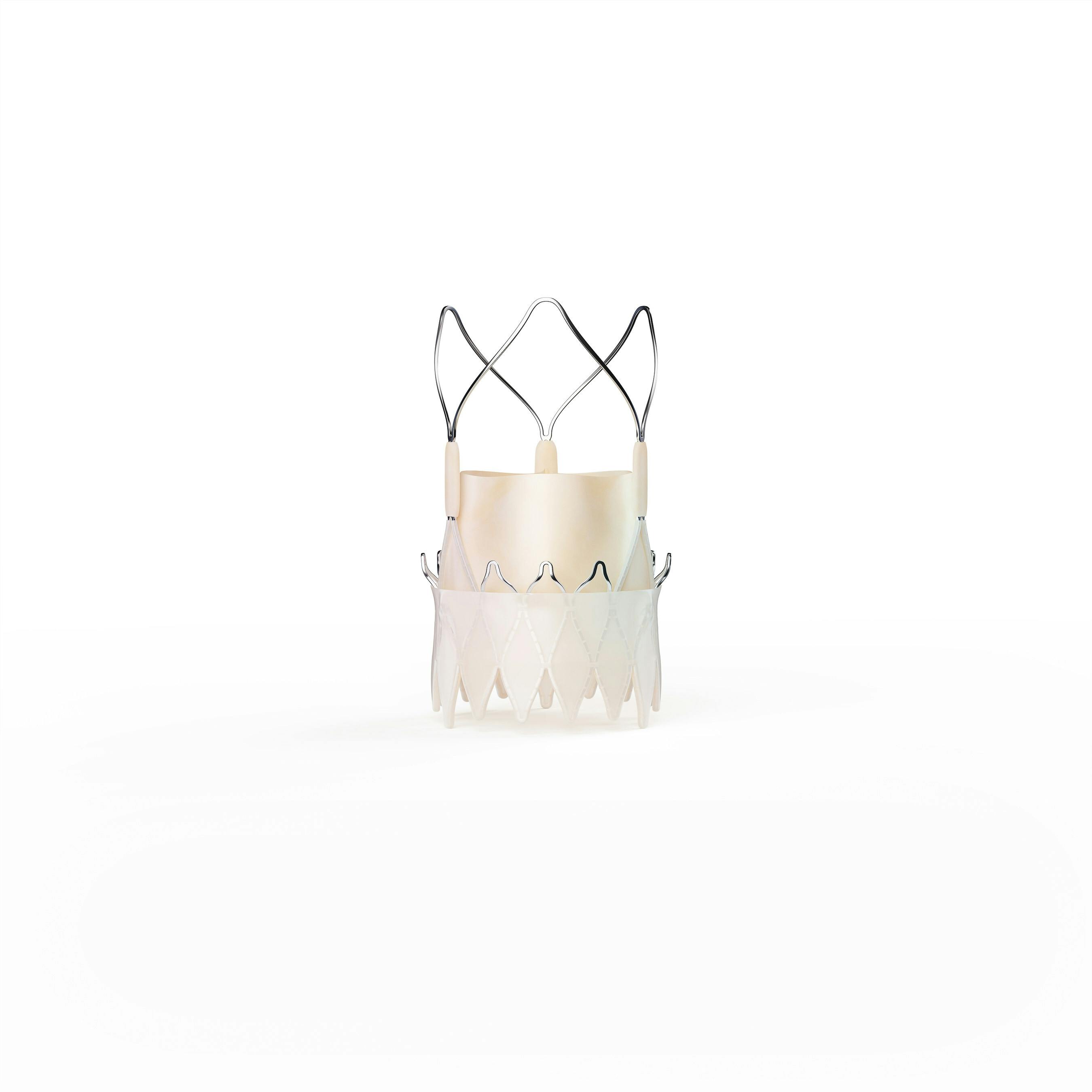 October 30, 2024—Boston Scientific Corporation announced the results of the primary endpoint of the ACURATE investigational device exemption (IDE) clinical trial. The trial evaluated the company’s second-generation Acurate Neo2 transcatheter aortic valve (TAVR) system in the treatment of patients with severe, symptomatic aortic stenosis at low, intermediate, high, and extreme risk of open heart surgery.
The ACURATE IDE data were presented in a late-breaking trials session at TCT 2024, the 36th annual Transcatheter Cardiovascular Therapeutics annual scientific symposium of the Cardiovascular Research Foundation held October 27-30 in Washington, DC.
The randomized trial evaluated the Acurate Neo2 device versus a predefined control valve–either the commercially available Sapien TAVR system (Edwards Lifesciences) or the Evolut TAVR system (Medtronic)–selected at the discretion of the implanting physician.
According to the company, the study demonstrated a composite rate of all-cause mortality, stroke, or rehospitalization at 1 year of 16.16% in the Acurate Neo2 arm and 9.53% in the control arm. The study did not meet the prespecified criterion for noninferiority—posterior probability for noninferiority was 77.9%, which is lower than the noninferiority test threshold of 97.5%.
The coprincipal investigator of the ACURATE IDE trial, Michael Reardon, MD, Professor of Cardiothoracic Surgery at Houston Methodist DeBakey Heart & Vascular Center in Houston, Texas, commented on the study findings in the company’s press release.
“This trial is the largest randomized comparison of TAVR platforms and was conducted over 4 years, including during a global pandemic that introduced complexities for enrollment,” stated Dr. Reardon. “These data add to the breadth of clinical knowledge of the Acurate valve platform and provide compelling insights on the importance of procedural optimization that will be beneficial for TAVR moving forward.”
Additionally, Boston Scientific announced that data from a post-hoc analysis from the ACURATE IDE trial were also presented in the late-breaking session. The analysis sought to identify and evaluate expanded and underexpanded Acurate Neo2 valve frames within the trial.
The company performed a review of key procedural factors, including pre- and post-dilation, which helps to prepare for, enable and confirm proper valve expansion during the procedure.
After the review, an assessment of implant quality for the Acurate Neo2 valve was initiated. The assessment showed that approximately 20% of the valves were underexpanded. Data from the assessment also demonstrated that the rate for death, stroke, or rehospitalization at 1 year was similar between the Acurate Neo2 expanded group and the control group.
In the United States, the Acurate Neo2 aortic valve system and the Acurate Prime aortic valve system are investigational devices and are restricted under federal law to investigational use only.
Boston Scientific advised that it continues to work closely with the FDA on the regulatory strategy for approval of the Acurate valve platform in the United States.
In Europe, the Acurate Neo2 aortic valve system and the Acurate Prime aortic valve system have received CE Mark approval, noted the company.
Advertisement
Advertisement
