Advertisement
Advertisement
March 22, 2021
BIOSTEMI Evaluates Biotronik’s Orsiro Biodegradable DES at 2 Years
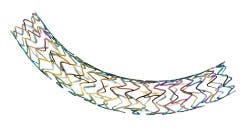 March 22, 2021—The final 2-year outcomes of the BIOSTEMI trial were published by principal investigator Professor Thomas Pilgrim, MD, et al in Journal of the American College of Cardiology (JACC): Cardiovascular Interventions (2021;14;639-648). Prof. Pilgrim also presented the BIOSTEMI findings on March 13 at the Cardiovascular Research Technologies’ CRT Virtual 2021 conference, which is being held on Saturdays from February 13 to April 24.
The investigator-initiated, multicenter study was led by Prof. Pilgrim, who is from the Department of Cardiology, at Bern University Hospital in Bern, Switzerland, and conducted at medical centers across Switzerland.
BIOSTEMI is evaluating the safety and efficacy of an ultrathin strut biodegradable polymer sirolimus-eluting stent (BP-SES; Orsiro, Biotronik) compared with a durable polymer everolimus-eluting stent (DP-EES; Xience, Abbott) for patients with acute ST-segment elevation myocardial infarction (STEMI) undergoing primary percutaneous coronary intervention (PCI).
The investigators reported that BIOSTEMI is an assessor-blind, randomized superiority trial using Bayesian methods. Patients with STEMI undergoing primary PCI within 24 hours of symptom onset were randomized in a 1:1 ratio to receive BP-SES (n = 649) or DP-EES (n = 651). The primary endpoint was target lesion failure (TLF), a composite of cardiac death, target vessel myocardial reinfarction, and clinically indicated target lesion revascularization (TLR) at 2 years.
As summarized in JACC: Cardiovascular Interventions, the trial enrolled 1,300 patients between April 2016 and March 2018. Baseline characteristics were comparable between the two treatment groups. Follow-up through 2 years was completed in 1,221 (94%) patients.
At 2 years, TLF occurred in 33 (5.1%) patients treated with BP-SES and in 53 (8.1%) patients treated with DP-EES (rate ratio, 0.58; 95% Bayesian credible interval, 0.40-0.84; posterior probability of superiority = 0.998). The difference was driven by a lower incidence of clinically indicated TLR in patients treated with BP-SES compared with DP-EES (2.5% vs 5.1%; rate ratio, 0.52; 95% Bayesian credible interval, 0.30-0.87; posterior probability of superiority = 0.993). There were no significant differences in rates of cardiac death, target vessel myocardial reinfarction, and definite stent thrombosis between the two treatment arms.
In patients with STEMI undergoing primary PCI, BP-SES were superior to DP-EES with respect to TLF at 2 years, with the difference driven by lower rates of ischemia-driven TLR, concluded the BIOSTEMI investigators in JACC: Cardiovascular Interventions.
Advertisement
Advertisement
