Advertisement
Advertisement
January 10, 2022
Abiomed’s Impella BTR Receives Conditional IDE Approval; Impella 5.5 With SmartAssist Approved in Japan and Hong Kong
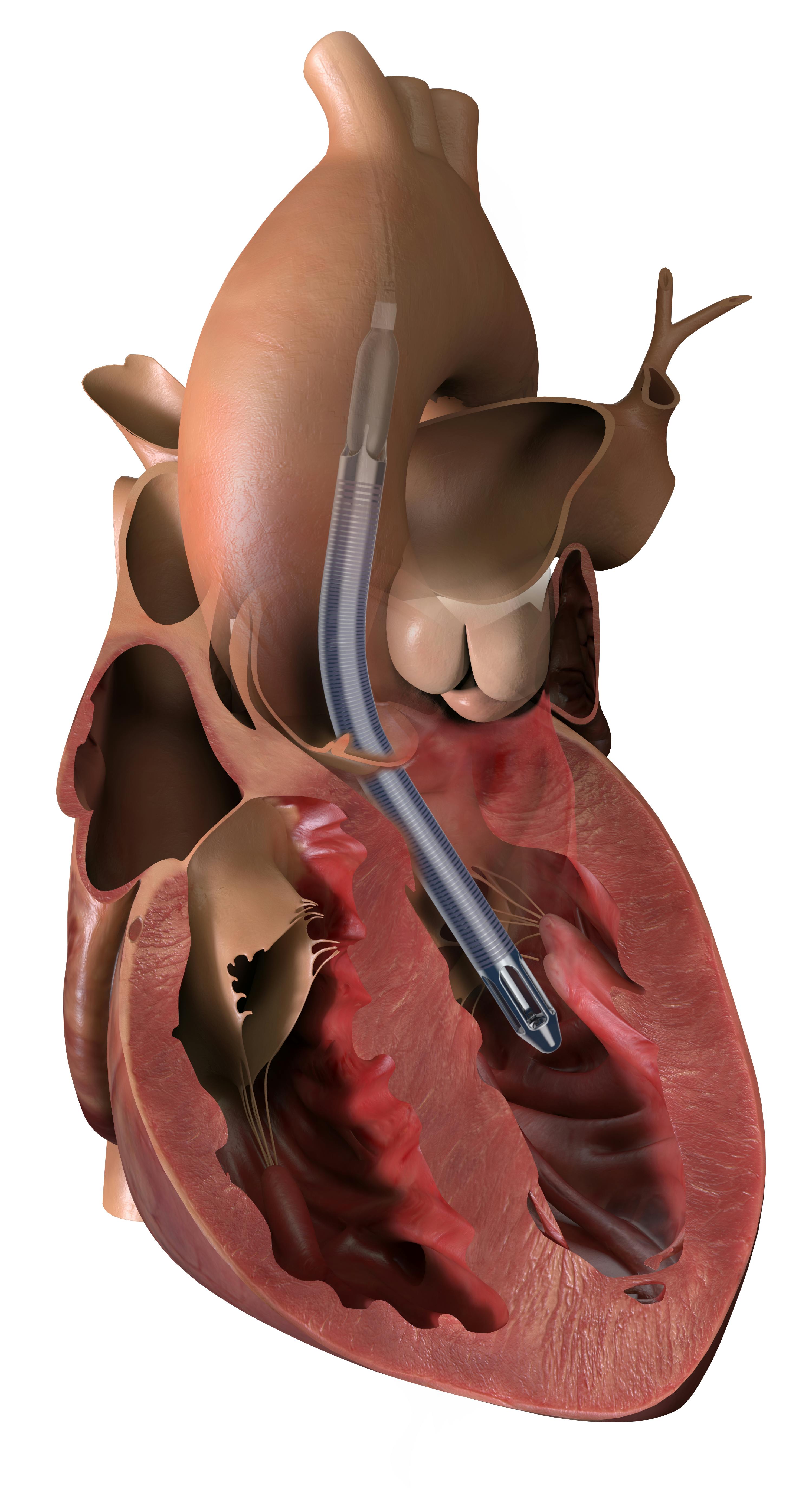 January 10, 2022—Abiomed announced regulatory updates in three countries for the company’s Impella devices.
In the United States, the FDA has granted an investigational device exemption (IDE) for the Impella Bridge-to-Recovery (BTR) system to be evaluated in an early feasibility study (EFS). In the EFS, 10 patients will be enrolled at up to five hospitals and supported by Impella BTR for up to 28 days. The first Impella BTR patient is expected to be treated in March or April 2022.
Abiomed stated that Impella BTR is a percutaneous heart pump with > 6 L of blood flow per minute that is designed to be much less invasive than current left ventricular assist devices. The Impella BTR development program seeks to provide a patient with home discharge and up to 1 year of full hemodynamic support. Impella BTR is an investigational device, limited by federal law to investigational use only.
Additionally, the Impella 5.5 with SmartAssist has received approval from Japan’s Pharmaceuticals and Medical Devices Agency and Hong Kong’s Medical Device Division. Impella 5.5 with SmartAssist is a minimally invasive, forward flow, fully unloading heart pump designed for direct or axillary insertion.
In Japan, Impella 5.5 with SmartAssist is now indicated for use in the treatment of drug-resistant acute heart failure attributable to causes such as cardiogenic shock. The first Impella 5.5 with SmartAssist patient in Japan is expected to be treated in the coming months, stated Abiomed.
In September 2019, the company announced FDA postmarket approval of the device. It is used to treat patients for indications that include acute myocardial infarction, cardiogenic shock, cardiomyopathy, and postcardiotomy cardiogenic shock.
The company noted that Impella 5.5 with SmartAssist patients have demonstrated a 74% survival to explant, with 59% of surviving patients achieving native heart recovery; by contrast, the historical cardiogenic shock survival rate has been approximately 50%.
Advertisement
Advertisement
