Advertisement
Advertisement
2025 Digital Exclusive No. 2
Exploring the Role of Interventional Cardiologists in Cardio-Oncology
Leading experts in cardio-oncology discuss where the interventional cardiologist fits in the cardio-oncology field, challenges to treating cancer patients in the cath lab, treatment considerations for TAVR in a cancer patient, and advice for interested trainees.
With Mehmet Çilingiroğlu, MD; Konstantinos Marmagkiolis, MD, MBA, FACC, FSCAI; and Cezar Iliescu, MD, FACC, FSCAI
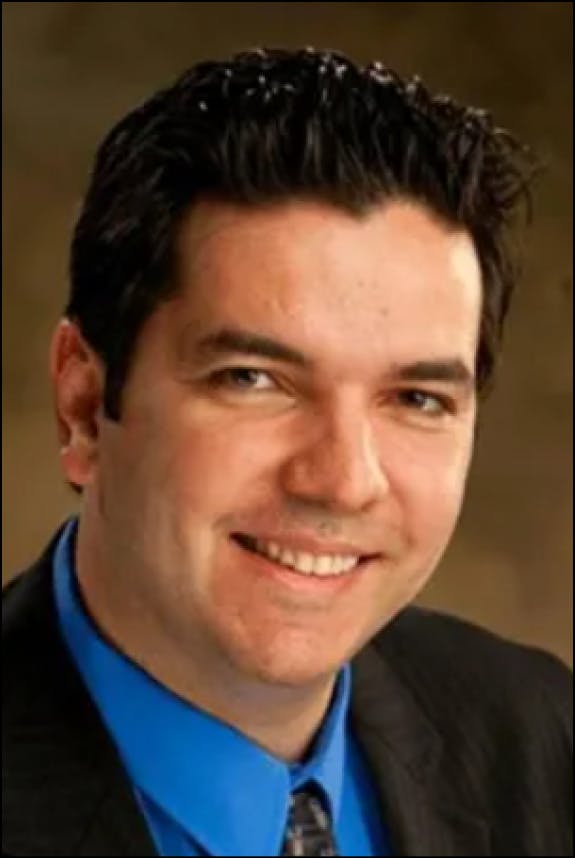
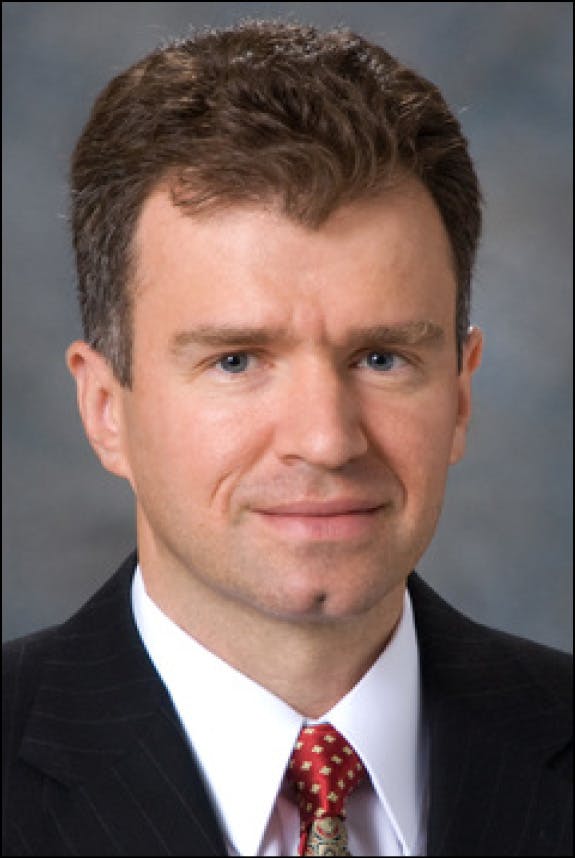
How would you define the cardio-oncology field and the interventional cardiologist’s role in cardio-oncology?
In the United States alone, there are approximately 18 million cancer survivors, and this number is expected to increase to 22.1 million by 2030.1 As patients with cancer survive longer, there is an increased awareness regarding the various symptomatic cardiovascular and structural heart diseases (SHDs) that often require specialized centers with expertise on treatment of cardio-oncology patients and their cardiac conditions.
In the early 2000s, the general approach for patients with concomitant cancer and cardiovascular disease was to send patients for cancer treatment without addressing the cardiovascular component, with the idea that cancer was the therapeutic priority. In 2009, the first cardiac catheterization laboratory in a cancer center was opened at the world-renowned MD Anderson Cancer Center in Houston, Texas, with Dr. Iliescu as Director of the cath lab. The focus was to better understand how interventional/invasive cardiologists can treat patients with cancer and address their cardiovascular morbidity before, during, and after the most important battle of their lives. We learned early in this journey that cancer and its treatments are a professional boxing match, and patients can’t win the fight without addressing their cardiovascular/SHD—left main disease, multivessel severe coronary artery disease (CAD), cardiac tamponade, or severe aortic stenosis (AS) are just a few clinical scenarios. Through a beautiful collaboration between multiple centers and with active involvement from interventional forums, we were able to establish a path through which we have almost completely annulled cardiovascular mortality and morbidity in cancer patients. Overall, we can provide patients with a better chance and improved survivorship in this most important fight of their lives.
Can you summarize some of the clinical scenarios where interventional cardiologists are most often involved here? And, where in the disease spectrum do interventional cardiologists see these cancer patients?
Interventional cardiologists are involved in treating patients with cancer throughout all stages—before, during, and after cancer treatment.
BEFORE CANCER TREATMENT
Our main goal here is to establish an accurate baseline, initiate treatment of traditional cardiovascular risk factors, complete the necessary workup based on the complexity of cancer treatment and possible hemodynamic challenges associated with it, and outline a cardiovascular fitness program, all of which have a significant impact on overall survivorship in this patient population.
We also outline a program for monitoring conduction abnormalities (arrhythmia, QT prolongation), possible development of cardiomyopathy (echocardiogram with strain), and baseline assessment of coronary physiology, and we schedule follow-up during cancer treatment.
DURING CANCER TREATMENT
It is not unusual to have patients develop type 2 myocardial infarction when suboptimal initial workup is performed, as the vast majority of patients with cancer will develop anemia (typical hemoglobin is in the range of 7-8 g/dL during cancer treatment), leukopenia with infectious complications and hypotension, tachycardia, hypertension associated with certain cancer treatment drugs (ie, vascular endothelial growth factor inhibitors), or uncontrolled pain, all driving mismatched supply/demand and subsequent ischemic events.
Stress-induced cardiomyopathy (Takotsubo cardiomyopathy), immune checkpoint inhibitors (ICIs), myocarditis, tumor involving cardiac structures, and constrictive and restrictive cardiomyopathies can complicate the clinical picture and make diagnosis challenging. It is the role of the interventional/invasive cardiologists to bring clarity in this complex clinical scenario through an early invasive approach.
We found that an early invasive strategy and the mnemonic “TAMPA” are helpful guides for daily clinical practice.2
T = Stress-induced cardiomyopathy (Takotsubo)/tumor infiltration of the heart/leukemic infiltration of the myocardium
A = Amyloidosis and other restrictive cardiomyopathies
M = Myocarditis (from ICIs or viral etiology)
P = Myopericarditis (from treatments involving the mediastinum, such as surgery, chemotherapy, radiation) and pulmonary embolism
A = Acute coronary syndrome
IN CANCER SURVIVORS
We must remember that the active injury occurred during active cancer disease and therapies (chemotherapy, radiation, immunotherapy, surgery), and the patient should ideally be cardioprotected during treatment. However, late side effects are not unusual, especially for radiation-induced disease, with radiation fields including the heart or cerebrovascular circulation and with long-term, significant vasculopathies and valvulopathies. Notably, the most vulnerable patients are the younger ones. Further, we should not ignore that certain cancers and cancer treatments can be associated with vascular aging and accelerated atherosclerosis.
What are the unique challenges to treating cancer patients in the cardiac catheterization lab?
The first challenge that comes to mind is thrombocytopenia. Over the last 2 decades, we have collectively accumulated significant experience in treating these complex patients, with the most fundamental being a 2016 Society for Cardiovascular Angiography & Interventions expert consensus statement that includes specific guidance for treating these patients.3 We were privileged to be part of this unique initiative, which provided platelet cutoffs for antiplatelet regimens and guidance on heparin dosages and P2Y12 inhibitor choices in patients with severe thrombocytopenia and platelet counts < 50,000 mm3. Operators are encouraged to use the radial approach, initiate aspirin for a platelet count > 10,000 mm3, initiate clopidogrel for a platelet count > 30,000 mm3, and administer 30 to 50 units/kg of heparin (a half dose) to perform percutaneous interventions in these specific patients. For platelet counts below these thresholds, a multidisciplinary team approach including cardiologists and oncologists is of paramount importance to provide patients and their families with an accurate risk/benefit balance before proceeding with indicated specific cardiovascular care.
Other challenges pertaining to treating cancer patients in the cath lab include cancer treatment schedule and timelines, managing the very likely abbreviated dual antiplatelet therapy regimen to accommodate cancer treatment or due to bleeding complications, increased patient frailty, and absence of an alternative plan if procedures are unsuccessful.
Your group (Figure 1) has published extensively on transcatheter aortic valve replacement (TAVR) in patients with cancer.4-7 Can you briefly walk us through your algorithm for a patient with cancer and severe AS, from initial patient/heart team conversations to follow-up strategy?
Cancer patients with various SHDs face a major treatment challenge, as their overall mortality is influenced by their cancer type, the status of their cancer, and their specific valvular heart disease. The most important determinant for how we will treat this group depends on their overall 1-year cancer survival. For patients with cancer that is not associated with distant metastasis and with good, predicted survival beyond 1 year, we generally treat them with percutaneous therapies or conventional open-heart surgery, depending on their overall surgical risks. On the other hand, if their overall survival is < 1 year, a more conservative approach is preferred. Clinical studies from both MD Anderson in Houston, Texas, and other centers globally have shown that if patients have good survival beyond 1 year, both transcatheter and surgical therapies for SHD prolong survival comparable to patients without cancer.4-7
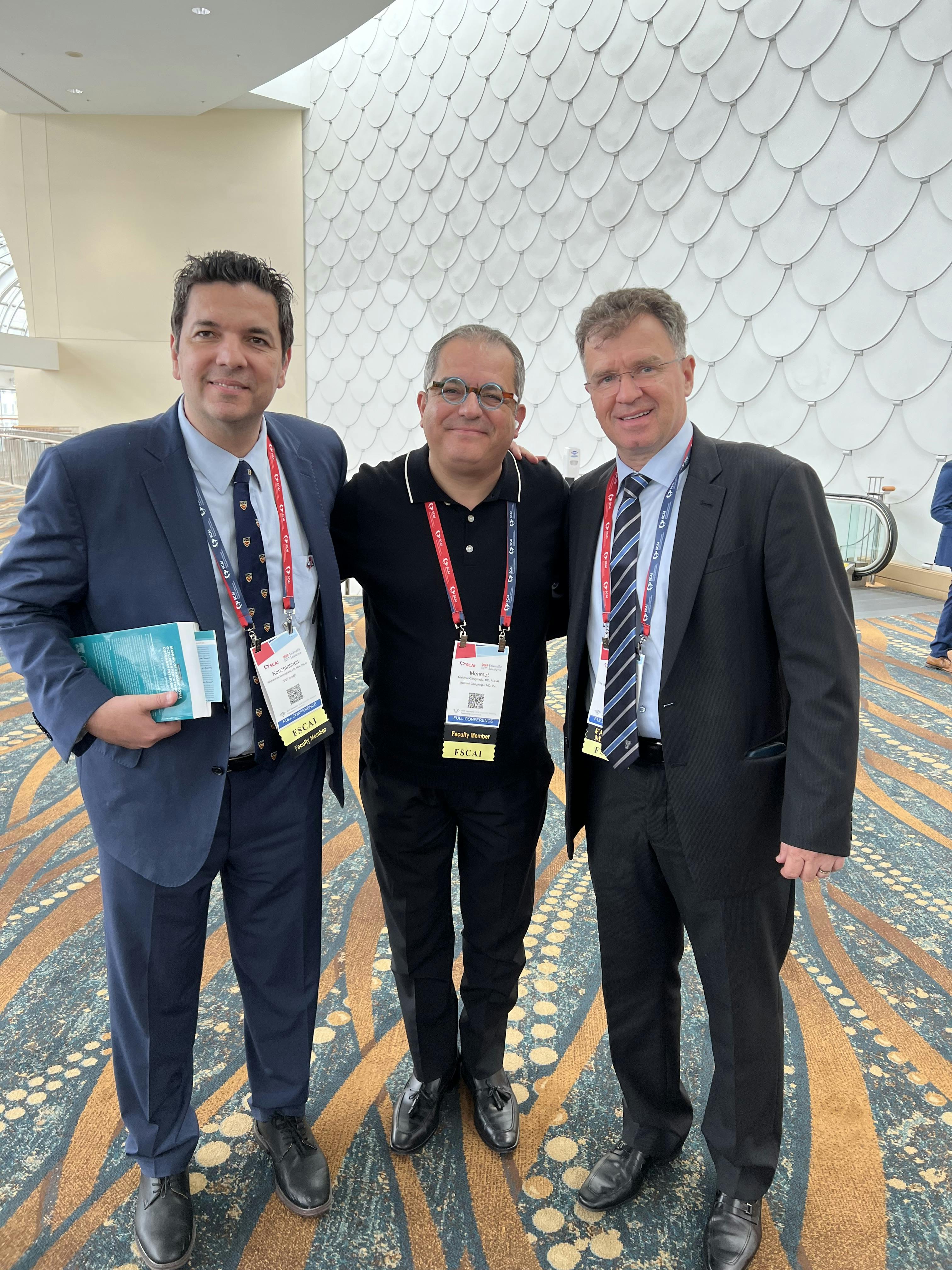
Figure 1. Drs. Marmagkiolis, Çilingiroğlu, and Iliescu, interventional cardiologists associated with The University of Texas MD Anderson Cancer Center.
CASE EXAMPLE: TAVR IN A PATIENT WITH PREVIOUS COLON AND BLADDER CANCER
A man in his mid 80s was referred for TAVR evaluation for severe symptomatic AS. His echocardiogram showed severe AS, aortic valve area of 0.7 cm2, mean gradient of 42.5 mm Hg, left ventricular ejection fraction of 20% to 25%, global hypokinesis, mild mitral regurgitation, moderate tricuspid regurgitation, trivial aortic insufficiency, and mild pulmonary hypertension (HTN) (42 mm Hg). He had stage 4 chronic kidney disease (creatinine, 4.2 mg/dL, with estimated glomerular filtration rate of 14 mL/min/1.73 m2), multivessel CAD, HTN, anemia, and a calculated Society of Thoracic Surgeons score of 16.5%, as well as a history of colon and bladder cancer and previous ileostomy and ureteral drainage (Figure 2).
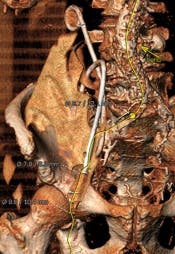
Figure 2. CT of the abdomen and pelvis showing both ureteral and ileostomy drainages.
The patient underwent TAVR with a 29-mm Evolut R valve (Medtronic) with 9% oversizing (Figure 3), resulting in no residual stenosis or perivalvular aortic insufficiency (Figure 4). This patient lived for 10 years after TAVR and died from natural causes.
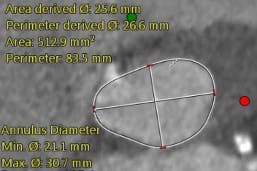
Figure 3. 3mensio CT (Pie Medical Imaging) showing a valve perimeter of 83.5 mm2 as the patient underwent TAVR with a 29-mm Evolut R valve with 9% oversizing.
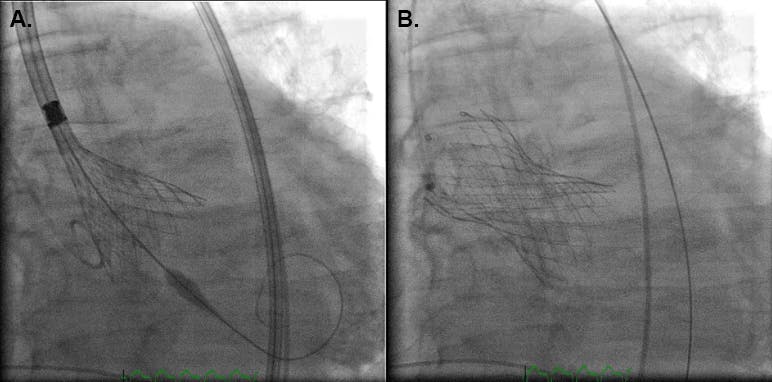
Figure 4. Imaging after the 29-mm Evolut R valve was deployed demonstrated a perfect outcome, with no residual stenosis or perivalvular aortic insufficiency.
What do you foresee as the next frontier in cardio-oncology and interventional cardio-oncology specifically? Where is research lacking, and where do you see the potential for growth?
We believe we have a good path and approach for coronary interventions, identifying Takotsubo cardiomyopathy, and diagnosing myocarditis. We have published extensively on pericardial disease and pericardiocentesis, and the approach for severe AS appears well standardized.
From a SHD perspective, significant improvements are needed regarding the mitral valve (mitral valve clip, percutaneous valves) and atrial appendage closure devices for patients who are at high risk of bleeding and cannot tolerate anticoagulation.
For invasive/interventional cardiology teams, additional work is needed to provide further understanding of pulmonary HTN in this patient population, treatment of pulmonary emboli, and diagnosis and treatment of cardiac masses. Carcinoid heart disease with associated traditional tricuspid and pulmonic valvopathies are yet to have a clear path. Peripheral vascular disease, unless acute, is usually ignored and should be brought in focus as cardiovascular fitness cannot be achieved if patients have significant claudication. Radiation-induced cerebrovascular disease continues to be a big challenge due to the fibrotic nature of the disease.
When it comes to the broader cardio-oncology/heart team, what are your top tips for collaborating and good communication? How do you ensure continuity of care?
For these complex patients and questions, communication is the key to success. It is important to remember that, while all teams serve these patients, we have different success rates and morbidity and mortality for our procedures and interventions, sometimes almost at different poles. Although a survivorship of 90% for cancer is a huge success, a 10% risk of complications for cardiovascular procedures is considered high. If we defer a cardiovascular intervention as too high risk, we are depriving 90% of these patients of a therapeutic strategy that could improve their chances to survive cancer; this is best reflected by the initial experience with aortic valve replacement. We encourage all interventionalists to step back and reflect that the only person who we serve and takes the risk is the patient. If they are well-informed and willing to take the risk, they should be provided the indicated therapies.
After all these years treating patients in the cardio-oncology field, our team believes that the main driver for outcomes is the cancer, and our role is to annul the cardiovascular morbidity and mortality. Because cancer and heart disease share the same risk factors, > 10% of patients undergoing cardiac catheterization faced this double jeopardy of cancer and heart disease.
What advice would you give trainees interested in/looking to specialize in interventional cardio-oncology?
We are excited and continue encouraging young trainees to follow this very important and rewarding path. First and foremost, formal training is such that a 1-year dedicated cardio-oncology fellowship training at a specialized center in the United States is key to success. The commonality for all people successful in this field is the outstanding skills they had at the completion of the training/fellowship. Meticulous access and hemostasis; attention to detail (frequent aspiration and flushing of catheters as cancer is a prothrombotic state); and preparing the lesions with angioplasty, intravascular lithotripsy, atherectomy, laser, additional postdilatation, and imaging (intravascular ultrasound, optical coherence tomography) for coronary interventions, for example, will drive good outcomes and help create a successful onco-cardiology practice and career.
1. Miller KD, Nogueira L, Devasia T, et al. Cancer treatment and survivorship statistics, 2022. CA Cancer J Clin. 2022;72:409-436. doi: 10.3322/caac.21731
2. Ynalvez LA, Marmagkiolis K, Yusuf SW, Iliescu C. Another perspective on cardio-oncology: insights from Houston, Texas. Rom J Cardiol. 2024;34:165-168. https://doi.org/10.2478/rjc-2024-0032
3. Iliescu C, Grines CL, Herrmann J, et al. SCAI expert consensus statement: evaluation, management, and special considerations of cardio-oncology patients in the cardiac catheterization laboratory (Endorsed by the Cardiological Society of India, and Sociedad Latino Americana de Cardiologıa Intervencionista). Catheter Cardiovasc Interv. 2016;87:895-899. doi: 10.1002/ccd.26375
4. Schechter M, Balanescu DV, Donisan T, et al. An update on the management and outcomes of cancer patients with severe aortic stenosis. Catheter Cardiovasc Interv. 2019;94:438-445. doi: 10.1002/ccd.28052
5. Gill C, Lee M, Balanescu DV, et al. Transcatheter and surgical aortic valve replacement impact on outcomes and cancer treatment schedule. Int J Cardiol. 2021;326:62-70. doi: 10.1016/j.ijcard.2020.08.071
6. Monlezun DJ, Hostetter L, Balan P, et al. TAVR and cancer: machine learning-augmented propensity score mortality and cost analysis in over 30 million patients. Cardiooncology. 2021;7:25. doi: 10.1186/s40959-021-00111-0
7. Marmagkiolis K, Monlezun DJ, Cilingiroglu M, et al. TAVR in cancer patients: comprehensive review, meta-analysis, and meta-regression. Front Cardiovasc Med. 2021;8:641268. doi: 10.3389/fcvm.2021.641268
Advertisement
Advertisement
Latest Digital Exclusives