Advertisement
Advertisement
2025 Digital Exclusive No. 2
Building a Cardio-Oncology Practice
A discussion of first steps, getting buy-in from administration and colleagues, essential support staff and service lines, building and maintaining relationships, obtaining referrals, raising awareness, and more.
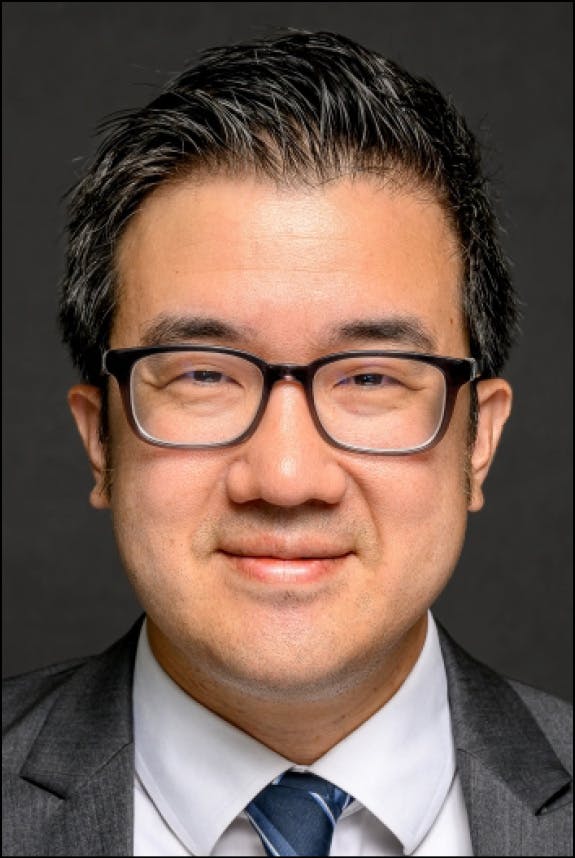
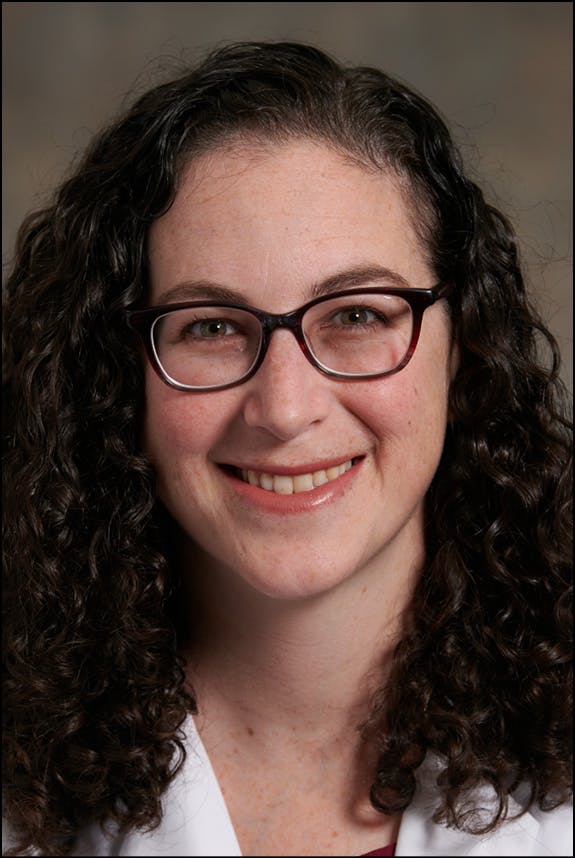
The University of California, Los Angeles (UCLA) Cardio-Oncology program was launched in 2016 and is now an internationally recognized center of excellence. Can you tell us the story of how the program came to be? What was the impetus to start a cardio-oncology program, and what were the first steps?
Dr. Yang: I guess you could say the start of our cardio-oncology program was a bit of a serendipitous, happy accident. When I came to UCLA in 2011 as a fresh graduate out of fellowship, I was relatively aimless regarding what I wanted to do other than to teach and practice cardiology. However, when I was approached by UCLA’s cancer survivorship gurus, Drs. Patricia Ganz and Jacqueline Casillas from the UCLA Jonsson Comprehensive Cancer Center (JCCC) Survivorship, to start seeing some of their cancer survivors and help manage the long-term effects of their cancer treatments, something within me lit up. I was incredibly fascinated by these patients, but yet, I had no idea about the mechanisms that afflicted them. They were presenting with myriad issues: premature coronary artery disease, cardiomyopathy, arrhythmias, autonomic imbalance—I was hooked! Fortunately, at the same time, there was an overall rise and awareness in the field of cardio-oncology—and luckily, I was able to ride the wave to help bring this type of interdisciplinary care to UCLA. However, because there was no program like it before, we had many challenges to address, especially with the unique dynamic of being reliant on a completely different field for patients, understanding the complex systems of care they undergo for their cancer care and, ultimately, effective clinical and research collaborations.
Dr. Stein-Merlob: Yes! Starting a new program that explores the intersectionality of two fields—cardiology and hematology/oncology—can be a double-edged sword. Although it is very exciting with virtually limitless avenues to explore, you may have difficulties in securing infrastructure and logistical support in this unique population with specific needs, and you also have to prove your worth and value to not just your own leadership within cardiology but also your oncology leadership. It is important to start small and, above all else, focus on the gaps in care at your institution to avoid getting overwhelmed. This may involve reaching out to your cancer colleagues to get frank and honest feedback about the quality and timeliness of the cardiovascular care their patients currently receive in your health care system and/or from your group—both the good and bad—and how you can improve upon that care. This includes not only access to cardiology appointments but also the wide range of cardiovascular testing. Understanding the timing of these needs is particularly important because delays in cardiovascular care often mean interruption in life-saving cancer treatments. It is important to establish and deliver three major components: (1) your program’s vision, (2) support, and (3) service.
Considerations for Starting a Cardio-Oncology Program
- Vision: What is the need for such a cardio-oncology program? What breadth of patients will you want to care for? What sort of cardiotoxicities, cancer population, and/or disease state do you want to see? What clinic model can help match this scope?
- Support: What kind of financial and logistical support do you need from your institution and/or group? How can you effectively track and report the metrics needed to justify your clinical services and the program as a whole?
- Service: How do you effectively implement the cardio-oncology clinic/service within the physical confines of your current practice? How do you integrate the scheduling of evaluations? Many such referrals usually require immediate evaluation within 1 to 2 weeks with expedited, effective, and cohesive cardiovascular imaging that does not inconvenience your cancer population.
How difficult was it to get buy-in from administration and colleagues? How did you explain the need for such a program?
Dr. Yang: Although we were very fortunate to have support from our division leadership and colleagues, as previously mentioned, it is a model of care that no one really knew how to implement given the unique challenges of meeting the cancer patients where they are: trying to minimize interruptions in their cancer treatments and making their visits as high yield as possible.
Dr. Stein-Merlob: I think that many nononcologists have what we call the “cancer bias.” When a patient has a known diagnosis of cancer, especially advanced disease, they are stereotyped as someone with a likely terminal illness. The thought is that “less is more” in addressing cardiovascular issues, and the cancer treatment takes precedence with a perceived limited lifespan. Thus, it can be difficult to convince others in our field about the importance of what we do. And yet, increasingly more so, cardiovascular disease is a major, if not the top, cause of death in certain cancer populations. Breast and prostate cancer patients are a great example. In addition, the development of new cancer therapeutics, including targeted therapies and immunotherapies, has made cancer a much more chronic disease state, similar to how coronary artery disease and congestive heart failure are more chronic and survivable diseases. These drugs have changed how we see cancer survivors. In many ways, cancer patients are living like our cardiovascular patients now with stable disease. Even if they have metastatic disease, they live for many years at the cost of a daily pill or an intermittent infusion. It’s really quite incredible.
Dr. Yang: One of our top arguments for the need for such a cardio-oncology program is that we will have > 20 million cancer survivors estimated to be alive in the United States by 2030.1 This is quite a staggering number that speaks volumes to the advances our cancer colleagues have made in treatments. It is a population that none of us can ignore, and they are already prevalent in our clinics, hospital beds, and intensive care units. It is also a population that requires the interest of more than a few physicians to manage. At UCLA, the JCCC is also home to one of the top cancer volumes in the country and makes up a significant contingent of our overall health care system. It is a growing patient population, and we feel obligated to deliver high-quality, evidenced-based cardiovascular care and testing to help improve their overall outcomes.
What support staff and service lines are essential in building a cardio-oncology practice?
Dr. Yang: If I had to do it all over again, I would’ve requested more logistic support early on in my career to track my clinic volume and the types of patients I would see; such metrics are crucial to justify not only more clinical protected time to see your patients as the cardio-oncology practice grows but also the related cardiovascular imaging volume associated with many of these evaluations. Many forms of cardiotoxicity, especially related to anthracycline, HER2, and radiation therapies, require frequent imaging. This can also help determine the need for additional physicians/advanced practice providers (APPs) in your practice.
Dr. Stein-Merlob: We also cannot emphasize enough the importance of a nurse navigator. Such specialists have taken off in the cancer space but less so in cardiovascular medicine. Given the vast geographic expanse of UCLA Health (as our clinics now range from San Luis Obispo to Irvine and are mostly cancer dominated), a nurse navigator can help patients with the complexities of their visit schedules. Examples include tracking referrals, directing them toward cardio-oncologists who work in a clinic closer to their home, and trying to schedule same-day appointments for both cardio-oncology and cancer treatments to avoid costs and stressors related to extra travel, parking, and other psychosocial factors that may detrimentally affect them during their cancer journey.
What are the signifiers of a dedicated, successful cardio-oncology practice?
Dr. Stein-Merlob: We believe it is critical to have a sustainable ecosystem that can handle the volume of the practice’s cancer population and the ability to perform high-quality echocardiography and advanced cardiovascular imaging in a timely fashion. Institutional support for protected time to see these patients is also crucial. Close communication and relationships with oncology health care professionals at all levels—from advanced practice providers (APPs) to physicians—and being able to coordinate multidisciplinary care at a moment’s notice is critical to having a successful clinical program. It is important that scheduling is not an impediment to the cancer patient’s care. If a patient can’t see you for months or is unable to have an echocardiogram in a few weeks, it is difficult to get your program off the ground without having expedited avenues for these services. Time is of the essence to get these cancer patients started on or get back on treatments.
Dr. Yang: The indirect and direct rewards to having an effective system of care will lead to further downstream benefits of being able to provide forums of education to both clinicians and patients, as well as potential clinical and research collaborations at any hospital. I have always felt strongly that one of the best aspects of cardio-oncology is that it is a grassroots field: Any motivated individual who is passionate about the field can make a meaningful contribution based on observational data on their local cancer population, and it doesn’t have to be a high-end, prestigious academic institution to do such research. We are also very fortunate to have a world-class medical school, internal medicine residency, and cardiovascular and hematology/oncology fellowships at UCLA, and the immersion of this field to our trainees has allowed them to contribute some incredible research and bring interesting ideas to the table for our research efforts.
How have you been able to build and maintain relationships with the multidisciplinary heart team? What advice would you share regarding communication and collaboration?
Dr. Stein-Merlob: We are extremely lucky and privileged to work alongside world-class cardiovascular specialists at UCLA. We basically act as gatekeepers to these amazing programs and are able to educate our colleagues about cardiotoxicities and, more importantly, prognosis and other factors that may otherwise be affected by the “cancer bias” I previously mentioned. But our goal is to always be a supportive, available multidisciplinary team player within these groups, and we are fortunate our colleagues from across the aisle are very supportive, collaborative, and invested in our cardio-oncology patients.
Dr. Yang: It also doesn’t hurt that many of these colleagues are personal friends and literally an office away. However, the theme of cancer is prevalent in all other sections of cardiology—you just have to keep your eyes open! For instance, atherosclerosis and/or myocardial infarctions are a rising concern in our growing cancer survivors due to cardiovascular risk factors and/or the effects of the treatments they received. Interventionalists will need to be comfortable with invasively managing these patients. Heart failure will occur in patients with both active and prior cancer, and even some may require advanced therapies from our heart failure/transplant specialists. Arrhythmias, especially atrial fibrillation, have unique considerations in the cancer population, and we need more of a voice within electrophysiology to address these challenging cases.
Can you summarize your process for building a referral base? What are your recommendations, and what challenges should be expected?
Dr. Stein-Merlob: Definitely meet with oncology leadership and investigate which cancer patients have the most cardiovascular issues and/or have the least optimal cardiovascular care. Although you may have clinical interests that differ from the needs of your oncology colleagues, it is more important to focus on their needs first. Prioritize those patients and get them in to see you quickly and expeditiously, and you can provide fast and high-quality cardiovascular imaging. Dr. Yang and I read echocardiograms, so we can also flag abnormal echocardiograms that look suspicious for cardiotoxicity, and we can contact cancer teams quickly and offer fast visits to help optimize patients for further ongoing treatments.
Dr. Yang: Challenges can certainly come up if you want to open space and are already a busy clinician or midcareer. This is why it is critical to have someone track the referrals and volumes so you can provide a numerical argument to leadership about the protected slots you need to see these patients in a timely fashion, as well as the cardiovascular testing that is required.
Dr. Stein-Merlob: Talking to the top in oncology leadership is not enough. Especially in major academic and/or cancer centers, cancer care is very specialized, and you need to approach individual sections about how to provide the best cardio-oncology care for their patients. Surveillance for cardiotoxicity care can be very different between groups, and the cancer treatments used can vary widely. Lymphoma teams may have different practices, toxicities, and culture than melanoma or lung cancer sections. You cannot assume they all operate and treat their patients the same way.
How do you raise patient awareness about your program’s mission/goals of care?
Dr. Stein-Merlob: Awareness is spread by the work we do for the cancer patients. Although it is important to promote our program’s mission, it is even more important to prove we actually provide the care and have the capacity to do so.
Dr. Yang: I have observed over the years that the crucial partner in this field is the patient’s oncology team. Although there are growing numbers of patients who are also concerned about their heart health, it is unlikely that cancer patients will seek us out because they do not want another diagnosis to deal with. I have had patients react to the news of having a cardiovascular issue as mild as a cholesterol problem or a mildly elevated calcium score much in the same way they would react to having cancer again. It is not our purpose to raise such fears but instead to emphasize that patients have the opportunity to improve their quality of life by paying attention to their heart and risk factors. Thus, many patients will rely on the buy-in of their oncology physician or APP—they are the ones who motivate the patient to see us. Once in our program, we work on many preventive strategies aside from managing cardiotoxicity. It is likely that aggressive modification of risk factors such as smoking cessation, exercise, diet, and weight loss may not only help decrease cardiovascular risk but also potentially decrease cancer recurrence risk as well!
How do various cardio-oncology programs differ in their approach? Do some not have an interventional component to the team?
Dr. Yang: Each cardio-oncology program evolves to the strengths and barriers of their health care institution. A health care system like UCLA likely has different approaches to patient referrals than a cardio-oncology in community or private practice. However, the common road to success is the importance of relationship building. It is important to maintain close communication, contact, and interaction with oncology health care professionals. We have fantastic interventionalists that help us with some very difficult cases of complex coronary artery and/or valvular disease. (I also serve as one of the interventional echocardiographers on our transcatheter valve therapies, as this was an early clinical interest of mine.)
Dr. Stein-Merlob: Although we acknowledge that not every cardio-oncology team may have an interventional team member, it is good to partner up with colleagues who do invasive work and are interested in this space to help provide consistent and high-quality care to a growing cancer population. We work closely with interventionalists to understand how their patient’s cancer diagnosis, including overall prognosis and bleeding risk, impact decisions to undergo coronary interventions. More and more, when we ask our cancer colleagues what to do on the cath lab table for a patient with cancer, they feel comfortable proceeding with an intervention when the oncologist responds, “Pretend like they don’t have cancer.” Such statements highlight how cancer is becoming a chronic disease state, like many diseases in the cardiology field.
What advice would you share with a physician wanting to start a cardio-oncology program?
Dr. Stein-Merlob: Always be curious but patient. The road is long and hard but very rewarding, as the patients you want to help are likely already in your backyard. You just need to find a systematic way to care for them and figure out strategies in your health care system to track the impact of your care. This is a challenge our whole field faces—how to adequately study the impact of our multidisciplinary care. However, as cancer patients and survivors grow in this country, we can no longer just dismiss them as patients who will succumb to cancer-related issues. They will develop more and more cardiovascular issues, and it is important to understand which patients will benefit from proactive cardio-oncology care.
Dr. Yang: Find the gaps in care at your institution and engage your oncology leadership on how to best close those gaps. It may not be a smooth process in integrating these patients into your practice, but once you are able to demonstrate the value of your work to both your cardiology and oncology colleagues, the patients will come, and a rewarding world of working in this fascinating intersectional space will come quickly. One of the most rewarding parts of this job is being able to not only carry a patient through one disease process (cancer) but two processes. The science behind these cases we see every day are interesting and largely unknown. There is so much work ahead of us to study the mechanisms that drive cardio-oncology and a field that will affect us all professionally and personally—the excitement never ends!
1. Miller KD, Nogueira L, Mariotto AB, et al. Cancer treatment and survivorship statistics, 2019. CA Cancer J Clin. 2019;69:363-385. doi: 10.3322/caac.21565
Advertisement
Advertisement
Latest Digital Exclusives